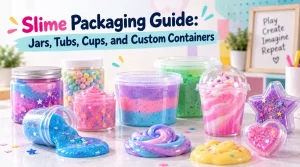
Slime Packaging Guide: Jars, Tubs, Cups, and Custom Containers
Compare slime jars, tubs, cups, and custom containers to find the right packaging for your product, budget, target market, and shipping needs.

Slime has become one of the most visible sensory toys in recent years. Its popularity is not based on a single feature. Instead, it reflects changes in children’s play habits, growing interest in sensory experiences, and higher expectations for toy safety and quality. By looking at best-selling slime products on Amazon, we can better understand what families value and how the toy market responds to those needs.
Slime first gained attention as a simple novelty toy. Early versions focused mainly on unusual texture and movement. Over time, manufacturers introduced new formulas, textures, and visual effects to create more varied play experiences.
Today, slime belongs to a broader category of sensory toys. Many products are designed with specific tactile qualities, such as stretching, squeezing, or slow-flow movement. These features reflect a wider trend toward hands-on and open-ended play.
The development of slime also mirrors advances in material science. Modern products often aim for greater consistency, improved durability, and safer ingredients. As a result, slime has moved beyond being a short-lived trend and become an established toy category.
Children are naturally curious about materials that behave in unusual ways. Slime can stretch like a solid in one moment and flow like a liquid in another. This behavior creates a simple but engaging sensory experience.
From a scientific view, slime demonstrates basic concepts related to non-Newtonian materials and viscoelastic behavior. While children may not learn these terms directly, they often explore these properties through play and observation.
Parents, meanwhile, tend to look at practical factors. They often pay attention to safety labels, ease of storage, and product consistency. Toys that are simple to use and maintain generally receive more positive attention.
Another factor is flexibility. Slime can be used individually or in small group settings. It does not require complex rules or equipment, which makes it suitable for different ages and play environments.
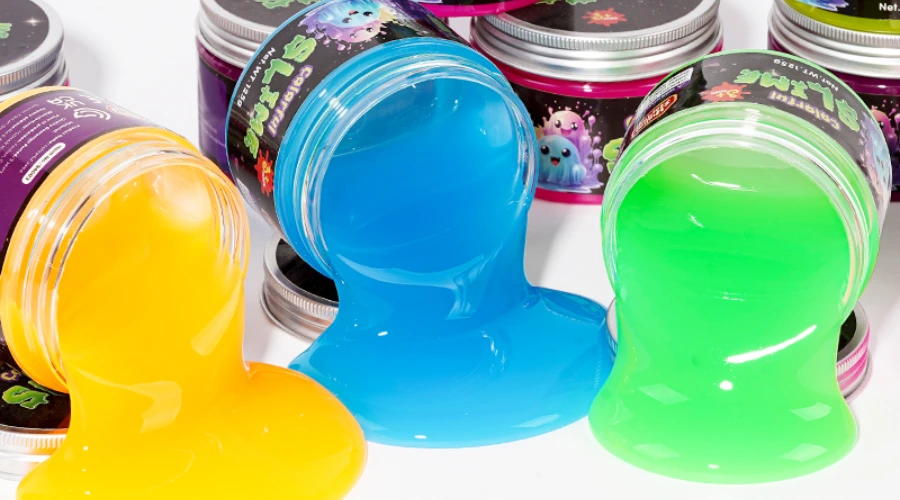
Best-selling products often provide useful clues about consumer behavior. In the slime category, buyers frequently favor products that balance texture quality, safety, and ease of use rather than focusing on a single feature.
Product descriptions and customer feedback suggest that consistency matters. Consumers often prefer slime that remains stable over time, keeps its texture, and resists drying under normal storage conditions.
Visual appeal is also important. Colors, transparency, and texture variations attract attention. However, appearance alone is rarely enough. Products that combine visual interest with reliable performance tend to maintain stronger long-term popularity.
Finally, market trends show that families increasingly value clear safety information. Ingredient transparency, age recommendations, and proper labeling have become important factors in purchasing decisions. This shift reflects a broader demand for informed and responsible toy selection.
The success of a slime product often depends on a combination of physical and sensory properties. Texture, appearance, and stability all influence how users experience the product. When examining best-selling slime products on Amazon, certain characteristics appear repeatedly across different styles and categories.
Texture is one of the most important factors in slime design. Unlike many traditional toys, slime is judged largely through touch. Small differences in consistency can change the overall experience and affect user satisfaction.
A well-balanced texture usually allows the material to stretch, compress, and flow without breaking apart too easily. At the same time, it should remain manageable during normal play. These qualities are often linked to the structure of the polymer network within the slime.
Stretchability refers to how far slime can extend before it tears. Elasticity describes its ability to return to its original shape after being stretched or compressed. Although related, these properties are not exactly the same.
Products that stretch smoothly tend to create a more predictable sensory experience. If slime tears too quickly, users may perceive it as low quality. On the other hand, excessive elasticity can make handling more difficult.
From a material science perspective, these properties are influenced by the balance between liquid movement and molecular bonding. Best-selling products often maintain a stable balance between the two.
Softness affects how slime feels in the hands. Many users prefer a texture that offers slight resistance while remaining easy to squeeze and shape. A material that feels too firm may reduce engagement.
Comfort also relates to surface behavior. Slime that moves smoothly across the skin generally creates a more pleasant tactile experience. Rough or uneven textures can sometimes reduce user satisfaction.
Manufacturers often adjust softness by modifying ingredient ratios and production methods. The goal is usually to create a consistent feel throughout the product’s lifespan.
Moisture retention is a major factor in product performance. Slime naturally loses water over time, especially when exposed to air. As moisture decreases, texture and flexibility can change.
Best-selling products often demonstrate better resistance to drying under normal storage conditions. This helps maintain the intended texture for a longer period.
Proper packaging also plays an important role. Airtight containers can reduce moisture loss and help preserve the physical properties of the slime between uses.
While texture drives the sensory experience, appearance strongly influences first impressions. Visual elements help attract attention and create expectations before the product is even touched.
Many successful slime products combine visual appeal with tactile variety. This combination often increases curiosity and encourages exploration during play.
Color is one of the easiest features for consumers to notice. Bright colors, pastel shades, and mixed-color effects are common across many popular slime categories.
Different colors do not usually affect performance directly. However, they can influence perception and make products feel more distinctive. Children often choose slime based on visual preference before considering texture.
Manufacturers frequently use color variation to create themed collections or enhance product identity. This strategy helps differentiate products within a crowded market.
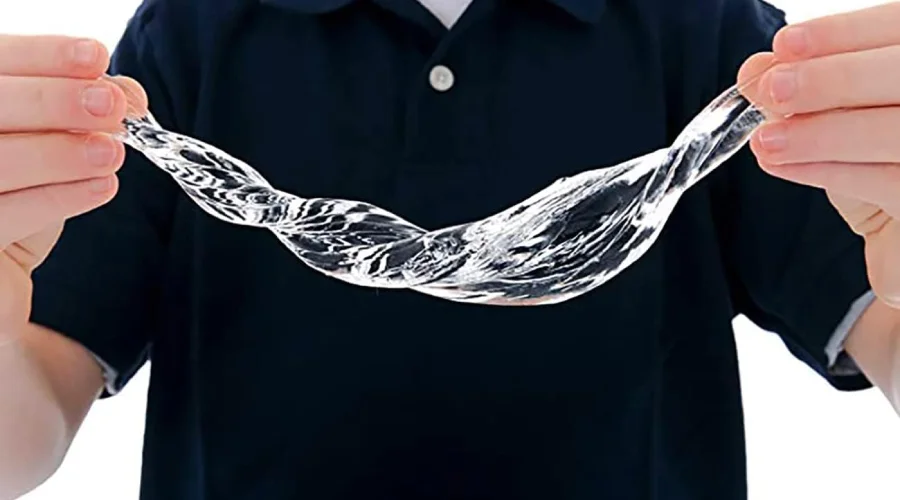
Clear slime has become a recognizable category within the market. Its transparent appearance allows light to pass through, creating a unique visual effect that differs from opaque formulations.
Glossiness also affects appearance. A smooth, reflective surface can make slime look cleaner and more uniform. As a result, transparency and shine often contribute to perceived product quality.
These characteristics depend on ingredient composition and manufacturing control. Small changes in formulation can affect clarity and surface finish.
Many slime products include additional materials that change both appearance and feel. Common examples include foam beads, small particles, or lightweight decorative pieces.
These additions create new tactile experiences by introducing resistance, crunching sensations, or surface variation. As a result, users can experience multiple textures within a single product.
However, successful designs usually maintain balance. Too many added elements may interfere with stretchability or consistency. Best-selling products often integrate these features without significantly changing the core behavior of the slime.
Slime is often discussed as a sensory toy, but its effects are linked to basic principles of human perception and motor activity. When children interact with slime, they receive information through touch, sight, movement, and sometimes smell. These combined inputs help explain why slime remains a popular tool for sensory exploration.
Sensory experiences occur when the brain receives and processes information from different sources. Slime is unusual because it engages several senses at the same time through a single activity.
When children stretch or squeeze slime, the skin detects pressure, movement, and texture. At the same time, the eyes track changes in shape, color, and motion. These signals are processed together, creating a richer sensory experience.
The material’s changing behavior also plays a role. Slime can flow slowly, stretch thin, or form shapes. These visible changes provide continuous feedback that keeps the sensory system engaged.
Some products include scents or textured add-ins. While these features are not essential, they introduce additional sensory input and increase the variety of experiences available during play.
Tactile play involves learning through touch and physical interaction with materials. It is considered an important part of early childhood development because touch provides information that cannot be gained through sight alone.
When children manipulate slime, they practice controlling hand movements and finger pressure. These actions support the development of fine motor skills, which are later used for tasks such as writing, drawing, and handling small objects.
Tactile activities also encourage exploration. Children naturally test how a material stretches, compresses, or changes shape. Through this process, they learn to observe differences and recognize patterns.
Research in child development has shown that sensory-rich play supports active learning by allowing children to interact directly with their environment rather than only observing it (American Academy of Pediatrics, 2018).
Sensory activities are sometimes used to help children focus attention and manage emotional responses. The effect is not unique to slime, but slime provides a simple and accessible example.
Repetitive actions such as stretching, folding, or squeezing create predictable sensory feedback. For some children, this consistency can support concentration during quiet activities.
The slow and continuous movement of slime may also encourage a calmer pace of interaction. Unlike fast-moving toys, slime often rewards observation and gradual manipulation.
It is important to note that responses vary between individuals. A sensory activity that feels calming for one child may not have the same effect on another. Therefore, slime should be viewed as one of many possible sensory tools rather than a universal solution.
Not all sensory experiences are suitable for every age group. Children’s motor skills, attention spans, and safety needs change as they grow, so sensory toys should match their developmental stage.
Younger children often benefit from simple textures and close adult supervision. At this stage, the focus is usually on basic exploration and safe handling rather than complex play patterns.
Older children may become more interested in comparing textures, observing material behavior, or experimenting with different ways to manipulate slime. Their play often becomes more intentional and exploratory.
Age recommendations on product labels provide useful guidance because they consider factors such as material safety, small parts, and developmental readiness. Choosing age-appropriate products helps ensure that sensory engagement remains both safe and meaningful.
The slime market includes a wide range of textures and formulations. Although many products share similar ingredients, small changes in composition can produce very different sensory effects.
Classic stretch slime is one of the most recognizable forms of slime. It is designed to balance flexibility, elasticity, and flow, creating a texture that can be stretched, folded, and squeezed repeatedly.
This type often serves as a reference point for other slime categories. Manufacturers frequently adjust its thickness and elasticity to create different sensory experiences while maintaining the familiar stretching behavior.
Because of its relatively simple structure, classic slime is commonly used to demonstrate how slime changes shape under different levels of force. It can stretch slowly over long distances yet break when pulled too quickly.
Butter slime is known for its smooth and spreadable consistency. Compared with classic slime, it usually feels softer and less elastic when manipulated.
Its texture allows it to flatten and spread easily across surfaces. As a result, users often describe the experience as closer to molding or shaping than stretching.
From a material standpoint, butter-style slime contains additives that reduce its rubber-like behavior. This creates a denser and more controlled feel during play.
Cloud slime is designed to produce a light and airy texture. Instead of forming long stretches, it tends to separate into soft strands when pulled apart.
One of its most noticeable features is the slow “drizzle” effect. When stretched and released, the material can fall in thin layers that resemble soft clouds or flowing fibers.
This texture differs significantly from traditional slime. The focus is less on elasticity and more on visual movement and gentle tactile feedback.
Crunchy slime includes materials that create resistance and texture during handling. These additions may produce soft crackling sounds or distinct tactile sensations when squeezed.
The appeal of this category comes from contrast. Users experience both the flexibility of slime and the physical texture of embedded materials at the same time.
Textured slime products vary widely in density and feel. Some emphasize sound, while others focus on surface variation and sensory feedback through touch.
Clear slime is valued primarily for its appearance. Its transparent structure allows light to pass through, creating a clean and glass-like visual effect.
Because impurities and air bubbles are more visible in transparent formulations, production quality often has a greater impact on appearance than in opaque slime types.
Clear slime also serves as the base for many decorative variations. Colors, small objects, and visual effects can be added while preserving its transparent look.
Foam-based and bead-enhanced slime contains lightweight particles mixed throughout the material. These additions change both texture and physical behavior.
When squeezed or compressed, the embedded particles create extra resistance. This makes the slime feel less smooth than traditional formulations and introduces a more structured texture.
The size, shape, and quantity of added particles can significantly influence the experience. Products in this category often focus on combining visual interest with tactile variety.
Scented slime incorporates fragrances to add another sensory element. While touch remains the primary focus, scent can influence how users perceive the overall experience.
Common fragrance categories include fruit, dessert, and nature-inspired scents. These are typically selected to complement the product’s visual theme or texture style.
However, fragrance is generally considered a secondary feature. Consumer reviews often show that texture, consistency, and durability remain more important factors in long-term product satisfaction than scent alone.
Safety is one of the most important factors in the slime category. While texture and appearance attract attention, long-term consumer trust often depends on clear safety information and responsible product design. Many best-selling slime products share several common safety features that help parents make informed decisions.
Most commercially produced slime is intended for direct hand contact. Because of this, manufacturers often emphasize the use of non-toxic materials that meet applicable toy safety requirements.
The term “non-toxic” generally means that the product is not expected to cause harm when used as intended. However, it does not mean the material is edible or suitable for ingestion.
Consumers should remember that safety standards vary by region. In the United States, toy products may be evaluated under requirements established by the Consumer Product Safety Commission (CPSC), while other countries may follow different regulations.
Reading product information carefully helps users understand how the slime should be used and what precautions may apply.
Read More >> ASTM F963, EN71, and CPSIA for Toy Products

Clear labeling allows consumers to make better-informed choices. Product packaging often includes information about ingredients, intended age ranges, storage instructions, and safety warnings.
Ingredient transparency has become increasingly important as parents pay closer attention to the materials used in children’s products. Detailed labeling can also help families identify potential sensitivities or concerns before purchase.
Well-designed labels typically avoid vague claims and provide practical information. This may include usage guidance, manufacturer contact details, and instructions for handling the product safely.
When information is easy to find and understand, consumers can evaluate products more confidently.
Many toy products undergo testing to verify compliance with established safety standards. Although certification requirements vary by market, testing helps assess factors such as chemical safety and product performance.
In the United States, children’s products are often subject to regulations administered by the CPSC. Manufacturers may also work with independent testing laboratories to verify compliance with relevant standards.
Safety certifications do not guarantee that a product is risk-free. However, they provide evidence that the product has been evaluated according to recognized testing procedures.
Parents can often find certification information on packaging, product descriptions, or manufacturer documentation.
Some slime products contain decorative pieces, beads, foam particles, or other small components. While these features can create interesting textures, they may present choking risks for younger children.
For this reason, age recommendations are particularly important. Products intended for older children may not be appropriate for toddlers or preschool-age users.
Warning labels help identify potential hazards and guide safe use. Parents and caregivers should pay attention to these notices, especially when selecting products for households with children of different ages.
Adult supervision may also be appropriate when products contain removable or small parts.
Safe use extends beyond manufacturing standards. Proper storage and hygiene practices help maintain product quality and reduce unnecessary risks.
Slime should generally be stored in a sealed container when not in use. This helps limit contamination and slows moisture loss that can affect texture and performance.
Hand washing before and after play is also recommended. Clean hands reduce the transfer of dirt, oils, and other substances that may affect the material.
If slime becomes visibly dirty, develops an unusual odor, or shows signs of deterioration, it should be discarded according to the manufacturer’s guidance. Regular inspection helps ensure that the product remains suitable for continued use.
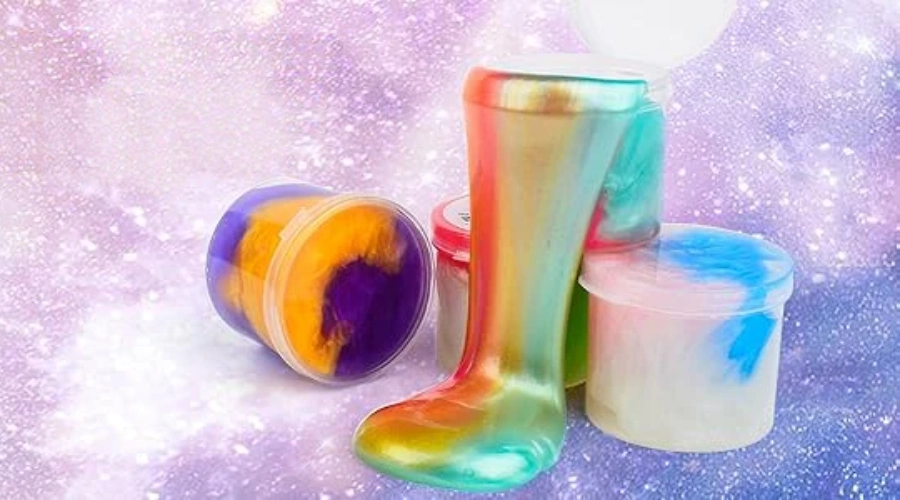
Children often focus on texture, color, and sensory experiences. Parents, however, tend to evaluate slime from a different perspective. Practical concerns such as cleanliness, durability, safety, and developmental suitability frequently influence purchasing decisions. A review of popular slime products shows that these factors play a major role in consumer satisfaction.
Cleanup is one of the first concerns many parents consider. Slime is designed to be handled directly, so some contact with furniture, clothing, or household surfaces is inevitable.
Products that can be removed easily from smooth surfaces generally receive more positive feedback. Excessively wet or highly adhesive formulations may create frustration during routine use.
Clear storage instructions can also improve cleanup outcomes. When users follow recommended handling practices, slime is less likely to spread beyond the intended play area.
As a result, products that balance sensory performance with manageable cleanup requirements often appeal to families.
Parents frequently look for products that maintain their quality over time. A slime that changes texture quickly or becomes unusable after a short period may be viewed as poor value.
Durability is influenced by several factors, including moisture retention, formulation stability, and storage conditions. Slime naturally changes over time, but well-designed products often slow this process.
Long-term usability also depends on consistency. Consumers generally prefer products that perform similarly from one play session to the next.
For many families, durability is not about lasting forever. Instead, it is about maintaining the intended texture and behavior for a reasonable period under normal use.
Some degree of stickiness is part of slime’s nature. However, excessive adhesion can interfere with handling and create unnecessary mess.
Many consumers prefer slime that stretches and flows smoothly without leaving large amounts of residue on skin or household surfaces. This often improves the overall user experience.
Manufacturers commonly adjust formulations to balance flexibility and surface adhesion. The goal is to preserve the sensory qualities of slime while reducing unwanted sticking.
Products that achieve this balance often receive stronger long-term consumer approval.
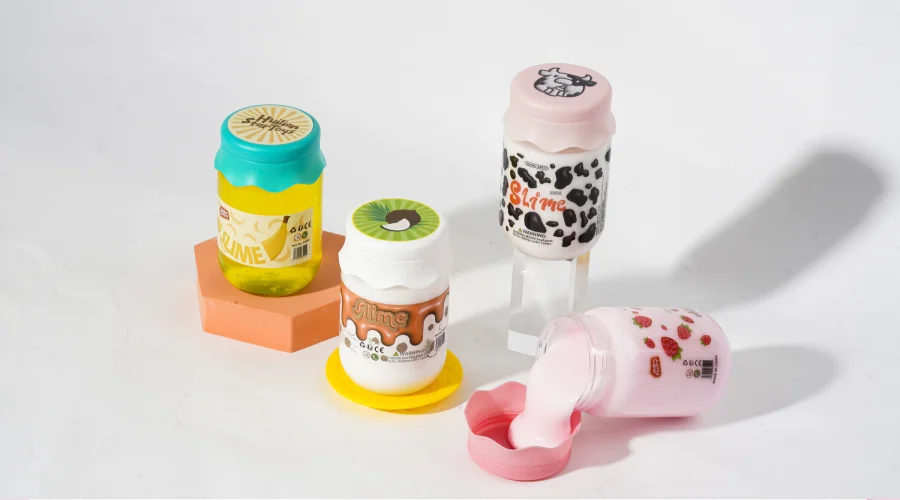
Packaging serves more than a decorative purpose. It plays an important role in preserving product quality and supporting safe use.
A well-designed container helps reduce exposure to air, dust, and moisture changes. This can slow texture degradation and improve product lifespan.
Parents also value containers that are easy for children to open and close properly. Secure storage reduces accidental spills and helps maintain cleanliness.
In addition, clear labeling on packaging provides important information about age recommendations, safety warnings, and storage instructions.
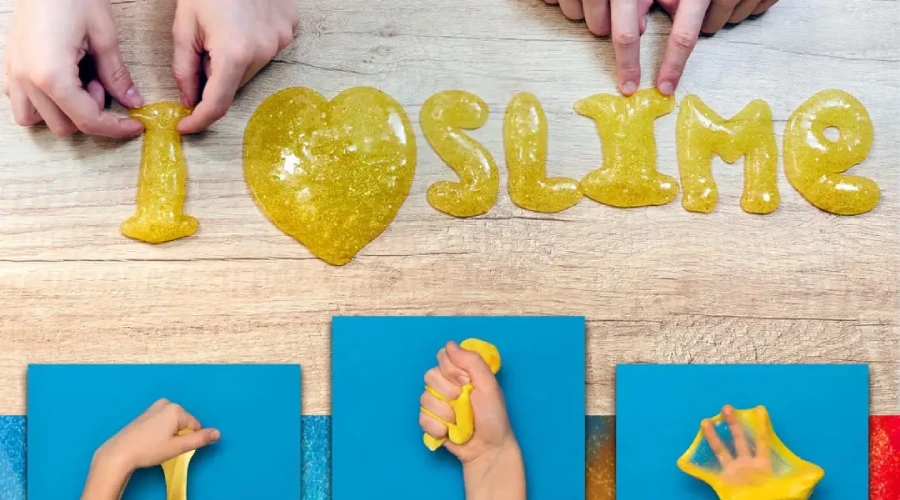
Many parents appreciate toys that offer opportunities for learning alongside entertainment. While slime is primarily a sensory product, it can support several areas of development.
Manipulating slime requires hand control, finger coordination, and pressure adjustment. These actions help children practice fine motor movements during play.
Slime can also encourage observation and experimentation. Children often explore how texture changes when the material is stretched, folded, or compressed.
Although slime is not typically considered an educational tool in the traditional sense, its open-ended nature allows children to engage in simple forms of sensory exploration and problem-solving. These qualities contribute to its continued popularity among families.
Slime is primarily a sensory toy, but the actions involved in handling it can support several areas of child development. These effects come from the physical and cognitive demands of play rather than from the material itself. While slime is not a substitute for structured learning activities, it can provide opportunities for practice and exploration in everyday play.
Fine motor skills involve the small muscles of the hands and fingers. These skills are important for tasks such as writing, drawing, fastening buttons, and using tools.
When children stretch, pinch, roll, or fold slime, they perform a variety of controlled hand movements. These actions require precision and repeated adjustment of finger positions.
Unlike activities with fixed outcomes, slime changes shape continuously. As a result, children must constantly adapt their movements to the material’s behavior.
Over time, repeated manipulation can provide regular practice for developing hand control and movement accuracy.
Many slime activities involve squeezing, pulling, and compressing the material. These actions engage multiple muscles in the hands and fingers.
Finger coordination develops when different parts of the hand work together to achieve a goal. For example, a child may use several fingers to stretch slime evenly while maintaining control of its shape.
The level of resistance varies among slime types. Some formulations require more force to manipulate, while others move easily under light pressure.
These differences encourage children to adjust their grip and movement patterns, helping them practice coordinated hand use during play.
Slime does not come with a fixed set of rules or objectives. This open-ended nature allows children to create their own activities and explore ideas freely.
Some children focus on shapes and patterns. Others invent stories, games, or imaginary situations that involve the material. The same slime can support many different forms of play.
Because there is no single correct outcome, children can experiment without worrying about making mistakes. This freedom often encourages exploration and personal expression.
Creative play is not measured by the complexity of the final result. Instead, it develops through the process of testing ideas and trying new approaches.

Open-ended toys encourage children to make decisions and respond to changing situations. Slime naturally supports this type of interaction because its behavior is often unpredictable.
A child may experiment with different ways of stretching, shaping, or combining the material. If one approach does not work as expected, another can be tried immediately.
This process involves observation, prediction, and adjustment. Although the challenges are simple, they introduce basic elements of problem-solving.
Through repeated experimentation, children learn to evaluate results and modify their actions based on what they observe.
Slime play can occur individually, but it is also common in group settings. When children share materials, they often communicate, negotiate, and cooperate during activities.
Group play may involve exchanging ideas, comparing textures, or working together to create shapes and designs. These interactions encourage conversation and joint participation.
Cooperative activities also require children to take turns and respect shared resources. Such experiences help develop social awareness and communication skills.
The social value comes not from the slime itself but from the opportunities it creates for interaction. In this way, slime can function as a simple tool that supports collaborative play among peers.
Consumer preferences play a major role in the development of modern slime products. As buying habits change, manufacturers adjust product design, packaging, and features to match market expectations. Several trends appear consistently among best-selling slime products and help explain the direction of the category.
In recent years, sensory toys have become a larger part of the children’s toy market. Parents, educators, and caregivers increasingly recognize the value of hands-on play experiences that engage multiple senses.
Slime fits naturally within this trend because it combines touch, movement, and visual feedback. Unlike many electronic toys, it encourages direct physical interaction with materials.
The popularity of sensory products also reflects a broader interest in open-ended play. Many consumers seek toys that allow children to explore and interact at their own pace rather than follow fixed instructions.
As a result, slime continues to benefit from growing awareness of sensory-based play activities.
Consumer reviews frequently show that texture is one of the most important factors in product satisfaction. Many users are interested in trying different sensory experiences rather than repeatedly purchasing the same type of slime.
This demand has encouraged the development of a wide range of textures, including soft, airy, crunchy, smooth, and dense formulations. Each type offers a distinct tactile experience.
Texture variety also helps maintain long-term interest. Different formulations allow children to compare how materials behave under stretching, squeezing, and shaping.
The market trend suggests that consumers increasingly view texture as a key product feature rather than a secondary characteristic.
Appearance remains an important part of product appeal. Before a consumer experiences texture, visual presentation often shapes the first impression.
Popular slime products frequently include bright colors, layered effects, transparency, shimmer, or decorative elements. These features create visual interest and help products stand out in online listings.
Visual design also supports sensory exploration. Changes in color, clarity, and movement can make the material’s behavior easier to observe during play.
Although appearance alone rarely determines long-term success, visually engaging designs continue to attract consumer attention in a competitive marketplace.

Many slime products are now sold in sets rather than as individual containers. Multi-pack formats allow consumers to experience several textures, colors, or styles within a single purchase.
This approach offers variety and encourages comparison between different formulations. Children can explore multiple sensory experiences without needing separate purchases for each type.
Collectible formats have also become more common. Limited themes, seasonal designs, and coordinated product series can increase consumer interest and repeat purchases.
The popularity of these formats reflects a broader trend toward variety and customization within the toy industry.
Digital media has significantly influenced how consumers discover and evaluate slime products. Demonstration videos allow potential buyers to observe texture, stretchability, and visual effects before making a purchase.
Unlike static images, videos show how a product behaves during actual use. This provides valuable information that can be difficult to communicate through written descriptions alone.
Social media platforms have also increased awareness of new textures, visual styles, and sensory trends. As certain formats gain attention online, consumer demand often follows.
However, experienced buyers often look beyond visual demonstrations. Product consistency, safety information, and user reviews remain important factors when evaluating long-term quality.
Although slime remains a popular toy category, it also presents several challenges for manufacturers, retailers, and consumers. Product performance, safety considerations, and environmental factors can all influence user satisfaction.
Consistency is one of the most common concerns in the slime market. Consumers generally expect a product to perform similarly each time it is used, but achieving this can be difficult.
Small variations in ingredients, production conditions, or storage environments may affect texture and behavior. As a result, products from different batches can sometimes feel slightly different.
Temperature also plays a role. Slime may become firmer in cooler conditions and softer in warmer environments. These changes can alter the user experience even when the product itself has not changed.
For manufacturers, maintaining consistency requires careful quality control throughout production and packaging.
Unlike many traditional toys, slime is a material that changes over time. Exposure to air, heat, and contamination can gradually affect its texture and performance.
One common issue is moisture loss. As water evaporates, slime may become firmer, less flexible, or more likely to tear during use.
Storage conditions can significantly influence product lifespan. Containers that are not properly sealed may allow air to enter, accelerating texture changes.
Because of these factors, consumers often view proper storage as an important part of maintaining product quality over time.
Most commercially produced slime is designed to meet applicable safety requirements. However, individual sensitivities can still occur in some cases.
Fragrances, colorants, preservatives, or other ingredients may cause irritation in sensitive individuals. Reactions vary widely and are often influenced by personal factors rather than the product category itself.
For this reason, ingredient transparency is important. Clear labeling allows consumers to review product information and identify materials that may be unsuitable for specific users.
If irritation occurs during use, play should be stopped and the product’s safety information should be reviewed.
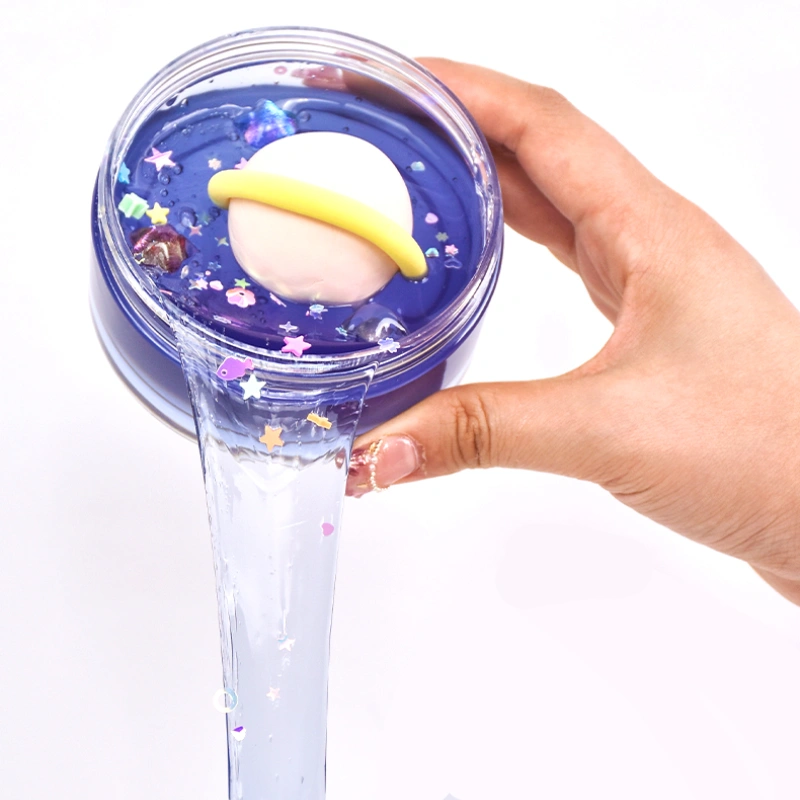
Environmental concerns have become more visible across the toy industry, and slime products are no exception. Consumers increasingly pay attention to packaging materials, waste generation, and product disposal.
Many slime containers are made from plastic, which raises questions about packaging sustainability. In addition, decorative elements such as beads or glitter may contribute to environmental concerns if not disposed of properly.
Manufacturers are exploring different approaches to reduce environmental impact, including improved packaging design and more efficient material use.
While environmental practices vary among products, consumer awareness of sustainability continues to grow throughout the market.
One of the central challenges in slime design is balancing engaging play experiences with appropriate safety measures. Features that increase sensory appeal may also introduce additional considerations.
For example, textured add-ins can create interesting tactile effects, but they may require age-specific warnings if small parts are involved. Similarly, scented products may appeal to some users while raising concerns for others with sensitivities.
Manufacturers must often weigh performance, appearance, and safety at the same time. This requires careful product development and clear communication with consumers.
The most successful products typically achieve a balance between these priorities, providing enjoyable sensory experiences while supporting responsible and safe use.
The large number of slime products available today can make comparisons difficult. However, market trends and consumer feedback reveal several factors that consistently influence product quality. By focusing on texture, safety, durability, and user suitability, parents can make more informed decisions when evaluating slime products.
Texture is often the first feature consumers notice during use. A well-made slime should behave consistently and match the texture described by the manufacturer.
When evaluating texture, it is useful to consider how the slime stretches, compresses, and recovers after handling. Products that tear easily or separate excessively may provide a less predictable experience.
Consumer reviews often offer valuable insight into texture performance. Repeated comments about smoothness, elasticity, or consistency can help identify common strengths and weaknesses.
It is also important to remember that different slime types are designed for different sensory experiences. A cloud-style slime should not be judged by the same standards as a classic stretch slime.
Safety information should be examined before considering appearance or special features. Reliable products typically provide clear labeling and detailed usage guidance.
Consumers should look for age recommendations, warning statements, ingredient information, and storage instructions. These details help users understand how the product should be handled.
Product descriptions that provide transparent safety information often indicate a greater emphasis on responsible manufacturing practices.
If important safety details are missing or difficult to locate, consumers may wish to investigate further before making a purchase.
Age recommendations are based on more than marketing decisions. They often reflect factors such as material properties, developmental readiness, and potential safety concerns.
A product suitable for an older child may not be appropriate for a younger user. Small decorative pieces, complex textures, or advanced handling requirements can influence age suitability.
Parents should view age guidance as a practical tool rather than a strict rule. Individual abilities and maturity levels may vary among children of the same age.
Choosing a product that aligns with a child’s developmental stage generally supports a safer and more enjoyable play experience.
Durability affects both user satisfaction and long-term value. A slime product that maintains its intended texture over time is often viewed more favorably by consumers.
When evaluating durability, it is useful to review information related to moisture retention, storage requirements, and expected product lifespan. Consumer feedback can also provide clues about long-term performance.
Maintenance requirements should not be overlooked. Some products require careful storage to preserve texture, while others may tolerate more frequent handling and environmental changes.
Products with clear care instructions often help users maintain quality more effectively between play sessions.
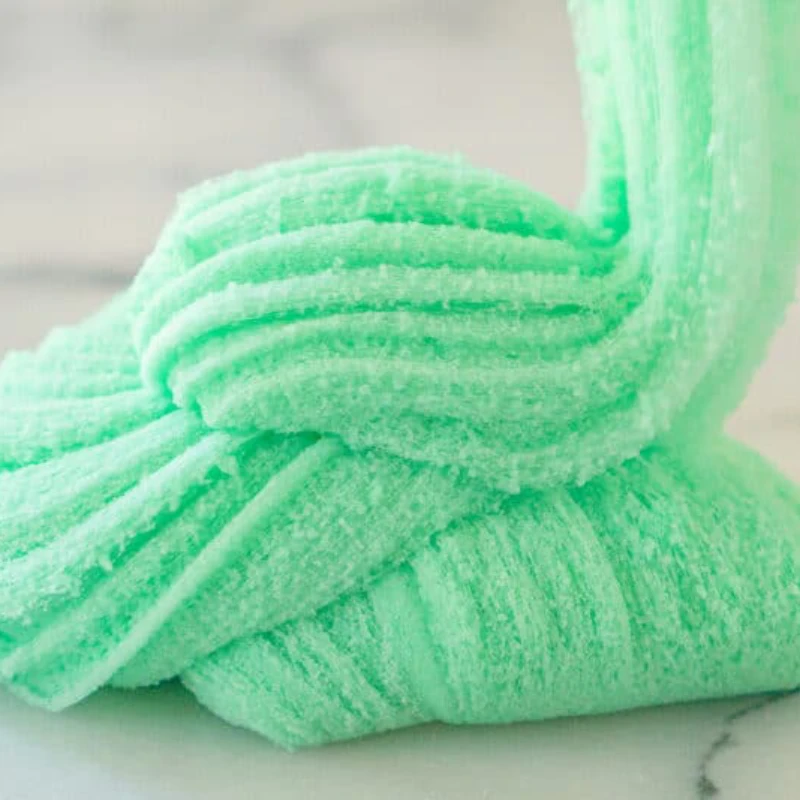
Not all children enjoy the same sensory experiences. Some prefer highly stretchable slime, while others are more interested in soft, airy, or textured formulations.
Understanding a child’s preferences can help narrow the selection process. Observing how they interact with different materials often provides useful clues about what they enjoy most.
Visual preferences may also play a role. Some children are drawn to transparent slime, while others prefer colorful or textured designs.
The goal is not to find a universally “best” slime but to identify a product whose characteristics align with the child’s interests, developmental level, and intended style of play.
The popularity of best-selling slime products on Amazon reflects more than a passing toy trend. Market data and consumer preferences show that texture quality, safety, durability, and sensory engagement are the factors that matter most. Different slime types offer different experiences, making it important to consider a child’s age, interests, and developmental needs.
By understanding these market patterns and product characteristics, parents can make more informed choices and better evaluate the growing variety of slime products available today.
Compare slime jars, tubs, cups, and custom containers to find the right packaging for your product, budget, target market, and shipping needs.

Learn how glitter, beads, and charms enhance slime products through visual appeal, tactile variety, themed play, and better product differentiation.

Learn the key steps behind a successful slime launch, from product development and sampling to safety compliance, packaging, and production.
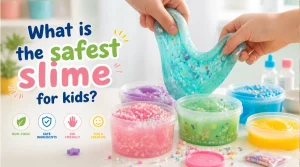
Explore what makes slime safe for children and learn simple ways to support fun, responsible, and healthy sensory play at home or school.