
Slime Packaging Guide: Jars, Tubs, Cups, and Custom Containers
Compare slime jars, tubs, cups, and custom containers to find the right packaging for your product, budget, target market, and shipping needs.

Slime is a popular sensory toy because children can stretch, squeeze, and shape it in many ways. However, safety depends on more than how fun the slime feels. A safe slime should be made with suitable materials, have clear safety information, and match the child’s age and play habits.
Most slime products contain several basic parts: a polymer material that creates the stretchy texture, water, color additives, and other ingredients that control softness or thickness. The exact formula can vary, so it is important to check product information and safety instructions before use.
The safety of slime depends on both the materials and how they are used. For example, slime should be designed for children’s play, with materials that meet toy safety requirements. It should also be free from unsuitable substances that may cause skin discomfort or other health concerns when used as directed.
Parents should pay attention to details such as age labels, warnings, and storage instructions. Slime is not a food item, so children should avoid putting it in their mouths. Hands should be washed before and after play, especially for younger children.
Children explore the world through touch, and sensory toys often involve repeated handling. Because of this, slime safety requires more attention than ordinary toys. Young children may touch their face, rub their eyes, or accidentally put objects in their mouths during play.
Another important factor is individual sensitivity. Some children may have sensitive skin or may react to certain materials, fragrances, or color additives. If a child shows signs of irritation, such as redness, itching, or discomfort, play should stop and the slime should be removed.
Safety also depends on supervision. Younger children usually need closer guidance because they may not understand basic hygiene rules. Older children can often follow safety instructions better, but they still need reminders about proper use and storage.

Sensory play focuses on experiences such as texture, movement, and creative exploration. Slime can provide these experiences through squeezing, stretching, and molding. However, a positive sensory experience does not mean that all slime use is risk-free.
Potential risks usually come from unsafe materials, poor hygiene, improper use, or ignoring age recommendations. For example, playing with dirty hands or leaving slime exposed for a long time may affect cleanliness. Using slime correctly helps reduce these concerns.
The key is to balance enjoyment with safety awareness. Safe slime play means choosing suitable products, following instructions, supervising when needed, and teaching children good habits. Sensory play should be both engaging and responsible.
Choosing a safe slime for children requires looking beyond color, texture, or appearance. Safety depends on several factors, including the materials used, product information, physical properties, and how the slime fits a child’s age and play style. A careful evaluation can help reduce avoidable risks and create a better sensory play experience.
The materials used in slime are one of the most important safety factors. A suitable children’s slime should have clear product information, including basic material details, age recommendations, and safety instructions. Transparent information helps parents understand what children may come into contact with during play.
Ingredient transparency does not mean that every formula must be simple. Instead, it means the product should provide reliable safety information and follow relevant toy safety requirements. Materials used in children’s toys are usually evaluated for risks such as chemical exposure, skin contact, and accidental misuse.
It is also important to consider a child’s personal needs. Some children may have sensitive skin or allergies. If irritation appears after playing with slime, it is better to stop use and check with a healthcare professional when needed.
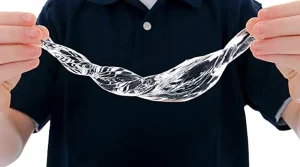
The texture of slime affects how safely children can play with it. Slime that is too sticky may be difficult to handle and may leave more residue on hands and surfaces. Slime that is too firm may not provide the expected sensory experience and could be less suitable for younger children.
Age recommendations are another key point. Younger children often need softer supervision because they may not understand that slime is not a toy for eating or touching the face. Older children usually have better control but should still follow basic safety rules.
A suitable slime should match the child’s developmental stage. Parents and educators should consider factors such as hand control, attention level, and understanding of safety instructions instead of choosing based only on appearance or popularity.
Because slime is handled directly with hands, hygiene is an important part of safe use. Children should wash their hands before and after playing. Clean hands help prevent dirt, bacteria, and other unwanted materials from getting into the slime.
Slime should also be stored properly after use. Keeping it in a clean, closed container can help prevent contamination and maintain its condition. Children should avoid sharing slime between many users unless proper hygiene steps are followed.
In addition, slime should be checked regularly. If it changes smell, color, texture, or shows signs of contamination, it should no longer be used. Regular cleaning habits help make sensory play safer and more enjoyable.
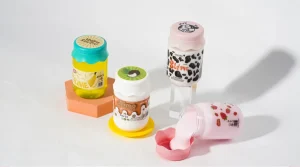
Understanding what is inside slime can help parents and educators make safer choices. Slime formulas can be different, but most include materials that create stretch, softness, color, or a specific texture. While many children’s slimes are designed for safe play, it is still important to understand possible concerns related to ingredients and use.
Slime usually contains a base material that creates its stretchy structure. Many formulas use a polymer, which is a type of long-chain material that can change texture when combined with other ingredients. This structure gives slime its unique ability to stretch, flow, and hold shapes.
Water is often added to control softness and movement. Color additives may be used to create different appearances, while other ingredients can affect thickness, elasticity, or stability. Each ingredient has a specific purpose, but safety depends on using suitable materials in appropriate amounts.
It is also important to remember that a child’s slime is a toy, not a craft material or food product. Even when ingredients are considered suitable for play, children should follow the instructions and avoid behaviors such as tasting or swallowing slime.
Some ingredients used in slime may cause discomfort for certain children, especially those with sensitive skin. Possible concerns can come from additives such as fragrances, colorants, or other components that may not be suitable for every child.
The risk of irritation can depend on factors such as the child’s skin condition, the length of contact, and how often the slime is used. If a child experiences discomfort during or after play, the slime should be removed, and the affected area should be cleaned with water.
Parents should also pay attention to product information and safety notices. Clear instructions about materials, age limits, and proper use can help reduce unnecessary exposure and support safer play habits.
Children’s skin can react differently to the same material. Some children may develop redness, dryness, itching, or other signs of irritation after touching certain substances. This does not always mean the slime is unsafe for everyone, but it may indicate that the child should avoid that product.
Before longer play sessions, adults can observe how a child responds during normal use. If any unusual skin reaction appears, stop the activity and clean the skin. For ongoing or serious reactions, medical advice should be considered.
Good hygiene also matters for skin comfort. Dirty hands, leftover materials, or poor storage conditions may increase the chance of skin problems during play.
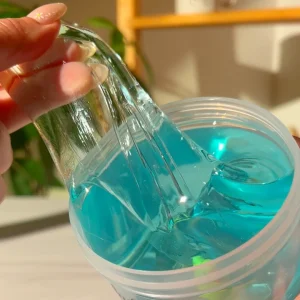
Slime should always be kept away from the eyes and mouth. Young children may explore objects by touching or tasting them, so adult supervision is especially important for children who are still developing these habits.
If slime accidentally gets into the eyes, the area should be rinsed with clean water. If a child accidentally puts slime in their mouth, remove it and check for any signs of discomfort. Seek medical guidance if there are concerns about swallowing or unusual symptoms.
Teaching children simple rules, such as “slime stays in hands, not in mouths,” can help create safer play routines. Clear guidance allows children to enjoy sensory play while understanding basic safety boundaries.
Children at different ages have different abilities to understand instructions, control their movements, and manage safety risks. Therefore, the suitability of slime play depends not only on the slime itself but also on a child’s development stage. Age guidelines can help adults choose suitable activities and provide the right level of support during play.
Toddlers and younger preschool children often explore objects through touch and mouth. Because of this, slime play requires careful supervision at this stage. Children may not fully understand that slime is not edible, and they may accidentally touch their eyes or face during play.
For younger children, adults should choose age-appropriate slime activities and stay nearby during use. It is also important to teach simple rules, such as keeping slime away from the mouth and washing hands after play.
Preschool children may enjoy squeezing, stretching, and shaping slime as part of sensory play. However, their ability to follow safety instructions can vary greatly. Parents and educators should consider each child’s behavior, attention level, and understanding rather than relying only on age numbers.

School-age children usually have better hand control and a stronger understanding of safety rules. They can often play with slime more independently, while still following basic instructions about hygiene, storage, and proper use.
At this stage, children may explore slime in more creative ways, such as using it for sensory activities or simple science-based learning. Adults can encourage safe habits by explaining why slime should not be eaten, shared without cleaning, or left in unsuitable places.
Although older children need less direct supervision, safety checks are still useful. Adults should make sure children use slime as intended and recognize signs that the slime should be discarded, such as changes in smell, appearance, or texture.
Supervision needs usually decrease as children grow older and develop better judgment. Younger children often need constant guidance because they may not recognize risks or remember safety rules during play.
For preschool children, adults can use close supervision and simple reminders. This may include watching how the child handles the slime and helping with cleaning routines. The goal is to guide safe habits while allowing children to explore.
Older children may only need occasional reminders, but supervision should still match the child’s maturity level. Age is only one factor; attention skills, personal habits, and previous experience with sensory toys also affect how much guidance is needed.
When choosing slime for children, quality and safety information are more important than appearance or extra features. A safer slime product should provide clear details about its intended use, age range, and safety guidance. Learning how to read product information and understand safety standards can help parents make more informed decisions.
Product labels provide important information about how slime should be used. Parents should check details such as the recommended age range, warnings, storage instructions, and manufacturer information. Clear labels show that the product has been designed with children’s use in mind.
Age labels are especially important because they are based on safety considerations, not only on play difficulty. A product made for older children may include features that are not suitable for younger children who still need more supervision.
It is also useful to look for instructions about cleaning, storage, and proper handling. Good product information helps adults understand how to reduce risks during daily play and how to keep the slime in a suitable condition.

Children’s toys are often evaluated according to safety standards that check possible risks during normal use. These standards may include tests related to materials, physical safety, and chemical requirements. The exact requirements can vary depending on the country or region where the product is sold.
Compliance testing does not mean that a toy can never cause a problem. Instead, it means the product has been assessed against specific safety requirements. Parents should still follow usage instructions and consider their child’s individual needs.
Safety testing for children’s toys usually focuses on several areas. Chemical evaluations may check whether materials contain restricted substances above allowed limits. Physical tests may examine issues such as durability, small parts, or other possible hazards during normal play.
Testing may also review whether the product matches its age recommendation and whether safety instructions are clear. For slime, evaluations can include concerns related to material composition, handling, and potential exposure during play.
A safety mark or test result should be viewed as one part of the decision-making process. Adults should combine this information with careful use, proper storage, and attention to the child’s behavior to create a safer sensory play environment.
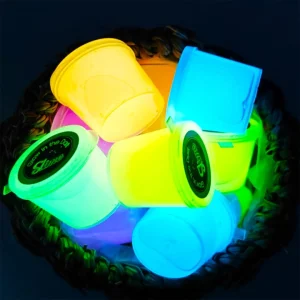
Safe slime play depends not only on choosing a suitable product but also on daily handling habits. Because slime is a hands-on sensory toy, cleanliness, storage, and regular checks are important parts of safe use. Simple routines can help children enjoy slime while reducing common problems caused by poor handling.
Washing hands before and after playing with slime is one of the easiest safety steps. Clean hands help prevent dirt, food particles, and other unwanted materials from getting into the slime during use.
Before play, children should wash and dry their hands. This helps keep the slime cleaner and also creates a good habit for other sensory activities. After play, children should wash their hands again to remove any remaining materials from their skin.
Adults should also encourage children to avoid touching their eyes, nose, or mouth while handling slime. These simple hygiene rules are especially important for younger children who are still learning safe play habits.
Proper storage helps maintain slime quality and reduces contamination risks. After each use, slime should be placed in a clean, closed container to prevent exposure to dust, dirt, or other materials.
Children should avoid placing slime on dirty surfaces, floors, or areas where it may collect unwanted particles. It is also better to use clean tools or accessories when playing with slime to keep the material in good condition.
Handling habits also matter. Slime should be used only as a toy and should not be mixed with food, household materials, or other unknown substances. Following basic instructions helps create a safer play environment.
Slime does not last forever, even when it is stored properly. Over time, changes in texture, smell, or appearance may show that the slime is no longer suitable for play.
Signs that slime should be replaced may include an unusual odor, visible dirt, mold growth, or a major change in texture. If the slime becomes contaminated or is used in an unsafe way, it is better to stop using it.
Parents and educators should also check slime regularly, especially when it is used by multiple children. A quick inspection before play can help identify possible problems and prevent unnecessary contact with unsuitable materials.
Teaching children to notice these changes can also support their safety awareness. Learning when a toy is no longer safe is an important part of responsible play.

Many people make safety judgments about slime based on appearance, texture, or simple labels. However, these factors do not always show the real safety level of a product.
The word “natural” is often associated with safety, but it does not automatically mean a material is better or more suitable for children. Safety depends on how a material is tested, how it is used, and whether it meets appropriate safety requirements.
Some natural substances can still cause skin irritation or allergic reactions in certain people. On the other hand, some carefully evaluated synthetic materials can be suitable for children’s toys when they are used correctly.
Therefore, parents should not choose slime only because it is described as “natural.” It is more important to look at reliable safety information, age guidance, and proper use instructions.
A soft texture may feel comfortable and easy to handle, but softness alone does not determine safety. A slime’s safety depends on its materials, design, and how children use it.
For example, a very soft slime may still require proper hygiene and supervision, especially for younger children. Children may be more likely to touch their faces or accidentally misuse the slime if they are not reminded about safety rules.
The best choice is a slime texture that matches the child’s age and ability. Texture is an important play feature, but it should be considered together with other safety factors.
Bright colors and scents can make slime look more attractive, but they do not automatically make the play experience better or safer. These features are mainly related to appearance and sensory preference.
Additional elements, such as fragrances or decorative materials, may not be suitable for every child. Some children may be more sensitive to certain additives, so adults should consider individual needs when selecting sensory toys.
A good sensory experience comes from safe and appropriate play, not simply from having more visual or sensory features. Simple, well-designed slime with proper use guidelines can still provide meaningful play opportunities.

Sensory play with slime can be a safe activity when adults provide the right environment and guidance. The goal is not to remove all risks but to understand children’s needs, set clear boundaries, and encourage responsible play habits. A thoughtful approach helps children explore textures while learning basic safety awareness.
Children at different developmental stages have different abilities and interests. When planning slime activities, parents and educators should consider factors such as age, hand control, attention span, and understanding of safety rules.
For younger children, simple activities with close supervision are usually more suitable. Adults can focus on basic actions like touching, squeezing, and shaping while helping children follow simple instructions. Activities should be easy to understand and match the child’s current skills.
Older children may be ready for more creative or structured activities. They can explore different textures, practice problem-solving, or use slime as part of learning activities. However, the activity should still include clear safety rules and proper handling.
Sensory play encourages children to explore through touch and movement, but safety awareness should always be part of the experience. Adults can guide children to understand that slime is a play material, not something to eat or use in unsafe ways.
Instead of giving only warnings, adults can explain simple reasons behind safety rules. For example, children can learn that washing hands helps keep both their hands and toys cleaner. This approach helps children understand safety rather than simply follow instructions.

A balanced sensory activity allows children to explore freely within clear limits. The purpose is to create a safe space where children can enjoy the experience while developing responsible habits.
Good habits are usually developed through repeated practice and adult support. Parents and educators can create simple routines, such as preparing a clean play area, washing hands before and after use, and storing slime properly after activities.
Children learn safety behaviors by observing adults and receiving consistent reminders. When adults follow the same rules, children are more likely to understand that these habits are part of normal play.
Over time, children can become more independent in managing their sensory play. With proper guidance, they can learn how to handle materials carefully, recognize basic risks, and take responsibility for their own play environment.
Choosing safe slime for children is not only about finding a product with an attractive color or interesting texture. Safety comes from understanding materials, considering a child’s age and needs, and following proper play habits. With the right knowledge, parents and educators can support sensory play while reducing avoidable risks.
Making an informed choice means looking at several factors instead of focusing on one feature. Material information, age recommendations, hygiene instructions, and the child’s development level all play a role in creating a safer play experience.
Sensory toys are designed to encourage exploration, but safe use requires awareness. Adults should understand how the toy is intended to be used and help children develop good habits during play.
A careful approach does not remove the fun from sensory activities. Instead, it helps children explore with better guidance and allows adults to make decisions based on reliable information rather than assumptions.
Safe slime play comes from a combination of suitable materials, responsible handling, and proper supervision. When children learn simple safety rules, they can enjoy sensory activities while developing awareness of how to care for their toys and themselves.
Parents and educators can support this process by creating clean play spaces, teaching good hygiene, and choosing activities that match children’s abilities. Small daily habits can make a meaningful difference in safer play.
Ultimately, the safest slime is not defined only by its texture or appearance. It is slime that is appropriate for the child, used correctly, and supported by thoughtful safety practices. Sensory play works best when curiosity and safety go together.
Read More >> Best-Selling Slime Products on Amazon: What We Learn
Compare slime jars, tubs, cups, and custom containers to find the right packaging for your product, budget, target market, and shipping needs.

Learn how glitter, beads, and charms enhance slime products through visual appeal, tactile variety, themed play, and better product differentiation.

Learn the key steps behind a successful slime launch, from product development and sampling to safety compliance, packaging, and production.

Explore the key traits behind best-selling slime products on Amazon, from texture and safety to developmental value and consumer demand.