
Slime Packaging Guide: Jars, Tubs, Cups, and Custom Containers
Compare slime jars, tubs, cups, and custom containers to find the right packaging for your product, budget, target market, and shipping needs.
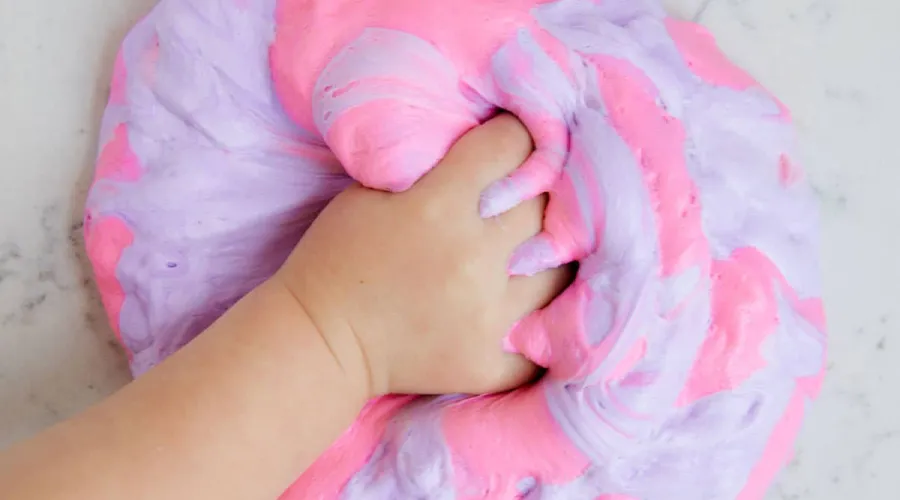
Creative toys are changing fast. In 2026, many children spend more time with tactile and sensory play than with fixed-rule toys. Slime, clay, and sensory tools now appear in homes, classrooms, and therapy spaces. This shift reflects new research on attention, stress, and hands-on learning during early development.
Sensory toys are no longer a small niche in child development. In 2026, they are part of daily learning and play routines in many homes and schools. Experts link this rise to growing concern about screen time, attention challenges, and reduced physical interaction during childhood.
Sensory play involves activities that stimulate touch, movement, sound, sight, or balance. Slime, clay, textured sand, and soft compounds are common examples. These materials help children explore the world through direct physical action.
Developmental researchers often connect sensory play with motor control, spatial awareness, and early problem-solving. Children learn by testing pressure, shape, resistance, and movement. The process looks simple, but the brain is busy during these tasks.

The brain develops through repeated sensory input. When children squeeze clay or stretch slime, nerves in the hands send signals that help build sensory pathways. These pathways support coordination and body awareness.
Movement also matters. Rolling, pressing, and pulling actions activate both fine motor control and hand-eye coordination. Over time, children become more precise in how they use force and motion.
Hands-on play keeps children physically involved in a task. Unlike passive viewing, sensory activities require constant action and adjustment. This active process may help children stay engaged for longer periods.
Some educators use short sensory activities before reading or math lessons. Tactile play can help certain students settle into a calmer and more focused state before academic work begins.
Many adults now look for toys that support both play and development. Sensory toys are often flexible, reusable, and easy to adapt for different ages. That makes them useful in homes, classrooms, and therapy settings.
There is also greater awareness of stress and emotional overload in children. Quiet tactile activities can provide structured sensory input without loud sounds or fast digital stimulation. For many families, that balance feels important.
Screen-based entertainment still plays a large role in childhood, but many parents now want more physical interaction during playtime. Sensory toys offer direct engagement through touch, movement, and experimentation.
Unlike videos or mobile apps, slime and clay react differently every time. Children control the pace, texture, and outcome themselves. This creates a more active form of attention and exploration.
Modern sensory toys focus on safety, flexibility, and open-ended use. Designers now pay closer attention to texture variety, easy cleanup, and age-appropriate interaction. The goal is not just entertainment. It is sustained engagement.
Many sensory products also avoid overly complex rules. Children are encouraged to test, shape, mix, and explore materials freely. This supports creativity without forcing one “correct” result.
Safety standards for children’s toys continue to improve in many countries. Parents now pay closer attention to labels related to skin safety, chemical testing, and non-toxic ingredients.
Manufacturers are also reducing strong odors and harsh additives in sensory compounds. This matters because younger children often handle these materials for long periods with direct skin contact.
Many 2026 sensory toys combine soft, rough, stretchy, smooth, or crunchy textures in one product. These mixed sensations create more varied sensory feedback during play.
Some toys also include light sound, color change, or temperature response. These features increase sensory input without making the experience overly stimulating.
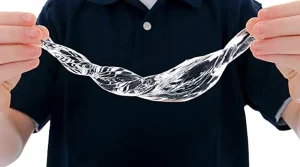
Open-ended toys allow children to decide how play develops. A piece of clay can become an animal, a structure, or a simple shape experiment. There is no fixed script.
This type of play supports flexible thinking and creativity. It also lowers performance pressure because children are free to explore without strict rules or scoring systems.
Slime remains one of the most recognized sensory toys in 2026, but its role has changed. It is no longer treated as only a short-term trend. Educators, therapists, and parents now use slime as a tool for tactile learning, motor practice, and sensory exploration.
Early slime products focused mostly on novelty. Bright colors and unusual textures attracted attention online. Over time, however, researchers and educators noticed how slime activities supported touch-based learning and repeated hand movement.
Today, slime appears in some classroom sensory stations and occupational therapy settings. Children use it during short focus breaks, texture comparison tasks, or calm-down periods. The material is simple, but its uses have expanded.
Slime also works well for open-ended play. Children can stretch, twist, fold, or press it without fixed instructions. This freedom allows experimentation and supports curiosity through direct physical interaction.
Texture variety is one of the biggest slime trends in 2026. Children often choose slime based on feel rather than color alone. Different textures create different sensory responses and play styles.
Manufacturers now design slime with more controlled density, resistance, and sound effects. These small changes affect how children interact with the material and how long they stay engaged.
Cloud slime has a light and airy texture. It stretches slowly and forms soft layers when pulled apart. Many children prefer it because it feels less sticky and easier to handle.
Soft stretch slime also creates steady resistance during play. This repeated pulling motion supports hand movement and tactile feedback without requiring complex actions.
Crunchy slime includes foam beads, small pellets, or textured particles. These additions create sound and pressure changes during squeezing and folding.
Some children enjoy the extra sensory input, while others may find it too intense. Texture preference often depends on individual sensory tolerance and age.

Some 2026 slime products change color through heat or touch. Others react to room temperature or sunlight. These effects add a simple science element to play.
Children often become curious about why the material changes appearance. This can lead to basic discussions about heat, light, and chemical reactions in an accessible way.
Slime play combines movement, observation, and sensory response. Although it looks casual, children often practice coordination and testing skills while handling the material.
Researchers in child development note that tactile play supports active learning because children receive immediate physical feedback from their actions. Slime responds instantly to pressure, speed, and force.
Stretching and squeezing slime activates small muscles in the fingers and hands. These movements support grip control and finger coordination over time.
Children also practice bilateral coordination when using both hands together during pulling, folding, or shaping tasks. These actions are later connected to writing and tool use.
Slime changes shape easily, which encourages children to test movement and pressure. They often compare textures, speeds, and reactions without formal instruction.
This type of exploration supports basic scientific thinking. Children observe outcomes, make adjustments, and predict how the material will behave next.
Repeated tactile actions may help some children settle their attention and reduce mental overload. Slow stretching or rhythmic squeezing creates predictable sensory feedback.
However, responses vary between children. Some may find slime calming, while others dislike sticky textures or strong smells. Sensory tools work best when matched to individual comfort levels.
As slime products become more advanced, safety remains important. Children often handle slime for long periods, so material quality and hygiene standards matter.
Experts recommend supervision for younger children and careful review of product labels. Not all sensory products are designed for every age group.
Some slime types contain small beads or decorative pieces that may create choking risks for younger children. Age recommendations should always be checked before use.
Younger children may also place slime near the mouth or eyes during play. Adult supervision helps reduce accidental misuse.
Parents increasingly look for clear ingredient information and non-toxic testing labels. This is especially important for children with sensitive skin or allergies.
Strong fragrances and certain additives may irritate some users. Simpler formulas are often better for extended tactile play.
Slime should be stored in sealed containers to reduce drying and contamination. Dirty or damaged slime should be replaced rather than reused for long periods.
Children should also wash hands before and after slime play. Good hygiene reduces the spread of bacteria and helps keep sensory materials safe for repeated use.

Clay and dough toys continue to evolve in 2026. While the basic idea remains the same, newer materials now focus more on sensory comfort, skill development, and flexible play. These toys are widely used in both learning and recreational settings.
Modeling clay has stayed popular for decades because it combines touch, movement, and creativity in one activity. Children can shape, flatten, roll, or connect pieces without strict rules.
Unlike many digital games, clay responds directly to hand pressure and movement. This physical feedback supports active learning and gives children more control over the pace of play.
Clay also works across many age groups. Younger children explore texture and shape, while older kids build detailed figures or simple structures. The material grows with the child instead of becoming outdated quickly.
Modern clay products now focus more on texture quality, flexibility, and easier handling. Manufacturers are improving softness, reducing dryness, and creating more stable materials for long play sessions.
Some products also include sensory elements such as light texture changes or stretch resistance. These features increase tactile variety without making play too complicated.
Air-dry clay in 2026 feels smoother and cracks less during shaping. Earlier versions often dried unevenly or became too stiff after short use.
Improved formulas now allow children to work longer before the material hardens. This supports more detailed building and reduces frustration during creative tasks.
Younger children often lack strong hand muscles, so softer clay materials are becoming more common. These products require less force to press or shape.
Easy-mold textures also help children practice basic hand movements without strain. This makes clay activities more accessible during early developmental stages.
Some clay products now include textured particles, soft resistance, or temperature-sensitive effects. These additions create more varied tactile experiences during play.
Children often compare textures by squeezing, rolling, or stretching the material. This encourages sensory exploration through direct physical interaction.
Clay play supports multiple developmental systems at the same time. Children use hand control, visual planning, and sensory feedback together during shaping activities.
Because clay changes instantly with movement, children receive immediate results from their actions. This helps strengthen coordination and adaptive thinking over time.
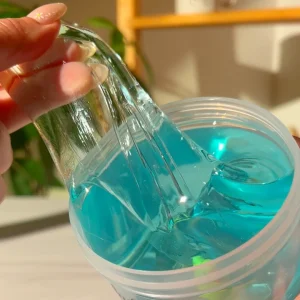
Pressing, pinching, and rolling clay activates small muscles in the hands and fingers. These repeated actions support grip strength and controlled movement.
Occupational therapists often use clay-based tasks to help children practice fine motor coordination. Stronger hand control later supports writing and tool use.
Clay allows children to build objects from their own ideas. A simple shape can become an animal, vehicle, or imaginary character within minutes.
This open-ended structure supports storytelling and symbolic thinking. Children often create small scenes or invent situations while shaping figures.
Clay projects take time and adjustment. If a structure collapses or a shape looks wrong, children must change their approach and try again.
This process encourages persistence and flexible thinking. Children learn that small changes in pressure, balance, or design can affect the final result.
Mess control has become a major focus in modern clay products. Parents and teachers often prefer materials that separate cleanly from surfaces and resist staining.
Many 2026 dough and clay products now dry more slowly on tables but clean up more easily with water or light wiping. This reduces stress during group activities and makes sensory play easier to manage in daily routines.
Emotional regulation toys are becoming more common in 2026. Many children now face busy schedules, strong digital stimulation, and reduced quiet play time. Because of this, parents and educators are paying closer attention to toys that support calm and focus through sensory interaction.
Children today experience more structured routines and constant media input than in the past. Some experts believe this increases mental fatigue and sensory overload in certain environments.
As a result, many families now look for toys that encourage slower and more controlled play. Calm-down toys are not medical tools, but they can support relaxation during transitions, study periods, or quiet time.
Schools are also becoming more aware of emotional regulation during learning. Short sensory breaks are now used in some classrooms to help students reset attention before academic tasks.
Many sensory toys are designed around repeated physical actions. Squeezing, stretching, rolling, or pressing creates predictable sensory feedback that some children find calming.
Unlike fast digital entertainment, these activities usually happen at a slower pace. Children control the speed, pressure, and rhythm themselves, which creates a more stable sensory experience.

Repeated hand movements activate touch and movement systems in the body. Slow stretching or squeezing can help some children focus on physical sensation instead of outside distractions.
This does not work the same way for every child. However, occupational therapists often note that predictable tactile input may support self-regulation in certain situations.
Many calm-down toys avoid loud sounds, flashing lights, or competitive goals. Instead, they focus on soft textures and quiet interaction.
These toys are often used during reading time, travel, or transition periods. The goal is not constant stimulation, but controlled sensory engagement.
Some children become overwhelmed by noise, crowded spaces, or rapid changes in activity. Sensory play can provide a more controlled environment where physical input feels predictable.
Stretching slime, pressing dough, or handling textured objects may help redirect attention during stressful moments. The body focuses on movement and touch, which can lower sensory overload for some children.
Experts also warn that sensory preferences differ widely. One child may enjoy soft textures, while another dislikes sticky or rough materials. Observation and flexibility are important during sensory activities.
Sensory toys now appear more often in schools, counseling offices, and therapy programs. Teachers may use them during short breaks or independent work periods to support attention management.
Occupational therapists also use tactile materials to help children practice motor planning, sensory tolerance, and emotional regulation skills. Activities are usually guided and matched to each child’s needs.
In many settings, sensory toys are treated as supportive tools rather than rewards or distractions. When used carefully, they can become part of a structured and balanced learning environment.
Creative sensory toys are now connected more closely with STEM learning in 2026. Schools and parents increasingly use tactile activities to introduce basic science, engineering, and problem-solving concepts. These activities are simple, but they encourage active observation and experimentation.
Many STEM activities now include physical interaction instead of only worksheets or screens. Slime, clay, and textured materials allow children to test ideas through direct movement and touch.
For example, children may compare stretch levels, measure shapes, or test how materials react under pressure. These tasks introduce scientific thinking in a natural and low-pressure way.
Educators also use sensory play to support early engineering skills. Building stable clay structures or shaping balanced forms helps children understand weight, support, and design through trial and error.

Sensory materials change shape easily, so children can quickly observe results from their actions. This immediate feedback supports curiosity and repeated testing.
Instead of memorizing facts, children learn through interaction. They ask simple questions, make predictions, and adjust their approach based on what happens during play.
Slime reacts differently depending on speed, pressure, and temperature. Children often notice that slow stretching feels different from fast pulling.
These small observations help develop cause-and-effect thinking. Children begin to connect actions with physical changes in the material.
Clay activities help children understand size, balance, and three-dimensional form. Rolling, stacking, and shaping objects supports spatial awareness during play.
Children also learn how parts connect together. If a clay structure falls apart, they often change the base or adjust the weight distribution to improve stability.
Open-ended sensory play allows children to create without fixed outcomes. A child may design a model, invent a story, or test a new shape using the same material.
This flexibility supports creative thinking because there is no single “correct” result. Children make choices, solve small problems, and explore ideas independently.
Researchers in education often link open-ended play with stronger adaptive thinking skills. Children learn how to respond when plans change or experiments fail.
Hands-on activities involve movement, touch, and visual feedback at the same time. This multi-sensory process often keeps children more engaged than passive learning methods.
Studies in cognitive science suggest that active participation improves memory formation because children connect information with physical action. They do not only watch or listen. They interact directly with the learning process.
Sensory play also encourages repetition without feeling repetitive. Children may repeat the same action many times while testing new ideas, textures, or structures. This repeated exploration helps strengthen understanding over time.
Sensory play changes as children grow. In 2026, toy designers are creating more age-specific sensory products that match different motor skills, attention levels, and learning needs. The same material may be used in very different ways across age groups.
Toddlers learn mainly through direct physical interaction. At this stage, sensory toys focus on simple movement, texture exploration, and safe handling rather than detailed creativity.
Most toddler sensory products use soft materials, large shapes, and slow sensory feedback. The goal is to support early coordination and basic sensory awareness without overstimulation.
Large-texture toys are easier for toddlers to grip, press, and move. Thick dough, soft foam textures, and oversized sensory pieces are common in this age group.
Simple actions such as squeezing or stacking help toddlers practice hand control and body coordination during play.
Toddlers often explore materials through repeated touching and movement. Because young children still place objects near the mouth, safety standards are especially important.
Most toddler sensory toys now use non-toxic formulas, reduced fragrances, and easy-clean surfaces to lower risk during daily use.
Preschool children usually want more imaginative play. They begin using slime and clay to create animals, pretend food, or simple story scenes.
At this stage, children also become more curious about texture changes and color mixing. Sensory play starts to combine creativity with early learning and experimentation.
Many preschool toys now include tools for cutting, shaping, or stamping. These features help children practice fine motor control while keeping play open-ended.

Older children often prefer sensory activities with more challenge and customization. They look for materials that can change shape, react differently, or support more detailed projects.
In 2026, advanced sensory toys often combine tactile play with puzzles, design tasks, or simple STEM concepts. The play becomes more goal-focused but still creative.
Many school-age children enjoy mixing textures, layering colors, or adjusting slime density during play. These features create a feeling of customization without requiring homemade production.
Children also like choosing tools, shapes, and add-on textures that change how the material behaves during use.
Some sensory toys now include balance tasks, shape-matching systems, or structure-building challenges. These activities combine tactile feedback with problem-solving.
Children must adjust pressure, placement, or movement to complete the task successfully. This supports both focus and adaptive thinking.
Teen sensory products in 2026 often focus more on stress management and desk-based interaction than traditional toy play. Soft compounds, textured objects, and quiet fidget tools are especially common.
Many teenagers use sensory materials during study sessions, travel, or screen breaks. The purpose is often relaxation, focus, or simple tactile stimulation rather than imaginative storytelling.
Design style also matters more for this age group. Teen sensory products usually use cleaner colors, smoother textures, and more compact forms that fit easily into daily routines.
Creative sensory toys are often used in shared spaces rather than solo play only. In 2026, many families and educators value toys that support cooperation, discussion, and group interaction. Slime, clay, and sensory activities naturally encourage children to observe and respond to others during play.
Many sensory activities work well in pairs or small groups. Children may build clay structures together, compare slime textures, or solve tactile challenges as a team.
This type of play encourages cooperation because children must share tools, space, and ideas. They learn how to adjust their actions based on what others are doing during the activity.
Group sensory play also supports flexible thinking. One child may suggest a new shape or solution, while another changes the design through experimentation. The process becomes collaborative instead of competitive.
Sensory play often creates natural conversation between children. They describe textures, explain ideas, or ask questions while working with materials.
These small interactions help develop communication skills in a low-pressure setting. Children practice taking turns, listening, and responding during shared activities.
In some educational settings, teachers use sensory tasks to support social interaction among quieter students. Physical materials can make conversation feel easier because attention is shared between people and objects.
Many families now use sensory play during quiet evenings or screen-free time. Clay modeling or slime activities create simple opportunities for shared attention without requiring complicated rules.
Unlike competitive games, sensory activities usually move at a slower pace. Parents and children can talk casually while shaping, stretching, or building together.
These activities also allow different age groups to participate at the same time. Younger children focus on texture and movement, while older children work on design or structure ideas.
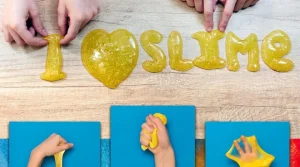
Sensory toys are increasingly common in classrooms, after-school programs, and therapy groups. Teachers often use tactile activities during collaborative learning periods or transition times.
Group sensory tasks can support cooperation and observation skills. Children watch how others solve problems, test materials, or organize ideas during shared projects.
Educators also note that sensory materials can help reduce social pressure in some group settings. When children focus on a physical task together, interaction often feels more natural and less forced.
Creative sensory toys in 2026 show a clear shift toward hands-on learning, emotional balance, and shared play. Slime, clay, and tactile tools are not just entertainment, but part of how children explore, communicate, and focus. As play becomes more sensory and less passive, it reflects a steady return to physical experience in a digital world.
Compare slime jars, tubs, cups, and custom containers to find the right packaging for your product, budget, target market, and shipping needs.

Learn how glitter, beads, and charms enhance slime products through visual appeal, tactile variety, themed play, and better product differentiation.

Learn the key steps behind a successful slime launch, from product development and sampling to safety compliance, packaging, and production.

Explore what makes slime safe for children and learn simple ways to support fun, responsible, and healthy sensory play at home or school.