Factory Price vs. Landed Cost: What Toy Buyers Need to Know
Why is the cheapest toy factory not always the best choice? Learn to compare factory prices, shipping fees, import duties, and landed costs.

Choosing between OEM and ODM is one of the first decisions when developing a toy product. This choice affects product design, cost, lead time, intellectual property, and future product updates. Knowing how each model works helps businesses make more informed manufacturing decisions.
Toy manufacturing is different from many other industries. Products must meet safety rules, fit the target age group, and perform as expected during normal use. The manufacturing model influences each step, from product development to compliance testing.
OEM and ODM also shape how a company manages product changes. With OEM, the buyer usually controls the design and specifications. With ODM, the manufacturer provides an existing design that can often be customized within defined limits. This difference affects project planning, cost, and production timelines.
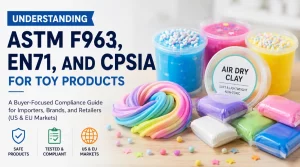
In addition, toy products often require testing under standards such as ASTM F963 in the United States, EN71 in Europe, and CPSIA for children’s products sold in the U.S. The manufacturing model does not replace these requirements, but it can affect how product development and compliance work are organized. (ASTM International, ASTM F963; U.S. Consumer Product Safety Commission, CPSIA; European Committee for Standardization, EN71.)
Read More >> ASTM F963, EN71, and CPSIA for Toy Products
This guide explains the basic concepts of OEM and ODM in a clear and practical way. It compares their workflows, responsibilities, advantages, and limits without treating one model as the better choice for every business.
It also discusses common situations in the educational and sensory toy industry, including products such as air dry clay, playdough, kinetic sand, and slime. The goal is to help importers, distributors, retailers, and product managers understand which model better fits their product plans and business needs.
Finally, the guide reviews key factors such as development cost, production time, intellectual property, customization, and product compliance. These points can serve as a practical checklist before starting a new manufacturing project.
OEM manufacturing is widely used in the toy industry when a company wants to produce products based on its own design. Understanding how OEM works helps businesses choose the right level of control, investment, and technical responsibility before starting production.
An OEM project usually begins after the customer completes the product design or provides detailed requirements. The manufacturer then reviews the design to confirm that it can be produced safely, efficiently, and at the required quality level.
After the review, prototype samples are made for testing and evaluation. Once the samples are approved, the project moves to tooling if needed, material sourcing, pilot production, and finally mass production. Quality inspections are carried out throughout the process.
In most OEM projects, the customer owns the product design and related intellectual property. This may include drawings, formulas, 3D models, packaging artwork, or other technical documents created by or for the customer.
Because the design belongs to the customer, design changes are usually approved by the customer before production continues. This gives the buyer greater control over product features, although it may also increase development time.
OEM production follows the specifications provided by the customer. These specifications may cover product size, color, material, hardness, texture, packaging, labeling, and testing requirements.
For educational and sensory toys, specifications may also include details such as clay softness, slime viscosity, kinetic sand texture, color consistency, or ingredient limits. Clear specifications help reduce production errors and improve consistency between batches.

OEM is commonly used when a company wants to launch a product with unique features or maintain control over product development. This approach is often chosen for new educational toy concepts, exclusive sensory products, or brand-specific product lines.
For example, a customer may develop a new air dry clay formula with a specific drying time or create a playdough set designed for a particular learning activity. The manufacturer then produces the product according to the customer’s technical requirements while following the required safety standards and quality procedures.
OEM is also suitable when products require custom molds, exclusive packaging, or specialized performance targets. However, because every project starts from the customer’s design, development and validation usually take longer than projects based on existing product platforms.
ODM manufacturing is a common option for companies that want to bring products to market without developing a new design from the beginning. The manufacturer provides an existing product platform, while the buyer selects the features needed for its market.
An ODM project usually starts with the customer reviewing the manufacturer’s existing product range. After selecting a suitable product, both parties discuss the required changes, production quantity, packaging, testing, and delivery schedule.
The manufacturer then prepares customized samples for approval. After the samples meet the agreed requirements, production materials are confirmed, quality checks are arranged, and mass production begins.
The core feature of ODM is that the product design comes from the manufacturer. This may include the product formula, mold design, packaging structure, or production process that has already been developed and verified.
Because these products have often been produced before, the manufacturing process is generally more stable. Existing production experience can also help reduce the number of design changes during development.

Although the basic product is factory-developed, ODM projects usually allow a range of customization options. The exact options depend on the product type and the manufacturer’s production capabilities.
For educational and sensory toys, common changes include color combinations, fragrance, glitter, texture, packaging design, labels, accessories, and product names. Some factories also offer limited adjustments to product formulas or kit configurations while keeping the main production process unchanged.
ODM is widely used for educational and sensory toys that already have proven product designs. This includes products such as air dry clay, playdough, kinetic sand, slime, modeling tool sets, and activity kits that can be adapted for different markets.
For example, a customer may choose an existing playdough formula but request different colors, new educational themes, custom packaging, or multilingual instructions. In another project, a slime product may keep the original formula while using different containers, labels, or accessory combinations.
ODM is often suitable for businesses that need shorter development times or want to test a new product category before investing in a fully custom design. However, the available customization is generally limited to the options supported by the existing product platform.

OEM and ODM are both widely used manufacturing models, but they differ in several important areas. The right choice depends on your product goals, available resources, development timeline, and level of design control. The table below summarizes the main differences.
OEM manufacturing gives businesses greater control over product development, but it also requires more time, resources, and technical involvement. Whether it is the right choice depends on the company’s product strategy and development capabilities rather than on one model being universally better.
OEM is often selected by companies that want to develop products with their own design and technical requirements. Because the product starts from the customer’s concept, the business has more influence over how the final product is developed and manufactured.
The customer decides the product’s specifications, including its structure, materials, appearance, performance, packaging, and other technical details. This makes it easier to develop products that meet specific educational, functional, or market requirements.
Since the product is built from the customer’s own design, it is easier to create features that are different from similar products already on the market. This may include unique product formulas, exclusive molds, specialized accessories, or custom packaging.
In most OEM projects, the customer owns the product design and related intellectual property, according to the manufacturing agreement. This provides a clearer framework for managing original product concepts, technical drawings, and design documents.
OEM projects also involve additional work before production begins. Product design, engineering review, prototype testing, and validation all require time and coordination between the customer and the manufacturer.
New product development often includes engineering work, prototype production, tooling, testing, and several rounds of sample revisions. These activities increase the overall project cost compared with using an existing product design.
Because every product starts with a new design, OEM projects usually require more time before mass production. Design reviews, material selection, performance testing, and compliance evaluation may all extend the project schedule.
The customer is generally responsible for providing complete and accurate product specifications. If design issues are found during development, additional revisions may be needed before production can continue.
ODM manufacturing is designed for businesses that want to launch products based on existing designs. It can simplify product development and shorten project timelines. However, because the design already exists, there are also limits on customization and exclusivity.
ODM allows companies to use products that have already been designed and prepared for production. This reduces the amount of engineering work needed before manufacturing begins and makes project planning more predictable.
Since the basic product design already exists, fewer development steps are required. Sample approval, material confirmation, and production planning can usually begin sooner than in a typical OEM project.
This makes ODM suitable for seasonal products, promotional programs, or businesses that want to respond quickly to market demand.

ODM projects usually require less investment in product design, engineering, and tooling. Businesses mainly pay for product customization, packaging changes, and production rather than creating an entirely new product.
This can make ODM a practical option for companies with limited development budgets or those testing a new product category.
Many ODM products have already completed multiple production runs. As a result, the manufacturing process, material selection, and production workflow are often well established before a new order begins.
This production experience can help reduce development issues and improve consistency during mass production.
Although ODM offers a faster development path, it also provides less control over the original product design. Companies should understand these limits before selecting this manufacturing model.
Because the original design belongs to the manufacturer, similar products may also be supplied to other customers with different branding, unless exclusive agreements are made.
For businesses that rely on unique product features, this may reduce product differentiation in the market.

ODM customization is usually limited to options supported by the existing product platform. Common changes include colors, packaging, labels, accessories, and certain product features.
Major changes to the product structure, mold design, or manufacturing process may not be practical or may require the project to move toward an OEM approach.
When multiple companies use the same product platform, products with similar shapes, functions, or performance may appear in different markets under different brands.
This does not affect product quality, but businesses should consider how to differentiate their products through branding, packaging, educational content, or customer service.
There is no manufacturing model that fits every business. The best choice depends on factors such as product strategy, budget, development resources, and market goals. The examples below show how different types of businesses often choose between OEM and ODM.
Many startups have limited budgets and need to launch products quickly. In these cases, ODM is often a practical starting point because it reduces product development time and lowers upfront investment.
As the business grows and gains a better understanding of customer demand, it may choose to move from ODM to OEM to develop products with more unique features and greater design control.
Established brands often have their own product development teams and long-term brand strategies. OEM allows them to create products that match their design standards and maintain consistency across their product lines.
OEM is also useful when a brand wants to introduce new product concepts, proprietary formulas, or exclusive accessories that cannot be achieved through standard product platforms.

Educational product companies usually focus on learning outcomes, age suitability, and classroom use. Depending on the product, they may choose either OEM or ODM.
For example, a company may use ODM for standard modeling clay or sensory materials while selecting OEM for products with custom learning activities, unique teaching tools, or specialized educational functions.
Retailers and private label businesses often prioritize reliable supply, consistent quality, and efficient product launches. ODM is commonly used because existing products can be customized with private labels, packaging, and product assortments.
However, some large retailers may choose OEM when they want exclusive products that are available only through their own stores or distribution channels.
Promotional product suppliers usually work with short project timelines and event-based orders. ODM often meets these needs because products are already available for production and can be customized with branded packaging or promotional graphics.
For large promotional campaigns that require exclusive product designs or unique packaging concepts, OEM may become the more suitable option despite the longer development process.
Choosing between OEM and ODM requires more than comparing cost or production speed. Businesses should evaluate the product type, available resources, market plans, and compliance needs before selecting a manufacturing model. A clear evaluation process can help reduce development problems and improve project planning.
Product complexity is one of the first factors to consider. Products with unique structures, special materials, new functions, or specific performance requirements usually need more design control, making OEM a more suitable option.
For example, a sensory toy with a custom texture, special educational purpose, or new product mechanism may require detailed product development. In contrast, standard products with proven designs may be developed more efficiently through ODM.
The available budget and internal product development ability also influence the choice. OEM projects often require more investment because they may include product design, engineering support, prototypes, testing, and tooling.
ODM can reduce these early development costs because the manufacturer already has an existing product design and production process. This makes it a common choice for companies that have limited technical teams or want to test a new market.
The expected launch date is another important consideration. If a business needs to introduce a product quickly, ODM may provide a shorter path because the product development stage is already completed.
OEM usually requires more time because the product must go through design review, sampling, modification, and approval before mass production. However, the longer process allows more control over the final product design.
Children’s toys must meet relevant safety requirements before entering different markets. The selected manufacturing model does not remove the responsibility for compliance, but it affects how testing and documentation are managed during product development.
A reliable manufacturing process should include material checks, product testing, and quality control procedures to help ensure that products meet applicable safety standards.
ASTM F963 is a toy safety standard commonly used for toys sold in the United States. It covers areas such as mechanical and physical requirements, flammability, chemical limits, and labeling requirements.
For sensory toys such as playdough, slime, and modeling materials, manufacturers need to consider factors such as material safety, age grading, and product use conditions during development.
EN71 is a European toy safety standard that applies to many toys sold in the European market. It includes requirements related to mechanical and physical properties, flammability, and chemical safety.
When developing educational toys for Europe, businesses should consider EN71 requirements early in the product planning stage to avoid delays caused by design changes later.

The Consumer Product Safety Improvement Act (CPSIA) establishes safety requirements for children’s products in the United States. It includes rules related to substances such as lead and certain restricted chemicals, as well as testing and certification requirements.
For products intended for children, compliance planning should be included from the beginning of development, whether the project uses OEM or ODM manufacturing.
A company’s future goals should also influence the manufacturing decision. Businesses planning to build unique product lines or develop long-term product advantages may prefer OEM because it provides more control over product design.
On the other hand, companies entering a new category or managing a wide product range may use ODM to launch products efficiently and collect market feedback. In some cases, businesses combine both models by starting with ODM and later developing custom OEM products after understanding customer needs.
OEM and ODM are not always separate choices. In many manufacturing projects, businesses use a combination of both models at different stages. This approach allows companies to balance development speed, cost control, and product customization based on their current needs.
Some businesses begin with ODM products when they enter a new market. Using an existing product design allows them to test customer response, understand market demand, and collect feedback before making a larger investment.
After gaining market knowledge, the business may develop a more customized version through OEM. This transition can include changes to product structure, materials, formulas, functions, or packaging to create a more unique product line.
For example, a company may first launch an existing kinetic sand set with customized colors and packaging. Later, based on customer feedback, it may develop a new texture formula or educational activity kit through a full OEM process.
Partial OEM is a common approach between standard ODM and fully customized OEM. In this model, the manufacturer provides an existing product base, but the customer requests specific modifications.
The level of customization depends on the product and manufacturing process. Common changes in educational and sensory toys include custom colors, packaging design, accessory combinations, product sizes, labels, and themed sets.
For example, a playdough product may use an existing formula while adding custom molds, learning cards, or activity instructions. This approach provides more differentiation than standard ODM while avoiding the full development process of a completely new product.
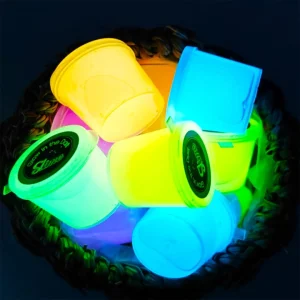
The educational toy industry often uses hybrid manufacturing models because different products have different development needs. A company may use ODM for standard products and OEM for products that require special features or stronger differentiation.
For sensory toys such as air dry clay, slime, kinetic sand, and playdough, businesses may combine existing production technology with customized product elements. For example, the base material may follow a proven manufacturing process, while the packaging, educational content, accessories, or product experience are developed specifically for the customer.
A hybrid approach allows companies to adjust their manufacturing strategy based on product goals. The key is to clearly define which parts are based on existing designs and which parts require custom development, including ownership, testing requirements, and production responsibilities.
OEM and ODM are two different manufacturing approaches, and neither one is suitable for every business. The right choice depends on factors such as product requirements, available resources, development timeline, and long-term market plans.
OEM is a better fit for businesses that need strong control over product design, unique features, and long-term product differentiation. It allows companies to develop products based on their own concepts but usually requires more time, technical input, and development investment.
ODM is more suitable for businesses that need faster product launches, lower development costs, or an easier way to enter a new product category. Since the manufacturer provides the basic design, the customer can focus more on branding, packaging, and market development.
Before choosing a model, businesses should evaluate their main goals. If the priority is creating a unique product with specific requirements, OEM may provide more flexibility. If the priority is speed and efficiency, ODM may be a more practical option.
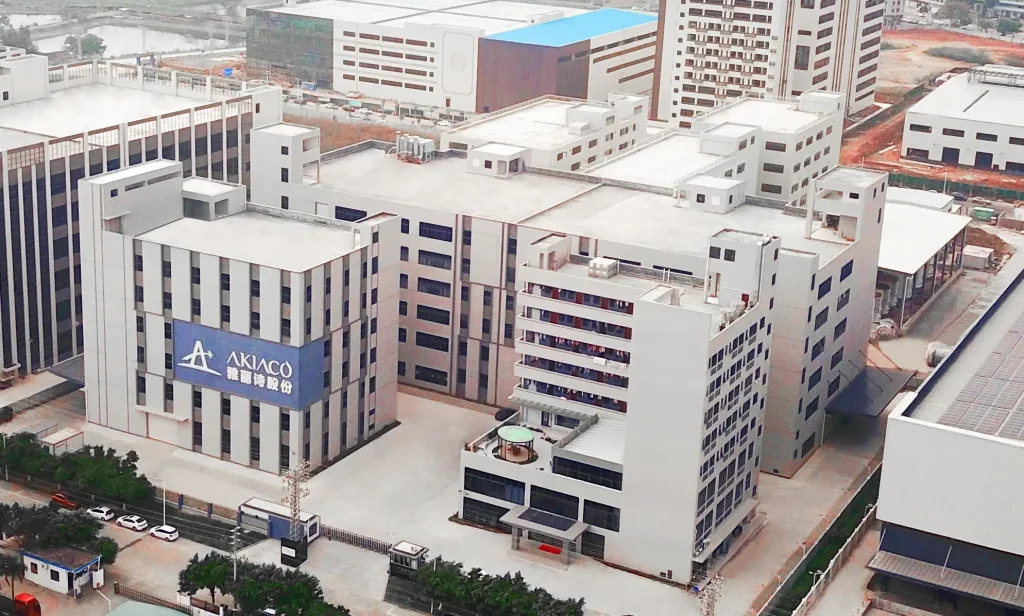
The manufacturing model should support both current needs and future plans. A company may start with ODM to understand market demand and later move toward OEM for more customized products. Another company may use both models at the same time for different product categories.
For educational and sensory toys, factors such as product safety, material requirements, customization level, and compliance with standards like ASTM F963, EN71, and CPSIA should be considered throughout the development process.
Ultimately, the best manufacturing choice is the one that matches the company’s product strategy, resources, and market goals. By understanding the differences between OEM and ODM, businesses can build a clearer product development plan and create a more efficient path from concept to finished product.
Why is the cheapest toy factory not always the best choice? Learn to compare factory prices, shipping fees, import duties, and landed costs.

A practical guide to toy manufacturing in China for US buyers, covering production processes, ASTM F963, CPSIA, quality control, costs, and logistics.

Learn how screen-free play creates opportunities for toy brands and why sensory products like playdough, clay, slime, and kinetic sand are a strong product fit.
Improve kids toy sales with packaging tips that communicate safety, benefits, and product experience for online shoppers.