Why Do They Call It Butter Slime? What Behind This Popular Toy
A parent-friendly guide explaining why butter slime is named so, how it differs from regular slime, and why kids find it irresistible.
#1 Toys Manufacturer in China. WhatsApp: +86 180-0088-4063. Email: [email protected]
Butter slime is a unique type of homemade slime that stands out for its soft, stretchy, and smooth texture. Unlike regular slime, it feels almost like a fluffy dough, which makes it extra fun to stretch, squish, and mold. It’s a favorite in sensory play and crafting projects because of its satisfying, buttery feel.
This guide explains how to make butter slime step by step. We’ll also dive into the science behind its texture, the ingredients you’ll need, and tips for customizing it.
Butter slime gets its name from its texture—it’s soft, stretchy, and smooth, just like softened butter. It doesn’t melt, of course, but it’s so easy to spread and shape that the comparison makes sense.
>> The Science Behind Butter Slime Unique Ingredients
Butter slime has three key features: softness, smoothness, and stretchiness. When you pull it apart, it stretches without breaking easily. It’s smooth to the touch and has a matte finish, unlike clear slime, which is glossy and transparent.
Compared to fluffy slime, butter slime feels denser and less airy, but it still has a light, satisfying texture.
One reason for its buttery feel is the addition of air-dry clay or similar materials. This ingredient gives butter slime its spreadable quality, which is ideal for making fun shapes or patterns. The clay also adds a unique weight to the slime, making it easier to handle without as much mess.
Butter slime isn’t just fun; it’s also a great activity for boosting creativity and fine motor skills.
Kids can knead, stretch, and shape it into different forms, which helps strengthen their hand muscles and improves coordination.
The sensory experience of butter slime is another highlight. Its soft texture and smooth stretchiness make it a favorite for stress relief. Adults and kids alike find it calming to roll and squish.
Additionally, butter slime encourages imaginative play. Whether it’s pretending to make pancakes or creating colorful sculptures, the possibilities are endless.
>> Slime Activator 101: What Is It and How Does It Work?
Making butter slime starts with a few simple ingredients. Each one plays a specific role, from creating the slime base to achieving the smooth, buttery texture that makes this slime unique. Choosing the right materials ensures a great result every time.
| Ingredient | Role | Effect |
|---|---|---|
| White Glue or Clear Glue | Forms the base of the slime. | White glue creates an opaque, soft look, while clear glue offers a translucent finish. |
| Shaving Cream (Optional) | Adds air and fluff to the slime. | Creates a lighter, fluffier texture and makes the slime more stretchable. |
| Lotion or Baby Oil | Improves texture and reduces stickiness. | Makes the slime smoother and easier to handle. |
| Model Magic Clay or Air-Dry Clay | Provides the signature buttery texture. | Transforms slime into a spreadable and smooth material that mimics the feel of butter. |
| Activator | Triggers the chemical reaction to form slime. | Converts the glue into slime; options like borax solution, baking soda mix, or liquid starch work. |
| Food Coloring or Pigments | Adds color and allows customization. | Creates vibrant or unique shades, offering fun aesthetic options like pastels or metallics. |
Creating butter slime is straightforward but requires some patience. Each step helps build the perfect texture and consistency.
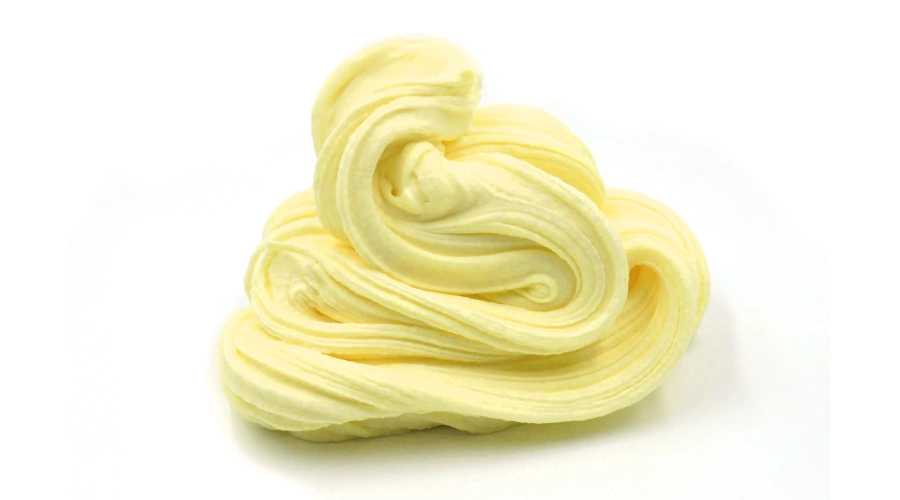
Butter slime is endlessly customizable. Whether you’re making a bright yellow batch to resemble butter or a soothing lavender shade, the process is as fun as the final product. Once you’ve mastered the basics, the creative possibilities are limitless!
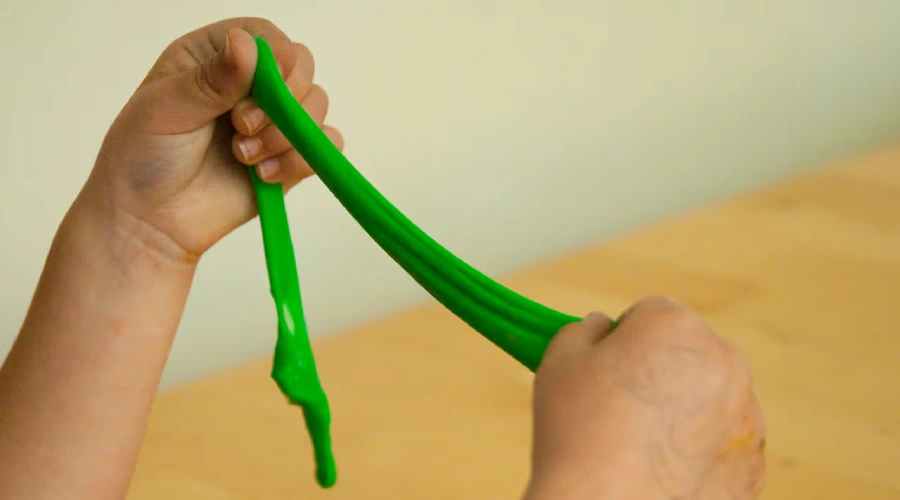
Even when you follow the steps carefully, you might run into some common issues while making butter slime. Don’t worry—each problem has a simple solution.
If your butter slime is too sticky, it’s often because there isn’t enough activator mixed in.
Adjusting the Activator Ratio: To fix this, add a small amount of your activator—borax solution, baking soda with contact lens solution, or liquid starch. Stir it in slowly, bit by bit, until the slime begins to pull away from the sides of the bowl. Be cautious not to add too much at once, as over-activating can make the slime too firm.
If it’s still sticky after a few adjustments, knead it with your hands. The warmth from your hands can help it set.
Sometimes, butter slime can become too firm, losing its smooth, soft texture. This usually happens when too much activator has been added.
If your slime feels too stiff, you can add a few drops of water or lotion to soften it. Knead it well until it reaches the desired smoothness. Adding lotion will help retain the “buttery” texture.
If the slime is still too hard after adding lotion or water, mix in a small piece of model magic or air-dry clay. The clay will help bring the slime back to its signature texture.
Once you’ve perfected your butter slime, you’ll want to keep it in good condition. Here are some tips to maintain its texture:
Be cautious when adding activators. Always start with a small amount and gradually add more if needed. Over-activating can result in a rubbery or hard slime that loses its soft, buttery feel.
Storage Matters
After playing, store your butter slime in an airtight container. This will keep it from drying out and maintain the right consistency for longer.
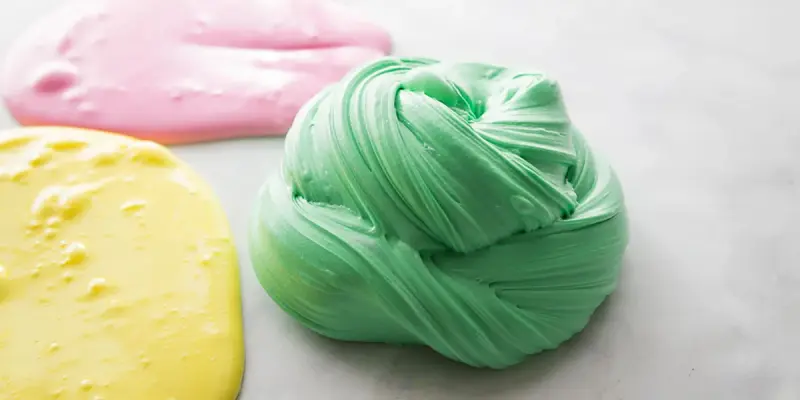
Making butter slime can be a fun and creative activity, but it’s important to follow some safety tips to ensure the process is both enjoyable and safe for everyone involved.
When making butter slime, the first step is to choose safe, non-toxic materials. This is especially important if children are involved.
Always use white glue or clear glue labeled as non-toxic. Many craft stores sell slime kits with pre-measured ingredients that ensure safety for kids. It’s also crucial to choose lotions and baby oils that are gentle on skin and free of harsh chemicals.
Some slime activators, like borax, can be toxic if not handled properly. If using borax, always dilute it according to the instructions and keep it out of reach of young children.
Alternative activators, such as baking soda with contact lens solution or liquid starch, can be safer options and are just as effective.
Even though butter slime is relatively safe to make, adult supervision is recommended to ensure that everything goes smoothly.
When making butter slime with children, always supervise the process. This includes monitoring how they handle ingredients and making sure they don’t ingest any of the materials.
Keeping an eye on younger children helps avoid any accidental spills or messes that could lead to choking hazards.
Once your butter slime is ready, it’s important to store it correctly.
Keep it in an airtight container to prevent it from drying out. This will also keep it free from dirt or bacteria, especially if it’s been sitting out for a while. If you notice any changes in texture or color, it’s a good idea to discard it and make a fresh batch.
Butter slime is loved for its smooth, spreadable texture. While clay is a common ingredient, it’s possible to make butter slime without it. By substituting clay with other materials, you can still achieve a soft, buttery consistency.
For this version, you’ll need:
Cornstarch acts as the alternative to clay, giving the slime its signature buttery feel.
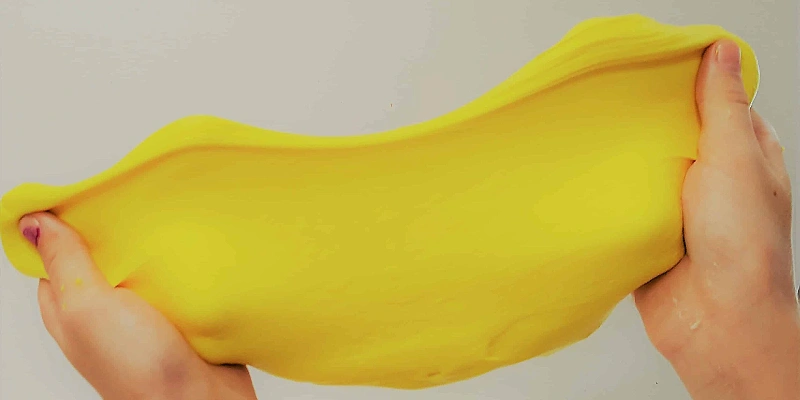
Once it starts to form, knead the slime with your hands until it’s smooth. Be patient—this step ensures the right consistency.
Sprinkle a small amount of cornstarch onto the slime and knead it in. Gradually add more until the slime feels soft and spreadable. Cornstarch mimics the role of clay, helping achieve a smooth texture without making the slime sticky.
If the slime becomes too stiff, add a little lotion or warm water to restore elasticity.
Mix in your favorite food coloring to brighten the slime. You can also add scents, like vanilla or lavender, for a sensory twist. For a fun variation, try layering different colors to create a rainbow butter slime effect.
Making butter slime without clay proves you don’t need fancy ingredients to enjoy crafting. With cornstarch and a bit of creativity, this DIY project becomes both simple and enjoyable.
Butter slime stands out for its soft, smooth texture, but there are many other types of slime that offer different experiences.
Both fluffy slime and butter slime are soft, but their textures and the way they are made differ. Fluffy slime has a lighter, airier feel, while butter slime is much denser and creamier.
| Feature | Fluffy Slime | Butter Slime |
|---|---|---|
| Texture | Light and airy, almost marshmallow-like | Dense, smooth, and buttery |
| Crafting Method | Made with shaving cream and glue | Made with clay and glue |
| Stretchability | More stretchable, less firm | Less stretchable, more firm |
| Feel | Soft, pillowy, and bouncy | Soft, smooth, and buttery-like |
Fluffy slime can be more fun to stretch and squeeze, while butter slime offers a more satisfying, creamy feel.
Clear slime is made with clear glue, giving it a transparent appearance. Butter slime, on the other hand, often appears opaque and creamy.
| Feature | Clear Slime | Butter Slime |
|---|---|---|
| Appearance | Transparent and glossy | Opaque and creamy |
| Texture | More gel-like and sticky | Smooth, soft, and spreadable |
| Sensory Feel | Slightly sticky and stretchy | Buttery and smooth, not sticky |
| Crafting Method | Clear glue and activator | Glue, clay, and activator |
Clear slime gives a more traditional, glossy slime experience, whereas butter slime offers a unique, creamy touch that is perfect for sensory play.
There are several other types of slime that are popular among enthusiasts.
| Feature | Crunchy Slime | Glitter Slime | Glow-in-the-Dark Slime |
|---|---|---|---|
| Appearance | Often bright and colorful | Shimmery and sparkly | Transparent or white with glowing properties |
| Texture | Includes beads for crunching | Contains glitter particles | Glows in the dark after exposure |
| Sensory Feel | Crunchy, with a satisfying sound | Sparkly and smooth | Glow after exposure to light |
| Crafting Method | Slime with foam beads or beads | Regular slime with added glitter | Slime with phosphorescent additives |
As you can see, each type of slime offers its own sensory experiences. While butter slime is soft and smooth, other slimes like fluffy, clear, or crunchy offer different textures and sensory effects that can be just as enjoyable to make and play with.
Whether it’s introducing kids to basic chemistry or encouraging them to think creatively, butter slime provides a hands-on learning experience.
Making butter slime involves a fascinating blend of science and hands-on activity. When kids mix glue with an activator, they witness a chemical reaction in real time. The transformation of liquid glue into a stretchy, moldable substance is an example of a polymerization reaction.
As they explore the chemical reaction that turns glue into slime, children can gain a deeper understanding of molecular bonds and how different materials react when combined. This hands-on science experiment brings abstract concepts to life.
Butter slime allows kids to experiment with various textures, colors, and designs, fostering creativity. They can mix in different colors of playdough, adjust the slime’s thickness, or even try creating unique patterns like swirls or marbling. These activities engage children’s critical thinking and problem-solving skills.
By creating different variations of butter slime, children experiment and make decisions about what works and what doesn’t, improving their problem-solving abilities.
Each batch of butter slime becomes a unique project, stimulating curiosity and developing new skills along the way.
Butter slime is a fun and creative project that’s easy to customize with different ingredients and colors. Whether using clay or alternatives like cornstarch, you can craft a smooth, spreadable slime perfect for sensory play. Gather your materials, follow the steps, and let your imagination shine!
Yes, you can! A common substitute is using a mix of cornstarch and lotion as the base. Start with a small amount of lotion, gradually adding cornstarch until the mixture becomes pliable and smooth. While the texture won’t match glue-based slime, it’s a fun and easy alternative.
If your butter slime tears, it may be over-activated or too dry. Add a small amount of lotion or baby oil and knead it thoroughly. If this doesn’t help, mix in a tiny amount of warm water to restore elasticity. Work slowly to avoid making the slime too sticky.
Store your butter slime in an airtight container, ideally a plastic or silicone jar with a secure lid. Avoid exposing it to direct sunlight or high temperatures, which can dry it out. If the slime hardens over time, adding lotion or water can help bring it back to life.
Butter slime has a unique spreadable texture due to the addition of clay or substitutes like cornstarch. Unlike clear or fluffy slime, it’s denser and more moldable, resembling softened butter. This makes it a favorite for sensory play and crafting.
Absolutely! While butter slime is typically smooth, adding glitter, beads, or foam balls can enhance its look and feel. Just make sure to mix them in gradually to prevent overloading the slime. This can also create exciting textures like crunchy or sparkly butter slime.
More Related...

A parent-friendly guide explaining why butter slime is named so, how it differs from regular slime, and why kids find it irresistible.

Why does slime captivate Gen Z? Learn how texture, psychology, and digital culture fuel this surprising trend.

A science-based look at how slime can boost kids’ sensory skills, creativity, motor strength, communication, and emotional regulation.

Curious about slime toys? Learn what they do and how they help children learn, create, and develop essential skills naturally.
Our team will answer your inquiries within 48 hours.
Copyright © 2025 GuangDong AKIA Technology Co,. Ltd. All Rights Reserved