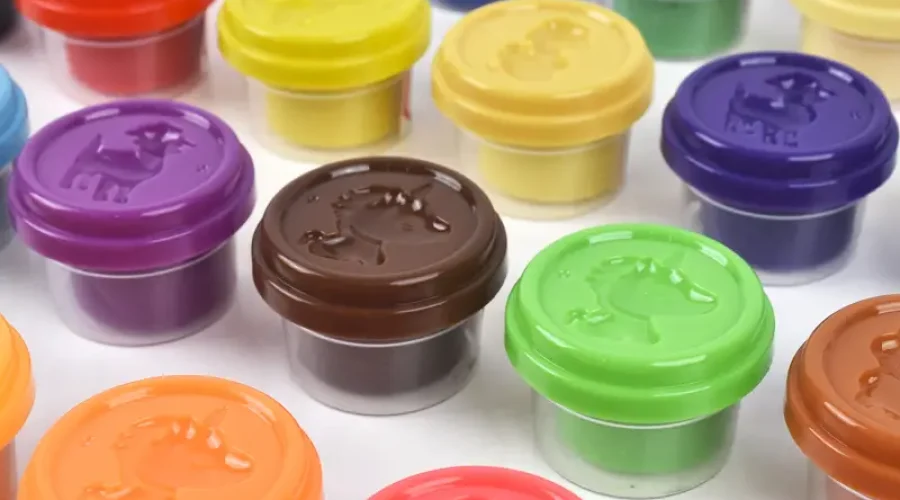
What is Air Dry Clay
As the name suggests, air-dry clay refers to clay that can dry naturally at room temperature. Sometimes people call it light clay or paper clay. To make it safer for children and artists to use, the main ingredient of air-drying lightweight clay is non-toxic PVA. This material is lightweight, has no odor, and can be stretched and kneaded repeatedly. And the lightweight clay will not crack after drying. In addition, by adding different pigments, air-drying clay is colorful, allowing children and artists to create personalized works.What is lightweight clay
Lightweight clay means it weighs little. If you closed your eyes, you probably wouldn’t guess that you’re holding clay. Sometimes you may even feel like you’re playing with cotton or clouds. So, of course, light clay is a great toy for kids.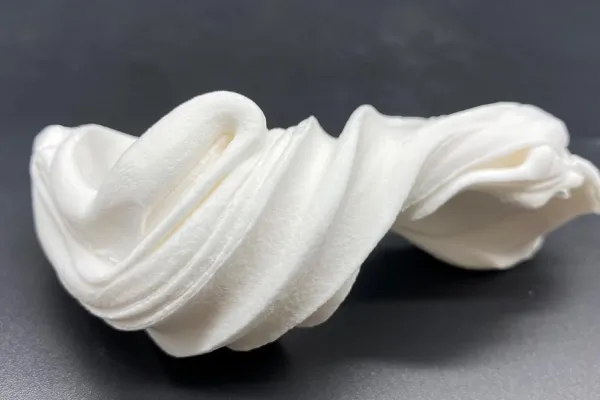
What is paper clay
Although air-dry clay is sometimes called paper clay, they don’t look the same. Paper clay is usually white and looks like wet paper. The crafts made with paper clay are light and thin, and can be painted after drying. Paper clay can dry naturally at room temperature too. Therefore, it is also air-drying clay. In recent years, many schools have allowed children to make handicrafts using paper clay.What are the pros and cons of air drying clay
According to the previous introduction, the pros of air-drying clay include:- Dry naturally without heating
- Lightweight, soft and comfortable to touch
- Easy to shape, suitable for making miniature crafts
- Non-sticky and easy to clean
- Non-toxic, safe and child-friendly
- Rich colors, you can create personalized handicrafts
- Will not crack and can be stored for a long time
- Not waterproof
- Not protected from sunlight
- Not suitable for making large crafts
What is Normal Clay
Normal clay includes several types of clay, the more common of which are polymer clay and pottery clay. Most normal clay requires high temperatures to dry and harden. This is the biggest difference from air-dry clay.What is polymer clay
The main ingredient of polymer clay is PVC, which is a hard material. Therefore, this clay craft has high hardness and durability after drying. However, PVC is also a plastic and is harmful to the health and environment.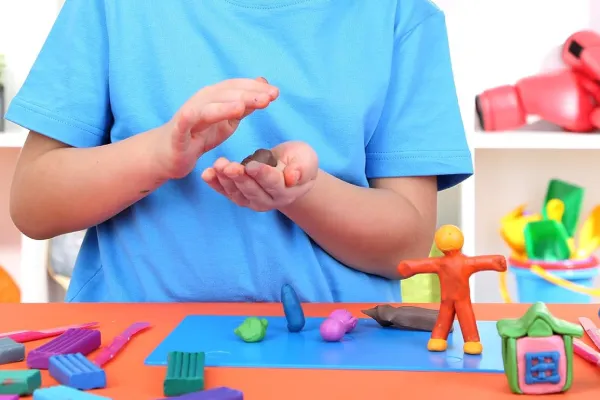
What is pottery clay
The production of pottery clay crafts requires complex techniques and equipment. Therefore, it is more suitable for professional artists. Typically, pottery clay requires temperatures of thousands of degrees Celsius to harden. Hence, you will see artists carefully putting the crafts into the kiln and firing them.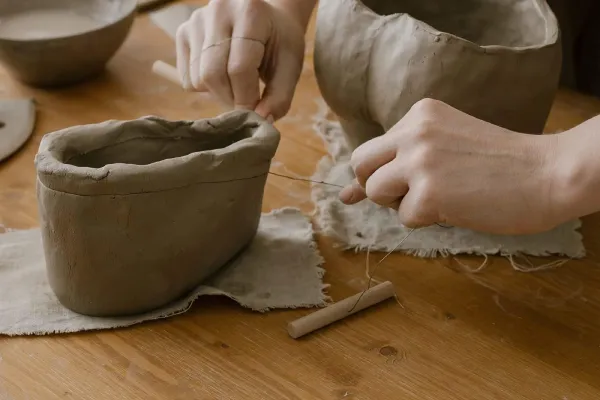
Air Dry Clay vs. Normal Clay
From the above introduction, we can see the difference between air-dry clay and normal clay. To give you a clear comparison of them, we have put together the table below.As can be seen from the table, air-drying clay has an overwhelming market advantage. It is not only a favorite toy for children, but also a teaching tool recognized by parents and teachers. However, as a children’s toy, what should we pay attention to when playing with it?
Is Air Dry Clay Good for Kids
The benefits of air-drying clay for children are recognized by many educational experts. There is no doubt that children aged 3-6 years old open the door to their understanding of things by playing with clay. Older children can enter the world of art and creativity by making crafts.
What age is air dry clay for
We can responsibly say that children and artists of all ages can play with air-dry clay.
- Preschool: 3-6 years old
Preschool children are full of curiosity. In playing with lightweight clay, parents and teachers can teach them to recognize shapes and colors. Combined with the molds, children can quickly learn numbers and letters. Therefore, air-drying clay is a great initiatory toy for children of this age.
- Teens: 6-12 years old
In addition to their schoolwork, teens can use air-dry clay to create simple crafts.
Teenage children have autonomy and are a critical period for developing lifelong habits. But teenagers have not yet developed good judgment and are easily attracted to fun things. That is, many children develop the bad habit of being addicted to electronic products at this stage, which hurts their studies and lives.
As an easily moldable toy, this super light clay is attractive. Children can refer to the tutorial and create personalized crafts. While children are focused on making clay crafts, their attention is drawn away from the entertainment of electronics. And, as children create more and more great works, their confidence and happiness will grow.
- Beginners and crafters: All ages
In fact, whether you are a beginner or a crafter, air-dry clay is a great choice. You can find many resources on the internet for making crafts, as well as step-by-step tutorials through our website. These resources allow you to learn to make beautiful crafts step by step from simple to advanced.
The lightweight clay crafts can be preserved for a long time, they can decorate your home, adding vitality to life.
What can I make with air dry clay for kids
If the children are younger, they can use the air-dry clay matching mold to make some numbers, letters or shapes. For older children, parents or teachers can work with them to make simple clay animals, plants, or food. Below we have compiled some DIY tutorials on lightweight clay. You can refer to this for step-by-step instructions on how to make crafts with children.
You can also follow our video account to get more handicraft DIY tutorials.
Air Dry Clay vs Kiln Clay
Kiln clay is a ceramic clay. After you shape it or make it into a craft, you need to bake it in a kiln at high temperatures to dry and harden it. So the difference between it and air-dry clay is also the way to dries.
On the other hand, kiln clay has a longer history than air-drying clay. Thousands of years ago, people used kiln clay to make pottery. It is only in the past decades that air-drying clay has entered people’s life.
In fact, air-dry clay only has the soft and shaping characteristics of clay, but it is not clay at all. So, you will find that air-dry clay crafts are always small and light. This is determined by its ingredients. And kiln clay is heavy since it comes from soil, and even after it’s dried, its ingredients still have large mass.
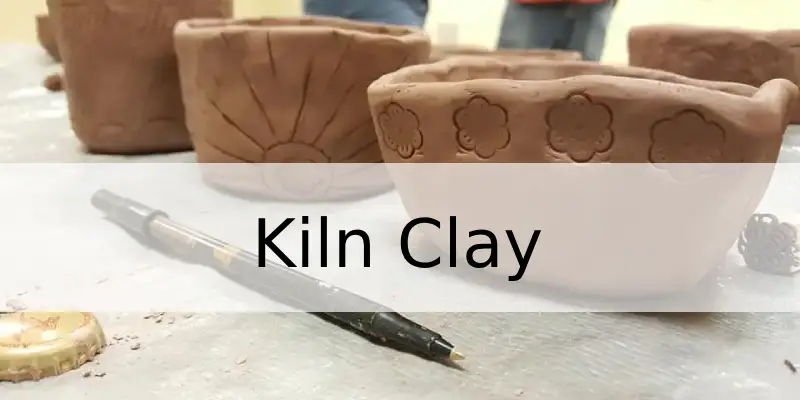
That is, kiln clay can be used to create hard objects, such as bowls or flower pots. Also, it’s less pigmented and darker, and we always paint it after it dries.
We can drop food coloring into the air-dry clay to make it colorful. After it dries, it will be harder than before. But compared to kiln clay, it’s soft and stretchy, like rubber.
Actually, air-dry clay is a new type of lightweight plasticine, which is different from traditional kiln clay.
What are the Disadvantages of Air Dry Clay
We should understand that air-dry clay has drawbacks. An advantage can be a disadvantage in some situations. For example, air dry clay softens when exposed to water, allowing it to be played with for a long time. But on the other hand, we need to pay special attention to waterproofing when storing it.
Does air dry clay become waterproof
In fact, air-dry clay is waterproof when it hardens. Small drops of water or occasional moisture will not soften it. However, prolonged moisture or soaking will eventually break down this light clay.
In the previous introduction, we mentioned that one of the ingredients of this light clay, PVA, is water-based. It is soluble in water. So when playing with clay, if it starts to get hard, we can add a little water to make it soft again.
Of course, we want the crafts to be preserved for a long time. One possible solution is to apply a clear sealant on its surface, which ensures it is waterproof. Moreover, this paint can form a hard protective coating on the surface of crafts.
Can you drink out of air dry clay
Absolutely Not! Although the ingredients in air-dry clay are safe, it is not edible. Do not swallow it as a drink or food!
Actually, when manufacturers make clay toys, they add some edible bitters to the ingredients. When children accidentally put the light clay in their mouths, the bitter taste causes them to spit it out. This ensures safe play.
Does air dry clay crack in the sun
Intense sunlight can cause air-dry clay to crack. This is caused by the aging effect of UV rays. In fact, most items don’t stand up to the sun, including the mentioned polymer clay. Generally, crafts made of light clay or polymer clay should not be placed outdoors.
Pottery clay is a special case. UV rays cannot destroy the molecular structure of pottery clay. And under normal circumstances they can be left outdoors. Sunlight will not cause it to crack. However, glazes on clay surfaces may fade due to UV exposure.
Conclusion
By comparing air-dry clay and normal clay, we found that they have their advantages and disadvantages. For different needs, we will make different purchasing choices.
In general, lightweight clay and paper clay are suitable for children and beginners. It is easy to shape, has many molds, and has rich colors, making it the first choice for beginners in art. For professional artists and people who want to make large-scale crafts, pottery clay is a good choice. We do not recommend polymer clay due to its unsafe ingredients.
At present, air-drying clay has a large number of young enthusiasts. The wonderful crafts they create have brought this light clay into more people. We believe that the clay toy market will be even bigger in the future.
References