
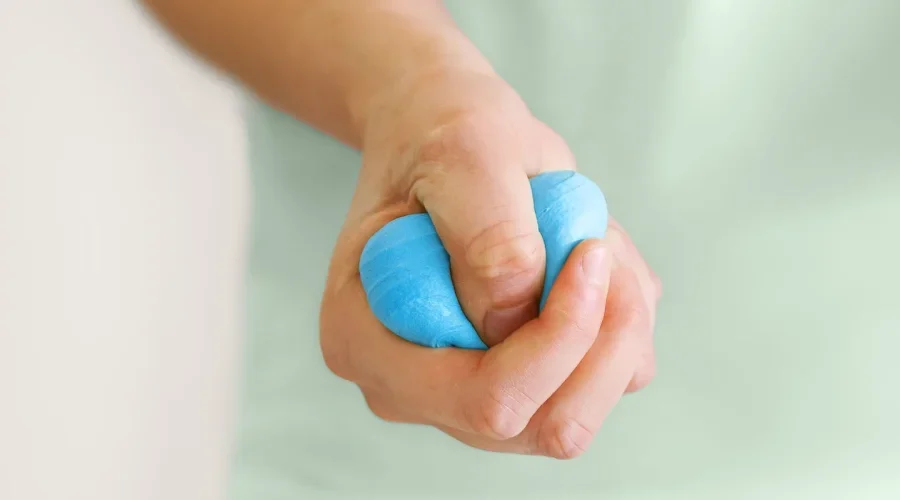
Therapy putty made simple. Enhance hand rehabilitation with practical exercises for arthritis, injuries, and post-surgery recovery.
What Is Therapy Putty?
Therapy putty is a flexible, resistive material used to aid hand therapy. Think of it as a specialized tool, similar to playdough, but designed to help people recover strength and mobility.
It comes in various firmness levels, from extra soft to firm, allowing users to choose resistance that matches their needs. This makes it popular in rehabilitation for conditions like arthritis, carpal tunnel syndrome, and even post-surgery recovery, where rebuilding hand function is key.
Why Use Therapy Putty for Rehabilitation?
Therapy putty isn’t just for rebuilding strength—it’s about improving flexibility and hand function, too. With daily use, simple exercises can boost finger coordination and reduce stiffness.
For people recovering from surgery or managing chronic conditions, having an accessible tool like therapy putty helps bridge the gap between clinic visits.
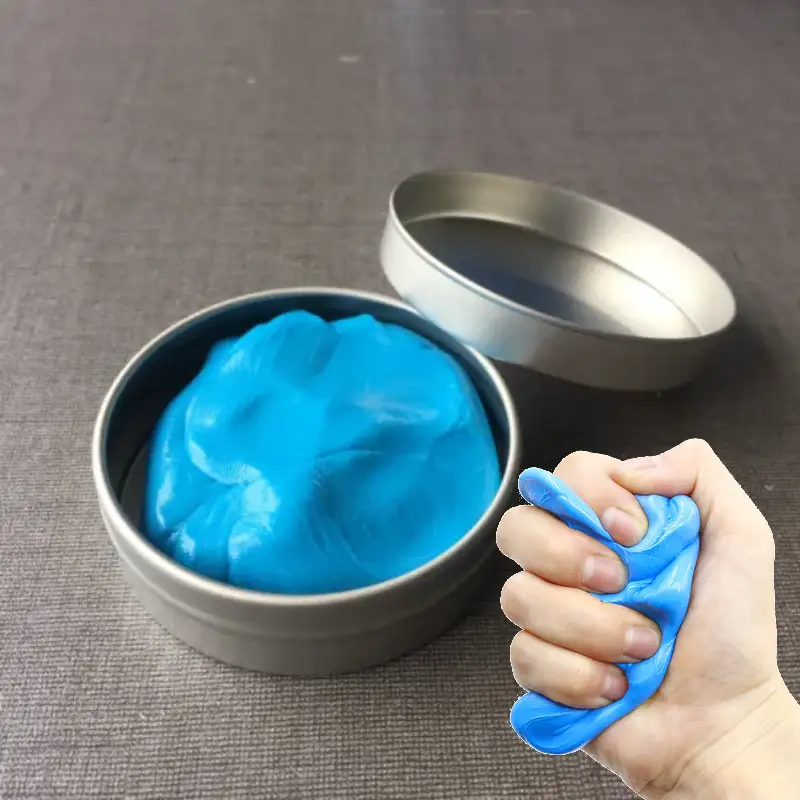
Using it at home offers clear benefits.
- First, it allows for frequent practice, which is essential for rehabilitation.
- Also, it helps save time and can be easily used while watching TV or even reading a book.
- While formal therapy sessions are important, combining them with at-home exercises can make a difference in recovery speed and quality.
Choosing the Right Therapy Putty
Finding the right therapy putty is a bit like choosing the right tool for a job. It comes in different resistance levels, allowing people to match the putty to their rehabilitation needs.
Different Resistance Levels Explained
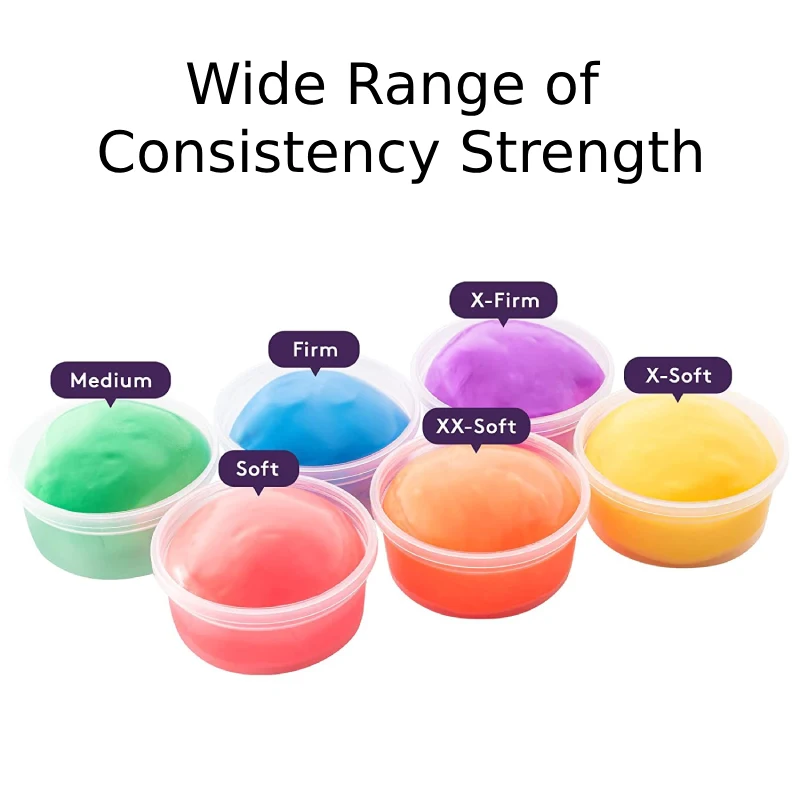
Therapy putty is available in a range of resistances, typically classified as extra soft, soft, medium, and firm. Beginners or those recovering from recent injuries may start with extra soft or soft putty, which provides less resistance and is gentler on weakened muscles.
As strength improves, users can gradually move to medium or even firm putty to increase the challenge.
For instance, someone recovering from a minor finger sprain might begin with soft putty to gently rebuild flexibility. In contrast, a more seasoned user who has been doing therapy for months could use firm putty to continue building strength and endurance.
Recommended Brands and Types
Not all therapy putty is created equal. Brands like Theraputty, Cando, and AliMed are popular for their consistent quality and range of resistance levels. Each brand may offer different color codes to represent the firmness levels, which can be helpful in tracking progress.
When choosing therapy putty, consider the texture, resistance, and size of the container. Some putty can feel stickier or smoother, which might affect comfort during exercises.
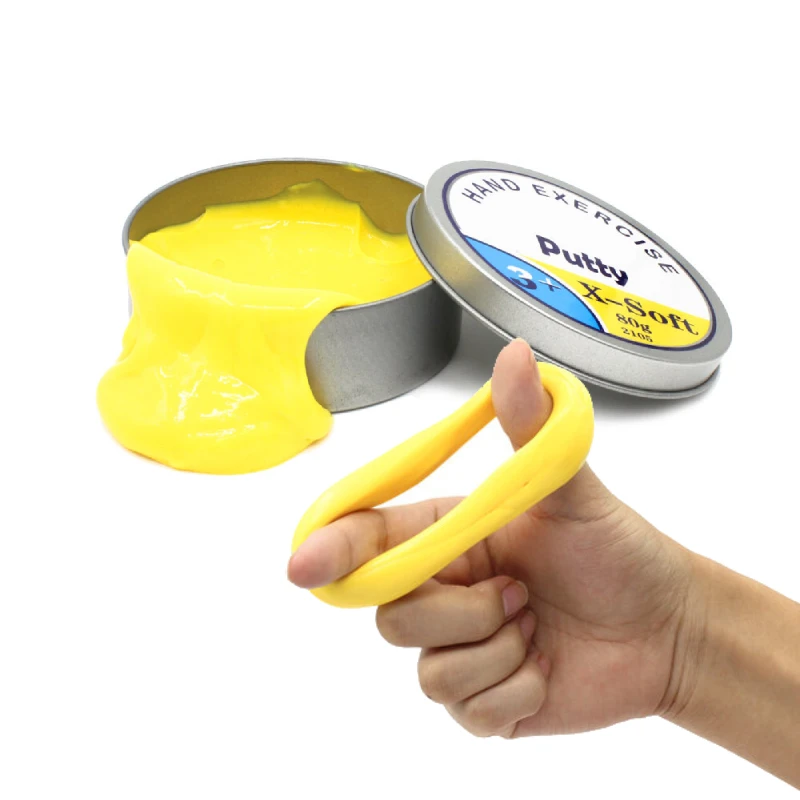
Reading user reviews and consulting a therapist can help in finding the right one that suits your needs.
How to Use Therapy Putty for Rehabilitation
Therapy putty is a versatile tool for hand therapy exercises. It can help restore strength, flexibility, and coordination in your hands and fingers. Whether you’re just starting out or have been at it for a while, there are exercises suited for every skill level. Let’s dive into some basic and advanced techniques.
Basic Techniques for Beginners
Starting with simple exercises is important for building confidence and avoiding strain. These beginner-friendly techniques can help you ease into therapy putty exercises.
Hand Squeezes
Hand squeezes are a great way to build grip strength. To perform this exercise:
- Take a piece of therapy putty that fits comfortably in your hand.
- Squeeze it firmly, holding the squeeze for a count of three.
- Release slowly and repeat 10-15 times.
A friend recovering from surgery found this exercise useful for regaining grip. He kept a small container of putty at his desk and squeezed it during short breaks. It became a daily habit that helped him improve more quickly.
Finger Pinches
Pinching exercises target finger strength and control. Here’s how to do it:
- Roll the putty into a small ball.
- Pinch the ball between your thumb and each finger, one at a time.
- Repeat the pinch for each finger 8-12 times.
This exercise is particularly helpful for those struggling with fine motor skills, such as buttoning a shirt or holding small objects.
Thumb Presses
Thumb presses are great for increasing thumb mobility:
Roll the putty into a cylinder shape.
Press your thumb into the putty, flattening it against your other fingers.
Hold for a second, then release. Repeat 8-10 times.
Doing thumb presses regularly can make tasks like texting or turning keys easier.
Intermediate to Advanced Exercises
As you gain strength and control, more advanced techniques can help you continue making progress. These exercises add complexity to challenge the muscles further.
Rolling and Flattening
Rolling and flattening exercises help with muscle coordination:
- Roll the therapy putty into a snake-like shape.
- Use your fingers and palms to flatten it out.
- Repeat this motion, switching between hands for an even workout.
It’s a step up from basic squeezes, adding an extra layer of dexterity.
Finger Spreading
This exercise improves finger extension strength:
- Place the putty over the backs of your fingers.
- Spread your fingers apart while the putty resists the motion.
- Hold the position for a second, then bring your fingers together. Repeat 10-12 times.
It’s especially useful for those who struggle with tasks that require spreading fingers apart, like playing the piano or typing.
Thumb Opposition Exercises
Enhance hand functionality with thumb opposition:
- Press the putty between your thumb and each fingertip.
- Move your thumb across your palm to touch each finger, stretching the putty as you go.
- Repeat 10 times for each finger.
Improving thumb opposition can make actions like picking up coins or gripping larger objects feel more natural.
Using therapy regularly with these exercises can lead to gradual improvements in hand strength and mobility, making everyday tasks more manageable.
Using Therapy Putty for Specific Conditions
Therapy putty isn’t a one-size-fits-all tool; it can be adapted to help with specific hand and wrist conditions. By adjusting the exercises and resistance level, it can address different needs, whether dealing with arthritis, carpal tunnel syndrome, or recovering from surgery.
Hand and Wrist Arthritis
For people with arthritis, joint pain and stiffness can make everyday tasks difficult. Therapy putty can help by promoting movement and reducing stiffness.
To ease symptoms, gentle squeezing exercises can be beneficial:
- Start with a soft therapy putty.
- Perform hand squeezes or thumb presses to stretch the joints.
- Gradually progress to finger pinches if comfortable.
A woman with arthritis once shared that she kept putty in her bag. She did a few squeezes while waiting at the bus stop. Over time, she found she could manage chores like cooking without as much pain.
Carpal Tunnel Syndrome
Carpal tunnel syndrome occurs when there’s pressure on the median nerve, often from repetitive hand motions. Using therapy putty can help by strengthening wrist muscles and reducing stress on the nerve.
For this, exercises should target wrist and finger movements:
- Try rolling and flattening the putty to build muscle strength.
- Practice finger spreading to maintain hand flexibility.
- Use a firm putty for thumb presses to support wrist stability.
Doing these exercises for a few minutes a day can help keep symptoms in check. A friend used these techniques while recovering from long hours of typing, which made a noticeable difference in wrist pain.
Post-Surgery Recovery
After hand or finger surgery, rehabilitation needs to be gradual. Therapy putty offers a flexible approach, allowing for different resistance levels and easy progression.
Start with lighter exercises:
- Begin with extra soft putty for gentle squeezes.
- Gradually add finger pinches as strength improves.
- Move to rolling and flattening when ready, using medium resistance.
A physical therapist shared that using putty after surgery helps patients rebuild strength step by step. Avoiding heavy stress on the joints prevents setbacks.
For anyone dealing with these conditions, therapy putty exercises can be a simple yet effective way to regain hand function. With regular practice, it’s possible to make progress at a comfortable pace.
Additional Tips for Maximizing Therapy Putty Benefits
Using therapy putty effectively goes beyond just performing exercises. With the right approach, you can get more out of each session and keep the putty in good condition for longer use. Here are some tips to help make your rehabilitation journey smoother.
Frequency and Duration of Exercises
Consistency matters when it comes to therapy putty exercises. For beginners, start with a few minutes, two to three times a day. Keep the sessions short, around 5-10 minutes each, to avoid fatigue.
More experienced users can gradually extend to 15 minutes per session. Aim for daily practice but take rest days if the hand feels sore. Listening to your body can prevent overworking the muscles.
A man recovering from a wrist injury used his breaks at work to do a quick set of hand squeezes. By spacing out the exercises, he was able to regain strength without overwhelming his hands.
Combining Therapy Putty with Other Hand Therapy Tools
Using therapy putty along with other tools, like stress balls, hand grips, or resistance bands, can boost recovery. It offers variety and engages different muscles.
Try alternating between exercises:
- Do a set of putty squeezes, then switch to stress ball presses.
- Combine putty finger pinches with resistance band stretches.
- Use hand grips after a therapy putty session for an extra challenge.
This mixed approach not only builds strength but also keeps routines interesting. A therapist mentioned how patients often get better results when they vary their exercises instead of sticking to just one method.
Proper Care and Storage of Therapy Putty
Therapy putty can dry out or become dirty if not properly cared for. Keep it clean by washing hands before use and placing it back in a sealed container after each session.
To maintain elasticity:
- Store the putty in a cool, dry place.
- Avoid direct sunlight, which can cause it to harden.
- If it feels stiff, knead it with a drop of water to soften it.
One therapist suggested wrapping the putty in plastic wrap for an extra layer of protection, especially if you don’t have a storage container handy. This little habit can extend the life of the putty.
Safety Considerations When Using Therapy Putty
Therapy putty can be a helpful tool for hand rehabilitation, but it’s important to use it safely. Knowing the signs of overuse and understanding how to adapt exercises can help prevent injuries. Here’s what to keep in mind.
Signs You’re Overdoing It
Exercising too much can lead to muscle strain or joint pain. Pay attention to any lingering soreness, swelling, or discomfort after using therapy putty. If these symptoms persist for more than a day, it might be a sign of overdoing it.
A good rule of thumb is to take a break if you feel sharp pain during or after exercises. Reducing the number of repetitions or switching to a softer putty can also help. Think of it like lifting weights—if you start feeling fatigued, it’s time to rest.
Precautions for Specific Conditions
People with certain conditions, such as severe arthritis or recent hand surgery, may need to modify their exercises. Gentle movements are recommended to avoid stressing delicate joints or healing tissues.
For severe arthritis, focus on softer putty and do slow, controlled movements. Those recovering from surgery should follow their doctor’s instructions closely and avoid exercises that involve too much resistance.

A woman recovering from a wrist surgery began by doing thumb presses with extra-soft putty. Over a few weeks, she gradually worked up to firmer putty, following her surgeon’s advice.
When to Consult a Physical Therapist
If you have concerns about using therapy putty, consulting a physical therapist can be a good idea. Professionals can tailor exercises to fit your needs, helping you avoid unnecessary strain.
Therapists can also provide valuable guidance on when to progress to harder putty or more challenging techniques. If you’re unsure whether therapy putty is suitable for your specific condition, don’t hesitate to seek advice.
Safety first ensures that therapy putty remains a beneficial tool for your rehabilitation without causing setbacks. By using it thoughtfully and adapting routines as needed, you can achieve steady progress.
Conclusion
Incorporating therapy putty into your rehabilitation routine can be an effective way to strengthen hands and improve mobility. By choosing the right resistance, performing targeted exercises, and following safety guidelines, you can make steady progress. Always consult a professional if you have concerns or specific conditions.


How Many Types of Slime Are There? Explore Squishy Science
Explore the surprising world of slime varieties, their textures, and the science behind them in this kid-friendly educational breakdown.