Does Kinetic Sand Help with Anxiety? Exploring Therapeutic Effects
Explore whether kinetic sand helps with anxiety, including sensory benefits, calming effects, and practical tips for safe play.

Kinetic sand is more than just a toy; it’s a sensory experience that intrigues children and adults alike. With a texture that flows like liquid but molds like clay, it feels almost magical in its movement.
Many people wonder: does kinetic sand’s unique stickiness hint at magnetism? Is there something magnetic in its composition that causes it to cling together? This question has sparked curiosity, leading to misconceptions about the “magic” behind kinetic sand.
Unlike beach sand, which flows loosely and scatters, kinetic sand clumps together, almost like clay, but still feels soft and smooth. Its “magic” quality lies in the way it can be shaped and molded without making a mess, drawing the attention of sensory enthusiasts and educators alike.
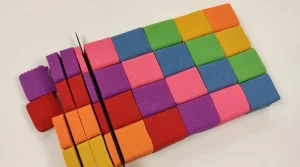
>> Kinetic Sand Cutting: How Does ASMR Work
At its core, kinetic sand is made of two main ingredients: regular sand and a polymer-based coating.
The sand itself is similar to what you might find at the beach or in playgrounds, but it’s the polymer—a flexible, often silicone-based compound—that gives kinetic sand its special properties. This coating binds to the sand particles, allowing them to slide and move while still holding together.
The polymer layer is why kinetic sand flows and holds shapes so well.
When pressure is applied, like when you press it between your fingers, it stays solid. But when the pressure is released, it loosens, allowing the sand to flow almost like liquid. This dual behavior is what makes kinetic sand fascinating and fun to play with.
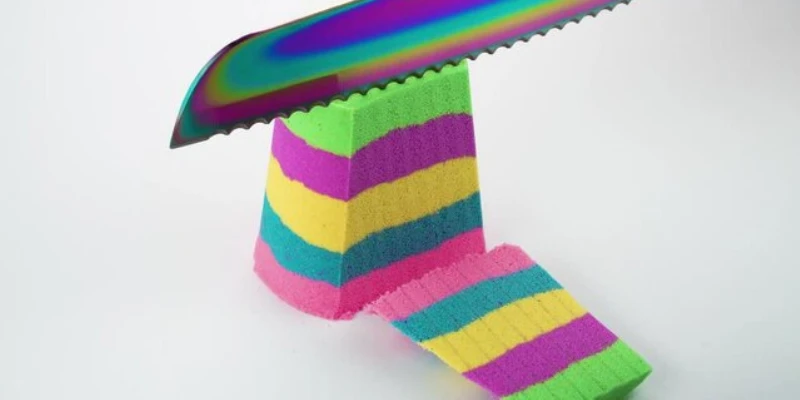
The secret to kinetic sand’s “stickiness” lies in the unique way the polymer coating interacts with the sand particles.
Regular sand grains don’t stick to each other because they lack an adhesive property. But the polymer coating in kinetic sand creates weak molecular bonds between the particles, causing them to cling together without actually being sticky. This allows the sand to “stick” to itself, forming clumps and shapes, while leaving hands and surfaces clean.
Since it only sticks to itself, kinetic sand is easy to gather up and reuse. This makes it a popular choice for sensory play and educational activities, as it encourages tactile exploration without the mess typically associated with sand.
>> What makes Kinetic Sand Kinetic? Why Does It Flow?
Many people are curious about whether kinetic sand is magnetic. Its unique ability to hold shapes and move almost as if it has a “life” of its own often leads to questions about magnetism. Could there be something magnetic within it that causes its particles to cling together?
To answer that, let’s first break down the concept of magnetism. Magnetism occurs when certain metals, like iron, are attracted to magnetic fields.
Common magnetic toys, like magnetic building blocks or iron filings in science kits, use these properties to create movement or attraction between pieces. In contrast, non-magnetic toys rely on other materials or mechanical connections to hold parts together without using magnetic forces.
For example, in a magnetic toy, pieces are attracted to one another when they contain iron, nickel, or other metals that respond to magnets. This allows users to easily connect and separate pieces with a quick pull. But kinetic sand doesn’t contain these magnetic materials, which is why it doesn’t behave like a magnetically charged toy.
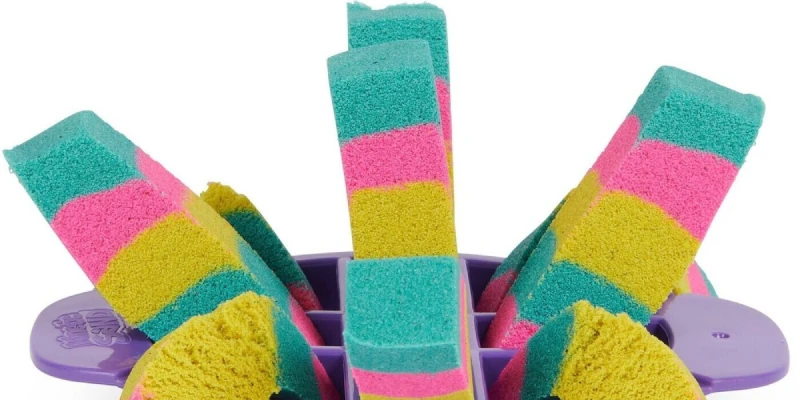
In short, no—kinetic sand is not magnetic. Unlike magnetic toys, kinetic sand doesn’t contain iron or any other magnetically reactive materials.
Instead, its “stickiness” comes from a polymer coating on each grain of sand. This polymer acts as a type of binder, allowing the sand grains to cling together, but without any magnetic attraction involved.
The polymer coating creates a flexible bond between grains, allowing the sand to flow in a way that seems almost alive. This behavior can sometimes look like magnetism, but it’s actually the polymer causing the sand particles to stay together without making a mess.
Because kinetic sand clumps together so well, it’s easy to see why some people think it might be magnetic. However, this misconception comes from its unique flowing and shaping ability rather than any actual magnetic property.
People may also assume that because it sticks to itself, it’s acting like a magnet. But in reality, kinetic sand’s particles cling due to the polymer coating and not magnetic forces.
So, while it’s understandable that the sand’s “magical” movement could seem magnetic, it’s all due to science and not a magnetic trick.
Kinetic sand has a unique appeal that leaves many wondering why it seems “magnetic.” The way it clumps, flows, and molds feels oddly intentional, almost like it’s obeying an invisible force.
Part of kinetic sand’s appeal lies in its sensory qualities. It feels soft yet firm, sticky yet easy to handle, creating a sensory experience that’s hard to define.
When pressed together, the grains of kinetic sand cling and hold shape, but they also gently pull apart, almost as if an unseen force is guiding them. This effect is due to the polymer coating on each grain, which allows the sand to mold easily without falling apart.
It doesn’t require water or pressure to keep its shape; instead, the sand grains “stick” to each other while resisting other surfaces. This sensation can feel magnetic, even though there’s no actual magnetism involved.
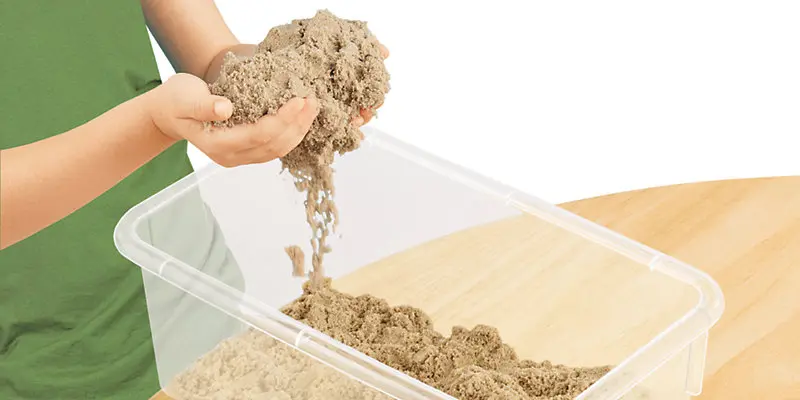
The way we interpret sensory toys like kinetic sand often blends physical experience with perception. The polymer-coated sand grains create a familiar feeling of connection, like a slow, steady flow that resembles magnetism. This can make kinetic sand feel like it has a life of its own, sparking a kind of fascination that’s both calming and engaging.
Studies in sensory perception suggest that our brains sometimes equate certain sensations with known experiences. Since kinetic sand “sticks” together without mess, people might connect it with the idea of magnets drawing objects together.
Additionally, the rhythmic, moldable nature of kinetic sand enhances this engagement, inviting users to play, create, and feel as though they’re controlling a mysterious force.
Through sensory play, our brains often blur the lines between feeling and fact, making the experience of kinetic sand feel unexpectedly “magnetic.” In reality, it’s the polymer in the sand—no hidden forces here!
While standard kinetic sand isn’t magnetic, some types of “magnetic sand” on the market may look similar.
Standard kinetic sand and magnetic sand may look alike, but they are quite different in composition and interaction.
Unlike kinetic sand, which uses polymers to create its signature feel, magnetic sand contains tiny metal particles that react to magnets. When a magnet is nearby, this sand clumps or moves in response to the magnetic force, creating a unique visual effect.
While kinetic sand is popular for sensory play due to its smooth texture and moldability, magnetic sand serves more as a STEM learning tool, allowing kids and adults to explore basic magnetism concepts.
When it comes to safety, kinetic sand is generally non-toxic, soft, and safe for children to handle in classrooms and homes. Its polymer coating ensures it sticks to itself rather than creating a mess. Magnetic sand, on the other hand, contains small metal particles, which makes it essential to handle carefully, especially around electronics or young children.
Standard kinetic sand remains the preferred choice for sensory play due to its non-toxic, easy-to-handle nature. In contrast, magnetic sand requires more caution and supervision, making it better suited for specific science projects rather than general play.
Both have their place in education and play, but knowing the difference helps in choosing the right tool for the experience you’re after.
>> Unveiling the Truth: Is Kinetic Sand Toxic for Kids
Kinetic sand isn’t just popular for its unique texture; it also brings surprising benefits to sensory play. From motor skills to relaxation, this versatile material has become a favorite for people of all ages.
Working with kinetic sand helps refine fine motor skills by encouraging precise hand movements. As users shape, pinch, and mold the sand, they practice small hand motions that are essential for developing dexterity.
Kinetic sand is all about open-ended play. Users can create shapes, molds, or simply let the sand flow through their fingers, exploring the sensations.
Unlike traditional clay or playdough, kinetic sand doesn’t harden or leave a mess, allowing endless possibilities without needing to clean up. This non-permanent nature fosters experimentation, where people can freely switch between designs without worrying about making mistakes.
It’s not just children who find joy in kinetic sand—adults have discovered its calming properties, too. Handling kinetic sand can help alleviate stress through repetitive, soothing motions.
The texture offers a grounding effect, often used in therapeutic settings to ease anxiety. Just watching the sand flow or compressing it between the fingers provides a sense of calm that can be quite satisfying, making it a small but effective tool for daily stress relief.
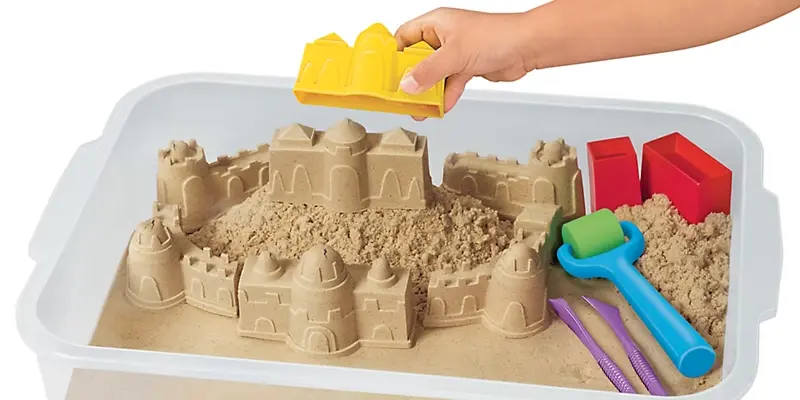
Kinetic sand is durable, but keeping it in great condition requires a bit of care. With a few tips, you can ensure that your kinetic sand stays fresh, clean, and fun to use.
To keep kinetic sand from drying out or picking up dust, store it in an airtight container when it’s not in use.
While kinetic sand can handle some moisture, it’s best to keep it dry. If it accidentally gets wet, it may lose its signature flowing texture.
To restore it, simply spread the sand on a dry, flat surface and allow it to air-dry.
In most cases, the sand returns to its original feel once it has completely dried out. This way, you don’t have to worry if a small spill happens—it’s easy to bring the sand back to life.
Keeping kinetic sand clean is simple but essential. If debris, like small crumbs or bits of paper, gets mixed in, try pressing larger clumps of kinetic sand over the debris, which will often pick up smaller pieces.
For thorough cleaning, sift the sand through a mesh or sieve to remove tiny particles. With regular maintenance, your kinetic sand will stay soft, smooth, and free from unwanted materials.
While kinetic sand may feel “magnetic” due to its unique texture, it is not actually magnetic. Its sticky, clumping behavior is caused by the special polymer coating. With proper care and storage, kinetic sand remains a fun, safe, and engaging sensory toy for everyone to enjoy.
Explore whether kinetic sand helps with anxiety, including sensory benefits, calming effects, and practical tips for safe play.
Key differences between kinetic sand and normal sand, including texture, safety, and sensory benefits for children’s play and learning.

Explore what sensory sand is made of, why children love it, and how its unique materials enhance learning, creativity, and fine motor skills.
Discover what makes kinetic sand so special — from its unique texture to the fascinating science behind its magical movement.