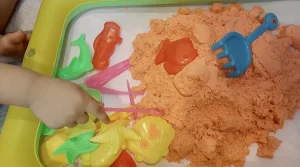
What Is the Difference Between Kinetic Sand and Normal Sand?
Key differences between kinetic sand and normal sand, including texture, safety, and sensory benefits for children’s play and learning.
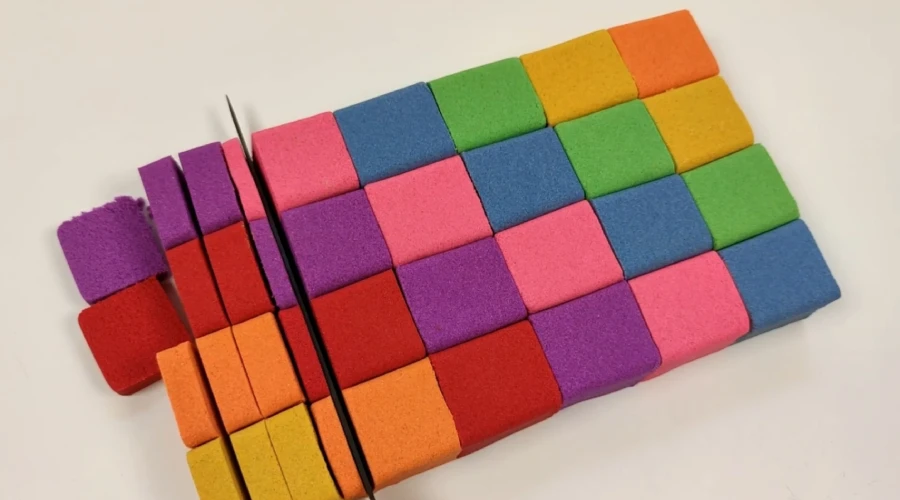
Kinetic sand is a type of moldable, synthetic sand designed to flow and stick to itself, allowing tactile manipulation without leaving a mess. Unlike ordinary sand, it provides a controlled sensory experience that can engage multiple senses, making it a unique tool for play and relaxation.
Kinetic sand is made from fine natural sand coated with a polymer, often a silicone-based compound. This coating allows the sand particles to cling together, giving it a soft, moldable texture that retains its shape when pressed or sculpted.
It behaves differently than wet or dry sand because it is never fully wet but feels slightly damp to the touch. This property allows it to be squeezed, molded, and cut while keeping its structural integrity, which is why it is commonly used in sensory and educational activities.
Regular sand consists of loose, granular particles that do not stick together unless water is added. In contrast, kinetic sand maintains cohesion without any moisture, offering a tactile experience without the mess or dryness of conventional sand.
Its unique composition also reduces dust and prevents particles from scattering easily. The polymer coating gives it consistent behavior under pressure, making it predictable and safe for indoor use, while regular sand can be abrasive or more difficult to control in small play spaces.

Anxiety is a normal response to stress, but excessive or persistent anxiety can interfere with daily life.
Anxiety involves heightened alertness, tension, and sometimes physical symptoms like increased heart rate, sweating, or restlessness. In children, it may appear as fidgeting, irritability, or difficulty focusing, while adults may experience racing thoughts or muscle tension.
Recognizing these signs early allows for timely support. Anxiety can affect both emotional and cognitive functions, making coping strategies, including structured sensory activities, valuable for self-regulation.
Sensory activities, like manipulating kinetic sand, provide tactile input that can activate the parasympathetic nervous system. This can reduce physiological signs of stress and help calm the mind.
Engaging multiple senses through touch, sight, and sometimes sound helps individuals focus on the present moment. This sensory grounding supports emotional regulation, improves concentration, and can complement other stress-management strategies.
Kinetic sand engages multiple senses, making it a powerful tool for sensory play and emotional regulation. Its unique texture, flow, and visual patterns can create calming experiences that help reduce stress and focus attention.
The soft, moldable texture of kinetic sand provides continuous tactile feedback. Squeezing, rolling, or shaping the sand activates pressure-sensitive receptors in the skin, which can trigger a calming response in the nervous system.
This tactile input helps reduce tension and encourages mindful attention. Repetitive motions, such as pinching or kneading, can also release nervous energy and promote relaxation, particularly in children or adults experiencing mild anxiety.
Kinetic sand produces subtle visual and auditory cues as it moves. Watching the sand flow or listening to it shift can enhance focus and provide soothing sensory stimulation.
The combination of visual patterns, soft sounds, and hand movement creates a multi-sensory experience. This engagement supports mindfulness, allowing individuals to redirect attention from anxious thoughts to the present sensory activity.

Kinetic sand can help reduce stress by providing structured, repetitive sensory input that promotes relaxation.
Manipulating kinetic sand engages the somatosensory system, which can trigger the parasympathetic nervous system. This helps slow heart rate, lower blood pressure, and reduce muscle tension, all of which are common physiological signs of stress.
The repetitive nature of moulding or shaping the sand also encourages mindfulness. Focusing on tactile sensations and visual patterns helps redirect attention from anxious thoughts, promoting emotional regulation and calmness.
Studies on sensory play suggest that activities involving tactile materials like sand, clay, or slime can reduce reported stress and increase relaxation, especially in children and adolescents (Ayres, 1972; Pfeiffer et al., 2011).
While research specifically on kinetic sand is limited, observational evidence in classrooms and therapy sessions indicates improvements in mood, attention, and self-soothing behaviors. Controlled experiments in occupational therapy settings show that structured sensory interventions can reduce anxiety symptoms in children with sensory processing differences.
Kinetic sand can support both emotional regulation and cognitive focus. Its tactile and visual properties encourage engagement and attention, providing a structured outlet for creativity and mindful activity.
Manipulating kinetic sand requires concentration on hand movements, shapes, and textures. This focused engagement helps shift attention away from anxious thoughts and promotes mindfulness by anchoring the individual in the present moment.
Repeated use can improve sustained attention and help children or adults practice calm, deliberate actions. Mindful play with sand also encourages slower, more controlled breathing, which can further reduce anxiety and enhance cognitive clarity.
Kinetic sand allows users to build, sculpt, and reshape freely, providing a non-verbal channel for expressing emotions. Individuals can externalize feelings, such as frustration or excitement, in a safe and manageable way.
Creative play with sand can also support problem-solving skills and self-reflection. For children especially, it allows them to experiment with ideas, explore patterns, and process experiences while simultaneously regulating emotional states.

Kinetic sand is generally safe for children and adults, but appropriate supervision and handling are essential.
Kinetic sand is typically recommended for children aged 3 and up. At this age, children can safely manipulate the sand without significant risk of ingestion.
Older children and adults can benefit from more complex sculpting or mindfulness-focused activities. Age-appropriate guidance helps ensure the activity supports emotional regulation while matching developmental capabilities.
Children should play with kinetic sand on a clean, flat surface and avoid placing it near the mouth or eyes. Handwashing before and after play reduces the risk of contamination.
Supervision is particularly important for younger children or those with sensory sensitivities. Adults can guide proper use, encourage mindful attention, and ensure the sand is stored properly to maintain hygiene and consistency.
Kinetic sand can be incorporated into everyday activities to help manage anxiety and support focus. Thoughtful integration ensures that playtime is both calming and developmentally appropriate.

Structured play involves specific tasks, such as following a guided activity, building shapes, or completing a mindfulness exercise. This approach can help children practice focus, patience, and fine motor skills while reducing anxiety.
Unstructured play allows children to explore freely, create whatever they wish, and engage with the sensory experience at their own pace. Both types of play provide emotional regulation, but the choice depends on the child’s needs, age, and the desired outcome.
In classrooms or therapy sessions, kinetic sand can be used as a tool for stress reduction, attention training, and emotional expression. Teachers and therapists may guide sessions to encourage mindfulness, creativity, and cooperative play.
Structured use in these settings helps children learn coping strategies and emotional awareness. Repeated exposure under supervision can reinforce self-soothing habits and support academic or therapeutic goals without overwhelming the senses.
Kinetic sand can provide a safe, sensory-rich way to reduce anxiety and improve focus. Its tactile, visual, and auditory qualities support mindfulness, emotional expression, and stress relief. While it is not a substitute for professional therapy, regular supervised use can help children and adults manage anxious feelings and develop coping skills in a calm, engaging way.
Key differences between kinetic sand and normal sand, including texture, safety, and sensory benefits for children’s play and learning.

Explore what sensory sand is made of, why children love it, and how its unique materials enhance learning, creativity, and fine motor skills.
Discover what makes kinetic sand so special — from its unique texture to the fascinating science behind its magical movement.

Is magic sand safe for kids? Explore safety facts, age guidelines, and expert advice to ensure fun, creative, and secure sensory play.