What Is the Best Colored Air-Dry Molding Clay
A practical guide to the best colored air-dry molding clay—covering texture, color quality, durability, and child-safe materials.
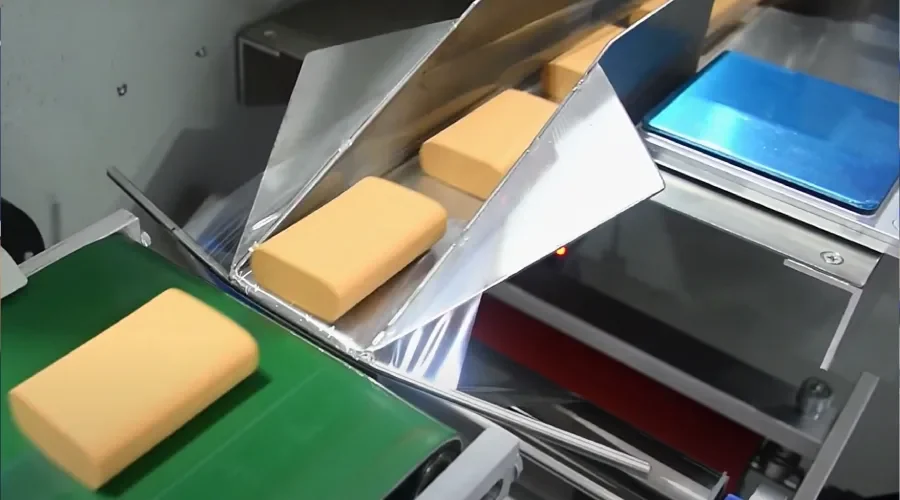
Today, clay toy manufacturing is evolving rapidly, thanks to groundbreaking techniques and technological advancements. On the other hand, the sensory pleasure of modeling clay into playful shapes is captivating many children and adults.
The story of clay toys is as old as civilization itself. Early societies, from the ancient Egyptians to the indigenous peoples of the Americas, used natural clay to create figures and toys.
These early toys were simple yet evocative, often depicting animals, human figures, and everyday objects. They served not only as playthings but also as cultural artifacts, providing insights into the daily lives and beliefs of these early peoples.
In the 20th century, the use of clay in toy manufacturing saw a significant transformation. The advent of synthetic clays and compounds made it easier to produce durable and colorful toys.
One of the most iconic examples is Play-Doh, which was initially developed in the 1930s as a wallpaper cleaner before being reimagined as a children’s toy in the 1950s. This shift marked the beginning of a new era, where clay toys became a staple in households worldwide, cherished for their versatility and the endless creative possibilities they offered.
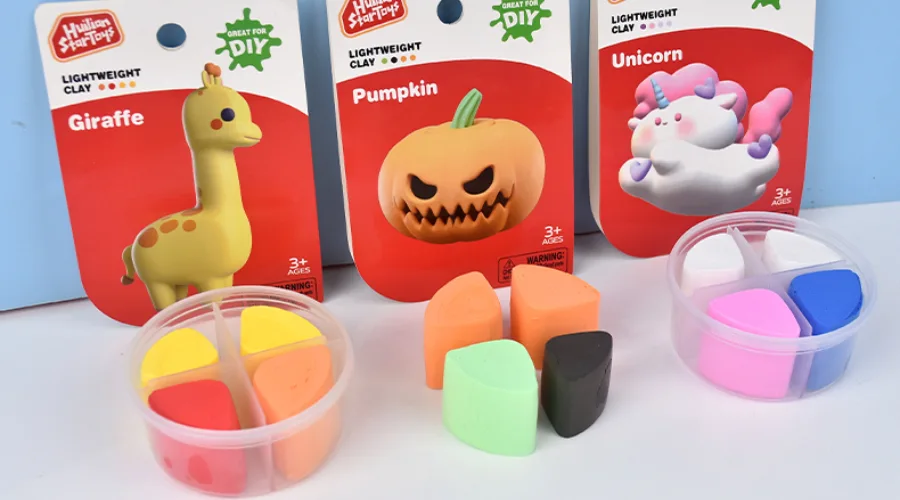
Innovation in clay toy manufacturing encompasses a wide range of areas, from materials and safety standards to design and interactive features.
Modern advancements have led to the development of non-toxic, eco-friendly clays that are safe for children and better for the environment. These new materials are more pliable and come in a dazzling array of colors and textures, enhancing the sensory experience for young users.
Additionally, technological innovations such as 3D printing and digital sculpting tools have revolutionized the way clay toys are designed and produced, allowing for greater precision and creativity.
Automated assembly lines and AI-driven quality control systems ensure that each toy meets stringent safety and quality standards. These technologies not only streamline production but also reduce costs, making clay toys more affordable and accessible to a broader audience.
By continuously pushing the boundaries of creativity and functionality, manufacturers ensure that clay toys remain relevant and beloved in an ever-changing world.
Clay, in its myriad forms, has been a fundamental medium for human creativity and utility for millennia. From the earthen compounds of ancient civilizations to the sophisticated, eco-friendly formulations of today, clay continues to be a versatile and beloved material.
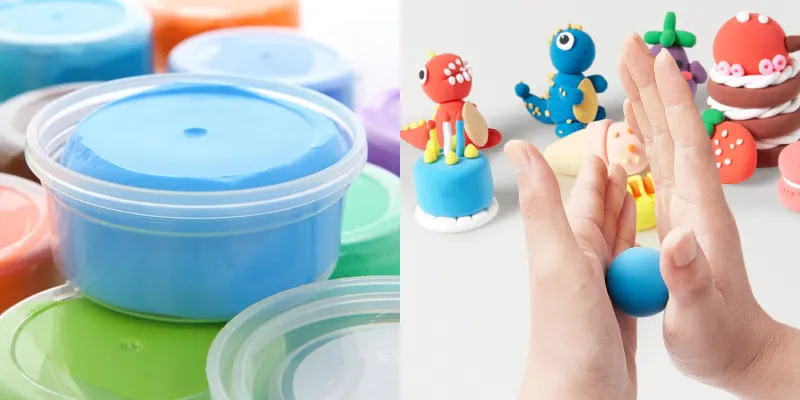
Traditional clay is made directly from the earth and has been used to make pottery, sculpture, and architecture since prehistoric times. Its natural plasticity and richness made it an ideal material for early craftsmen.
In the mid-20th century, manufacturers began to experiment with new formulas to improve the properties of traditional clay. These modern compounds are often made from a blend of natural and synthetic materials and offer enhanced flexibility, color retention, and durability.
In recent years, the focus has shifted towards sustainability and environmental responsibility. The toy industry, including clay toy manufacturing, has responded to the growing demand for eco-friendly products.
Eco-friendly clays are typically made from natural, non-toxic ingredients. These formulations often include organic compounds, natural dyes, and biodegradable components.
For instance, some brands now offer plant-based clays that decompose naturally, reducing environmental impact. These sustainable options ensure that creative play can be both fun and environmentally conscious.
In addition to natural formulations, recycling and waste reduction have become key considerations.
Manufacturers are exploring ways to recycle clay scraps and packaging, minimizing waste throughout the production process. Some companies have introduced closed-loop systems where used clay can be returned and repurposed into new products.
Moreover, innovations in packaging are playing a crucial role in sustainability efforts.
Eco-friendly packaging materials, such as recycled paper and biodegradable plastics, are increasingly being used to wrap and store clay products. These initiatives help reduce the overall carbon footprint of clay toy manufacturing.
As we advance technologically, the methods for crafting clay toys have become increasingly sophisticated.
Techniques now allow for unprecedented levels of detail, durability, and creativity. These advancements are not just improving the quality of the toys but also expanding the boundaries of what’s possible in design and production.
Traditional hand-molding has its charm, but advanced techniques have elevated the precision and efficiency of this craft. Injection molding, for instance, has revolutionized the mass production of clay toys.
By injecting heated, pliable clay into pre-designed molds, manufacturers can produce intricate shapes with consistent accuracy. This method is particularly beneficial for creating detailed figurines and complex parts that would be challenging to achieve by hand.
Another groundbreaking development is the use of silicone molds. These molds are highly flexible and can capture even the most minute details.
Silicone’s heat resistance also allows for the incorporation of various additives into the clay, such as glitter or scents, enhancing the sensory experience of the final product.
Furthermore, silicone molds are reusable and durable, making them an eco-friendly option for mass production.
This technique involves placing a clay-filled mold on a rotating arm, allowing the material to coat the interior evenly. The result is a hollow, lightweight toy that maintains its structural integrity.
Rotomolding is particularly useful for producing large or hollow toys, such as balls or animal figures, with uniform wall thickness and smooth surfaces.
Cutting and shaping are critical steps in transforming raw clay into a finished toy. Precision in these processes ensures that each piece fits perfectly and functions as intended.
It is one of the most precise and efficient methods used today. This technique employs high-powered lasers to slice through clay with unparalleled accuracy.
Laser cutting allows for intricate designs and detailed patterns that would be difficult to achieve with traditional tools. It also minimizes waste by ensuring clean cuts and maximizing the use of the material.
Computer Numerical Control (CNC) machining is another cutting-edge technique revolutionizing the clay toy industry.
CNC machines use pre-programmed software to guide cutting tools, enabling the creation of complex shapes and detailed components. It is especially useful for producing parts that require high precision and consistency, such as interlocking pieces or detailed figurine accessories.
Additive manufacturing, or 3D printing, allows for the creation of complex, layered designs directly from digital files. This technology enables rapid prototyping and customization, allowing designers to experiment with new ideas and bring them to market faster.
3D printing also supports the production of intricate geometries that would be difficult or impossible to achieve with traditional methods.
Nowadays, hybrid techniques that combine traditional handcrafting with modern technology are becoming increasingly popular.

In the ever-evolving landscape of manufacturing, smart automation has become a cornerstone of efficiency and innovation. Embracing smart automation, the clay toy industry is witnessing transformative changes that are setting new standards in creativity, precision, and sustainability.
Imagine a bustling factory floor where robots and humans work in seamless harmony. In the realm of clay toy manufacturing, this vision is rapidly becoming a reality.
One of the most significant advancements is the use of robotic arms for intricate tasks. These robots are equipped with sensors and AI-driven algorithms that allow them to handle delicate clay pieces with care.
Additionally, robots are enhancing efficiency by performing repetitive tasks tirelessly. This continuous operation not only speeds up production but also reduces the margin for error. As a result, manufacturers can meet growing demand without compromising on the quality of their clay toys.
Gone are the days of one-size-fits-all toys. Today, children and parents are looking for toys that offer a personalized touch, and customizable clay toy kits are answering that call. These kits provide all the materials and tools needed to create unique, personalized toys right at home. Each kit is designed to ignite creativity, allowing kids to become toy designers themselves.
Customizable clay toy kits often include a variety of clay colors, molds, and accessories.
One of the standout features of these kits is the inclusion of interchangeable parts. This modular approach means that different components can be mixed and matched to create countless combinations. It’s like a 3D puzzle that encourages experimentation and creativity.
Furthermore, some customizable clay toy kits integrate digital elements. For example, QR codes can link to online tutorials and interactive guides, offering step-by-step instructions and creative ideas. This fusion of physical and digital play expands the learning experience, making it more engaging and dynamic.
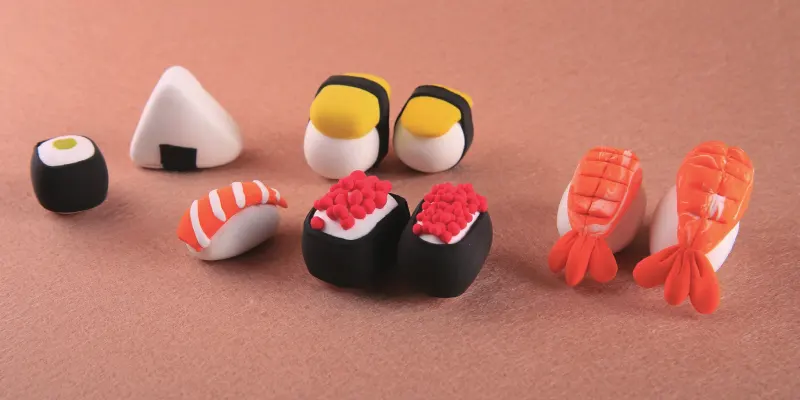
As parents become more vigilant about the products their children play with, manufacturers are rising to the challenge by incorporating groundbreaking safety innovations. From non-toxic materials to advanced packaging solutions, the industry is making giant strides in ensuring that clay toys are as safe as they are enjoyable.
One of the most critical aspects of toy safety is the materials used in their production.
Traditional clays often contained substances that could be harmful if ingested or improperly handled. However, modern clay toy manufacturers are now committed to using non-toxic, child-friendly materials.
Manufacturers are increasingly relying on natural ingredients such as flour, salt, and food-grade dyes to create safe, vibrant clays. These materials are not only harmless but also environmentally friendly, reducing the ecological footprint of toy production.
Furthermore, the use of organic compounds ensures that the clay is biodegradable, contributing to a more sustainable planet.
Regulatory bodies like the Consumer Product Safety Commission (CPSC) in the United States and the European Committee for Standardization (CEN) in Europe have established rigorous guidelines to ensure toy safety.
These standards mandate stringent testing for toxic substances, small parts, and other potential hazards. Compliance with these regulations is not optional; it’s a fundamental requirement for market access.
Certifications such as ASTM International and EN71 provide an additional layer of assurance, indicating that the toys have passed comprehensive safety evaluations. These endorsements give parents peace of mind, knowing that the toys their children are playing with are held to the highest safety standards.
Features like rounded edges, secure attachments, and durable construction minimize the risk of injury during play. By prioritizing safety in both the materials and design, the industry is setting new benchmarks for child-friendly products.
While the safety of the clay itself is paramount, the packaging it comes in is equally important. Innovations in packaging are not only enhancing the safety of clay toys but also making them more convenient and engaging for both children and parents.
These containers are designed to be difficult for young children to open, reducing the risk of accidental ingestion or misuse.
Features like push-and-turn caps or squeeze-and-turn lids ensure that only adults can access the contents, providing an added layer of protection.
Manufacturers are opting for biodegradable or recyclable materials that are free from harmful chemicals. This shift not only aligns with the broader sustainability goals but also ensures that the packaging itself is safe for children.
Packaging made from recycled paper or plant-based plastics is becoming increasingly common, reflecting a growing commitment to environmental responsibility.
For instance, individually wrapped clay portions prevent cross-contamination and make it easier for parents to control usage.
Clear, resealable bags or containers keep the clay fresh and free from dust and contaminants, ensuring it remains safe and pliable for extended periods.
Sturdy, stackable containers with easy-to-carry handles make it convenient for parents to store and transport clay toys. These practical features help maintain an organized play area, reducing the likelihood of accidents caused by clutter.
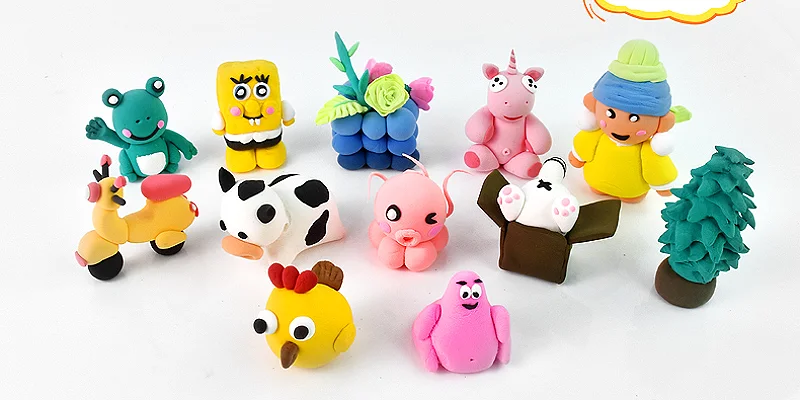
In an era where environmental consciousness is paramount, sustainable practices in manufacturing have moved from a niche concern to a central imperative.
Green manufacturing processes are at the heart of sustainable production. These processes aim to minimize environmental impact through the efficient use of resources and the reduction of harmful emissions. In the context of clay toy manufacturing, several innovative practices are setting new standards.
Many factories are now powered by solar, wind, or hydroelectric energy, drastically reducing their carbon footprint. By harnessing these clean energy sources, manufacturers are able to produce toys without contributing to the depletion of fossil fuels or the emission of greenhouse gases.
Traditional clay production often involves significant water usage, from mixing the clay to cleaning the equipment. To address this, manufacturers are implementing closed-loop water systems. These systems recycle water within the production process, ensuring that every drop is used efficiently and waste is minimized.
Natural and biodegradable ingredients, such as plant-based dyes and organic fillers, are replacing synthetic, petroleum-based components. These materials not only reduce environmental impact but also ensure that the final product is safe for children and can decompose harmlessly at the end of its life cycle.
Advanced filtration and ventilation systems capture and neutralize harmful pollutants before they can be released into the atmosphere. This commitment to clean air benefits both the environment and the health of factory workers, creating a safer and more sustainable workplace.
Waste reduction is a cornerstone of sustainable manufacturing. In clay toy production, innovative strategies are being employed to minimize waste at every stage of the process.
Lean manufacturing focuses on optimizing efficiency by eliminating wasteful practices and streamlining operations.
For instance, precise inventory management ensures that materials are used efficiently, reducing excess and minimizing the need for disposal. By carefully planning production schedules and maintaining optimal stock levels, manufacturers can significantly cut down on waste.
During the production process, excess clay and trimmings are inevitable. Instead of discarding these remnants, manufacturers are now collecting and reprocessing them into new products. This not only reduces waste but also conserves raw materials, making the entire process more sustainable.
Innovative packaging solutions also play a vital role in waste reduction. Eco-friendly packaging materials, such as recycled cardboard and biodegradable plastics, are replacing traditional, non-recyclable options. Additionally, manufacturers are designing packaging that is minimal yet functional, reducing the amount of material used without compromising on protection or aesthetics.
Modern clay toys are more than just fun playthings; they are powerful educational tools that foster creativity, cognitive development, and problem-solving skills.
These sensory toys engage children in a hands-on learning experience that can enhance their academic abilities and stimulate their curiosity about the world around them.
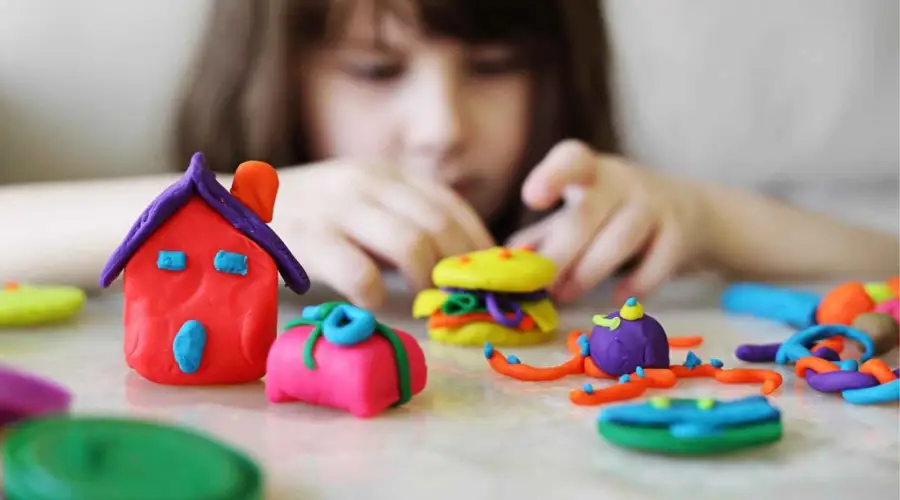
The world of clay toy manufacturing is a vibrant tapestry of innovation and creativity. From the bustling factories of Asia to the artisanal workshops of Europe, every corner of the globe contributes its unique flair and ingenuity to the clay toy industry.
China, with its vast manufacturing capabilities, is leading the way in mass production efficiency. Chinese manufacturers have developed automated systems that streamline the production process, ensuring consistent quality and reducing costs.
In Japan, manufacturers have used advanced molding techniques, utilizing high-precision molds that can create incredibly detailed and intricate designs. These techniques have allowed for the creation of clay toys that are not only fun to play with but also visually stunning.
Meanwhile, German manufacturers are at the forefront of developing eco-friendly materials and sustainable production methods. By incorporating biodegradable components and reducing waste, they are setting new standards for environmental responsibility in the toy industry.
In the United States, companies are developing interactive clay toys that incorporate digital elements, such as augmented reality (AR) and app-based learning.
The world of clay toys has come a long way from its humble beginnings, evolving through ingenuity and technological advancements.
The future of clay toys gleams with promise, as innovation and creativity continue to drive this beloved industry forward. As we look ahead, several key trends and developments suggest a bright and exciting future for clay toys.
A practical guide to the best colored air-dry molding clay—covering texture, color quality, durability, and child-safe materials.
A practical guide on pre-colored air dry clay safety, including potential risks, handling tips, and ensuring safe creative play for children.

Air dry clay made easy: practical miniature-making advice for smoother sculpting, safer handling, and more durable tiny designs.
Expert insights on choosing the best clay for miniature figures, highlighting polymer, air dry, and modeling clays for creative and detailed projects.