
Slime Packaging Guide: Jars, Tubs, Cups, and Custom Containers
Compare slime jars, tubs, cups, and custom containers to find the right packaging for your product, budget, target market, and shipping needs.

Slime is often seen as a simple toy, yet its use has expanded beyond children’s play. In recent years, adults have begun to use slime in quiet, controlled ways. This shift is linked to interest in sensory tools and simple stress control methods.
Slime is a soft material made from polymers that form a flexible network. It can stretch, flow, and slowly return to shape. These properties come from cross-linked molecules that trap water within the structure.
Today, slime is used in more than play. Some adults use it during short breaks, while others keep it nearby during tasks that require low mental load. The goal is not output, but simple hand movement and tactile input.
The way slime behaves also matters. Its resistance to motion creates feedback in the hands. This feedback can help users stay aware of their actions without much effort.
Adults often deal with long periods of screen use and mental strain. Simple sensory input, such as touch, can help shift attention away from abstract tasks.
Slime provides steady and predictable tactile feedback. Repetitive actions like stretching or pressing may support basic forms of sensory regulation. Some studies suggest that repetitive motion can help maintain attention in low-demand settings (Staal, 2004, stress and attention research).
In addition, slime does not require skill or setup. This makes it easy to use in short intervals without interrupting ongoing tasks.
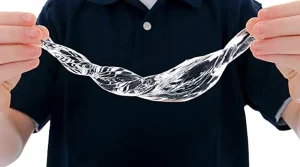
One common idea is that slime is only for children. In fact, similar tactile tools are used in adult settings, including therapy and stress management programs.
Another misconception is that slime can solve stress problems on its own. While it may support short-term focus or calm, it does not replace structured methods such as exercise or sleep regulation.
There is also a belief that all slime use improves focus. In reality, too much sensory input can distract attention. The effect depends on timing, task type, and individual response.
Slime use is linked to basic physical and neurological processes. Its effects are not random. Instead, they come from how the material responds to force and how the body reacts to touch.
Slime is a non-Newtonian material. This means its flow changes under force. When pulled slowly, it stretches. When pulled quickly, it may break. This behavior comes from its internal polymer network.
Viscosity refers to how easily the slime flows. Thicker slime resists motion, while softer slime moves more freely. This resistance creates a steady force against the hands.
Elasticity is the ability to return to shape after being stretched. In slime, this effect is limited but noticeable. The balance between flow and stretch gives slime its unique feel during use.
Touch signals from the skin travel through sensory nerves to the brain. These signals are processed in areas linked to perception and motor control.
When a person interacts with slime, pressure and movement activate these sensory pathways. This can increase awareness of physical actions without requiring complex thought.
Research in neuroscience shows that tactile input can influence attention and arousal levels (McGlone et al., 2014, Trends in Neurosciences). The effect depends on intensity and duration of the stimulus.
Repetitive motion is a simple but important pattern. Actions such as squeezing or rolling slime follow a steady rhythm. This rhythm can support predictable sensory input.
Such movements may help regulate attention during low-demand tasks. The brain can process the motion in the background while focusing on other activities.
However, repetition has limits. If the motion becomes too engaging, it may shift attention away from the main task. Balance between movement and focus is key for effective use.

Slime use is often linked to simple psychological responses rather than deep change. Its effects come from touch, motion, and short breaks in attention. These factors can influence how a person feels in the moment.
However, the impact is usually mild and temporary.
Slime may reduce stress through basic sensory input. When a person presses or stretches it, the hands receive steady feedback. This can shift attention away from stressful thoughts.
In some cases, repetitive motion helps lower mental tension. Studies on simple motor activity suggest that low-level movement can reduce signs of stress during routine tasks (Staal, 2004).
Still, the effect depends on the situation. Slime is more useful during mild stress, not during strong emotional distress.
Sensory play involves controlled input from touch, sight, or sound. Slime provides a consistent tactile signal that is easy to manage.
This type of input may support emotional regulation by offering a stable focus point. When attention is guided to a simple action, emotional intensity may decrease slightly.
Neuroscience research shows that sensory input can influence brain systems linked to emotion and attention (McGlone et al., 2014). However, the response varies between individuals.
Slime is not a full coping method. It does not address the source of stress or anxiety. It only provides short-term sensory relief.
Overuse may also reduce its effect. If the brain becomes used to the input, the calming response may weaken over time.
In addition, some people may find the texture distracting or unpleasant. For these users, slime may increase discomfort rather than reduce it.
Slime use can affect attention in small but measurable ways. These effects are linked to sensory input and simple hand movement. However, the outcome depends on the task and the user’s response.
In some cases, slime supports focus. In others, it may interrupt thinking.
Slime may help concentration during low-demand tasks. Light hand movement can provide background sensory input while the mind stays on a main activity.
This effect is similar to other fidget behaviors. Some research suggests that small movements can support attention in certain settings, especially when tasks are repetitive.
However, for complex tasks, extra sensory input may compete for attention. In such cases, slime can reduce focus rather than improve it.
Mental fatigue often appears after long periods of focused work. Short breaks with simple activities can help restore attention.
Using slime during brief pauses may help reset cognitive load. The hands stay active, while the mind shifts away from demanding tasks.
This type of break works best when it is limited in time. Long or continuous use may reduce its benefit and delay return to focused work.

Not all sensory input is helpful. If slime requires too much attention, it can interfere with thinking.
Bright colors, strong textures, or frequent movement may pull focus away from tasks. This is more likely during activities that require memory or problem-solving.
The key is control. Slime should remain a background activity, not the main focus. If attention shifts too often, it may be better to stop using it.
Although often linked to children, slime also engages adult motor systems. Hand movement, pressure control, and coordination all play a role during use.
These actions are simple but repetitive. Over time, they may influence how the hands respond to small tasks.
Handling slime requires controlled finger movement. Actions such as pinching, stretching, and folding engage small muscle groups in the hands.
These movements can support fine motor control. They also increase awareness of hand position and pressure.
For adults with low hand activity, this type of movement may provide light physical engagement during the day.
Slime offers mild resistance when pressed or stretched. This resistance activates muscles in the fingers and palm.
Repeated use may support basic hand strength. It also helps coordinate movement between both hands during shaping or pulling.
However, the effect is limited. Slime does not replace structured exercises for strength or rehabilitation.
Repetitive motion can support rhythm and consistency in movement. Simple patterns may help maintain steady hand activity without much effort.
At the same time, too much repetition may lead to fatigue. Long sessions without rest can strain small muscles in the hand.
Balanced use is important. Short and controlled sessions are more effective than extended, continuous movement.
Slime is one of many sensory or fidget tools. Its effects are shaped by how it engages touch, movement, and focus. Comparing it to other tools helps clarify when it may or may not be useful.
Slime provides continuous tactile feedback and resistance, unlike most small fidget gadgets. This resistance allows stretching, pressing, and rolling, which engages more hand muscles.
Fidget tools such as spinners or cubes are mostly repetitive and low-resistance. They occupy attention differently and are often more portable.
Slime requires more space and cleanup but offers richer sensory engagement. The choice depends on the type of motor or sensory input desired.
Traditional relaxation methods, such as deep breathing or meditation, focus on physiological regulation. They affect heart rate, respiration, and mental calmness directly.
Slime provides indirect relief. It influences attention and minor hand movement, which may reduce perceived tension, but it does not replace structured relaxation practices.

It can complement traditional techniques, for example, during a short mental break, rather than serve as a primary stress management tool.
Slime is most useful in short, low-pressure contexts. It works well during brief breaks, low-demand tasks, or moments of mild frustration.
It can also help maintain light sensory engagement when seated for long periods. For example, office workers or students may use slime to keep hands active without interrupting focus entirely.
Slime is less effective in high-stakes or highly demanding tasks, where attention must remain fully on the work.
Although generally safe, slime is not risk-free. Its physical and sensory properties can pose minor issues.
Adults should consider skin reactions, hygiene, and overuse when deciding how to integrate slime into daily routines.
Some slime formulations contain chemicals, preservatives, or fragrances that may irritate skin. Repeated contact can worsen sensitivity for some users.
Even mild reactions like redness or itching may appear after prolonged handling. Users with known allergies should check ingredients and monitor their response.
Washing hands after use and limiting exposure helps reduce the risk of irritation.
Slime is porous and can collect dust, dirt, or bacteria. Leaving it exposed or sharing it increases contamination risks.
Proper storage in sealed containers is important. Cleaning hands and surfaces before and after use helps maintain hygiene.
Regular inspection of slime for changes in texture or smell can also prevent accidental exposure to spoiled material.
Frequent or prolonged use may lead to reliance on slime for focus or stress relief. Over time, the calming effect may diminish if the brain expects constant input.
Excessive use may also distract from tasks requiring full attention. Setting time limits and monitoring use ensures it remains a helpful, rather than disruptive, tool.
Using slime safely requires attention to environment, time, and hygiene. Simple rules help maximize its benefits while minimizing distraction, mess, or skin irritation. Controlled use ensures that slime remains a practical sensory tool.
Slime works best in calm, low-pressure settings. Flat surfaces, enough space, and minimal interruptions reduce the risk of spills or distractions.
Avoid using slime near electronics, food, or areas with strong airflow, which can dry it quickly or spread small particles. Choosing the right environment preserves both focus and safety.
Short sessions are most effective. Using slime for a few minutes during a break provides sensory input without interfering with primary tasks.
Extended or continuous use may reduce its calming effect and can cause hand fatigue. Scheduling slime use during predictable downtime ensures it supports rather than distracts from work or study.

Washing hands before and after use reduces dirt and chemical residue. Keeping slime in a sealed container prevents contamination and preserves its texture.
Regularly inspect slime for signs of dryness, discoloration, or odor. Damaged or contaminated slime should be replaced to maintain safe handling.
While adults vary in response, certain groups may gain more from controlled slime use.
Slime offers low-effort tactile engagement, which may slightly reduce perceived tension during mild stress. Short, repetitive sessions can provide sensory breaks without requiring focus on complex tasks.
It is important to note that this does not replace structured stress management, but it can complement other strategies for relaxation.
Adults with sensory sensitivities may use slime to regulate tactile input. Consistent feedback from soft, stretchable material can help maintain calm and attention in certain environments.
Choosing the right type of slime—texture, firmness, and resistance—tailors the experience to individual sensory preferences.
In sedentary or repetitive work settings, slime can maintain light hand movement. This may prevent stiffness, support motor coordination, and provide brief mental breaks.
Its use should be limited to low-distraction periods, such as breaks or quiet moments, to avoid interfering with cognitive tasks or meetings.
Integrating slime into daily routines requires planning and awareness. Done correctly, it can provide short sensory breaks, aid focus, and support relaxation without becoming a distraction. Small strategies make its use more effective and sustainable.
Short breaks are ideal for slime use. A few minutes of squeezing, stretching, or rolling can provide sensory stimulation while giving the mind a brief pause from tasks.
Timing is key: use it between meetings, after completing a focused task, or during a quick mental reset. Limiting sessions prevents fatigue or over-reliance on the activity.
Slime can complement mindfulness by drawing attention to touch and movement. Focusing on the feel, resistance, and motion helps ground attention in the present moment.
Adults can combine slow breathing with deliberate manipulation of slime. This pairing reinforces awareness of body sensations while subtly reducing stress without overloading the senses.
Using slime in shared or professional spaces requires consideration. Keep it contained on a clean surface, away from electronics and food.
Establish limits on duration and frequency to prevent distractions. Communicating boundaries with coworkers, if needed, helps maintain a balance between personal sensory engagement and productivity.

Playing with slime can offer adults brief sensory engagement, mild stress relief, and light motor activity. Its effects depend on controlled use, short sessions, and suitable environments. While it may support focus and emotional regulation, slime is not a replacement for structured stress management or relaxation techniques. Balanced and mindful use allows adults to enjoy its tactile benefits safely.
Compare slime jars, tubs, cups, and custom containers to find the right packaging for your product, budget, target market, and shipping needs.

Learn how glitter, beads, and charms enhance slime products through visual appeal, tactile variety, themed play, and better product differentiation.

Learn the key steps behind a successful slime launch, from product development and sampling to safety compliance, packaging, and production.

Explore what makes slime safe for children and learn simple ways to support fun, responsible, and healthy sensory play at home or school.