
What is the best sand for sensory play?
A practical guide to sensory sand types, safety checks, age recommendations, and how to choose the right material for children’s play.

Sand is a classic tool in children’s play, offering both tactile stimulation and opportunities for learning. From outdoor playgrounds to indoor classrooms, different types of sand, including kinetic sand, provide varied sensory experiences.
Normal sand is naturally occurring, made of tiny mineral particles like quartz. Its texture is coarse and granular, changing slightly with moisture. In schools and playgrounds, it encourages outdoor play, allowing children to dig, mold, and build while improving gross motor skills.
Normal sand can also be used in science experiments, teaching concepts like weight, volume, and erosion. While it is versatile, it may be messy, and its dust can sometimes irritate sensitive skin or respiratory systems, which is why supervision is often needed.
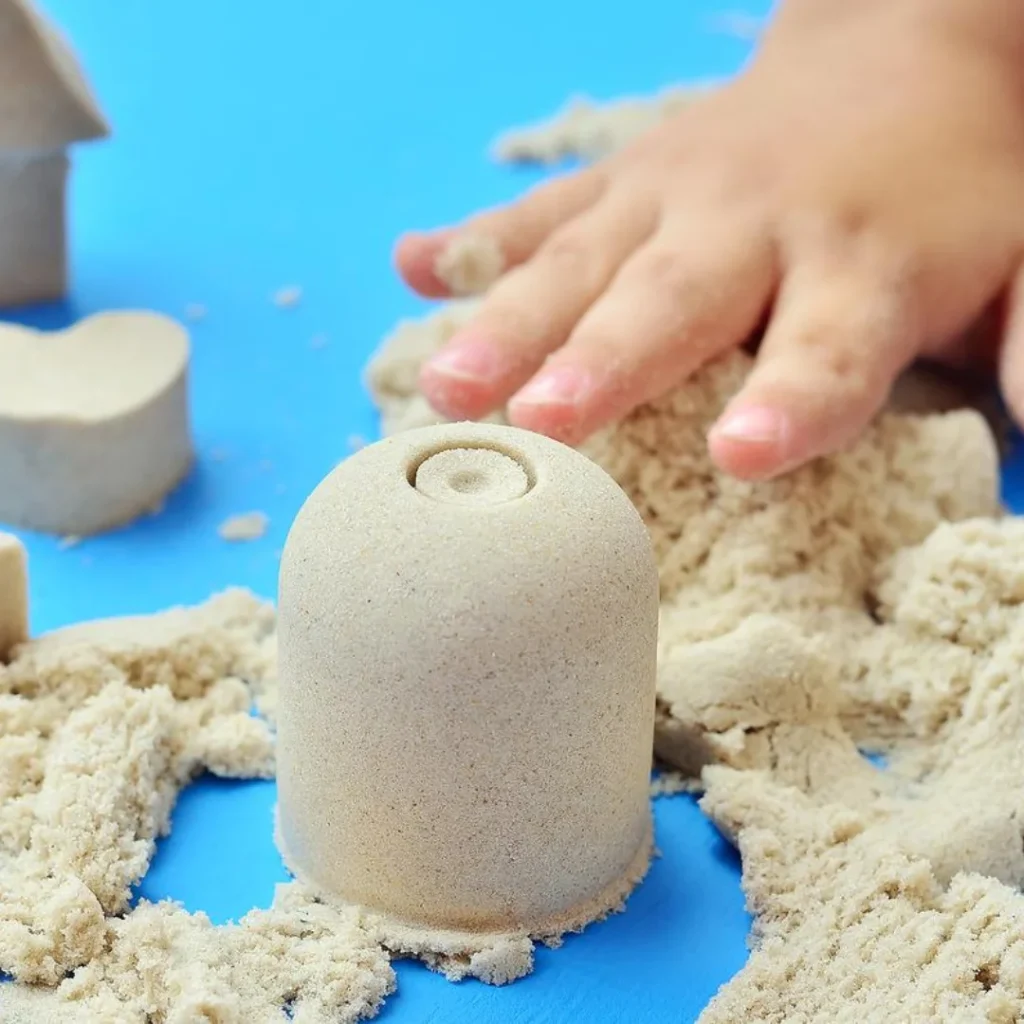
Kinetic sand is a modern alternative designed for indoor play. It contains fine sand coated with a polymer or binding agent, which gives it a moldable, non-drying, and slightly sticky texture. This allows children to shape and sculpt it easily on a tabletop without the mess typical of normal sand.
The unique behavior of kinetic sand—flowing like wet sand while remaining cohesive—offers distinct sensory feedback. It also supports fine motor development and imaginative play. Its indoor usability and low-dust nature make it a safer choice for classrooms and homes.
Different sand types provide different learning experiences. Normal sand encourages outdoor exploration, physical activity, and scientific observations of natural materials. Kinetic sand, on the other hand, promotes indoor creativity, precision, and tactile exploration, which can support fine motor skills and sensory learning.
Recognizing these differences allows educators and parents to align sand-based activities with educational goals. For example, a lesson on construction or measurement may benefit from normal sand, whereas a session on sculpting or sensory integration might favor kinetic sand.

The physical makeup of sand strongly influences how children interact with it. Normal sand and kinetic sand differ in texture, cohesion, and moisture behavior, affecting both play and educational activities.
Normal sand consists of tiny mineral grains, often uneven in size and shape. Its coarse, granular feel changes when it gets wet, allowing clumping for building simple structures. Moisture content alters how easily it holds shape, which is essential for outdoor sensory and construction play.
Children manipulating normal sand develop gross motor skills and hand strength, especially when digging or moving large amounts. However, dry sand can be dusty and harder to control indoors, making it less suitable for precise sculpting activities.
Kinetic sand contains polymers or other binding agents that coat each grain. This creates a unique texture: soft, moldable, and slightly sticky, yet it flows through fingers like wet sand. Unlike normal sand, it retains shape without water, enabling detailed sculpting and indoor use.
The cohesive behavior of kinetic sand also reduces mess and dust exposure, while providing consistent sensory feedback. Children can pinch, squeeze, and shape it repeatedly, promoting fine motor control and enhancing tactile learning experiences.
The composition of sand influences its texture, safety, and suitability for educational play. Normal sand and kinetic sand differ not only in feel but also in their chemical and physical makeup.
Normal sand is primarily composed of minerals like quartz, feldspar, and mica. These grains form naturally through erosion and sedimentation processes, resulting in uneven particle shapes and sizes. Its natural composition provides an authentic tactile experience that connects children to real-world materials.
Exposure to natural sand allows learners to explore basic geological concepts, such as sediment layers and particle density. However, the coarse texture and dust can sometimes irritate sensitive skin or airways, which is why proper supervision and occasional wetting of sand are recommended.

Kinetic sand contains fine mineral sand coated with polymers, which give it unique moldable and flowing properties. Additives may include substances that enhance stickiness, prevent drying, and maintain consistent texture over time. These changes make it ideal for indoor play and precise sculpting.
The polymer coating allows kinetic sand to behave like a semi-solid while remaining soft to the touch. It retains shape without water and flows gently when manipulated, supporting creative play and fine motor skill development in a controlled environment.
Safety is crucial when selecting sand for children. Both normal sand and kinetic sand used in classrooms or homes are generally non-toxic and free from harmful chemicals. Kinetic sand formulations are designed to meet child safety standards, reducing the risk of ingestion or skin irritation.
Educators and parents should always verify product labels and certifications. Even with safe formulations, supervision is recommended, especially for younger children, to ensure proper use and to maintain a clean play area.
Hands-on play with sand provides children with essential sensory feedback. Both normal sand and kinetic sand engage the sense of touch, yet they offer different tactile qualities that can influence learning, creativity, and fine motor development.
Normal sand offers a granular, coarse texture that varies with moisture. Children feel the rough edges and shifting grains as they scoop, pour, or mold sand, providing rich tactile feedback. This sensory input helps develop hand strength, coordination, and an understanding of material properties.
Activities like building sandcastles or tracing shapes enhance motor planning and spatial awareness. The variability of normal sand encourages problem-solving, as children adapt their movements to control its shape and stability.
Kinetic sand combines soft, moldable grains with polymers, creating a uniquely smooth yet slightly sticky feel. It flows through fingers yet holds its shape, offering predictable and engaging sensory input. This can be calming for children and allows for repetitive manipulation, which supports fine motor refinement.
Unlike normal sand, kinetic sand can be used indoors without dust or mess, maintaining a controlled environment for sensory exploration. Its tactile properties encourage creativity, sculpting, and precise hand movements, enhancing both educational and developmental play experiences.
Normal sand and kinetic sand each foster distinct skills. Normal sand emphasizes gross motor coordination, problem-solving, and experiential learning with natural materials. Kinetic sand focuses on fine motor control, detailed sculpting, and consistent tactile feedback for structured play.
In combination, both types offer complementary benefits. Children can switch between the sensory variability of normal sand and the controlled, moldable texture of kinetic sand, promoting versatile cognitive, physical, and creative development.
Different types of sand support distinct play and learning environments. Normal sand and kinetic sand provide versatile opportunities for creativity, problem-solving, and sensory exploration, but their contexts and applications vary.
Normal sand excels in outdoor and large-scale play. Children can dig, build sandcastles, and explore natural textures, which encourages gross motor skills and spatial reasoning. Its variability allows imaginative scenarios, such as creating landscapes, roads, or pretend play worlds.
Outdoor activities with normal sand also expose children to nature and environmental learning. Handling natural materials teaches patience, experimentation, and observation of cause-and-effect, fostering cognitive growth alongside physical coordination.
Kinetic sand is ideal for indoor, tabletop, or small-scale play. Its moldable and flowing properties support structured activities such as letter tracing, shape formation, and mini sculptures. This controlled texture allows precise hand movements, enhancing fine motor skills and dexterity.
Kinetic sand encourages focused, creative tasks without the mess of normal sand. Teachers can design guided activities or free-form projects that reinforce academic concepts, artistic expression, and problem-solving skills, making it versatile for classroom or home-based learning.
The upkeep and practical use of normal sand and kinetic sand differ significantly. Knowing these differences helps educators and parents maintain a clean, safe, and engaging play environment. Proper handling ensures that children can enjoy these materials without hygiene or usability issues.
Normal sand can be messy and requires careful storage to prevent contamination. Outdoor sandboxes may attract debris or pests, and indoor use can scatter grains that are difficult to clean. Frequent cleaning and covered storage help maintain hygiene and usability.
Kinetic sand is easier to manage indoors. Its slightly sticky texture minimizes scattering, and it can be stored in sealed containers to preserve moisture and pliability. Wiping surfaces after use reduces residue, keeping play areas clean and child-friendly.
Normal sand is highly durable and can be reused outdoors over extended periods, but it may compact or lose cleanliness with heavy use. Its longevity depends on maintenance and environmental factors like moisture or contamination.
Kinetic sand maintains its moldable properties over time if stored properly. While it is intended for repeated indoor use, exposure to dirt, water, or extreme temperatures can reduce its pliability. Proper storage ensures prolonged usability for structured educational activities.
Safety concerns differ between normal and kinetic sand. Awareness of potential risks helps ensure that children can explore tactile materials without health hazards, while teachers can plan safe play experiences.
Normal sand can produce fine dust, which may irritate the respiratory system, eyes, or skin. Children with allergies or asthma are especially sensitive, making ventilation and supervision important during play. Wetting sand slightly can reduce dust exposure.
Outdoor sandboxes should be covered when not in use to prevent debris, mold, or animal contamination. Monitoring hygiene and cleaning hands after play minimizes health risks while allowing safe sensory exploration.
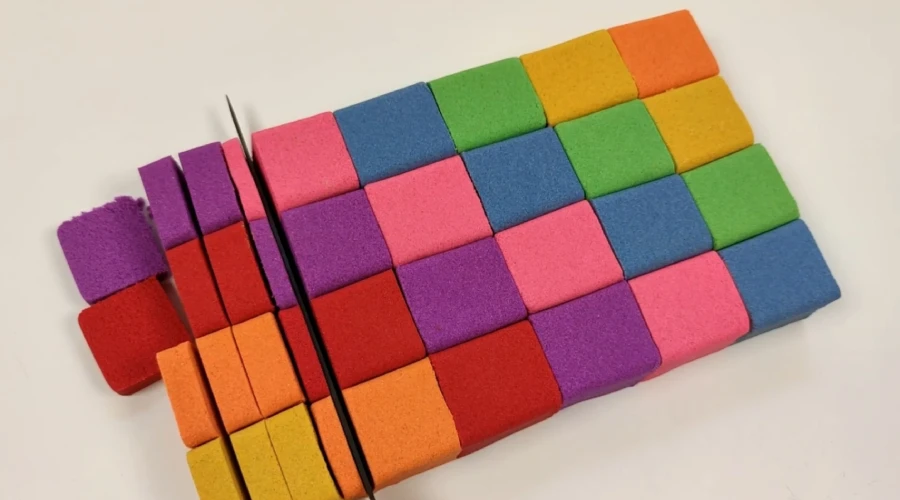
Kinetic sand is formulated to be non-toxic and safe for children, yet prolonged contact may irritate sensitive skin. Allergic reactions are rare but possible depending on the polymer or additive composition.
Supervised use, handwashing, and avoiding ingestion are recommended. Parents and educators should check labels for age recommendations and ingredient safety, ensuring that children enjoy tactile play without adverse effects.
Both normal sand and kinetic sand offer unique opportunities to support learning and creativity.
Normal sand works well for outdoor STEM and problem-solving projects. Children can explore concepts like measurement, volume, and gravity by building structures, creating ramps, or observing sand behavior. This tactile engagement promotes critical thinking and observational skills.
Outdoor sand play also encourages social collaboration. Group projects in sandboxes or sandpits can teach teamwork, planning, and communication while children experiment with natural materials in an unstructured, imaginative setting.
Kinetic sand is ideal for indoor activities that focus on fine motor development and sensory exploration. Its moldable texture allows children to form shapes, letters, or mini structures, improving hand dexterity, coordination, and control.
In classrooms or therapy sessions, kinetic sand can be used for targeted exercises like tracing, sculpting, or problem-solving challenges. It provides controlled sensory stimulation that enhances focus, creativity, and cognitive engagement while minimizing mess.
Selecting the appropriate sand type depends on age, skill level, activity setting, and learning objectives. Making informed choices ensures that children benefit safely and effectively from tactile play experiences.

Younger children may benefit more from kinetic sand due to its moldable, contained nature, which reduces mess and supports fine motor skill development. Older children or groups can explore normal sand outdoors to practice large-scale construction, creativity, and STEM concepts.
Matching the sand type to developmental stage allows educators to scaffold learning experiences. Sensory exploration, problem-solving, and motor skill challenges can be tailored to each child’s needs while maintaining engagement and safety.
Normal sand is ideal for outdoor, imaginative, and collaborative projects, supporting STEM learning, gross motor skills, and environmental interaction. Kinetic sand suits indoor, structured, and sensory-focused activities, enhancing creativity, precision, and focused engagement.
Understanding activity goals—whether fostering large-scale exploration or detailed skill development—helps educators and parents select the sand type that best supports educational outcomes and safe, enjoyable play.
Kinetic sand and normal sand each offer unique learning and sensory benefits. Choosing the right type enhances creativity, fine and gross motor skills, and STEM learning while keeping play safe, engaging, and educational.
A practical guide to sensory sand types, safety checks, age recommendations, and how to choose the right material for children’s play.
Explore whether kinetic sand helps with anxiety, including sensory benefits, calming effects, and practical tips for safe play.

Explore what sensory sand is made of, why children love it, and how its unique materials enhance learning, creativity, and fine motor skills.
Discover what makes kinetic sand so special — from its unique texture to the fascinating science behind its magical movement.