
What is the best sand for sensory play?
A practical guide to sensory sand types, safety checks, age recommendations, and how to choose the right material for children’s play.
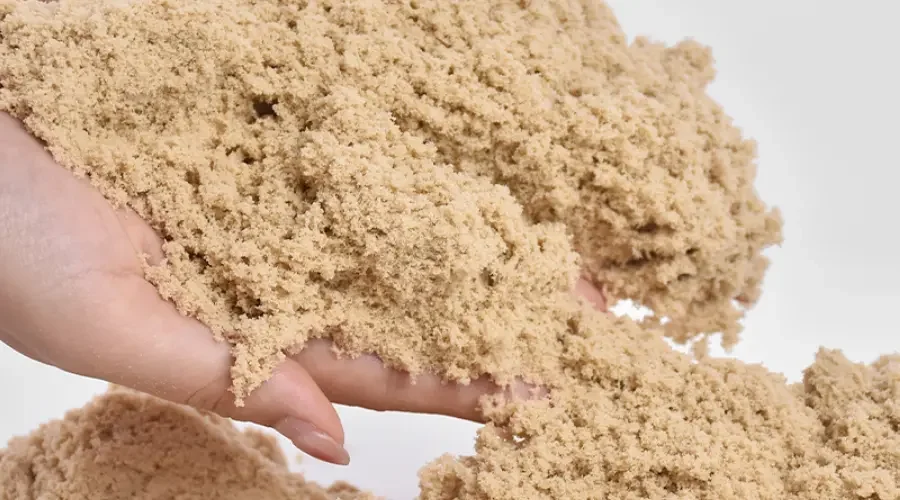
Magic sand may look ordinary at first glance, but drop it in water, and something strange happens—it stays dry. That’s not a trick. It’s science.
This special type of sand is coated with a substance that repels water. Scientists call this a hydrophobic surface. It means water can’t stick to it, so it slides right off.
Back in the 1980s, researchers explored water-resistant coatings for underwater cables and pipelines. That same idea, using waterproofing materials, later became the base for magic sand used in classrooms today (Anderson et al., Journal of Applied Polymer Science, 1987).
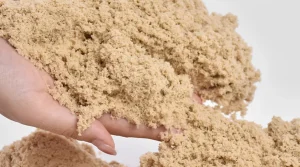
To the naked eye, magic sand looks a lot like beach sand—gritty, grainy, and golden. But touch it, and you’ll notice it’s a little smoother. Some brands might even feel slightly waxy.
Now try pouring it into water. Regular sand clumps and sinks, soaking up the moisture. Magic sand forms shimmering towers or blobs. It stays dry even when submerged. Take it out, and it pours like it never got wet.
A fifth-grader once called it “sand with a raincoat.” That’s not far off.
Teachers often use magic sand in science lessons about water resistance, surface tension, and material properties. It’s an easy way to show big ideas in a hands-on way.
One common experiment involves building underwater sandcastles. Since the sand repels water, it keeps its shape beneath the surface. This helps students explore how gravity and pressure work without needing fancy tools.
In some schools, magic sand is also used to explain environmental science topics like oil spills. Its water-repelling nature mimics how oil behaves on the ocean’s surface, giving kids a clearer view of what happens during marine pollution events.

When you drop magic sand into water, it doesn’t soak or sink like regular sand. Instead, it clumps into strange shapes and keeps dry. But how? This curious behavior isn’t magic—it’s chemistry. To answer the question, we need to look at what makes the surface of each grain special, and how water responds to it.
The word hydrophobic comes from Greek—hydro means water, and phobos means fear. So, hydrophobic materials “fear” water. Not in a spooky way, of course, but they don’t mix well.
Each grain of magic sand is coated with a thin layer of water-repelling material. Most often, this is a type of silicone. This coating changes how the sand interacts with water. Instead of sticking, water bounces off.
You can think of it like oil on a frying pan—just as the oil keeps food from sticking, the silicone layer keeps water away from the sand.
Water molecules like to stick together. This creates something called surface tension. You can see it when a drop of water forms a bead on a leaf or glass.
Now, when water meets the surface of magic sand, that surface doesn’t attract it. There’s no bonding between them. So, the water can’t spread out or soak in. It pulls itself together, forming round beads and slipping off.
This is why magic sand stays dry. It’s not absorbing water—it’s pushing it away. The surface tension of the water and the sand’s coating work together to keep the grains dry, even when fully submerged.
Magic sand looks simple, but it’s hiding a tiny secret. The real difference lies in what covers each grain. This coating is what gives the sand its “waterproof” effect. Without it, magic sand would just be regular sand from your backyard.
So, what exactly is this special layer? And how does it change the way sand behaves in water?
The magic starts with a thin layer of silicone. It’s a flexible, rubbery material often used in baking molds, phone cases, and even medical tools. In magic sand, silicone acts as a barrier between the sand and water.
Once the sand grains are coated, their surface becomes hydrophobic. Water can’t grip or soak in. Even though you can’t see the silicone with your eyes, it’s working all the time—keeping each grain dry, even when fully underwater.
Scientists call this kind of surface treatment “functional coating.” It doesn’t change the shape of the sand, just how it interacts with the world around it.
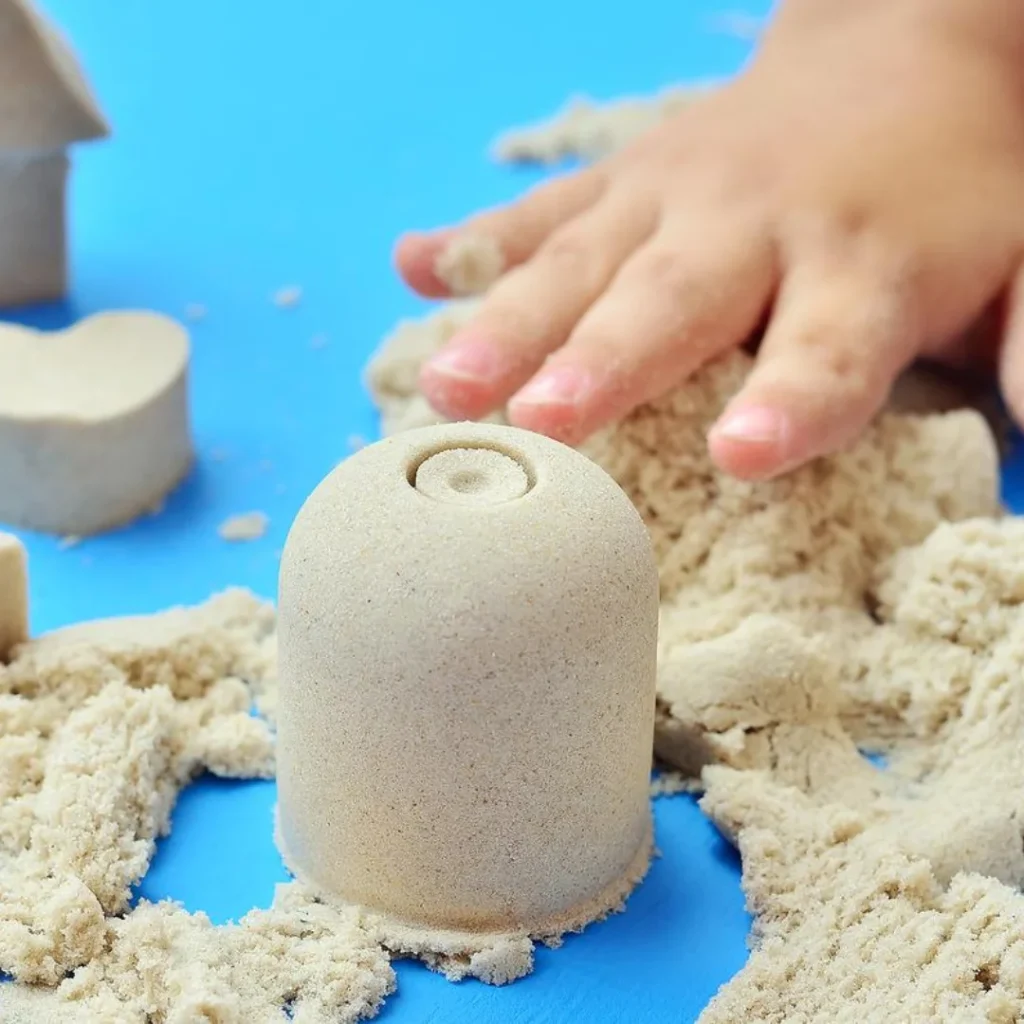
Try this at home: pour regular sand into a bowl of water. It will quickly get wet, darken in color, and sink. That’s because natural sand is made of tiny minerals like quartz, which have no coating. Water sticks easily.
Now pour magic sand into the same bowl. Instead of spreading, it piles up in soft mounds. The grains cling to each other but not to the water. Lift them out, and they’re still dry.
This simple experiment shows how one small change—a silicone coating—can make a big difference in behavior.
To truly understand how magic sand stays dry, we need to zoom in—way in—to the world of molecules. The secret lies in something called hydrophobicity. This concept doesn’t just apply to sand. It’s found in plants, clothing, animals, and even your own skin.
Let’s break it down and see how this strange yet common feature makes water behave in such surprising ways.
In chemistry, hydrophobic means “water-fearing.” It describes materials that do not mix or bond well with water molecules.
Most hydrophobic surfaces are made of non-polar molecules. Water, on the other hand, is polar. Since opposites attract and likes repel, water avoids non-polar surfaces, like oil or wax.
This lack of attraction is what creates that beading effect—water clumps together instead of spreading out.
You’ve probably seen hydrophobic materials without even knowing it. Raindrops rolling off a waxed car? That’s hydrophobic. Water bouncing off a duck’s feathers? Same thing.
Lotus leaves are one of nature’s best examples. Their surface is covered with tiny bumps coated in wax. Water can’t grab on, so it rolls away, carrying dirt with it. Scientists call this the lotus effect.
Even some insects use hydrophobic hairs to trap air and breathe underwater. Nature figured this out long before we did.
Each grain of magic sand has a hydrophobic surface. When it meets water, there’s no attraction. Water can’t spread or stick, so it forms round drops instead.
This keeps the sand dry at the molecular level. Instead of absorbing water like a sponge, it acts more like a raincoat—shedding moisture, staying separate.
So even if you bury magic sand deep in water, it won’t soak. It’s not waterproof because of size or shape—it’s waterproof because water doesn’t want to touch it.
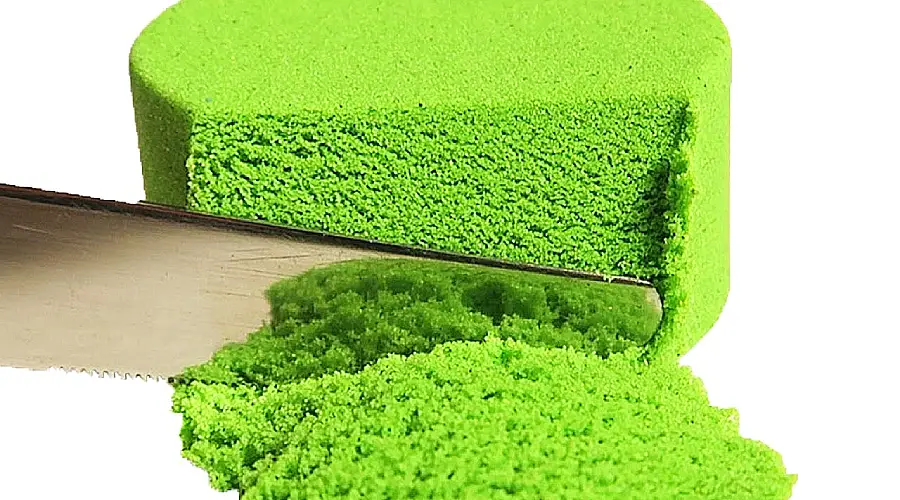
When you place magic sand underwater, it behaves unlike anything else at the beach. It doesn’t mix, it doesn’t sink like wet sand, and it doesn’t clump the way flour or soil might.
To understand this strange behavior, we need to take a closer look at what happens during contact—right at the boundary where water meets sand.
>> Can Kinetic Sand Go Down the Sink? What You Needs to Know!
Water molecules are like a tight group of friends—they like to stick to each other more than to outsiders. That’s why you often see water forming little droplets instead of spreading out.
On a hydrophobic surface like magic sand, water has nothing to hold onto. There’s no attraction. So it pulls itself into beads or domes, the smallest shape it can form without touching more of the surface than necessary.
This is the same reason rain rolls off a waterproof jacket. The water just doesn’t want to stay.
In most materials, tiny gaps—called pores or capillaries—pull water in. Think of how a paper towel sucks up a spill. That’s capillary action.
But magic sand is different. Its surface doesn’t allow this pulling to happen. The silicone coating blocks the water from entering the spaces between the grains. No soaking, no absorption.
Even when pushed underwater, the space around each grain stays full of air. That’s why the sand seems to hold a shape—it’s surrounded by invisible pockets of dry space.
Lift magic sand out of the water and you’ll see something strange. It instantly turns dry again—no dripping, no dark wet patches.
The hydrophobic coating makes sure water never really touches the grain. Once you pull it back into the air, the beads of water slide off, leaving the sand as dry as it was before.
It’s not magic. It’s just science doing what it does best—following rules that most people don’t notice until they’re put under a microscope… or into a bowl of water.
Magic sand may seem like it will stay dry forever—but like most materials, it has limits. Its waterproof behavior depends on the surface coating, and that coating isn’t invincible.
In certain conditions, the sand can lose its hydrophobic nature and begin to act more like regular sand. Let’s take a look at when and why that might happen.
Magic sand works because of the silicone coating on each grain. But this coating can wear off over time.
If the sand is stirred too roughly, the grains can rub together and scrape off parts of the coating. High heat, harsh chemicals, or strong detergents may also break down the surface layer.
In classroom experiments, pouring magic sand into soapy or salty water can sometimes reduce the water-repelling effect. These liquids interact differently with the surface, disrupting the delicate balance that keeps the sand dry.
In short: magic sand works best in clean, gentle water and under light handling.
Yes, repeated use can affect the way magic sand behaves. With every use, grains knock into each other. Over time, this physical contact can damage the silicone shield.
Also, if the sand is not stored properly—like if it’s left wet or exposed to moisture in the air—it may slowly absorb water or allow mold to grow between grains.
Some signs that the magic is fading: the sand starts sticking together even when dry, or it no longer forms crisp shapes underwater. In that case, it’s not ruined—but it may be better used for dry activities rather than underwater experiments.
Before using any new material with children, safety always comes first. Magic sand is often marketed for science experiments and sensory play, but that doesn’t mean it’s suitable for every age group.
Let’s break down what’s in it, how to use it responsibly, and what adults should keep in mind during activities.
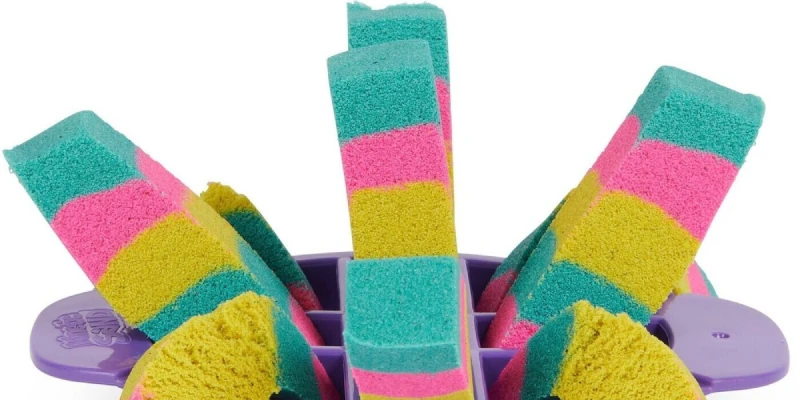
Most commercial magic sand products are made with non-toxic materials. The sand itself is usually natural, and the silicone coating is similar to what’s found in cookware and medical items.
Still, “non-toxic” doesn’t mean “edible.” Magic sand should never be eaten or inhaled. Younger children—especially under age 3—may try to put it in their mouths, which poses a choking risk.
Always check the packaging for safety labels. Look for terms like ASTM D-4236 or EN71 certified, which show that the product has passed safety testing.
If you’re making homemade magic sand, use only child-safe ingredients like colored sand and food-grade silicone spray.
Magic sand is best used under adult supervision, especially when water is involved. Spilled grains can become slippery or clog drains if not handled properly.
Teachers should set clear rules during classroom experiments—no throwing, no tasting, and no putting hands in eyes after touching the sand.
At home, play with magic sand on a tray or inside a large bin to contain mess. Afterward, have children wash their hands to remove any remaining particles.
When used responsibly, magic sand can be a great way to introduce young learners to science, texture, and observation—without risk.
>> The Amazing Science of Kinetic Sand: 7 Fascinating Facts
Magic sand offers a hands-on way to explore water resistance and material science. It turns abstract ideas into fun, visible lessons that kids can touch, see, and question.
Using magic sand in learning encourages curiosity and helps children understand how the world works beneath the surface.
Teachers can use magic sand in many simple experiments. For example, kids can build underwater sandcastles to see how water resistance works in real time.
Another activity is comparing how regular sand and magic sand behave in water, which helps children observe differences in texture and reaction.
You can also show how water beads form on the sand’s surface, demonstrating surface tension and hydrophobicity. These demonstrations make science tangible and fun.
Asking the right questions encourages kids to think deeper. For example:
These prompts help children connect experiments to everyday life and develop their own ideas about science.
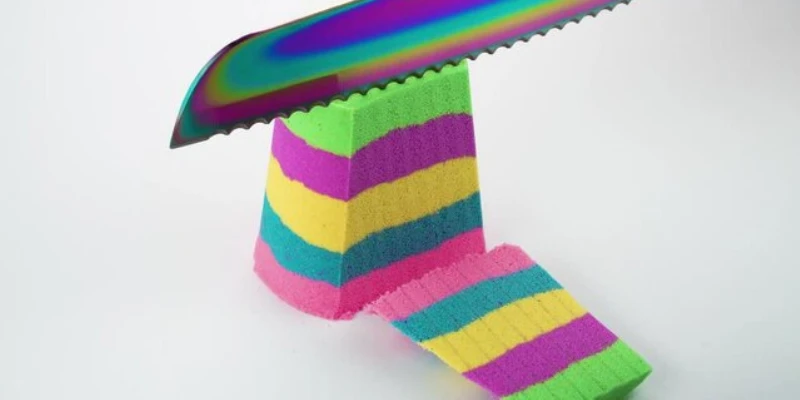
Magic sand is more than a fun toy. It introduces key concepts in material science—how changing a surface can transform how materials behave. These ideas have big implications beyond the classroom.
By exploring magic sand, learners get a glimpse into the science shaping modern technology and innovation.
Hydrophobic coatings are used in many fields. For example, waterproof clothing uses fabrics treated to repel water, keeping people dry in rain.
In electronics, hydrophobic materials protect devices from water damage. Self-cleaning windows use similar coatings so rain can wash away dirt easily.
Even in transportation, ships and planes benefit from hydrophobic surfaces that reduce drag and improve efficiency. Magic sand shows how this simple idea scales up to solve real problems.
Magic sand connects chemistry and physics in a tangible way. It illustrates molecular interactions, surface tension, and material properties.
Engineers use these principles to design new products—everything from stain-resistant fabrics to anti-corrosion coatings.
By experimenting with magic sand, young learners can see how science works in the real world, sparking interest in STEM (science, technology, engineering, and math) fields early on.
Magic sand reveals how tiny changes on a material’s surface create big effects. Its hydrophobic coating keeps it dry underwater, teaching us about water resistance and material science. Exploring magic sand sparks curiosity and connects simple play with real-world science.
>> Exploring the Benefits of Kinetic Sand for Sensory Development
A practical guide to sensory sand types, safety checks, age recommendations, and how to choose the right material for children’s play.
Explore whether kinetic sand helps with anxiety, including sensory benefits, calming effects, and practical tips for safe play.
Key differences between kinetic sand and normal sand, including texture, safety, and sensory benefits for children’s play and learning.
Explore what sensory sand is made of, why children love it, and how its unique materials enhance learning, creativity, and fine motor skills.