
What is the best sand for sensory play?
A practical guide to sensory sand types, safety checks, age recommendations, and how to choose the right material for children’s play.

Can Kinetic Sand go down the sink? This guide explains what really happens, and how to clean up without damaging your pipes.
Kinetic sand is a type of moldable play sand. It sticks to itself, not to your hands. That makes it cleaner than regular sand and easy to shape.
It feels soft and smooth but moves slowly, almost like a thick liquid. This texture is why kids love touching it again and again.
But behind its fun look is some science—understanding how it works can help you clean it up the right way, especially when water is involved.
Kinetic sand is made of 98% regular sand and 2% silicone oil or polymers. These polymers coat each grain, making it stick together without drying out.
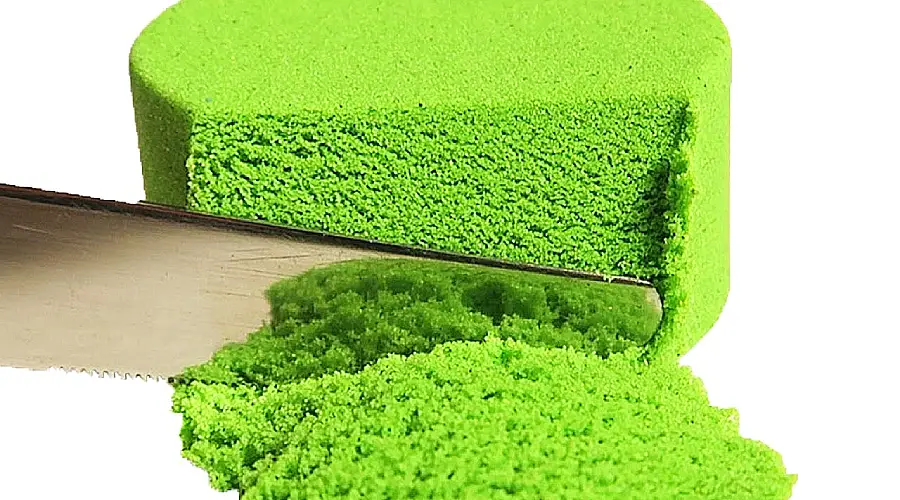
That’s why you can slice it, stretch it, or press it into shapes. It also breaks apart cleanly, which kids find satisfying to play with.
Because it clumps together, it’s less messy than you’d expect—but that doesn’t mean it’s safe to wash down the sink.
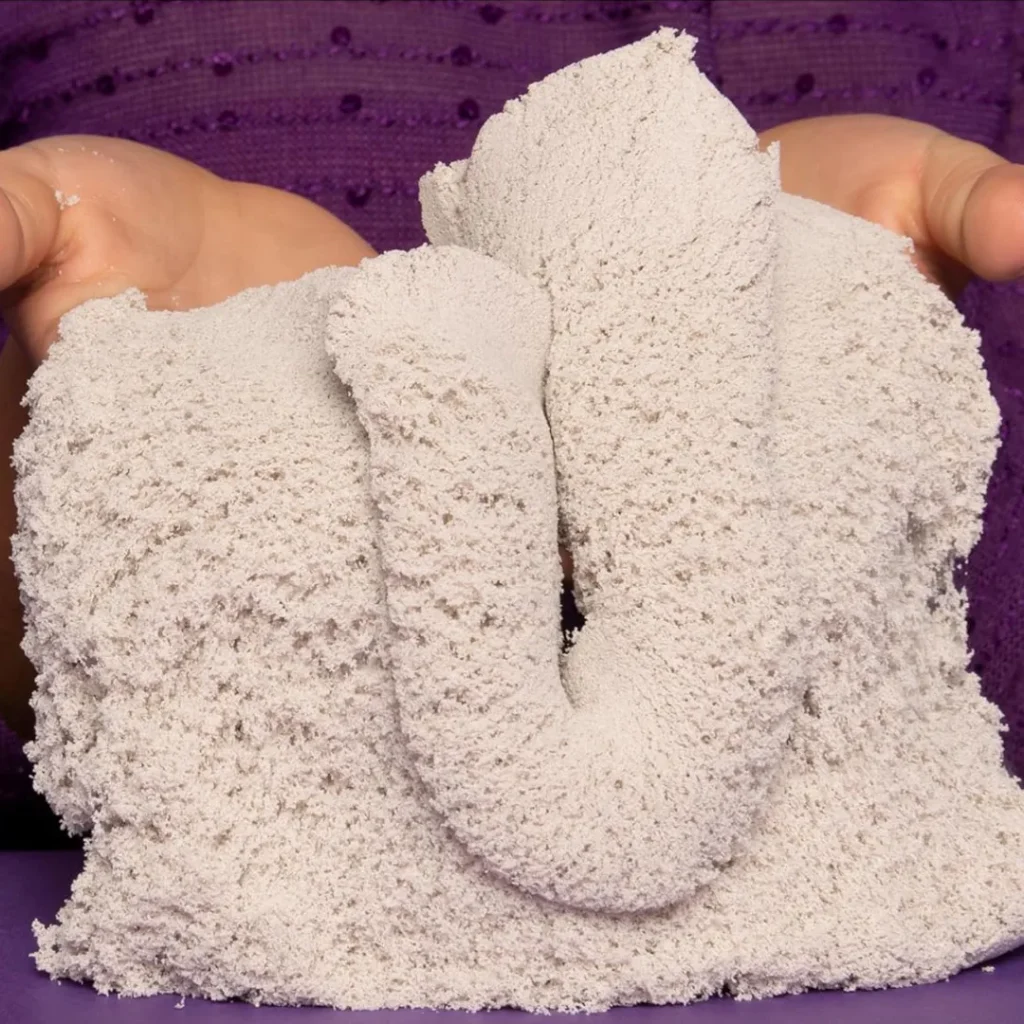
Kinetic sand doesn’t dissolve in water. Instead, water changes its texture. It becomes sticky or mushy, losing its clean, dry feel.
Let’s say your child drops some into a bowl of water. After a few minutes, the sand sinks and clumps. Try rinsing it, and it may smear or stick to the surface.
When wet, it may not go down pipes easily. It can even cling to the sides of a drain, building up over time.
Many therapists and teachers use kinetic sand in sensory activities. Its soft texture calms children, especially those with sensory needs.
Kids press, squish, or mold it—helping with hand strength and focus. But after playtime, it often ends up on tables, floors, or even near sinks.
That’s where problems start. Parents might be tempted to wash it away, not realizing that kinetic sand reacts poorly with plumbing.
The short answer is no—kinetic sand should never go down the sink. While it may seem like a harmless material, it behaves very differently from substances that are safe to rinse away.
Unlike soap or food particles, kinetic sand doesn’t break apart in water. It stays dense and clumpy. That makes it a real problem for plumbing systems.
Even a small amount going down the drain can build up over time, leading to slow drainage—or worse, a complete clog.
When kinetic sand comes in contact with water, it changes. It absorbs some of the moisture but doesn’t dissolve. Instead, it becomes heavier, stickier, and more compact.
Imagine dropping a handful in the sink while cleaning up. You turn on the faucet, hoping to rinse it away. But it doesn’t flow like dirt or soap—it slumps and sticks.
Over time, wet kinetic sand may harden inside the pipes, especially if it gets mixed with grease or food scraps. This combination is hard to clear without tools.

No, it is not safe to rinse kinetic sand down the drain—not even small bits. While it might disappear at first, it doesn’t mean it’s gone.
Many homeowners only notice a problem weeks later, when water drains slowly or smells bad. That’s when plumbers often find dense material stuck in the pipes.
In short, kinetic sand belongs in the trash, not the plumbing. Always use a dry paper towel or scoop to pick it up, even if it looks like a small spill.
>> The Amazing Science of Kinetic Sand: 7 Fascinating Facts
Most household drains are designed for liquids—not for solids or sticky substances like kinetic sand. What goes down your sink doesn’t just vanish. It travels through a narrow system of pipes that can easily become blocked.
Even materials that seem soft or small can cause trouble if they don’t dissolve or flow properly. That’s why it’s important to understand how plumbing works—and why certain things should always go in the trash, not the sink.
Kitchen and bathroom drains are built to carry away water and tiny, dissolvable particles. Larger or heavier materials rely on water pressure to move them through.
If something gets stuck—like a chunk of kinetic sand—it may settle in a U-shaped pipe under your sink, called a “trap.” These traps are designed to catch debris, but they aren’t meant to handle thick or sticky substances.
Over time, trapped materials slow the flow of water. Solids may dry out, harden, or combine with grease or soap scum to form bigger blockages.
Materials that clump, swell, or resist water—like kinetic sand, paper towels, or even rice—are especially risky. They don’t break down, so they sit in the pipes.
If several small spills of kinetic sand go down the sink over time, they can stick to each other and to the pipe walls. This leads to reduced drainage, unpleasant smells, or even pipe damage.
Removing these clogs often requires a plumber and specialized tools. In some cases, pipes may need to be taken apart, which can be costly.
It happens—your child spills some kinetic sand, and in the rush to clean up, it ends up in the sink. At first, it might not seem like a big deal. The water still flows, and the mess is out of sight. But what’s happening out of view could become a problem later.
When kinetic sand goes down the drain, it doesn’t dissolve or flush away easily. Instead, it sinks and clumps. You might notice:
Sometimes the water pushes the sand deeper into the pipes. Other times, it just sits there, stuck.
Over time, kinetic sand can harden or mix with other waste in the pipes, forming stubborn clogs. These clogs often build up gradually, and symptoms may not appear for days or even weeks.
Here’s what you might experience:
In older pipes, the sand might even contribute to corrosion or cracking, especially if harsh chemicals are used to clear it.
If water is draining slowly, or you suspect kinetic sand has gone down the sink, don’t pour in chemical drain cleaners—they won’t break it down. In fact, they may make things worse.
Call a plumber if:
A professional can use a drain snake or water jet to remove the sand without damaging the pipes. Acting early can prevent more expensive repairs later on.
>> Exploring the Benefits of Kinetic Sand for Sensory Development
Once kinetic sand is dirty, wet, or no longer usable, it’s important to dispose of it properly. Even though it’s not toxic, it isn’t designed to break down naturally in the environment—or in your pipes.
A few simple habits can help you avoid plumbing problems and keep cleanup stress-free.
The best way to get rid of kinetic sand is to scoop it into a trash bag. If it’s wet, seal it in a plastic bag first to prevent leaks or sticking.
You can use a dustpan, spoon, or piece of cardboard to scrape it off hard surfaces. Avoid washing it down any drain, even in small amounts.
For large spills, let the sand dry first—it’s easier to handle and less sticky that way. Once dry, just toss it in the trash.
Kinetic sand can’t be composted. The silicone or polymer coating on the sand isn’t biodegradable and doesn’t break down in soil.
However, if it’s only lightly used and still clean, you can reuse it. Let wet sand dry out completely on a tray lined with paper towels. Store it in an airtight container.
If the sand is moldy, smells bad, or has been contaminated (e.g., food or bathroom spills), it’s best to discard it. Reusing it in those cases could pose hygiene issues.
A little planning can go a long way. By setting up a safe space for kinetic sand play—and teaching a few smart habits—you can keep both your home and your plumbing protected.
These tips are especially helpful in households with young children or shared family sinks.
Use a shallow bin or tray to contain kinetic sand. Place a plastic tablecloth or an old towel underneath to catch stray grains.
Avoid play near sinks or bathtubs. Bathrooms and kitchens may seem convenient for cleanup, but they raise the risk of sand slipping into drains.
Outdoor play is another option—as long as you’re not near storm drains or garden soil you plan to reuse.
Use dry tools like spatulas, small brushes, or vacuum attachments for cleanup. Avoid rinsing hands or tools under the faucet until all sand is removed.
Wipe surfaces with paper towels first, then follow with a damp cloth. This prevents leftover grains from being washed into the sink.
Keep a trash can nearby so it’s easy to toss away sand without moving across the room.
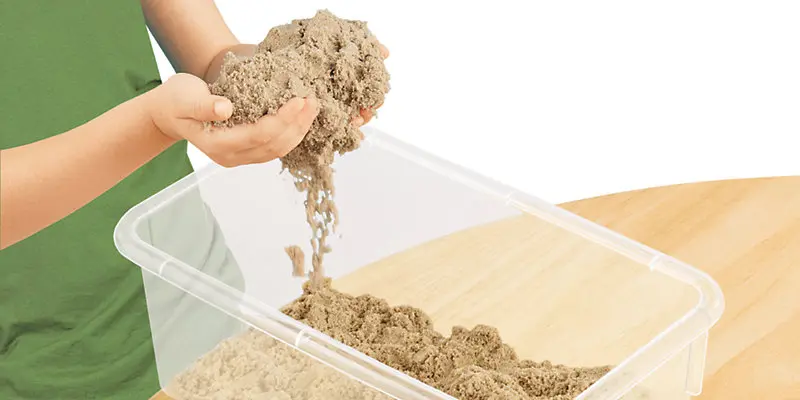
Children can help protect the sink, too. Use clear, simple rules:
Make cleanup part of the playtime routine. Turn it into a fun game or a shared task so kids feel involved—and more likely to follow through next time.
Water changes kinetic sand’s behavior. Whether it’s from a spill, a dropped toy, or a cleanup shortcut, wet sand isn’t the same. But that doesn’t always mean it has to be thrown away right away.
Here’s how to handle it when moisture gets into the mix.
Yes—sometimes. If the kinetic sand is only slightly wet and hasn’t been mixed with food, soap, or other contaminants, you can dry it out.
Spread it on a tray or baking sheet lined with parchment or paper towels. Leave it in a dry, warm area with good airflow. Avoid heat sources like ovens or hairdryers—they can change the texture.
Drying may take a full day or longer depending on humidity. Once dry, test its texture: if it’s clumping normally and not too sticky, it’s safe to reuse.
When kinetic sand gets wet, it absorbs water but doesn’t break down. It becomes heavy, sticky, and slimy. It loses its “magic” flowing quality and starts behaving more like dough.
It may stick to tools, trays, or skin. It’s harder to clean up in this state—and more likely to leave behind residue or get accidentally rinsed down a sink.
Children might also notice the change and stop playing with it. That’s a good sign it’s time to clean or toss it.
If the sand smells odd, has changed color, or feels overly sticky or gritty, it’s no longer safe to use. The same applies if it was exposed to food, cleaning products, or bathroom surfaces.
Also discard it if mold is visible or if the drying process doesn’t restore the texture after 24–48 hours.
When in doubt—throw it out. Wrap it in a bag and place it in the trash. Avoid flushing or composting.
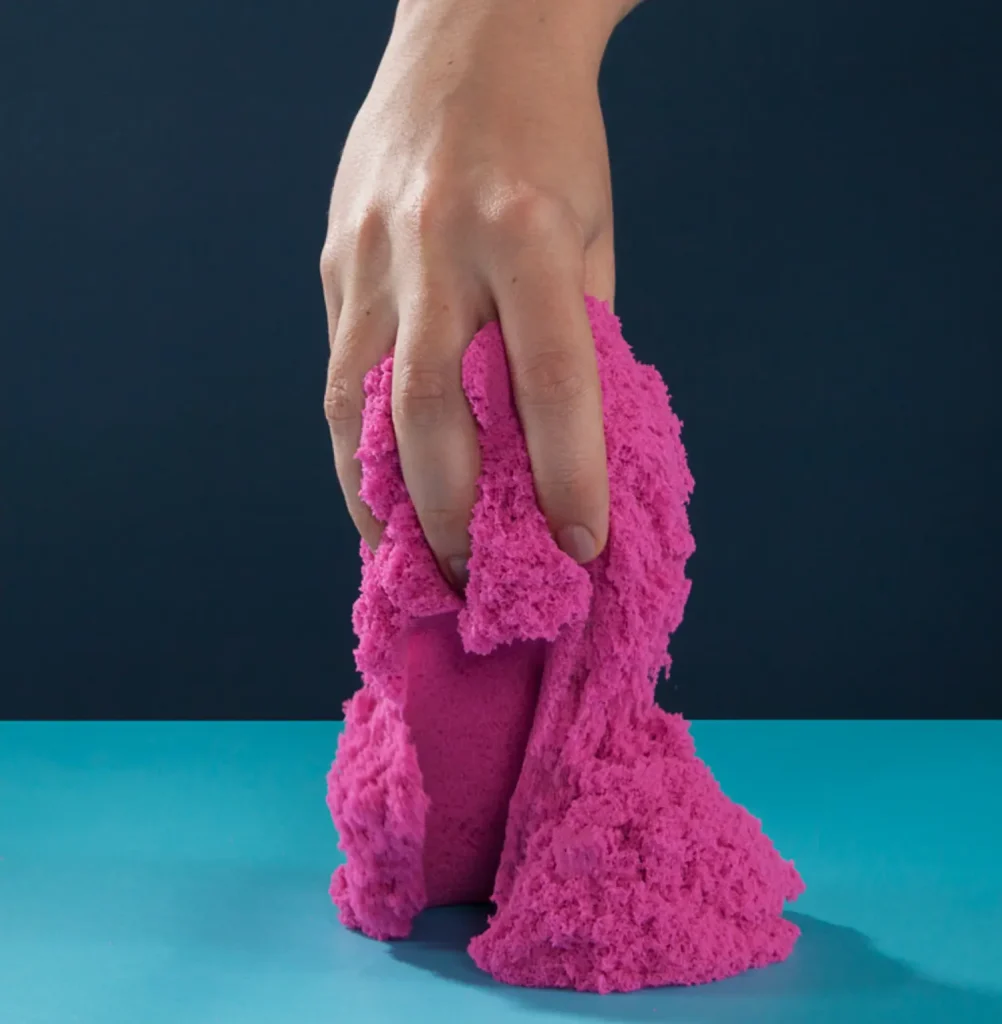
Cleaning up after kinetic sand play doesn’t have to be wasteful or damaging to the environment. With a few changes in how you manage spills and storage, you can reduce both waste and water use.
These ideas are easy to teach and good for long-term habits.
Instead of rinsing tools, wipe them down with dry paper towels or old cloths. Shake excess sand back into a container or trash before washing anything.
Use reusable cloths for cleanup instead of disposable wipes. Let them dry before shaking the sand into the trash, then wash as usual.
Store sand in sealed containers to avoid contamination and reduce the chance of early disposal.
Make sustainability part of the play routine. Teach kids how to:
Explain in simple terms why sand can’t go in the sink. This gives kids a role in protecting the environment and helps form lifelong habits.
You don’t have to take our word for it. Both child development experts and plumbers agree: kinetic sand is fun—but requires care when it comes to cleanup.
Occupational therapists and early childhood educators value kinetic sand for sensory development. But they often advise that it be used in controlled environments—especially at home.
Dr. Karen Wu, a pediatric OT, explains:
“Sensory play is great for motor skills, but parents should create boundaries around cleanup. Play surfaces matter as much as the materials themselves.”
They also recommend teaching cleanup as part of play to build responsibility and reduce mess-related stress.

Many plumbers list kinetic sand among the top “unexpected culprits” for drain clogs. It doesn’t dissolve, expands slightly with moisture, and behaves more like concrete than sand in tight pipes.
Mike R., a licensed plumber in Oregon, warns:
“I’ve had to remove sink traps filled with something that looked like wet cement—turns out it was kinetic sand from a kid’s play session. It’s a common call.”
His advice: treat kinetic sand like you would chewing gum or grease—never put it in the drain.
In summary, kinetic sand is a fantastic sensory toy but should never be washed down the sink. Its sticky, clumping nature can cause serious plumbing problems over time. Always clean up spills carefully and dispose of used sand in the trash to protect your pipes and avoid costly repairs.
A practical guide to sensory sand types, safety checks, age recommendations, and how to choose the right material for children’s play.

Explore whether kinetic sand helps with anxiety, including sensory benefits, calming effects, and practical tips for safe play.
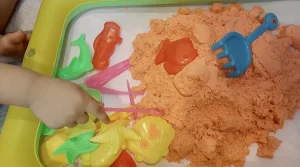
Key differences between kinetic sand and normal sand, including texture, safety, and sensory benefits for children’s play and learning.
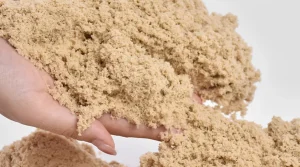
Explore what sensory sand is made of, why children love it, and how its unique materials enhance learning, creativity, and fine motor skills.