
What is the best sand for sensory play?
A practical guide to sensory sand types, safety checks, age recommendations, and how to choose the right material for children’s play.
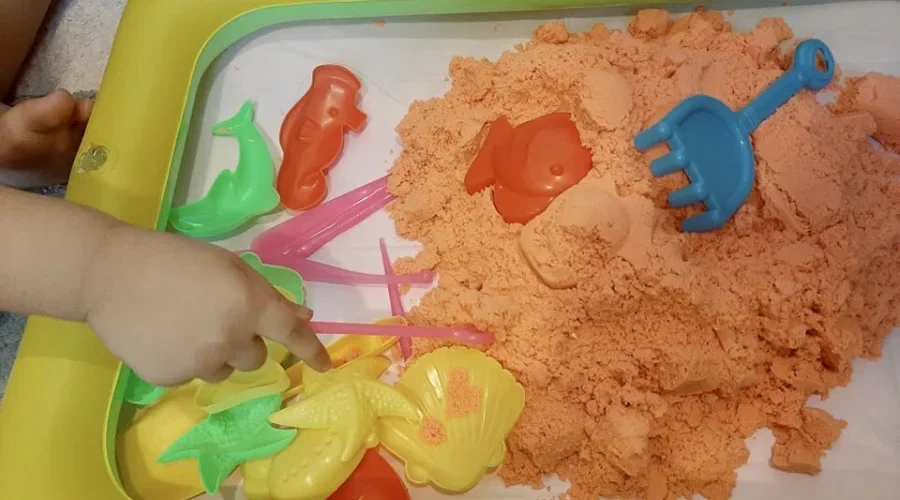
In summary, kinetic sand combines the moldability of playdough with the tactile experience of traditional sand, but with less mess and more durability. Its unique characteristics make it ideal for sensory play and therapeutic activities, providing a richer experience compared to other play materials.
Sensory play refers to any activity that stimulates a child’s senses—touch, smell, sight, hearing, and taste. In childhood development, sensory play is crucial because it helps children understand and respond to their environment.
>> What makes Kinetic Sand Kinetic? Why Does It Flow?
Through tactile experiences, like feeling the texture of kinetic sand, children gain valuable sensory input that helps their brains process and organize sensory information. This process, called sensory processing, is vital for overall brain development.
By feeling the sand’s texture and manipulating it, they start to make connections between their hands and their brain. The repetition of these activities helps them refine motor skills and adapt their behavior in different situations.
Sensory play also encourages curiosity and exploration, allowing children to experiment with different textures and movements, which in turn supports their emotional and cognitive growth.

Kinetic sand provides a unique way for children to engage in sensory play. It’s not just about fun; it’s about growth and development in key areas that will benefit them in later stages of life.
Manipulating kinetic sand helps children strengthen their fine motor skills.
When children mold, squeeze, or cut the sand into different shapes, they’re building hand-eye coordination and improving dexterity.
For example, shaping the sand into letters or numbers requires control and concentration, enhancing muscle coordination.
Activities like scooping, pressing, or rolling the sand also allow children to practice gripping, which is essential for other tasks like holding a pencil or using utensils. The hands-on experience helps children refine these skills, making it an effective tool for skill-building.
Kinetic sand isn’t just about physical skills; it’s also a tool for cognitive development. As children manipulate the sand, they engage in creative thinking, problem-solving, and imaginative play.
For instance, they might build castles, shapes, or even simple designs, allowing their brains to explore concepts like size, symmetry, and balance.
Children might need to figure out how to build a stable structure or how to make a figure stand without falling. This kind of challenge promotes cognitive skills that are essential for academic and life success. By using kinetic sand as a medium, children explore their creativity and learn to think critically and creatively in different situations.
>> Kinetic Sand Cutting: How Does ASMR Work
Kinetic sand has a calming effect that helps children with attention and concentration challenges. The repetitive motion of molding the sand can act as a sensory anchor, which helps reduce anxiety and increases focus.
In therapy settings, kinetic sand is often used to help children with attention deficit disorders (ADD/ADHD) to focus during tasks. The texture and movement of the sand provide a soothing sensory input that can help quiet the mind and calm the body.
Additionally, the hands-on nature of the toy allows for a more active form of focus, which is sometimes easier for children than sitting passively.

Kinetic sand is becoming increasingly popular in therapy settings due to its unique texture and therapeutic qualities.
Many therapists now use this sensory sand to support children with various sensory processing needs. Its ability to provide tactile stimulation in a controlled environment makes it an ideal tool for sensory integration therapy, helping children become more comfortable with different textures and sensations.
The sensation of the sand flowing through the hands promotes a calming effect, which can reduce anxiety. It’s often incorporated into therapeutic plans for children with sensory processing disorders (SPD) or other conditions that affect their sensory integration.
By offering a hands-on, interactive experience, kinetic sand provides a versatile and effective tool for treatment.
Kinetic sand plays a significant role in occupational therapy, especially for children with sensory processing disorders.
Occupational therapists often use it as part of treatment plans to help children develop the ability to manage sensory stimuli and improve their responses to different textures. The sand’s unique texture encourages children to engage their sense of touch, which can help them become more comfortable with other types of sensory input.
For example, a child may be asked to mold the sand into specific shapes or perform activities like sifting or pressing.
These tasks require precision and concentration, which help strengthen both physical and cognitive abilities. Sensory sand thus becomes a vital part of helping children improve their sensory processing and develop essential life skills.
>> Is Kinetic Sand Magnetic? The Truth Behind This Sensory Toy
The act of manipulating the sand, whether through molding or simply letting it flow through their fingers, has a soothing effect that can promote relaxation and reduce stress. This sensory experience encourages mindfulness, helping children manage their feelings in a healthy and nonverbal way.
The repetitive motions involved in handling the sand can also be a grounding technique, helping children feel more centered and calm.
Therapists and caregivers often use it as part of structured emotional regulation strategies, helping children understand and manage their emotions in a supportive environment.
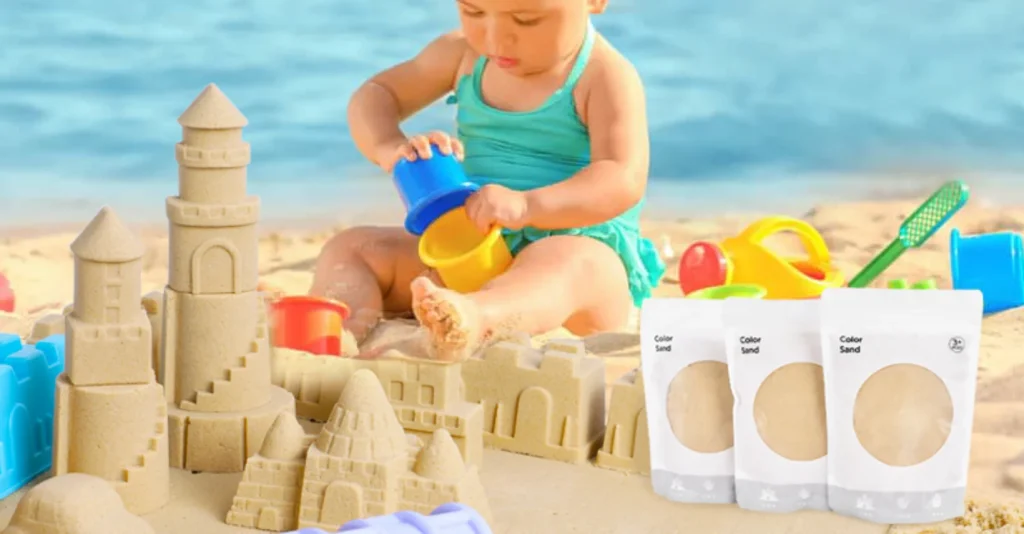
Kinetic sand is available in various types, each offering a different sensory experience. Some popular varieties include glitter kinetic sand, glow-in-the-dark sand, and color-changing sand.
Each type offers a unique tactile and visual experience that can engage children’s senses in different ways. These variations make it easy to customize sensory play and add a fun twist to traditional kinetic sand activities.
Each of these varieties can provide new and engaging sensory experiences, helping keep children’s interest alive while offering therapeutic benefits. By introducing variety into playtime, children can engage more fully in sensory activities and explore new textures, colors, and sensations.
Incorporating kinetic sand into playtime can enhance sensory development and provide children with an enjoyable learning experience. Here are some practical tips for parents and educators to make the most out of sensory play:
By incorporating kinetic sand into regular play routines, children can develop important sensory and cognitive skills in a fun and engaging way. Whether it’s part of structured therapy or casual play at home, sensory sand offers endless opportunities for creative learning and emotional growth.

Incorporating kinetic sand into sensory play offers numerous benefits for children’s development.
From enhancing fine motor skills to fostering creativity and emotional regulation, this versatile tool provides both fun and therapeutic value. By exploring different varieties and activities, children can enjoy a rich sensory experience that supports their growth and learning.
A practical guide to sensory sand types, safety checks, age recommendations, and how to choose the right material for children’s play.
Explore whether kinetic sand helps with anxiety, including sensory benefits, calming effects, and practical tips for safe play.
Key differences between kinetic sand and normal sand, including texture, safety, and sensory benefits for children’s play and learning.

Explore what sensory sand is made of, why children love it, and how its unique materials enhance learning, creativity, and fine motor skills.