From Factory to Shelf: How to Import Slime from China
A clear overview of slime manufacturing in China, including supplier selection, product types, and import requirements.

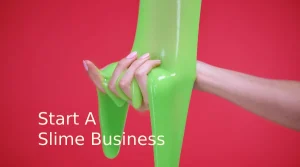
Slime looks simple, yet its behavior is complex. From a science view, slime toys sit between liquids and solids. They stretch, drip, and snap based on how you touch them. This odd mix is why slime toys confuse the eye and hand at the same time, making them a favorite subject in basic material science.
Slime toys are made from long chains of molecules linked together. These chains can slide past one another, but they can also catch and resist movement. Because of this, slime toys do not follow the same rules as water or stone. Their structure changes under force, not heat.
If you pull slime slowly, it flows like thick syrup. If you tug fast, it can tear. Scientists describe this using simple physics models rather than chemistry tricks. According to the American Chemical Society, this behavior helps explain how polymers respond to stress (ACS, 2017).
Most fluids move in a steady way when force is added. Slime toys do not. They are non-Newtonian, meaning their thickness changes when pushed or squeezed. The faster the force, the more solid they seem. Slow motion, however, lets them relax and spread.
This rule-breaking behavior is easy to test. A child pressing slime toys between their fingers sees instant feedback. That same reaction is studied in labs when scientists test gels, pastes, and soft materials used in daily life.
Slime toys act like solids because their molecule chains can lock together for a moment. They act like liquids because those locks are weak and temporary. Time is the key factor. Given enough time, slime will always flow.
This balance explains why slime toys can hold a shape on a desk but drip through fingers. It is not magic or mystery. It is a slow fight between motion and structure, playing out in real time.
Touching slime toys gives mixed signals to the brain. The eyes expect one thing, but the hands feel another. This mismatch creates curiosity. Scientists call this sensory conflict, and it often leads to closer attention rather than confusion.
There is also rhythm in the motion. Stretch, fold, release. These simple actions reveal how slime responds step by step. Like watching waves or clouds, slime toys invite quiet observation, turning basic physics into something you can feel.
For Gen Z, slime is not just a toy. It is an object that reacts right away. In a fast, noisy world, slime toys offer clear feedback. You touch, it responds. Psychology studies often link this kind of direct response to attention, curiosity, and emotional regulation (APA, 2018).

Gen Z grew up with screens, alerts, and constant motion. Because of this, their brains are used to fast input. Slime toys provide strong sensory signals without words or images. Texture, stretch, and sound work together, keeping the mind engaged in a simple way.
Unlike passive scrolling, slime toys require action. Hands move, pressure changes, and results appear at once. Researchers note that tactile play activates multiple brain areas tied to focus and perception (Frontiers in Psychology, 2019).
When Gen Z squeezes slime toys, the brain gets instant feedback. This loop—action, response, repeat—can activate reward pathways linked to dopamine release. It is the same system used when learning skills through touch.
The key point is predictability. Slime behaves within limits. That balance between surprise and control keeps the brain alert, but not stressed. This is why the motion feels engaging instead of tiring.
Gen Z faces global news, social pressure, and rapid change. Slime toys offer a small system they can fully control. You decide how hard to pull, when to stop, and what shape to make. Nothing happens unless you act.
Psychologists often describe this as micro-control. It does not solve big problems, but it creates moments of order. In those moments, slime toys turn abstract stress into something physical, measurable, and brief.
Stress is often loud and fast. Slime toys are quiet and slow. From a science view, this contrast matters. When hands press and release slime, the body shifts attention away from screens and noise.
Slime toys engage touch receptors in the skin that send signals to the brain’s sensory cortex. These signals are steady, not sharp. Because of this, the nervous system stays alert but not alarmed. It is a mild form of stimulation, not a shock.
The pace also matters. Slime moves only as fast as the hands allow. This slow feedback loop can lower heart rate and breathing speed. Neuroscience research shows that slow, controlled movement supports calmer neural states (National Institutes of Health, 2018).
Repetition plays a key role. Stretching, folding, and pressing slime toys follow simple patterns. These repeated motions help the brain predict what comes next. Predictability is linked to emotional regulation, especially during moments of stress.
For many Gen Z users, this repetition works like pacing while thinking. It keeps the hands busy while the mind settles. The action does not demand skill or planning, which helps prevent mental overload.
Mindfulness does not always mean sitting still. With slime toys, focus comes through movement. Attention shifts to texture, pressure, and timing. This keeps thoughts anchored in the present moment.
Unlike games or apps, slime toys do not set goals or scores. There is nothing to win. That absence of pressure allows focus without judgment. In this way, slime becomes a quiet space where the mind can pause, even briefly.
Gen Z lives in a world packed with signals. Lights flash, phones buzz, and sound never fully stops. Slime toys fit into this setting by offering clear sensory input that is easy to manage. They do not compete with digital noise. Instead, they slow things down and bring attention back to the body.
Compared to older groups, Gen Z is more aware of how things feel, sound, and look. Researchers link this to early exposure to touchscreens and constant media input (Pew Research Center, 2018). As a result, many seek stronger or clearer sensory signals to stay engaged.
Slime toys meet this need in a simple way. They respond directly to pressure and movement. There are no menus or rules. This makes slime an easy object for testing texture and motion without mental strain.
Not all sensory-seeking behaviors are welcomed in public spaces. Slime toys, however, are widely accepted and easy to explain. They are quiet, portable, and familiar. This makes them a low-risk way to explore sensory input.
From a psychological view, this matters. When sensory needs are met in safe ways, people are less likely to feel restless or overwhelmed. Slime toys offer structure without restriction, which helps them fit into daily life.

Slime toys combine three key sensory elements. Texture changes under pressure. Sound appears during stretching or popping. Visually, slime flows in slow, smooth motion. Each signal is mild but clear.
Together, these cues create a layered experience. The brain can focus on one or all at once. This balance keeps attention steady without overload, turning simple material science into a full sensory moment.
Slime toys may be physical objects, but their reach is digital. On social media, slime becomes motion, sound, and rhythm on a screen. These simple signals travel well online. They are easy to watch, easy to loop, and easy to enjoy without context or words.
Visual ASMR focuses on slow, clear movement that feels soothing to watch. Slime toys fit this style well. Stretching, folding, and slicing motions follow smooth patterns. The eye can predict what comes next, which keeps attention steady.
For Gen Z viewers, these videos offer a pause between faster clips. The brain tracks motion without needing a story. Researchers note that predictable visual input can reduce mental fatigue during screen use (Frontiers in Psychology, 2020).
Sound is just as important as sight. Slime toys create soft pops, clicks, and stretches. These sounds sit in a low, steady range. They are not sudden or sharp, which makes them easier for the brain to process.
Auditory studies show that rhythmic, low-volume sounds can support relaxation and focus (NIH, 2019). In slime videos, sound and motion sync together. This pairing strengthens the sense of order and calm.
Social platforms favor short clips with fast payoff. Slime toys deliver this quickly. Within seconds, viewers see motion, hear sound, and feel a sense of completion. The brain registers this as a small reward.
This does not require humor or surprise. Instead, it relies on timing and repetition. Each clip resets attention, making slime content easy to watch again and again without feeling demanding.

Emotions are not always easy to name. For many in Gen Z, slime toys offer a physical way to express feeling without words. The material changes with pressure and speed, reflecting shifts in mood through motion rather than language.
How someone handles slime toys often mirrors how they feel. Slow stretching may signal calm. Fast pulling can reflect tension. This link between movement and emotion is well known in psychology and body-based studies (American Psychological Association, 2019).
Because slime responds right away, it becomes a kind of mirror. There is no right or wrong motion. The hands lead, and the material follows. This makes slime a neutral space for emotional release without explanation.
Not all emotions move easily into speech. Nonverbal play allows expression when words fall short. Slime toys support this by offering resistance and flow at the same time. The body speaks through motion.
Developmental research shows that nonverbal interaction helps regulate emotion and reduce internal stress, especially in younger people (NIH, 2018). In this sense, slime toys function as quiet tools for processing feeling, not performance or display.
Play does not end with childhood. For teens and young adults, slime toys support ongoing development in subtle ways. The material reacts to pressure, speed, and shape, giving the brain constant feedback. This interaction helps connect physical action with thought.
Slime toys require controlled hand movement. Pinching, rolling, and stretching engage small muscles in the fingers and wrists. These actions strengthen fine motor skills that remain important beyond early childhood.
Neuroscience research shows that hand movement supports brain coordination and sensory mapping (NIH, 2017). When using slime toys, the brain adjusts movement in real time, refining precision without conscious effort.

Slime toys have no fixed goal. There are no rules or instructions to follow. This open-ended nature encourages experimentation. Users test what happens when they pull fast, fold slow, or change shape.
Cognitive studies link open-ended play to flexible thinking and problem exploration (American Academy of Pediatrics, 2018). With slime toys, creativity grows through action, not planning, making the process natural and low-pressure.
Every generation connects with objects in different ways. Slime toys match the habits and pressures unique to Gen Z. They offer physical interaction without complexity, fitting easily into lives shaped by fast information and constant digital input.
Millennials grew up as digital tools slowly entered daily life. Gen Alpha is surrounded by smart devices from birth. Gen Z sits between these groups. They remember both offline play and online immersion.
Because of this, Gen Z often seeks balance. Slime toys provide hands-on experience without screens, while still fitting the aesthetic and rhythm of digital culture. This blend sets slime apart from toys favored by other generations.
Gen Z spends much of life in virtual spaces. Yet research shows that physical interaction remains key for attention and memory (APA, 2020). Slime toys meet this need by offering touch-based engagement without demanding time or space.
The appeal is simple. Slime is real, responsive, and present. In a world of swipes and taps, it gives the hands something solid to work with, even if only for a few quiet moments.

Slime toys are more than a passing fad for Gen Z. They combine science, sensory feedback, and emotional expression in ways that digital life often cannot.
From tactile motion to visual ASMR, slime offers calm, focus, and control. It supports creativity, nonverbal play, and fine motor development while satisfying deep sensory needs. In a fast, chaotic world, slime becomes a simple, reliable way to connect mind and body.
A clear overview of slime manufacturing in China, including supplier selection, product types, and import requirements.

Can slime help adults relax and focus? This guide explains the science, benefits, and possible downsides of sensory play.