Are Toys from China Subject to Tariffs? Guide for Importers
Confused about tariffs on Chinese toys? This article breaks down current rules, exemptions, and how toy imports are affected.

Educational toys are more than simple playthings. They are tools that help children explore, imagine, and practice skills. From playdough to slime, these materials open paths for hands-on discovery. Experts in child psychology and education often highlight play as a natural way for kids to learn and grow.
Researchers and teachers also note that learning through play helps children connect abstract ideas with real experiences. Parents see this too when a child uses clay to build shapes or sand to measure and pour. Such activities combine fun with early lessons in science, math, and art.
Educational toys often challenge children to think beyond simple answers. Games, puzzles, and hands-on materials like kinetic sand or slime encourage trial and error, allowing kids to test new ideas in safe ways. This process builds pathways in the brain that connect problem-solving with curiosity.
Psychologists note that activities requiring choices and adjustments, such as shaping clay or building with blocks, help children form logical connections. Each decision, even small ones like stacking or rolling, trains focus and creates habits of sustained attention.
Picture a child building a bridge with clay or stacking objects in the sand. The structure may fall, but each attempt teaches balance, weight, and patience. These toys give room for mistakes and retries, which is central to critical thinking. Kids learn to ask: “What if I try this instead?”
Researchers from Harvard’s Center on the Developing Child suggest that play involving trial and adaptation supports executive function skills (Harvard University, 2023). In short, toys become miniature labs for practicing flexible thinking and decision-making.
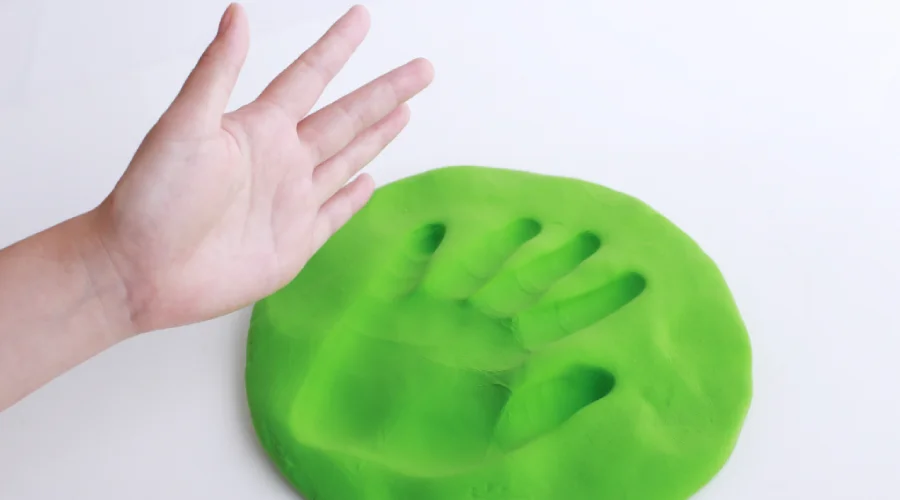
Toys that invite repetition — like molding playdough letters or sorting shapes — quietly support memory. When children recall how they shaped a figure yesterday and repeat it today, they strengthen recall and sequencing skills.
Focus grows when tasks are interesting but not overwhelming. Slime, for example, keeps small hands busy and the mind centered on texture, stretch, and flow. Over time, children build the patience to stay with an activity for longer, preparing them for structured learning in classrooms.
Creativity doesn’t need complicated tools. Even simple materials like clay or playdough spark endless ideas. Educational toys give children open spaces where their imagination leads the way. This freedom makes every play session unique, and no two outcomes are ever the same.
Imagination also supports problem-solving in daily life. When kids create stories, design new characters, or role-play with slime creatures, they practice seeing the world in fresh ways. These skills later help them write, design, and innovate in real settings.
Playdough never comes with fixed rules. A child may roll it into snakes, press it into cookies, or flatten it into letters. Air dry clay adds the dimension of permanence, letting kids turn ideas into objects that last. Each creation reflects personal choice rather than a correct answer.
This open-ended style of play is what makes such toys stand out. Instead of producing identical results, they invite diversity. A group of children with the same clay may walk away with a zoo, a bakery, and a city skyline — proof of imagination at work.
Children often create characters and stories while they play. A lump of clay may become a dragon, or a simple sandcastle may turn into a kingdom. These small acts of storytelling build narrative skills and early literacy.
Role-play also teaches social imagination. When kids act out scenes — perhaps running a pretend café with clay cakes — they learn empathy and perspective. They explore what it feels like to take on different roles, building both creativity and social awareness.
Children learn with their hands long before they read or write. Educational toys like playdough, slime, and sand invite movement, squeezing, and shaping. These small actions exercise muscles that later support tasks such as holding pencils or using scissors.
Hands-on learning also links touch to thinking. When children press, stretch, or mold, their brains connect physical effort with creative results. This connection makes skills feel natural rather than forced, laying a foundation for later academic learning.
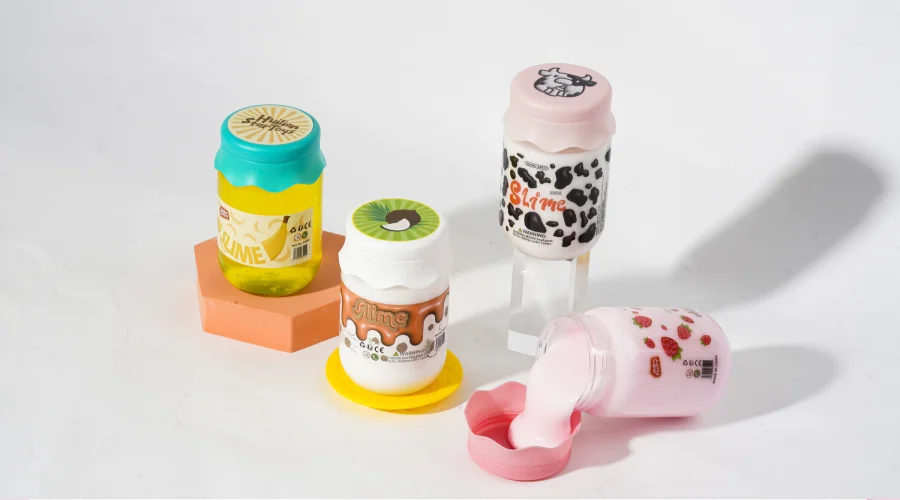
Clay offers resistance. Pushing, rolling, and pinching it forces small fingers to work harder, building strength over time. Slime, though softer, keeps hands moving in ways that improve dexterity. Both encourage active play without children noticing the exercise.
Occupational therapists often recommend these materials for young learners. They provide safe, playful ways to train grip strength and flexibility, skills essential for handwriting and daily self-care.
Scooping sand into a cup or shaping playdough into letters requires focus between the eyes and the hands. Each motion demands control and timing. These tasks help children refine movements and improve coordination.
Simple games — like rolling balls of clay to hit a target — add fun challenges. Such activities bridge the gap between sensory play and practical skills, making coordination a natural outcome of enjoyable playtime.
Beyond physical and cognitive skills, toys also support emotional learning. Play becomes a safe space for children to express feelings, practice patience, and work alongside others. These lessons carry into classrooms and friendships.
Educational play also encourages children to try, fail, and try again without pressure. Each small success builds confidence, while group play introduces teamwork and respect for others’ ideas.
>> Are Sensory Toys Only for Autism? Unlocking Their Benefits
Many activities with playdough, clay, or sand involve limited tools. When two kids want the same rolling pin, they must negotiate and share. This is how patience and cooperation begin — not as lectures, but as lived experiences.
Team projects, such as building a shared sand structure, teach children that results improve when efforts are combined. These moments create habits of collaboration that extend beyond play.
Creating something from raw material gives children a sense of ownership. Whether it’s a clay animal or a glittery slime swirl, the final product reflects their ideas. This personal link builds confidence in self-expression.
In social play, children often present their creations to peers or family. Sharing these results not only sparks pride but also opens communication. They learn to explain choices, describe stories, and celebrate each other’s work.
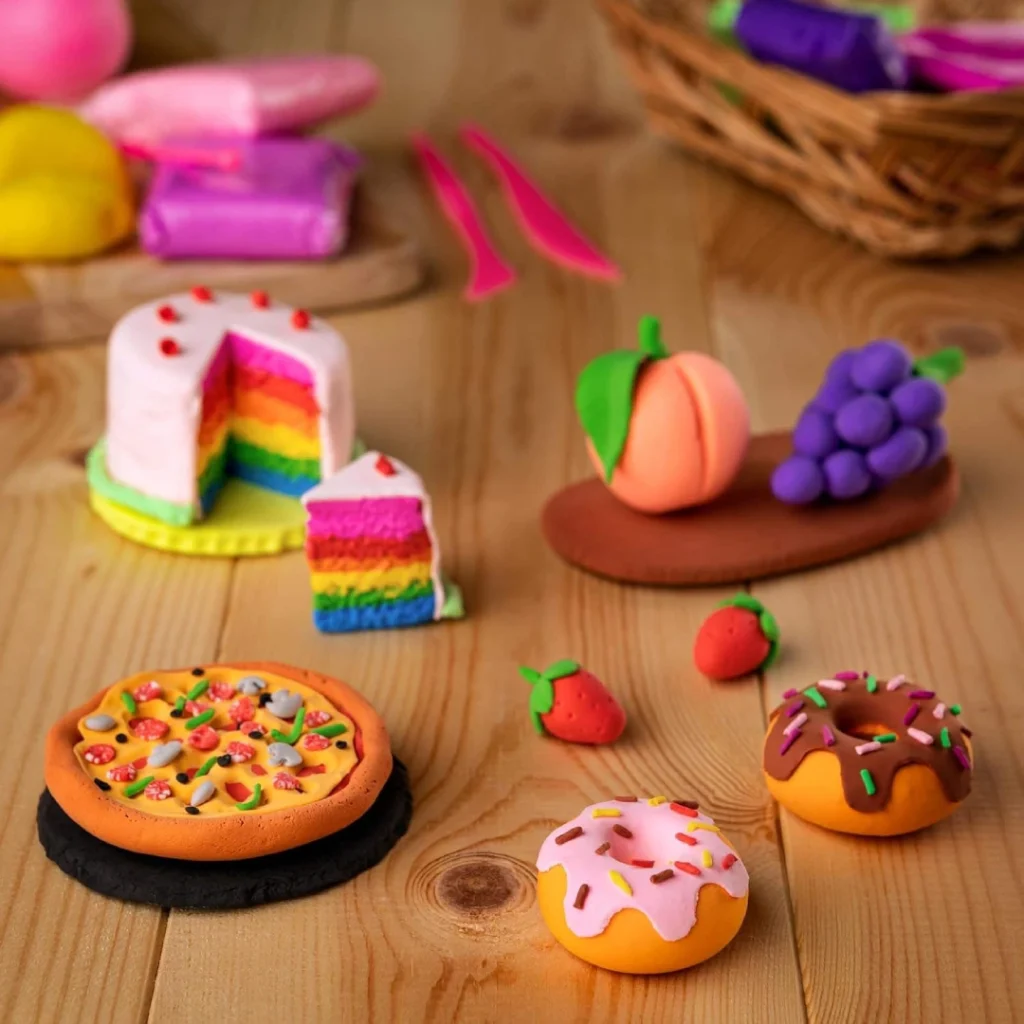
Sensory play is more than fun; it is a gateway for children to explore the world. Toys like kinetic sand and slime give direct feedback to touch, sight, and even sound. These sensations stimulate curiosity and help children process their surroundings.
Researchers note that sensory activities can also support children who struggle with regulation. By engaging multiple senses at once, toys create balance between excitement and calm, making them powerful tools for everyday play.
Kinetic sand moves in a strange, almost magical way. It holds its shape when pressed, yet flows apart when released. Children can squeeze, cut, or mold it, testing how materials react. This kind of tactile play deepens their sense of cause and effect.
Slime offers a different form of exploration. Its stretch and snap invite endless manipulation. As children pull and fold, they are not only entertained but also strengthening their awareness of texture, pressure, and resistance.
Sensory play is often described as soothing. Running fingers through sand or kneading clay slows movements and encourages focus. For children, these quiet moments provide space to process emotions.
Therapists sometimes use sensory toys in sessions with children who experience anxiety or attention challenges. The repetitive, rhythmic motions of squeezing or rolling can restore calm, making toys a gentle therapeutic aid.
In classrooms, educational toys are not distractions but essential learning tools. Teachers use clay, sand, and similar materials to turn abstract lessons into hands-on experiences. This aligns with research showing that play supports early problem-solving and cognitive growth.
Both Montessori and STEM-based programs value play materials for building independence and curiosity. By experimenting, children discover principles of science and math without the pressure of formal lessons.
Montessori classrooms often include simple, natural materials like clay or wooden blocks. These encourage self-directed exploration. A child may spend time rolling clay shapes, learning fine control while also expressing creativity.
STEM-inspired toys, on the other hand, highlight problem-solving. Measuring sand into containers or testing slime’s stretch can introduce basic scientific inquiry. These playful trials encourage children to ask “why” and “what if.”
Teachers often use clay or playdough to guide lessons in letters and numbers. Rolling coils into shapes helps children connect tactile action with written symbols. Sand trays may also support early writing, letting kids trace letters with their fingers.
Group projects, such as building a shared sand village, promote teamwork and communication. By engaging with sensory toys in classrooms, children link play with learning goals, reinforcing lessons in a memorable way.
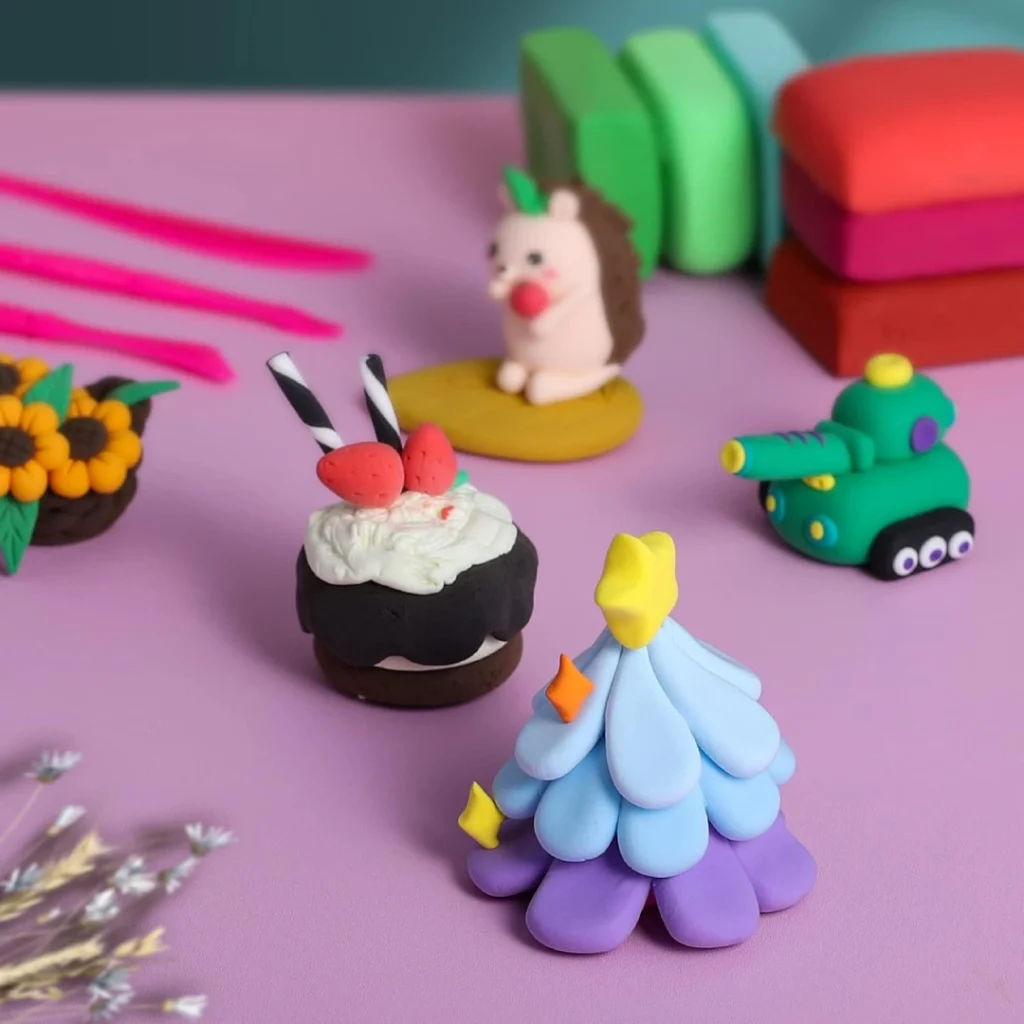
Not all educational toys work the same way. Each material — from playdough to slime — offers unique textures and learning opportunities. By comparing them, parents and educators can better match toys to a child’s developmental needs and interests.
This variety also helps children discover personal preferences. Some may enjoy the firm shaping of clay, while others are drawn to the soft stretch of slime. These choices can guide how kids explore, create, and learn.
>> STEM Learning with Playdough and Kinetic Sand
Playdough is soft and easy to mold, making it ideal for younger children. It supports quick shaping, frequent changes, and colorful creations that can be rolled back into a lump at the end of play. Its flexibility invites constant experimentation.
Air dry clay, by contrast, hardens over time. This adds permanence to creations, teaching children patience and planning. While slightly tougher to handle, it strengthens fine motor control and encourages more deliberate designs.
Kinetic sand feels both solid and fluid. It flows through fingers but holds shape when pressed. This dual quality makes it excellent for building structures and testing cause-and-effect in play. Children can sculpt, cut, and smooth with ease.
Slime, however, is less about form and more about motion. Its stretch, bounce, and stickiness give endless sensory input. Kids experiment by pulling it apart, folding it, or mixing in textures. Slime encourages curiosity about materials and reactions.
Educational toys are not just for the moment. They plant seeds for skills that continue into school years and beyond. By encouraging hands-on exploration, toys prepare children to see challenges as opportunities for discovery.
Over time, this approach to play creates patterns of curiosity and resilience. When children grow up asking questions and testing solutions, they carry those habits into academics, hobbies, and even careers.
Simple activities — like building with clay or testing how slime reacts to pressure — promote habits of trial and error. These are the beginnings of problem-solving. Over years, children learn to adapt, rethink, and search for answers.
Curiosity becomes a driving force. Kids who enjoy asking “what happens if” while playing often carry that same spirit into reading, science, and other subjects. The playroom becomes a training ground for open-ended thinking.
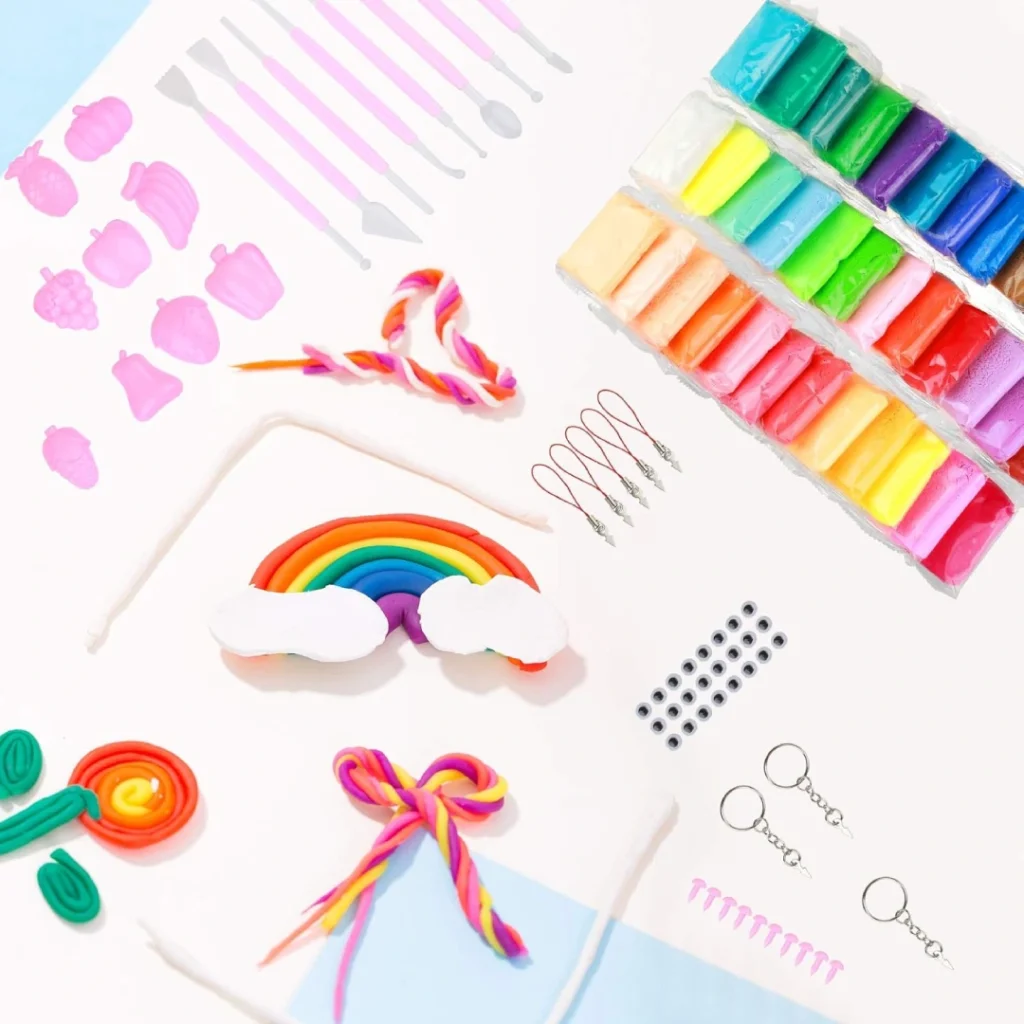
Sensory toys can also bridge early play with formal learning. Rolling playdough into letters, measuring sand into cups, or shaping clay animals builds skills connected to literacy, math, and science.
These playful activities create familiarity with concepts before school lessons introduce them. The result is smoother transitions, where children see learning as natural rather than forced. In this way, toys support both readiness and confidence.
While educational toys support growth, safety must come first. The materials children touch, squeeze, and even accidentally taste should be carefully chosen. Parents and teachers play a key role in selecting options that are both engaging and safe.
Safe toys also build trust. When children feel free to explore without risk, they focus on learning rather than worry. This makes thoughtful selection just as important as the play itself.
Playdough, clay, slime, and sand should be free of harmful chemicals. Labels such as ASTM or EN71 certification help confirm that a toy meets safety standards. Choosing non-toxic options reduces risks of skin irritation or accidental ingestion.
Safe materials also make play more inclusive. Children with sensitive skin or allergies can enjoy the same activities when parents choose hypoallergenic or certified products. The goal is a worry-free environment for exploration.
Not every toy fits every child. For toddlers, small parts can be choking hazards, while harder materials may frustrate them. Younger kids often benefit from soft, moldable toys like playdough.
Older children, however, may enjoy the challenge of air dry clay or structured sand play. Matching the toy to the child’s stage supports safe and meaningful experiences, while preventing risks linked to improper use.
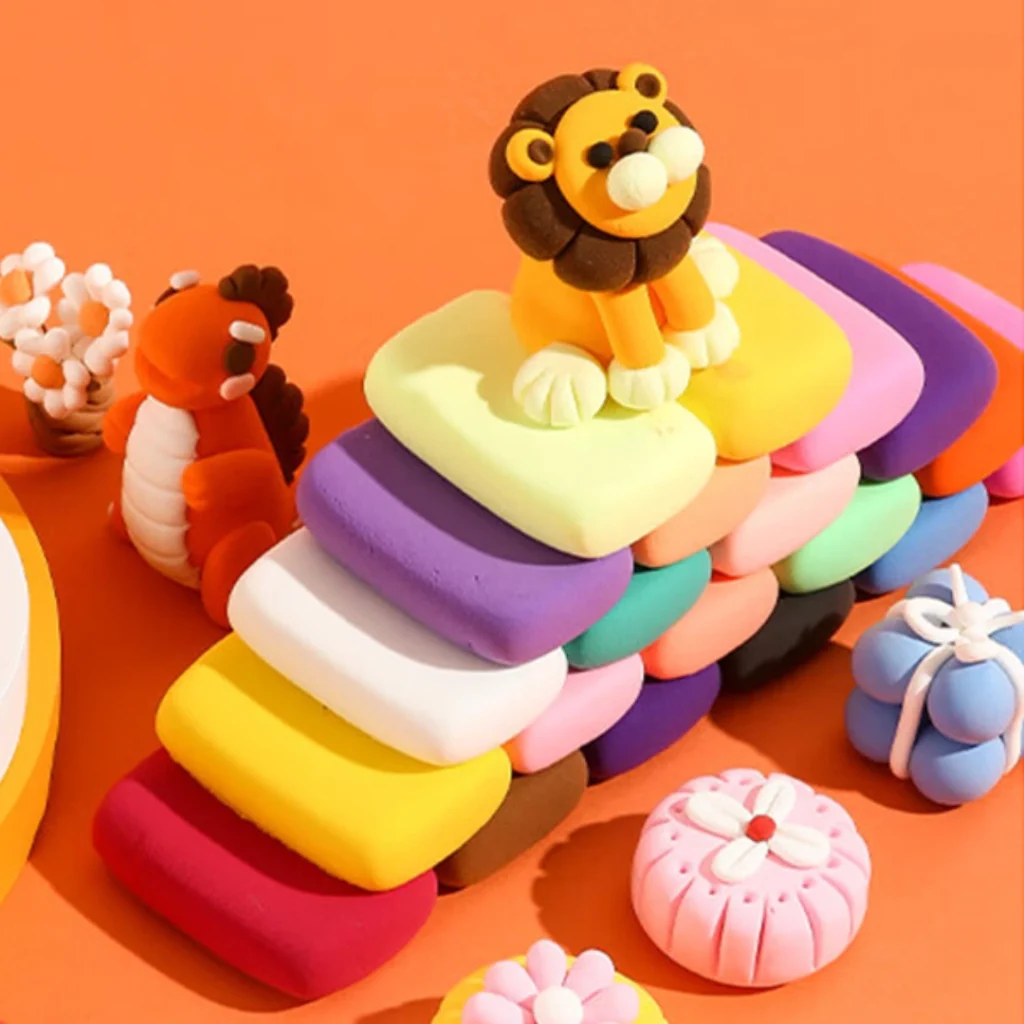
Educational toys shape more than play. From clay to sand, they spark creativity, build skills, and support safe learning. With thoughtful choices, parents and educators can turn simple materials into lasting tools for growth and discovery.
Confused about tariffs on Chinese toys? This article breaks down current rules, exemptions, and how toy imports are affected.
Learn which toys help children with ADHD stay engaged, manage energy, and develop focus, social skills, and creativity.
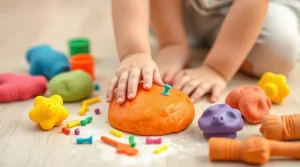
Montessori education and sensory play explained, including when and how playdough and other tactile materials support development.
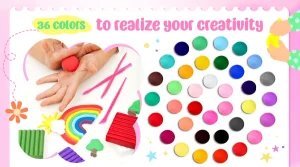
Art and craft in education inspire creativity, fine motor skills, and teamwork, using fun tools like air dry clay, slime, and sensory sand.