What Are Some Sensory Activities for Kids? 30+ Powerful Ways
Looking for sensory activities for kids? Explore engaging ideas with slime, playdough, kinetic sand, and air dry clay that support learning and creativity.

Children with ADHD often struggle with attention, impulsivity, and hyperactivity. Understanding these traits helps caregivers and educators select supportive strategies. Play is not just fun; it is a crucial way children explore, learn, and regulate their behavior.
ADHD, or Attention-Deficit/Hyperactivity Disorder, is a neurodevelopmental condition that impacts how children focus, control impulses, and stay organized. It affects the brain’s executive functions, which manage attention, planning, and self-regulation.
In play, children with ADHD may switch activities quickly, struggle to complete tasks, or seek constant movement. These behaviors are not a lack of interest—they reflect differences in brain processing. Structured, predictable play can support attention and reduce frustration.
The right toys can help children engage their attention and practice self-control in a safe way. Toys that match a child’s sensory and cognitive needs reduce overstimulation and encourage sustained focus.
For example, toys that provide tactile feedback or movement can channel energy constructively. Similarly, toys that require step-by-step problem solving can gently train patience and planning. Thoughtful toy selection aligns play with developmental support.
Sensory toys provide hands-on experiences that can help children with ADHD manage emotions and improve focus. By engaging touch, sight, and sometimes sound, these toys create predictable and soothing feedback that supports self-regulation during play.
Sensory input can calm overactive nervous systems. For example, squishing, rolling, or stretching a material provides immediate tactile feedback, which can reduce stress or anxiety. This physical engagement helps children shift attention away from distractions and focus on the task at hand.
Different children respond to different sensory experiences. Some may benefit from soft, malleable textures, while others prefer firmer or kinetic materials. Consistent sensory play can gradually improve tolerance to stimulation and enhance emotional control over time.

Kinetic sand moves slowly and sticks to itself, offering controlled tactile feedback. Slime can be stretched, pulled, or squeezed, which provides repetitive and calming sensory input. Air-dry clay allows shaping and modeling, giving children a sense of achievement while engaging fine motor skills.
These materials are versatile. They can be used for solo play, art projects, or structured activities. Because they require hands-on attention, they naturally encourage focus and reduce impulsive behavior during play sessions.
Always supervise younger children to prevent swallowing small pieces. Use non-toxic, hypoallergenic materials to ensure safety.
Set clear time limits to avoid overstimulation. Rotate different materials to maintain novelty and engagement. Encourage children to explore textures slowly, guiding them to notice changes in feel, shape, or resistance. This structured approach makes sensory play both safe and effective.
Fidget toys are small, handheld objects that children can manipulate while doing other tasks. For children with ADHD, these toys provide a controlled outlet for excess energy. This type of play can support attention and reduce impulsive behavior without distracting from learning or social interactions.
Fidgeting can help regulate arousal levels in the brain. By giving the hands a small, repetitive activity, the brain can maintain alertness while focusing on a main task. Research suggests that subtle movement can improve working memory and attention in children with ADHD (Kofler et al., 2018).
Fidgeting works best when it is quiet and unobtrusive. It provides a sensory anchor, allowing children to stay seated or engaged for longer periods. This is not a replacement for structured learning but a tool to enhance focus during challenging tasks.
Common fidget toys include stress balls, spinners, cubes with buttons or switches, and textured rings. Each type offers slightly different feedback: some provide resistance, others tactile stimulation, and some offer repetitive motion.
Choosing the right toy depends on the child’s needs. For example, a soft stress ball may be ideal for calming, while a spinner can channel restless energy. Allowing children to select toys themselves can increase engagement and make the fidgeting purposeful.
Active play is essential for children with ADHD, as it helps regulate energy, improve focus, and support overall development. Movement-based toys provide structured outlets for excess energy while promoting coordination, balance, and motor skills.
Physical activity increases dopamine and norepinephrine in the brain, neurotransmitters that are often lower in children with ADHD (Ratey, 2008). These chemicals play a key role in attention, motivation, and impulse control.

Active play also allows children to release restlessness safely, reducing fidgeting or impulsive behavior in other settings. Regular movement supports emotional regulation, making it easier for children to transition between tasks and stay engaged in learning.
Toys like balance boards, jump ropes, hula hoops, or obstacle courses encourage gross motor activity and coordination. Even simple games like tossing a ball or tag promote sustained movement while integrating social skills like turn-taking and cooperation.
Structured movement toys can be used indoors or outdoors, depending on space. Rotating activities helps maintain interest and ensures children engage multiple muscle groups, improving both focus and physical development over time.
Creative play allows children with ADHD to express emotions, develop fine motor skills, and focus attention. Art and craft toys provide structured outlets for energy while encouraging problem-solving, planning, and imagination.
Art and craft toys give children a way to communicate feelings they may struggle to verbalize. Engaging with materials helps regulate emotions and reduce stress by providing predictable, hands-on feedback.
Structured creative play also supports executive function. Planning a drawing or sculpture requires decision-making, sequencing, and concentration. These activities can reinforce self-control and patience in a controlled, enjoyable context.
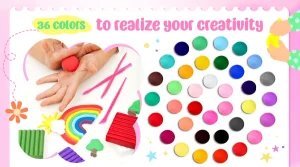
Playdough, air-dry clay, and modeling compounds offer tactile and repetitive experiences that can calm overactive attention systems. Children can roll, pinch, or mold materials, which strengthens hand muscles and fine motor coordination.
These activities also encourage focus through multi-step projects, such as shaping figures or creating patterns. Repeated practice can help children sustain attention while providing a safe way to channel energy and emotions.
Social play helps children with ADHD practice communication, self-control, and cooperation. Interactive toys and group games create structured situations where children learn social rules through experience, not instruction.
Playing with others teaches children how to read social cues, manage emotions, and respond appropriately. For children with ADHD, these skills may develop more slowly due to impulsivity or inattention. Guided play offers repeated practice in a low-pressure setting.
Group play also supports emotional regulation. Children learn to wait, handle frustration, and adjust behavior based on feedback from peers. Over time, these shared experiences can strengthen empathy and improve peer relationships.
Cooperative games that require shared goals help children practice teamwork without excessive competition. Turn-based games encourage waiting and listening, while simple rule-based games support attention and memory.
Clear structure is important. Games with predictable rules and short rounds are easier to follow and reduce conflict. Adult guidance can help model appropriate language and behavior, making social play more successful and enjoyable.
Mindfulness-focused toys support quiet attention and emotional balance. For children with ADHD, these toys create moments of stillness that contrast with high-energy play. Calm play helps children slow down and notice their actions, thoughts, and surroundings.
Mindful play encourages children to focus on the present moment. Repetitive and predictable actions, such as stacking or tracing, can lower anxiety by reducing uncertainty. This type of play supports self-regulation by limiting sudden changes or sensory overload.
When children engage in calm activities, impulsive reactions often decrease. Slower-paced play allows time to pause, think, and adjust behavior. Over time, this practice can help children better manage emotional responses during daily routines.
Toys that involve sorting, matching, or building patterns encourage sustained attention without strong stimulation. Simple puzzles, stacking objects, and shape-based activities require focus while remaining calm and structured.
These toys work best in quiet spaces with minimal distractions. Short play sessions are often more effective than long ones. Gradually increasing play time helps children build focus while keeping the experience positive and manageable.

Choosing toys for children with ADHD requires thoughtful balance. The goal is not to limit play, but to support attention, regulation, and development.
Toys should provide enough stimulation to maintain interest without overwhelming the child. Too much noise, light, or complexity can reduce focus and increase impulsive behavior. Simple designs with clear functions often support longer engagement.
Look for toys that offer control and predictability. Repetitive actions, adjustable difficulty, or structured steps help children stay focused. When stimulation is balanced, play becomes more manageable and less frustrating.
Age-appropriate toys support safe and meaningful play. However, developmental level matters more than age alone. Some children may need simpler tasks, while others benefit from added challenge to stay engaged.
Personal interests also play a key role. Toys aligned with a child’s preferences encourage motivation and sustained attention. Flexibility is important—what works today may change as the child grows or their needs shift.
Choosing toys for children with ADHD is not about fixing behavior, but about understanding how children learn and regulate themselves through play. Thoughtful toy selection can support focus, emotional balance, and healthy development when matched to a child’s needs.
Looking for sensory activities for kids? Explore engaging ideas with slime, playdough, kinetic sand, and air dry clay that support learning and creativity.

Confused about tariffs on Chinese toys? This article breaks down current rules, exemptions, and how toy imports are affected.

Montessori education and sensory play explained, including when and how playdough and other tactile materials support development.
Art and craft in education inspire creativity, fine motor skills, and teamwork, using fun tools like air dry clay, slime, and sensory sand.