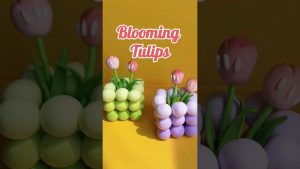
What are fun things to make with air dry clay?

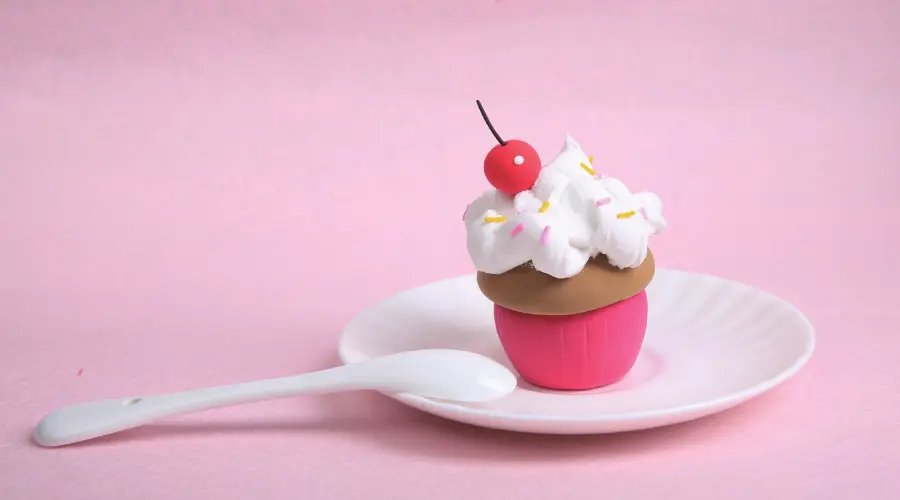
air dry clay cake

Table of Contents

The most fun things to make with air dry clay are projects that are easy to complete, durable after drying, age-appropriate, and useful or decorative. For children, simple animals, food models, ornaments, magnets, and mini figurines offer the highest success rate. For classrooms, DIY kits, seasonal crafts, and educational models provide both creative value and learning outcomes. For brands and retailers, projects that can be packaged as themed craft kits have the strongest commercial potential.

Air dry clay is popular because it requires no kiln or oven, making it suitable for homes, schools, art workshops, and educational toy programs.

Best Air Dry Clay Ideas by Difficulty

Skill Level Recommended Projects Why They Work
Beginner Animals, fruits, flowers, simple bowls Easy shaping, high completion rate
Intermediate Pencil holders, jewelry dishes, keychains, magnets Practical and decorative
Advanced Mini houses, fairy gardens, sculptures, articulated figures Encourage creativity and fine motor skills
Classroom Solar system models, dinosaurs, alphabet letters Combine art with education
Seasonal Christmas ornaments, Easter eggs, Halloween pumpkins Ideal for themed activities and retail kits

If a project can be completed within 20–60 minutes, dries without structural collapse, and requires only basic sculpting techniques, it is generally a good air dry clay project.

What Makes a Good Air Dry Clay Project?

Not every clay idea performs equally well.

A successful project usually meets four criteria:

  • Simple enough to shape before the clay begins drying
  • Thick enough to resist cracking
  • Interesting after painting
  • Suitable for the user’s age and skill level

For children’s products, projects with fewer than ten individual pieces generally achieve higher completion rates than highly detailed sculptures.
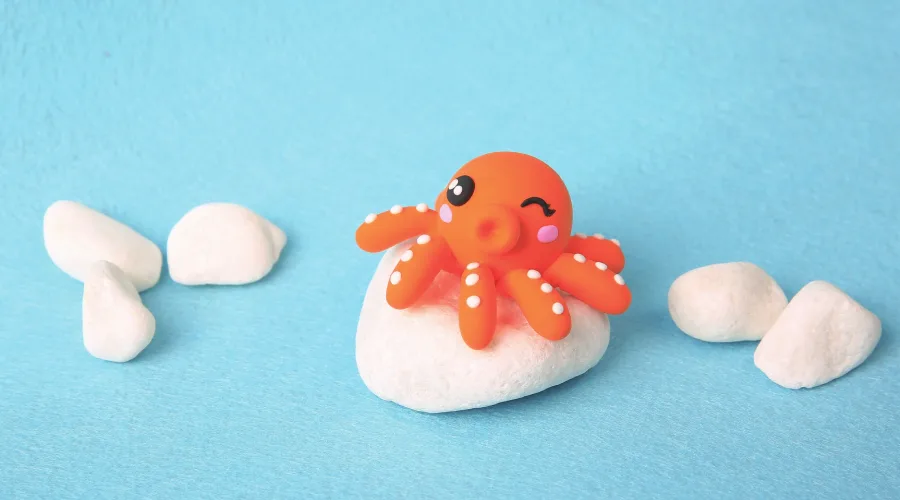
clay octopus cute

1. Cute Animal Figures

Animal figures remain one of the most popular air dry clay projects.

Popular examples include:

  • Cats
  • Dogs
  • Rabbits
  • Dinosaurs
  • Turtles
  • Penguins
  • Bears
  • Foxes

These projects teach:

  • Hand-eye coordination
  • Shape recognition
  • Creative storytelling

For beginners, animals can be built using only:

  • Balls
  • Cylinders
  • Cones

This reduces frustration while producing satisfying results.
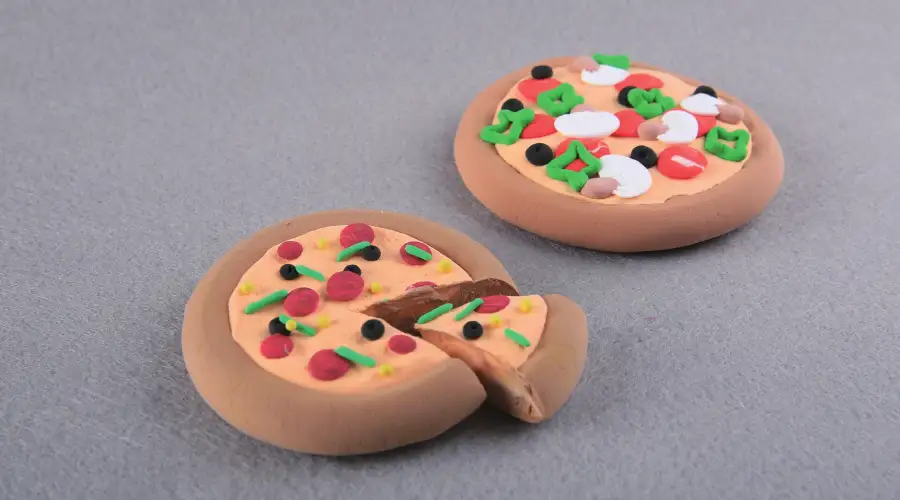
diy pizza clay art for kids

2. Mini Food Models

Miniature food is especially popular on social media and among children.

Ideas include:

  • Donuts
  • Cupcakes
  • Ice cream cones
  • Pizza slices
  • Hamburgers
  • Sushi
  • Bubble tea
  • Fruits

These can become:

  • Refrigerator magnets
  • Keychains
  • Dollhouse accessories
  • Pretend play toys

Food models also pair well with role-play activities in preschool settings.

3. Personalized Name Magnets

Letter magnets combine creativity with early education.

Children can create:

  • Initial letters
  • Full names
  • Alphabet sets
  • Animal alphabet collections

Benefits include:

  • Letter recognition
  • Fine motor development
  • Personalized keepsakes

Small magnets can be attached after the clay has completely dried.
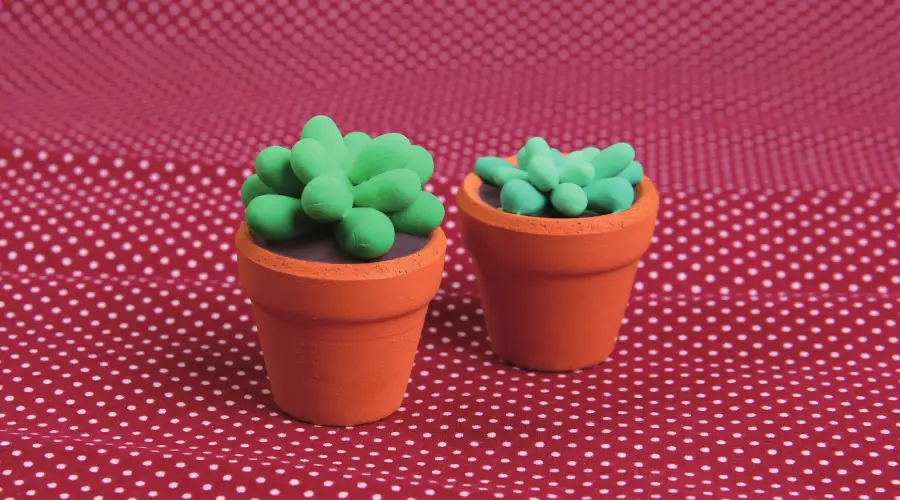
DIY Clay Succulents

4. Christmas Ornaments

Holiday crafts consistently rank among the highest-volume seasonal activities.

Popular ornaments include:

  • Snowflakes
  • Christmas trees
  • Stars
  • Reindeer
  • Gingerbread men
  • Snowmen

These projects are suitable for:

  • Schools
  • Community events
  • Family craft sessions
  • Seasonal retail promotions

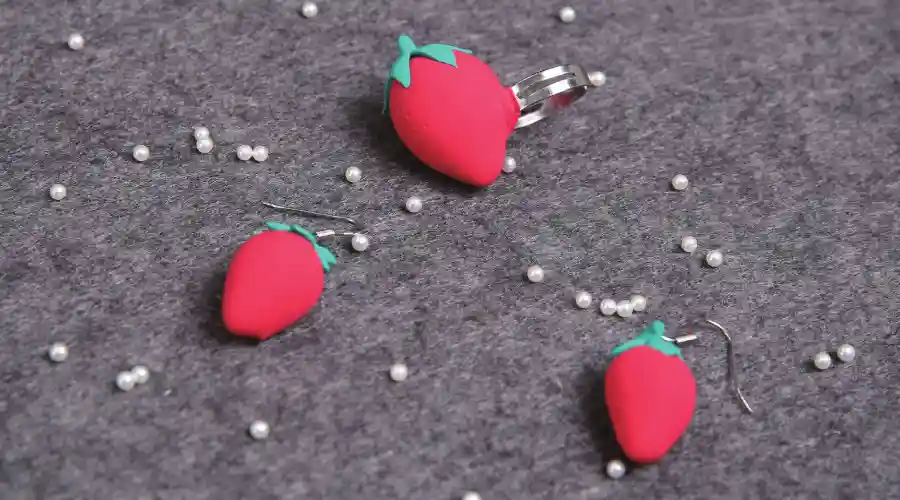
5. Jewelry Dishes

A jewelry dish is a practical beginner project for teenagers and adults.

Common shapes include:

  • Hearts
  • Leaves
  • Clouds
  • Stars
  • Flowers

Simple texture can be added using:

  • Lace
  • Leaves
  • Fabric
  • Wooden stamps

After painting and sealing, the dish becomes both decorative and functional.
6. Pencil Holders

Pencil holders are excellent STEM or classroom projects.

Children learn:

  • Rolling
  • Joining
  • Surface decoration

Finished holders can store:

  • Pens
  • Markers
  • Paint brushes
  • Craft tools

This project also introduces basic structural thinking.
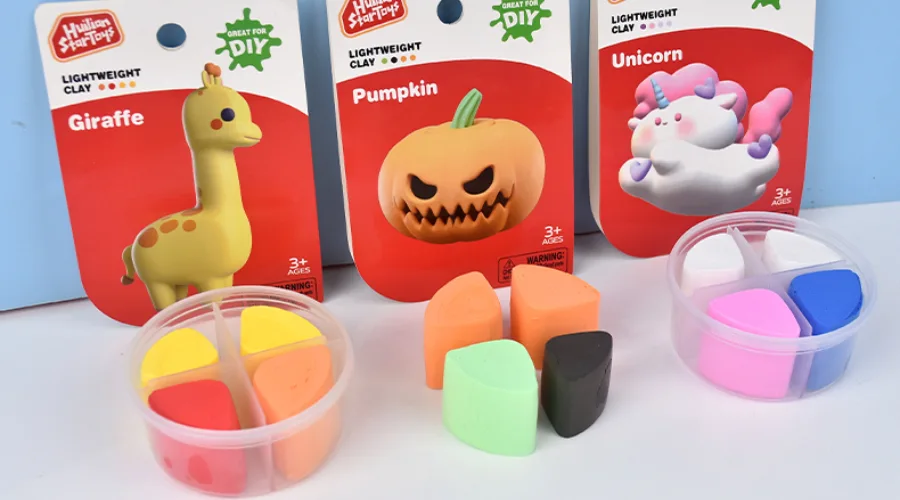
lightweight air dry clay

7. Dinosaur Models

Dinosaurs remain one of the strongest-performing educational themes.

Popular choices include:

  • T-Rex
  • Triceratops
  • Stegosaurus
  • Brachiosaurus

Teachers often combine these projects with lessons about:

  • Fossils
  • Natural history
  • Habitats
  • Earth’s timeline

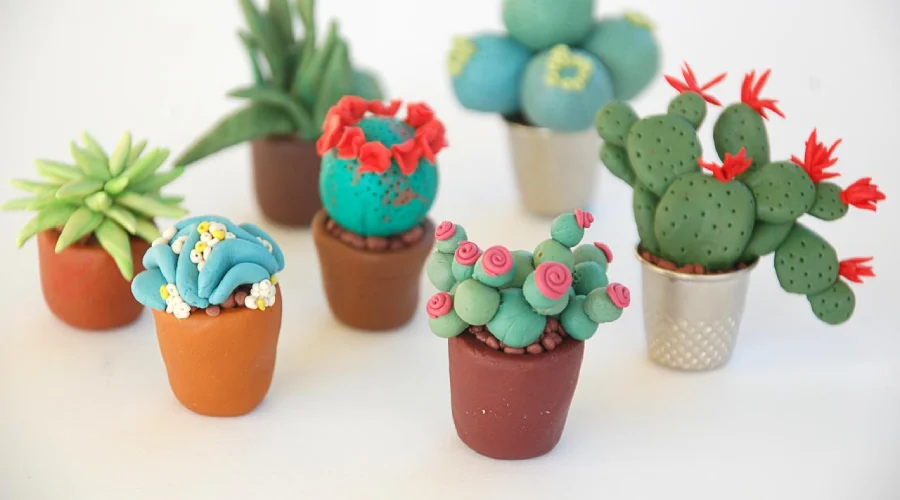
8. Fairy Garden Accessories

Mini garden accessories encourage imaginative play.

Ideas include:

  • Tiny mushrooms
  • Garden benches
  • Mini fences
  • Flowers
  • Bridges
  • Fairy doors

These projects are especially suitable for:
  • Nature-themed activities
  • Summer camps
  • DIY gift kits

9. Decorative Plant Pots

Small decorative pots are attractive projects for older children and adults.

Design ideas include:

  • Animal faces
  • Cartoon characters
  • Geometric patterns
  • Nature textures

Note: Standard air dry clay is decorative rather than waterproof. If the finished pot will hold moisture, apply an appropriate sealant or use it as a decorative cover instead of a watertight container.

10. Educational Science Models

Air dry clay is also useful for educational demonstrations.

Examples include:

  • Solar system
  • Human cell
  • Plant cell
  • Volcano
  • Earth layers
  • DNA model
  • Animal anatomy

Compared with paper crafts, clay models provide a more tactile learning experience.

Air Dry Clay Projects by Age

Age Group Recommended Projects Main Learning Benefits
3–5 years Balls, animals, fruits, flowers Sensory play, hand strength, color recognition
6–8 years Magnets, ornaments, dinosaurs Creativity, sequencing, fine motor skills
9–12 years Pencil holders, fairy gardens, mini houses Planning, problem solving, artistic expression
Teens & Adults Jewelry dishes, sculptures, home décor Design skills, relaxation, craftsmanship

Younger children benefit most from projects built with simple geometric shapes, while older users can successfully complete projects involving multiple assembled parts.

Tips for Better Air Dry Clay Results

Following a few best practices helps improve finished projects.

  • Keep wall thickness relatively even to reduce cracking.
  • Smooth joints with a small amount of water before drying.
  • Allow projects to dry naturally in a well-ventilated area.
  • Paint only after the clay is fully dry.
  • Apply a clear sealant if additional surface protection is required.
  • Store unused clay in an airtight container to maintain softness.

Choosing the Right Air Dry Clay for Different Applications

Different applications call for different product characteristics.

Application Recommended Clay Characteristics
Preschool activities Soft texture, easy molding, non-sticky
Classroom projects Consistent quality, long working time
DIY craft kits Bright colors, minimal shrinkage
Retail craft products Smooth finish, easy painting
Educational programs Safety compliance and reliable batch consistency

When selecting air dry clay for educational or retail use, it is important to evaluate not only color and texture but also manufacturing consistency, drying performance, and compliance with applicable toy safety standards.

Conclusion

The most enjoyable air dry clay projects share three characteristics: they are easy to make, rewarding to finish, and appropriate for the user’s skill level. Beginner-friendly creations such as animals, food models, ornaments, and magnets offer quick success, while educational models and decorative items provide additional learning or practical value.

For brands, educators, and retailers, organizing these ideas into age-specific or seasonal DIY kits can increase engagement while simplifying activity planning. When sourcing materials for children’s products, consistent quality and compliance with recognized safety standards—including ASTM F963, EN71, and CPSIA—are important factors in delivering reliable educational and sensory play experiences.

Frequently Asked Questions

Simple balls, animals, fruits, flowers, and ornaments are the easiest projects because they require only basic shaping techniques.

Yes. Air dry clay designed specifically for children's educational use is generally suitable when used according to the recommended age guidelines and under adult supervision where appropriate. For commercial educational products, compliance with recognized toy safety standards such as ASTM F963, EN71, and CPSIA is an important consideration.

No. Air dry clay hardens naturally at room temperature, eliminating the need for an oven or kiln.

Yes. Acrylic paint is commonly used after the clay has dried completely. A clear protective coating can be applied afterward if additional durability is desired.

Products that combine personalization, seasonal themes, and practical use tend to perform well. Examples include ornaments, magnets, keychains, jewelry dishes, and miniature decorative figures. These projects are also well suited for DIY craft kits and educational activity sets.

Download Catalogue

Where You Can Find Us

More Related...

Play Dough

View Products

HEY! HOW CAN WE HELP YOU?

Our team will answer your inquiries within 48 hours.

Copyright © 2026 GuangDong AKIA Technology Co,. Ltd. All Rights Reserved

Scroll to Top

Contact Form