
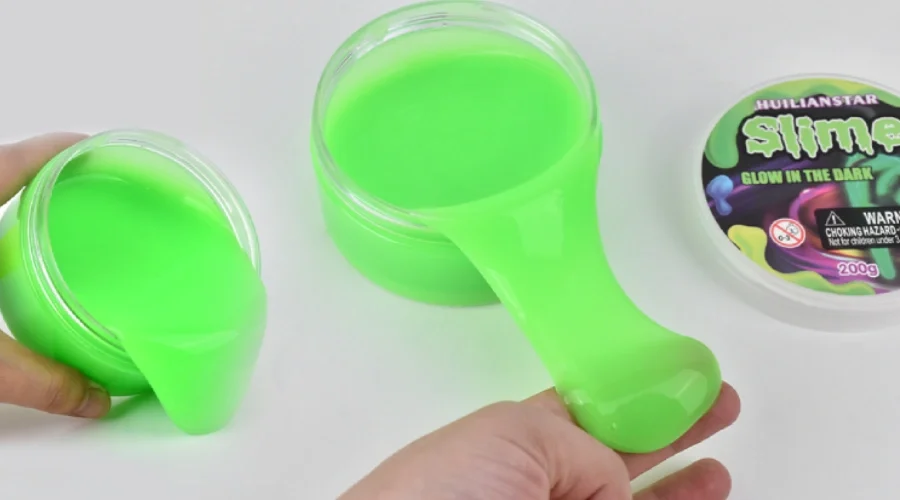
Ever wondered how glow in the dark slime gets its glow? Learn the science, make your own, and enjoy endless fun! Ready to start glowing?
What is Glow in the Dark Slime?
Glow in the dark slime is a magical twist on a classic favorite. It’s a stretchy, gooey substance that mysteriously lights up in the dark. This special slime is not only fun to play with but also a fascinating way to explore the science of slime and luminescence.
Imagine being in a dim room with friends, and suddenly, the slime you’re holding starts to glow brightly. It’s like having a piece of magic right in your hands, sparking curiosity and excitement. This enchanting effect is what makes glow in the dark slime so appealing and fun.
But what makes this slime glow? The secret lies in the science of luminescence, which involves materials that can absorb and then slowly release light.
The Science of Glow in the Dark
Luminescence is the science behind the glow in the dark slime. It’s a process where materials emit light after absorbing energy. Unlike regular light bulbs that glow because they are hot, luminescent materials glow without needing heat.
Types of Luminescence
There are different types of luminescence, but two of the most common are fluorescence and phosphorescence.
- Fluorescence: Imagine you have a highlighter under a blacklight. It glows brightly, but as soon as you turn off the light, the glow disappears. This is fluorescence. The material absorbs light and then immediately releases it.
- Phosphorescence: Now think about glow in the dark stars on your bedroom ceiling. They glow for hours after you turn off the lights. This is phosphorescence. The material absorbs light and slowly releases it over time.
How Glow in the Dark Slime Works
So, how does glow in the dark slime work? The answer is phosphorescence.
When you mix phosphorescent powder into the slime, the slime absorbs light. This could be sunlight or light from a lamp. After absorbing this light, the phosphorescent material in the slime releases the light slowly, creating that magical glow.
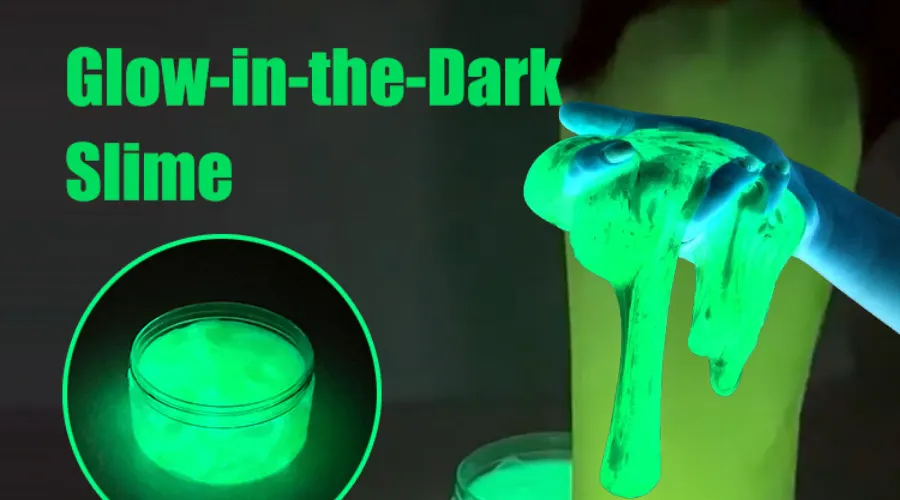
Unlike fluorescent materials, which stop glowing as soon as the light source is removed, phosphorescent materials keep glowing. This is because phosphorescent materials store the light energy and release it gradually. That’s why your glow in the dark slime can shine for a long time after being “charged” by light.
Imagine you’re at Hogwarts, and Professor Flitwick is demonstrating a spell that makes objects glow in the dark. Instead of using a wand, you’re holding a piece of glow in the dark slime. It’s like having a bit of that magical world right in your hands.
You don’t need to be a wizard to enjoy the enchanting glow – you just need some glow in the dark slime! Understanding these scientific principles makes playing with glow in the dark slime even more fascinating and fun.
Key Ingredients for Glow in the Dark Slime
To truly appreciate the magic of glow in the dark slime, it’s helpful to understand the key ingredients that make it work.
Essential Slime Ingredients
First, let’s talk about the basic ingredients found in all types of slime:
- PVA: The foundation of any good slime is PVA(glue). Most glow in the dark slimes use white or clear glue. This sticky substance gives the slime its stretchy, moldable texture.
- Activators: These are the magic ingredients that turn PVA into slime. Common activators include borax solution and contact lens solution. When mixed with glue, these activators cause a chemical reaction that transforms the liquid into the gooey, stretchy substance we all love.
Glow in the Dark Additives
Now, here’s where the glow in the dark slime becomes truly magical:
- Phosphorescent Powders: These powders are the secret to the glowing effect. They absorb light and then release it slowly, creating that signature glow. The more light they absorb, the brighter and longer they will glow.
- Fluorescent Dyes: Sometimes, fluorescent dyes are added to enhance the color and glow of the slime. These dyes can make the slime look vibrant under regular light and add an extra pop of brightness when it glows in the dark.
By understanding these ingredients, you can better appreciate the science and magic that goes into every batch of glow in the dark slime. And the best part? You don’t have to mix anything yourself – just grab some glow in the dark slime, and let the fun begin!
Safety and Storage
When enjoying glow in the dark slime, it’s important to keep safety in mind.

Safe Handling of Ingredients
Glow in the dark slime is made with non-toxic ingredients, but it’s still good to be cautious.
- Non-toxic Options: Most glow in the dark slimes are made with safe, non-toxic materials, so they’re perfect for kids. Always check the labels to be sure.
- Handling and Storing Phosphorescent Materials: The magic ingredient in glow in the dark slime is the phosphorescent powder. While generally safe, it’s best to handle it carefully. Wash your hands after playing with the slime and avoid getting it in your eyes or mouth. Store the slime out of reach of very young children or pets who might be tempted to taste it.
Storing Your Glow in the Dark Slime
Proper storage ensures your glow in the dark slime stays fun and safe to use.
- Proper Storage Methods: Keep your slime in an airtight container when you’re not using it. This prevents it from drying out and keeps it clean.
- Shelf Life and Maintenance Tips: Glow in the dark slime can last for weeks if stored properly. If it starts to get sticky or hard, you can refresh it with a few drops of water or contact lens solution. Keep the slime away from direct sunlight when storing, as this can affect its glow.
Just like those magical plants in Professor Sprout’s greenhouse, your glow in the dark slime needs the right care too. Store it properly, handle it with care, and it will keep glowing brightly for all your magical adventures.
By following these simple tips, you can ensure your glow in the dark slime remains a safe and delightful source of fun and learning. Enjoy the glow, and let the magic continue!
Fun with Glow in the Dark Slime
Glow in the dark slime isn’t just for play; it’s also a fantastic tool for learning and creativity.
Educational Activities
Glow in the dark slime can make science come alive.
- Using Slime to Teach Basic Science Concepts: When you play with glow in the dark slime, you’re also exploring science. You can learn about chemical reactions and how materials change when mixed. For example, the way glue and activator turn into slime is a simple but fascinating chemical reaction.
- STEM Projects Involving Glow in the Dark Slime: Glow in the dark slime is perfect for STEM (Science, Technology, Engineering, and Mathematics) projects. You can use it to teach kids about luminescence, energy absorption, and phosphorescence. Imagine a class project where students create slime and then test how different light sources affect its glow. It’s like having a mini science lab right at home or in the classroom.
Entertaining Ideas
Glow in the dark slime can add a magical touch to any event.
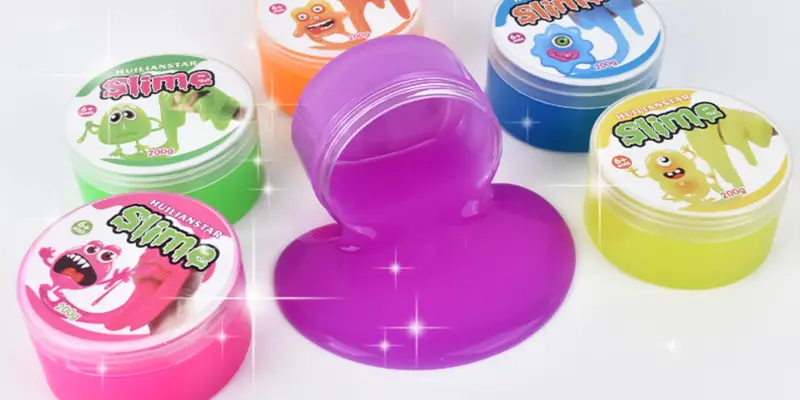
- Glow in the Dark Slime for Parties: Whether it’s a birthday party or a sleepover, glow in the dark slime is a hit. You can set up a slime-making station or have pre-made slime ready for the kids to play with. Imagine turning off the lights and watching everyone’s slime glow in different colors—it’s like a magical party trick!
- Art Projects and Decorations: Glow in the dark slime is also great for art projects. You can use it to create glowing decorations for Halloween or other festive occasions. Make spooky slime monsters or glowing slime lanterns. The possibilities are endless, and the glow adds an extra element of fun and creativity.
By incorporating glow in the dark slime into your activities, you can make learning and playing more exciting and magical. Whether for education or entertainment, this slime offers endless possibilities for fun and creativity.

Making Glow in the Dark Slime Step-by-Step Guide
Creating glow in the dark slime is a magical and fun activity. Here’s a simple guide to help you make your own.
Basic Recipe for Glow in the Dark Slime
Materials Needed:
- White or clear glue
- Borax solution or contact lens solution
- Phosphorescent powder or glow in the dark paint
- Water
- Mixing bowl
- Spoon or spatula
Detailed Instructions:
- Prepare Your Ingredients: Gather all your materials. Make sure you have everything ready before you start.
- Mix the Glue and Water: In a mixing bowl, combine 1/2 cup of glue with 1/2 cup of water. Stir until they are well mixed.
- Add the Glow Ingredient: Stir in 1-2 tablespoons of phosphorescent powder or a few drops of glow in the dark paint. Mix thoroughly to ensure the glow material is evenly distributed.
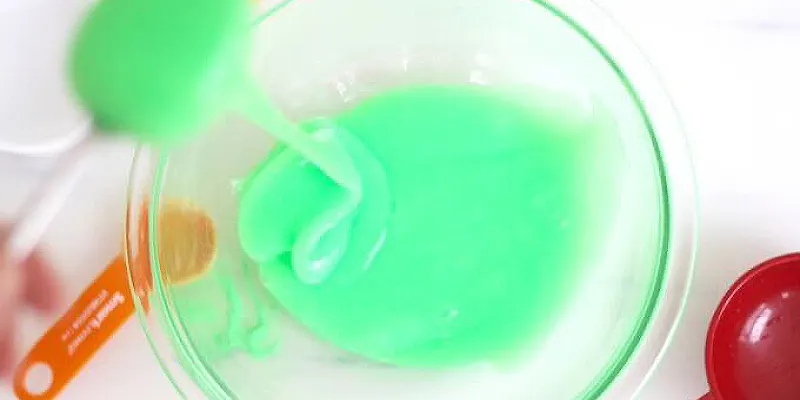
- Activate the Slime: Slowly add the borax solution or contact lens solution to the glue mixture. Start with a small amount and gradually add more, stirring continuously. You’ll see the mixture start to thicken and form slime.
- Knead the Slime: Once the slime starts to pull away from the bowl, take it out and knead it with your hands. This helps to mix all the ingredients well and make the slime stretchy.
- Charge the Slime: Hold the slime under a light source for a few minutes to “charge” the glow in the dark effect. The longer you charge it, the brighter it will glow.
Tips for a Better Glow
- Best Practices for Mixing: Ensure you mix the glow ingredients evenly to avoid any spots that don’t glow. Use a clear glue for a brighter glow, as it allows the light to pass through more easily.
- How to Achieve Different Glow Intensities: For a brighter glow, add more phosphorescent powder. Try different light sources for charging your slime. UV light usually gives the brightest and longest-lasting glow. Experiment with different amounts of activator to find the perfect balance between stretchiness and glow.
Imagine you’re in a Hogwarts potions class, following a recipe to create a magical glowing potion. With these simple steps, you can make your own enchanting glow in the dark slime at home.
Remember, you don’t have to be a wizard to create something magical. Just follow these steps and watch your slime come to life with an amazing glow!
Troubleshooting Common Issues
Making glow in the dark slime can be a lot of fun, but sometimes you might run into a few problems. Here’s how to fix common issues and get your slime glowing just right.
Slime Not Glowing Enough
- Insufficient Light Exposure: If your slime isn’t glowing brightly, it might not have been charged long enough. Make sure you hold it under a strong light source, such as a lamp or sunlight, for several minutes.
- Low Amount of Phosphorescent Powder: Not using enough phosphorescent powder can result in a faint glow. Try adding a bit more powder to your slime mixture. Stir well to make sure it’s evenly distributed.
- Old or Poor-Quality Glow Ingredients: Sometimes, the phosphorescent powder or glow paint might be old or of low quality. Ensure you’re using fresh, high-quality materials for the best glow.
Adjusting the Recipe for Better Consistency
If Slime is Too Sticky
- Add More Activator: If your slime is too sticky and doesn’t come off your hands easily, try adding a little more activator (borax solution or contact lens solution). Add it gradually to avoid making the slime too stiff.
- Mix Thoroughly: Ensure you mix the activator thoroughly into the slime. Sometimes, uneven mixing can cause stickiness.
If Slime is Too Hard
- Add More Water: If your slime is too hard and not stretchy, it might need more moisture. Add a few drops of water and knead it well to soften it.
- Reduce Activator: Using too much activator can make the slime stiff. Try adding less activator next time or adjust the amount if your slime is already too hard.
By addressing these common problems, you can ensure your glow in the dark slime always performs beautifully and provides endless fun.
Conclusion
This blog explores the enchanting world of glow in the dark slime, from understanding how luminescence works to the key ingredients needed for that magical glow. The slime glow in the dark combines science with fun, making it perfect for educational projects, parties, and creative activities.
Dive into the glow and create your own magical slime experience today!
References
- Kaiser, R. I., & Schaefer, J. (2000). Fluorescence and Phosphorescence. In Encyclopedia of Physical Science and Technology (3rd ed., Vol. 4, pp. 611-626). Academic Press.
- Gómez, S., & López, I. (2011). Light-Emitting Materials for Displays. In Handbook of Display Technology (pp. 75-120). Springer.
- American Academy of Pediatrics. (2019). Safety Tips for Playdough and Slime. Pediatrics, 144(5), e20193009.
- Smith, E. R. (2015). The Science of Slime: An Experiment. Journal of Chemical Education, 92(6), 987-991.
- Harris, M. (2017). Using Slime for Science Education: An Innovative Approach. Science Teacher, 84(3), 42-48.


How Many Types of Slime Are There? Explore Squishy Science
Explore the surprising world of slime varieties, their textures, and the science behind them in this kid-friendly educational breakdown.