

The Role of Polymers
Polymers are key to understanding floam slime. They form the backbone of its structure, giving it the unique qualities that make it so appealing.
Overview of Polymer Chemistry
Polymers are long chains of repeating molecular units. In floam slime, these chains create a flexible and resilient texture. The way these chains interact with each other determines the slime’s overall feel.
When combined with other ingredients, the result is a product that is not only fun to play with but also interesting from a scientific perspective.
Types of Polymers Used
Floam slime typically contains different types of polymers, such as polyvinyl acetate (PVA) and polyethylene.
- PVA is often used as the base, providing a smooth, stretchy texture.
- Polyethylene beads add the signature crunch and sensory feedback.
Each type of polymer plays a role in creating the unique characteristics of floam slime.

Contribution to Elasticity and Stretchiness
The presence of polymers enhances floam slime’s elasticity and stretchiness.
As the chains of polymers stretch, they can return to their original shape, making the slime resilient. This elasticity allows users to manipulate the slime easily, creating a satisfying experience.
The combination of these polymers leads to a material that feels great in the hands, keeping users engaged and coming back for more.
Sensory Appeal
Floam slime’s sensory appeal is a major factor in its popularity. This section delves into how floam engages the senses and the benefits of sensory play. Understanding this can shed light on why so many people find it addictive.
Benefits of Sensory Play
Engaging with floam slime offers various benefits, particularly in sensory play. This type of play helps improve fine motor skills and enhances creativity. As users manipulate the slime, they explore textures and forms, leading to a deeper understanding of materials.
According to the National Association for the Education of Young Children (NAEYC), sensory play can foster problem-solving skills and encourage imaginative thinking.
Stimulation of Touch and Sound
Floam slime provides unique stimulation for both touch and sound. The texture is soft and squishy, inviting users to squeeze and stretch it.
The addition of microbeads creates a satisfying crunch as the slime is manipulated. This combination of tactile and auditory feedback makes the experience enjoyable, encouraging users to engage with the material repeatedly.
Psychological Aspects of Sensory Engagement
The psychological impact of sensory engagement is significant. Playing with floam slime can reduce stress and promote relaxation. The rhythmic motions of squeezing and stretching can be calming.
Additionally, sensory play can evoke positive memories, enhancing emotional well-being.
Engaging with materials like floam slime taps into our natural curiosity and desire for exploration, making it a compelling choice for many.
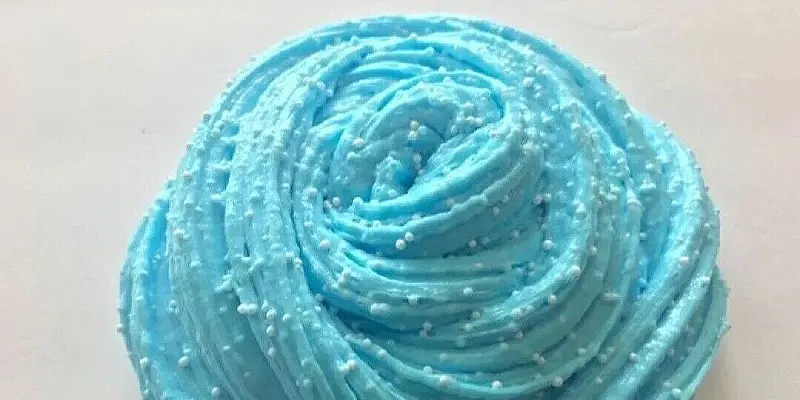
DIY Floam Slime: Ingredients and Process
Creating floam slime at home can be a fun and educational experience.
Common Recipes and Variations
Many popular recipes exist for making floam slime, each with slight variations. A basic recipe usually includes
- glue,
- water,
- and a slime activator like borax or contact lens solution.
- To create the signature floam texture, adding foam beads is essential.
Some variations incorporate food coloring or glitter for visual appeal. Others use different types of glue, such as clear or glitter glue, to achieve unique effects.
Step-by-Step Guide
Making floam slime is straightforward. Here’s a simple guide:
- Gather Ingredients: You will need white glue, water, foam beads, and an activator.
- Mix Glue and Water: In a bowl, combine 1 cup of glue with 1/2 cup of water. Stir until smooth.
- Add Activator: Slowly mix in your slime activator, starting with 1 tablespoon. Stir until the mixture thickens.
- Incorporate Foam Beads: Add foam beads to the slime and knead until evenly distributed.
- Adjust Consistency: If the slime is too sticky, add more activator; if it’s too stiff, add a bit of water.
This method creates a basic floam slime that can be customized further.

Tips for Texture and Consistency
Achieving the desired texture and consistency in floam slime requires some best practices.
- First, ensure you are using the right amount of foam beads; too few can make the slime too soft, while too many can make it crumble.
- Additionally, knead the slime thoroughly after adding beads to ensure an even distribution.
- For a stretchier floam, use more glue relative to the activator.
- Experimenting with different ingredients and ratios can lead to unique and satisfying results.
Always remember to store floam slime in an airtight container to maintain its texture.
Applications of Floam Slime
Floam slime is more than just a fun texture; it has various applications in arts, education, and popular trends.
Creative Uses in Arts and Crafts
Floam slime offers unique opportunities for creativity in arts and crafts.
Artists use it to create textured pieces, adding depth and interest to their work. The pliability of floam allows for easy molding into shapes, making it perfect for crafting decorations or personalized gifts.
For instance, a simple floam sculpture can become a vibrant centerpiece or a playful addition to any space. The ability to mix colors and incorporate various beads also opens avenues for unique artistic expression.
Educational Benefits
Floam slime is a valuable tool in educational settings. It serves as a hands-on resource for teaching scientific concepts, such as polymers and states of matter.
By making floam slime, students can learn about chemical reactions and material properties.
Additionally, using floam in sensory play can enhance fine motor skills, aiding in the development of hand-eye coordination.
Educators often incorporate floam slime into lessons about measurement, following recipes, and exploring textures, making learning engaging and interactive.

Popular Trends and Challenges
The floam slime community is buzzing with trends and challenges that keep enthusiasts engaged.
Social media platforms showcase various floam slime recipes and challenges, prompting creators to experiment with new textures and colors. Some popular challenges involve creating themed floam, such as holiday editions or character-inspired designs.
However, these trends can lead to challenges, such as sourcing specific ingredients or achieving the perfect consistency.
Despite these hurdles, the community’s creativity thrives, driving ongoing interest in floam slime.
Safety and Environmental Considerations
Floam slime might seem like all fun and games, but safety and environmental factors are crucial.
Safety Standards for Ingredients
Floam slime ingredients must meet strict safety standards, especially since children often use it. Most recipes use non-toxic, child-safe materials, such as polyvinyl alcohol (PVA) and polystyrene beads.
However, even safe ingredients can cause skin irritation or allergic reactions, so it’s important to monitor use and choose reputable products.
Manufacturers need to follow ASTM or EN71 standards to ensure floam slime remains safe for kids. These guidelines help ensure that floam slime materials avoid hazardous substances like harmful preservatives or dyes.
Environmental Impact
While floam slime is great for play, some components raise environmental concerns.
For example, polystyrene beads used in floam do not break down easily, contributing to microplastic pollution. When floam is disposed of improperly, it can harm wildlife or end up in waterways.
Awareness of these issues is growing, pushing consumers and makers to consider more sustainable practices, such as minimizing waste and avoiding harmful chemicals.
Eco-Friendly Alternatives
There are eco-friendly ways to enjoy floam slime while reducing environmental impact.
Using biodegradable alternatives to traditional beads, like natural starch-based materials, can help. Additionally, opting for non-toxic, plant-based glues or natural colorants can make a significant difference.
Another sustainable approach is to reuse floam slime by adding fresh ingredients to revitalize it, which reduces waste.
Conclusion
The addictive nature of floam slime lies in its unique blend of texture, sensory appeal, and scientific properties. The combination of polymers and microbeads creates a satisfying stretch and crunch that engages both touch and sound.
As we explore its safety and sustainability, floam continues to captivate all ages.

How Many Types of Slime Are There? Explore Squishy Science
Explore the surprising world of slime varieties, their textures, and the science behind them in this kid-friendly educational breakdown.