
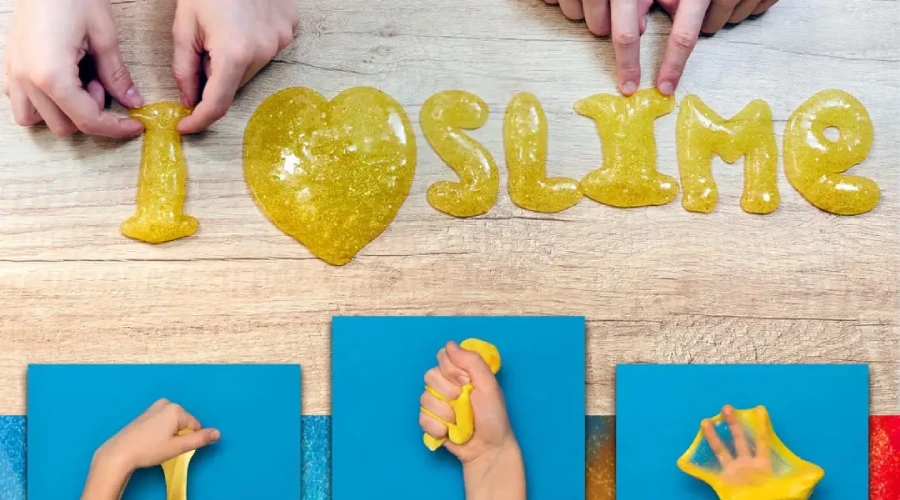
Slime toy play is everywhere now, so many families wonder if this soft, stretchy material truly supports child growth. This section takes a calm, science-based look at the topic. It explores why the question matters and how experts view sensory play in general, without turning slime into a miracle tool.
Why Parents Are Curious About Slime’s Developmental Value
Parents often notice how long a child can focus while stretching and pressing a slime toy. Even a quiet kid may sit for minutes, turning the goo in their hands. So adults naturally ask if this simple activity does more than pass time, especially when they see strong reactions—either delight or avoidance—from different children.
Some families also remember their own messy play from years ago. A parent once told me her son treated slime like a tiny alien he was interviewing, much like a scene from classic sci-fi. Watching him explore sparked the question: Is this strange material doing anything helpful for his growth?
What Scientists Say About Sensory Play in General
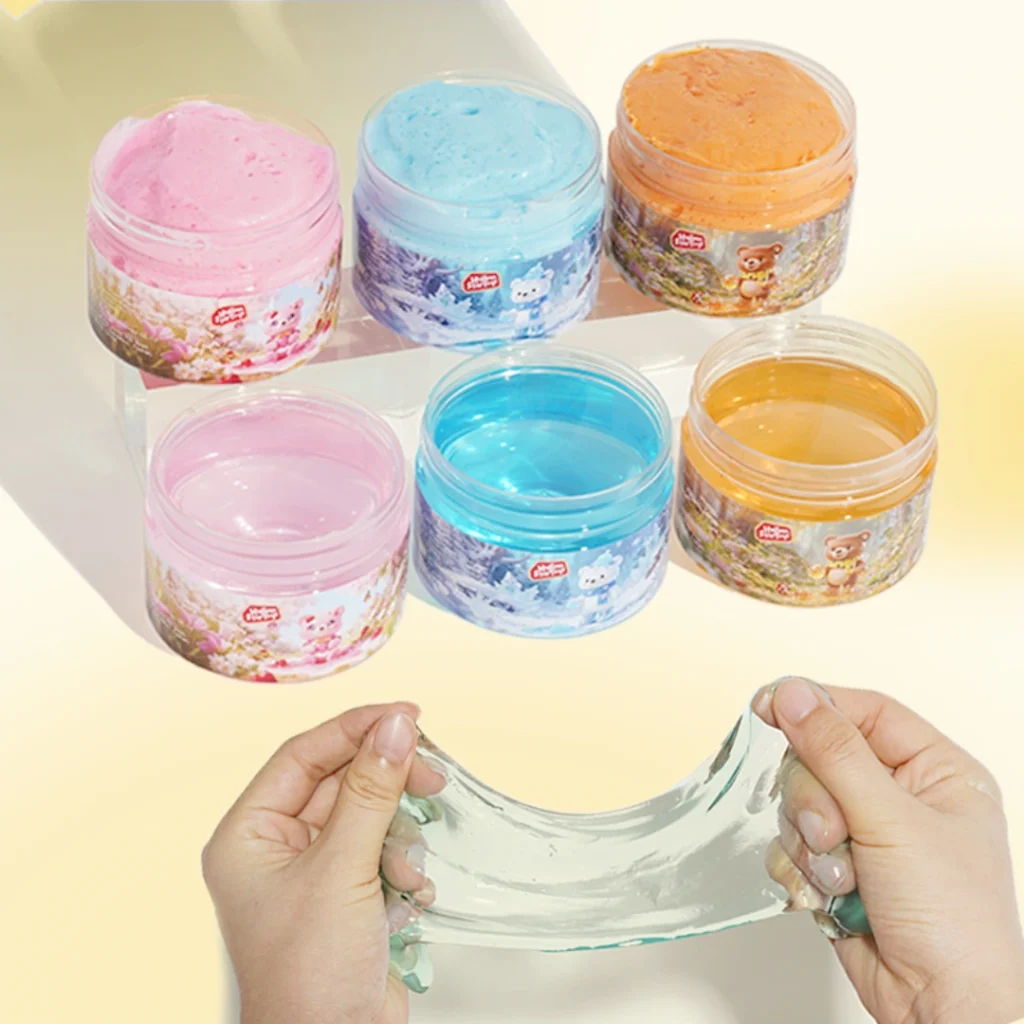
Researchers note that hands-on sensory play—slime, dough, sand, or foam—gives kids a direct way to study texture, movement, and pressure. A review in the Journal of Occupational Therapy, Schools, & Early Intervention (2019) reports that tactile tasks can help children explore the world in a steady, low-stress way.
Scientists also point out that sensory activities allow kids to test cause and effect. When a child pulls a slime toy and sees it stretch or break, they learn small physical rules. These moments may seem simple, but they build early curiosity without forcing a child into rigid tasks.
In many classrooms, teachers keep small sensory bins for short breaks. One teacher shared that her students treated slime like a tiny model of a distant planet—strange, squishy, and full of surprises. These playful images help make the science feel natural, not heavy.
The Sensory Science: How Slime Supports Kids’ Sensory Development
Slime toy play gives children a direct way to explore texture, weight, movement, and pressure through their hands. This kind of hands-on contact helps the brain sort sensory details at a steady pace.
Tactile Exploration and Nervous System Development
Many researchers note that kids build sensory maps by touching materials with different give and stretch. When a child squeezes a slime toy, the nervous system receives clear signals about pressure and movement, which helps the brain organize touch in a calm way.
One parent told me her daughter treated slime like a tiny life-form that needed “examining.” She pressed, rolled, and poked it, almost like a young explorer in an Arthur C. Clarke story. Each motion gave her new clues about how the material reacted.
Texture, Resistance, and Fine-Grained Sensory Feedback
A slime toy offers shifting resistance—sometimes soft, sometimes firm—and this change gives kids immediate feedback. Studies in pediatric sensory research show that grading force with the hands may help children notice subtle differences in texture and motion.
In everyday play, a child may pull the slime wide, then push it into a tight ball, learning that the same material behaves differently under varying pressure. This small, playful trial-and-error can make the experience feel like testing the physics of a small alien world.

The Role of Messy Play in Cognitive Growth
Messy play, including slime exploration, lets children test ideas without fear of being wrong. According to early childhood researchers, open-ended sensory tasks often encourage kids to make predictions and adjust their actions as the material changes.
During one classroom activity, a student stretched slime across both hands and said it felt “like a bridge on a quiet moon.” Though imaginative, his observation showed he was comparing shapes, tension, and space—all simple forms of flexible thinking that develop during hands-on exploration.
Is Slime Good for Kids’ Fine Motor Development?
Fine motor growth depends on small, steady actions that help children understand how their hands move and react. Slime toy play offers many chances to push, pull, and shape a material that shifts under pressure.
Stretching, Pinching, Pulling, and Strengthening Hand Muscles
When kids pinch or stretch a slime toy, their fingers work against a slow, steady resistance. Researchers in child motor studies note that tasks requiring controlled force can help children notice how much pressure to use during simple hand movements.
One boy I met treated slime like a “tiny star creature,” pulling long strands and then pressing them flat. He wasn’t practicing on purpose, yet each playful motion gave him a small workout for the muscles used in daily tasks like buttoning or zipping.
Pre-writing and Pencil-Grip Skill Support
Before children write, they learn to control their fingers in gentle, precise ways. Handling slime requires kids to adjust their grip as the material shifts, which helps them sense how different holds feel. Occupational therapy research often highlights this kind of varied grasp as useful background practice.
A teacher once described a student who rolled slime into short ropes and lined them up as “runways.” While playing, he naturally switched between fingertip and whole-hand grips—movements similar to those used when forming early letters or managing a pencil.
Hand-Eye Coordination Benefits
Slime toy play also brings the eyes into the action. Kids watch how the material reacts as they press or stretch it, and they adjust their hands to match what they see. Studies on early motor development show that this visual–motor pairing helps children guide movement with more control.
Social and Emotional Benefits: Is Slime Good for Kids’ Emotional Development?
Slime toy play often gives children a slow, steady sensory experience that feels predictable. This type of interaction can support emotional learning by offering a simple way to focus, pause, and release tension. Here, we explore how repeated touch, quiet movement, and shared play may fit into healthy social and emotional growth.
Calming Effects Through Repetitive Sensory Input
Repeated squeezing or stretching of a slime toy offers a steady rhythm that many children find grounding. Researchers in sensory regulation note that predictable tactile input can help the nervous system settle during mild stress.
Kids often fall into a slow pattern—press, fold, stretch—which encourages gentle focus. This kind of looping motion may help some children shift attention away from sudden noise or fast activity.
Using Slime for Emotional Regulation in Everyday Play
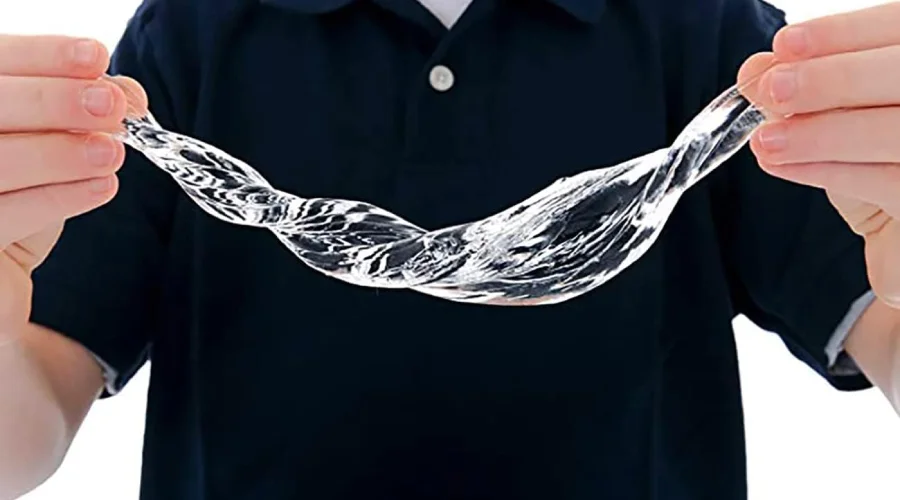
Handling slime during play can give children a place to pause when feelings run high. When the hands stay busy with a soft, shifting material, the body often relaxes, creating a small window for emotional reset.
Some educators use short sensory breaks with slime toys to help kids return to tasks with a calmer mindset. The goal is not distraction but giving the brain a few moments of predictable input before rejoining the group.
Cooperative Play and Sharing Opportunities
Slime can also support social growth when children explore it together. Passing the material, taking turns, and talking about its texture help kids practice simple social rules in a low-pressure way.
During group play, kids often compare shapes or movements, which encourages brief conversation and shared attention. These small interactions build early habits of cooperation without needing structured games.
Cognitive Growth: Is Slime Good for Kids’ Creative and Problem-Solving Development?
Slime toy play invites children to explore a material that shifts with every touch. Because it has no single “right” use, kids can test ideas in simple, flexible ways.
Encouraging Curiosity and Imaginative Thinking
A slime toy often behaves in unexpected ways—it stretches, folds, and settles slowly. These small surprises spark curiosity, which researchers identify as an early driver of creative thinking. Children naturally test what the material will do next.
Because slime doesn’t force a single outcome, kids can imagine many possibilities. They may form shapes, flatten the surface, or twist it, letting their thoughts shift as the material changes. This gentle creativity grows from exploration rather than instruction.
Open-Ended Play as a Driver of Cognitive Flexibility
Open-ended materials like slime allow children to change plans as they go. Psychologists note that flexible play supports the ability to adjust to new information, a key part of cognitive development.
With slime, the path is rarely fixed. A child can switch from shaping to pulling or from smoothing to folding without breaking any “rules.” This freedom encourages mental shifts that build adaptable thinking over time.
Exploring Cause and Effect Through Sensory Materials
Slime toy play gives direct feedback: more force stretches it farther, gentle pressure flattens it, and warmth softens it slightly. These small reactions help kids notice simple cause-and-effect patterns—an early form of problem-solving described in developmental studies.
When children adjust their actions to see different outcomes, they build a clearer sense of how physical properties respond to movement. This kind of basic testing supports early reasoning in a quiet, hands-on way.
Language Development: How Talking About Slime Builds Communication Skills
Slime toy play naturally invites children to describe what they see and feel. Because the material shifts with each movement, kids often search for words that match the experience.
Descriptive Vocabulary Through Texture and Sensory Words
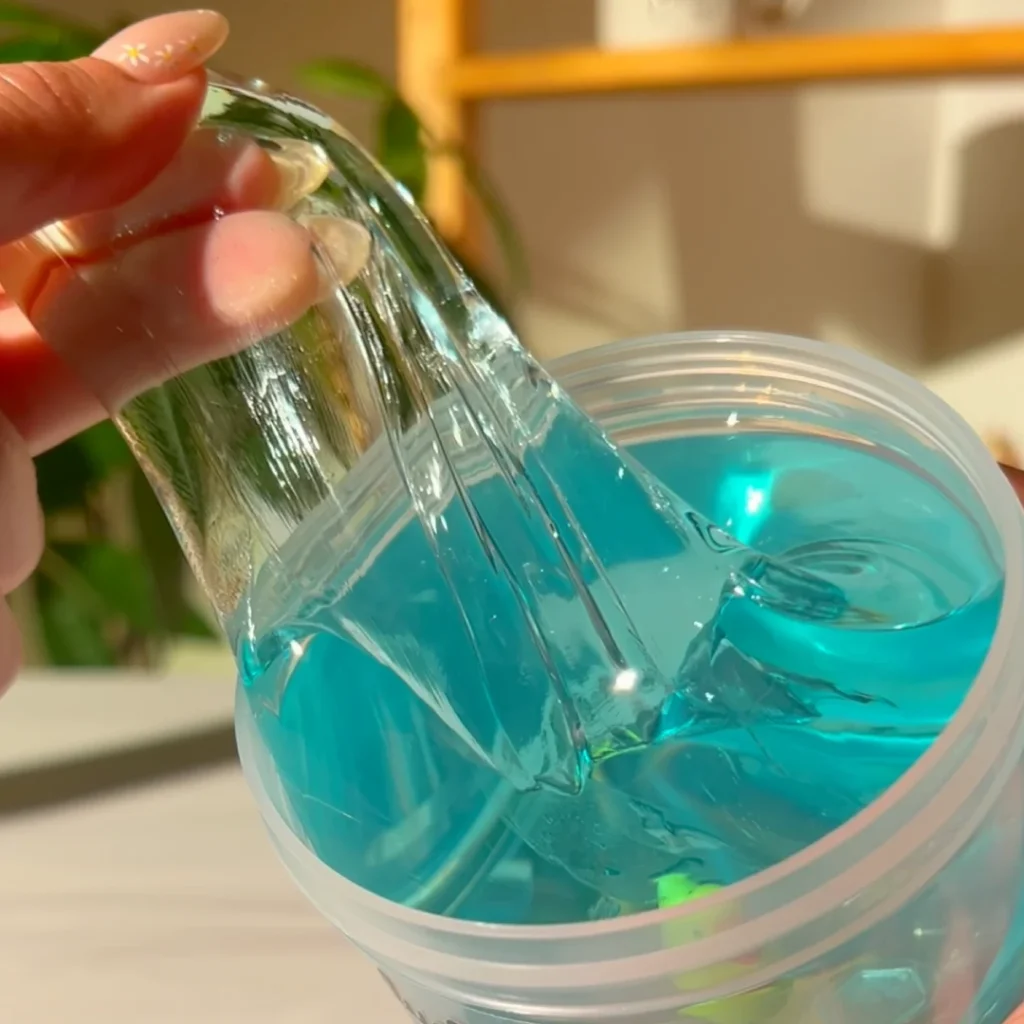
Slime offers textures that change—from stretchy to sticky to smooth—which encourages children to use precise words. Studies in early language development note that naming sensory qualities helps kids link words to real experiences.
As kids handle slime, they often try out new terms to describe motion, shape, or feel. This steady search for the right word supports growing vocabulary without turning play into a formal lesson.
Conversation Skills Built During Collaborative Slime Play
When children explore slime toys together, they often talk about what they’re doing or ask simple questions. These short exchanges help build turn-taking and listening habits, both important parts of early communication skills.
Shared play also gives kids a reason to express preferences—“too soft,” “more stretch,” “not that much”—which teaches them to communicate needs clearly while staying engaged with others.
Storytelling and Pretend-Play Scripts Triggered by Sensory Materials
The shifting form of slime can spark small stories. Children might shape tunnels, hills, or creatures, and this imaginative setup encourages them to narrate what’s happening. Researchers note that pretend play often boosts narrative skills by giving children a structure to build simple plots.
As kids talk through their ideas, they practice connecting events, describing actions, and introducing characters. Even brief scenes created during slime play can support the early steps of storytelling.
Safety Considerations When Asking “Is Slime Good for Kids Development?”
When families wonder whether slime toys support development, safety is an important part of the answer. Children explore with their hands and often bring materials close to their faces, so it helps to think about age, supervision, and sensitivities.
Age-Appropriate Usage Guidelines
Younger children explore by touching and sometimes mouthing materials, so adults should check that any slime toy meets general safety standards for the child’s age. Many early-childhood guidelines suggest avoiding small parts or loose add-ins for toddlers.
As kids grow older, they can handle more complex textures, but they still benefit from simple rules like keeping slime on the table and away from food. Clear boundaries help keep play predictable.
Adult Supervision and Safe Handling Habits
Supervision helps children use slime toys safely while keeping the play environment calm. Adults can model basic habits—washing hands before and after use, keeping the material off the face, and storing it properly.
With guidance, kids also learn how to manage spills or stickiness without stress. This keeps sensory exploration enjoyable and lowers the chances of irritation or accidental messes spreading across shared spaces.
Understanding Sensitivities and Avoiding Irritants
Some children have skin sensitivities or mild reactions to certain textures. Caregivers can watch for redness or discomfort and adjust playtime as needed. Pediatric research often advises monitoring individual responses, since each child’s tolerance for tactile materials varies.
If a child dislikes certain sensations—too sticky, too squishy, too stretchy—adults can respect those limits and offer breaks. Paying attention to comfort helps maintain a positive sensory experience.
Developmental Differences: Is Slime Good for Kids with Varying Sensory Needs?
Children explore slime toys in different ways because sensory needs vary from child to child. Some enjoy deep pressure and bold textures, while others prefer soft or limited touch.
Supporting Kids Who Seek Extra Sensory Input
Some children look for strong tactile feedback in daily play. A slime toy can offer steady resistance that feels grounding, giving them a clear way to focus their hands and attention. The slow stretch and gentle pull may help them feel more organized during playtime.
Kids who seek more input often repeat the same motions. This repetition can create a rhythm that feels predictable and calming. Adults can support this by offering calm space, simple rules, and enough time for the child to explore at their own pace.
Adjusting Slime Play for Children Who Are Sensory-Sensitive
Children who are sensitive to textures may prefer shorter interactions with slime toys or softer, smoother varieties. They might start by touching small amounts or using tools to keep distance from the material while still joining the activity.
As comfort increases, some children may become more willing to explore with their hands. There is no need to rush. Gentle exposure and respect for personal boundaries help keep the experience positive and reduce pressure.
Observing Individual Responses for Best Outcomes
Caregivers can watch how a child reacts to the slime’s texture, temperature, and movement. Quick withdrawal, hesitation, or stiff hands may signal discomfort. A relaxed posture or steady touch usually shows the child feels safe exploring.
Small adjustments—shorter sessions, breaks, or different ways to touch the material—support a smoother experience. Observing these cues helps adults decide when slime toy play fits a child’s sensory needs and when other materials may be more suitable.

Practical Tips for Parents: How to Use Slime as a Developmental Tool
Slime toys can fit into a child’s daily play in simple, structured ways. When used thoughtfully, they offer sensory, motor, and cognitive experiences without needing to be the center of every activity.
Structuring a Balanced Sensory Play Routine
Parents can schedule short sessions with slime toys alongside other types of play. Experts suggest mixing tactile activities, gross motor play, and quiet time to give children a range of experiences. Short, consistent routines often work better than long, unstructured sessions.
A few minutes of focused slime play can help children calm down or practice hand control, while other play—like building blocks or outdoor activity—supports broader skills. The key is variety and balance rather than forcing extended slime sessions.
Encouraging Mindful, Purposeful Exploration
Adults can guide children to notice textures, resistance, and movement without dictating outcomes. Asking simple questions like “How does it feel when you pull it slowly?” encourages observation and self-reflection.
Mindful handling helps children connect actions with sensory feedback. Purposeful exploration doesn’t mean structured exercises—it simply encourages kids to notice differences, make small adjustments, and enjoy the process.
Setting Up a Safe, Easy-to-Clean Play Environment
Keeping slime play contained helps children focus and reduces stress for parents. Using a tabletop surface, a tray, or washable mats can prevent mess from spreading. Hand wipes and handwashing afterward make hygiene simple.
Proper storage also matters. Adults can show children how to return the slime to its container after play. These small habits reinforce responsibility, safety, and consistent routines without interfering with the sensory experience.
Conclusion
Slime toys offer children hands-on experiences that gently support sensory, motor, cognitive, and emotional growth. While not a cure-all, thoughtful, supervised play with slime can encourage exploration, focus, and creativity. Observing each child’s response ensures safe, positive developmental benefits.


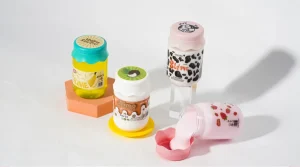
How Many Types of Slime Are There? Explore Squishy Science
Explore the surprising world of slime varieties, their textures, and the science behind them in this kid-friendly educational breakdown.