
12 Best Tips and Tricks for Air Dry Clay Toys
Want better air dry clay toys? Explore 12 practical tips that help beginners and parents create smooth, durable, and creative clay toys with ease.
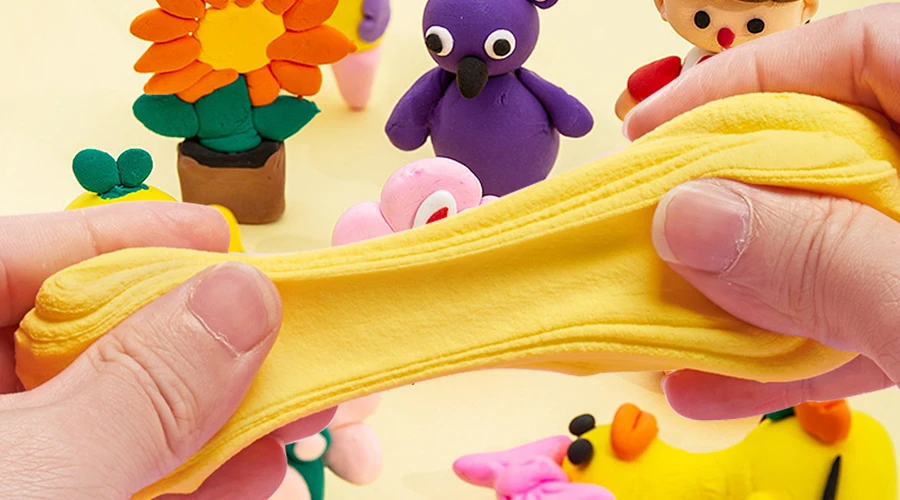
Air dry clay is a type of modelling material that hardens naturally when exposed to air. It does not require baking or firing, which makes it convenient for home, school, or workshop use.
Air dry clay is made from a combination of natural or synthetic clays, binders, and water. These ingredients allow it to remain pliable during use and harden at room temperature. Unlike kiln-fired clay, air dry clay is softer and easier for children to shape without special equipment.
This type of clay is widely used in education and craft projects. Because it hardens in hours or days depending on thickness, users must plan for drying time. Its low-temperature setting also reduces the risk of burns or heat-related hazards.
Pre-colored air dry clay contains pigments added during manufacturing. These pigments create a uniform color throughout the material, unlike natural clay, which is typically beige or gray and may require painting.
The addition of colorants may slightly alter the clay’s texture or drying behavior. Pigments are usually tested to meet safety standards, but understanding the specific components helps caregivers ensure the product is suitable for children. Pre-colored clay also allows consistent color without needing extra paints or dyes.

Pre-colored air dry clay is made from a combination of materials designed to be safe for modelling.
Air dry clay typically contains natural or synthetic clays, water, binders, and sometimes fillers like cellulose. These materials are generally non-toxic, but their safety depends on proper formulation and testing.
Binders help the clay hold its shape and improve pliability. Most commercially available clays for children comply with regulations such as the ASTM D-4236 standard in the U.S., ensuring low toxicity and minimal health risk when handled properly.
Pigments give pre-colored clay its consistent color and may be organic or inorganic compounds. Manufacturers select pigments tested for non-toxicity, particularly for products intended for children under 12 years old.
Pigments may affect texture or drying time, but safety standards limit harmful chemicals like heavy metals. Reading labels and choosing clay that meets recognized certifications ensures children can use colored clay safely without ingesting or inhaling harmful substances.
Ensuring that modelling clay is safe for children requires adherence to national and international safety standards. These rules help prevent exposure to toxic chemicals, choking hazards, and other risks while allowing creative play to remain productive and controlled.
In the U.S., products like air dry clay are regulated under the Consumer Product Safety Improvement Act (CPSIA). This law limits lead, phthalates, and other harmful chemicals in children’s art materials.
Similarly, the ASTM D-4236 standard requires that art materials be reviewed by a toxicologist and labeled with any known health risks. Compliance ensures that clay meets minimum safety thresholds and can be used by children under adult supervision.
Certified clay has passed testing for chemical composition and labeling accuracy. Certifications indicate that pigments, binders, and additives are non-toxic and unlikely to cause irritation or allergic reactions.
Manufacturers often include seals or markings showing compliance with ASTM, EN71, or other relevant standards. For parents and educators, these certifications provide reassurance that the clay is safe for classroom or home use.

Even when pre-colored air dry clay meets safety standards, some health risks remain if proper precautions are not followed.
Some clay formulations may contain mild irritants, such as latex-based binders, starches, or certain pigments. While non-toxic, these ingredients can trigger skin sensitivity or respiratory irritation in rare cases.
Children with known allergies should be monitored during play. Any redness, itching, or sneezing may indicate a reaction. Caregivers should discontinue use if symptoms occur and consult a healthcare professional if needed.
Children should wash hands before and after using clay. Avoid eating or drinking while modelling to prevent accidental ingestion of small amounts.
Work surfaces should be covered and cleaned after play. For classroom or group activities, each child should have separate tools to prevent cross-contamination. These habits help maintain a safe and hygienic environment for creative play.
Pre-colored air dry clay is generally safe for children, but suitability varies by age and developmental stage.
Air dry clay is typically recommended for children aged 3 and up. At this age, children are less likely to ingest clay and can follow basic instructions for shaping and handling.
Younger children may require extra supervision because they are more prone to put objects in their mouths. Older children can benefit from more complex modelling projects, allowing them to explore textures, shapes, and colors safely.
Supervision ensures that children use clay appropriately and reduces the risk of accidental ingestion or exposure to allergens. Caregivers can guide proper handwashing, tool use, and workspace safety.
Supervised modelling also supports fine motor development, hand-eye coordination, and creative problem-solving. Structured guidance allows children to explore safely while learning to manipulate materials responsibly.
Pre-colored air dry clay differs from DIY or natural clays in composition, consistency, and safety control.
Pre-colored clay is manufactured under controlled conditions, with pigments and binders tested for non-toxicity. This reduces the risk of harmful additives or uneven chemical composition, which can occur in DIY or homemade clay.
Consistent formulation ensures that each batch meets safety standards. Parents and teachers can rely on pre-colored clay to provide uniform quality, minimizing exposure to irritants or allergens that might be present in DIY materials.

Commercial pre-colored clay typically follows recognized standards such as ASTM D-4236 or EN71, ensuring chemical safety, proper labeling, and predictable performance.
Quality control includes texture, drying time, and pliability, which allows children to work safely without frustration or risk of improper handling. Consistent quality also supports repeatable creative experiences in classrooms or workshops.
Proper storage of pre-colored air dry clay is essential to maintain its safety, texture, and usability. Incorrect storage can lead to contamination, premature drying, or changes in consistency that affect modelling quality.
Clay should be stored in airtight containers to prevent exposure to air, which causes hardening. Keep it in a cool, dry place away from direct sunlight and heat sources, as high temperatures can accelerate drying.
Avoid storing clay near food or other substances that may contaminate it. Individual storage for each color can prevent mixing and maintain the intended pigments, reducing the risk of accidental ingestion of foreign materials.
Seal unused portions tightly and check for dust or debris before each use. If clay becomes slightly dry, a small amount of water can restore pliability, but avoid excessive moisture, which may encourage mold growth.
Regularly clean tools and surfaces used with clay. Following these storage practices ensures that children can enjoy safe, consistent modelling experiences over time, while minimizing risks from contamination or degradation of the product.

Even pre-colored air dry clay can occasionally present issues if quality is compromised or the user has sensitivities.
Unsafe clay may emit strong chemical odors, have unusual textures, or leave residue that causes redness or itching on the skin. Changes in color or unexpected hard spots may indicate contamination or degradation.
Children may also experience sneezing, coughing, or watery eyes if dust or pigments irritate the respiratory system. Monitoring for these signs during and after play is important to prevent further exposure.
Stop using the clay immediately if any irritation or allergic reaction occurs. Wash the affected area with mild soap and water, and move the child to fresh air if respiratory symptoms appear.
Seek medical advice for persistent or severe reactions. Report the product to the manufacturer or regulatory body if it shows defects or causes harm. Careful observation and prompt action ensure safety while continuing to enjoy modelling activities.

Pre-colored air dry clay is generally safe when it meets recognized safety standards and is used properly. Understanding ingredients, handling practices, and storage ensures children can model safely. Careful supervision, awareness of potential allergens, and attention to warnings allow parents and educators to support creative play while minimizing risks.
Want better air dry clay toys? Explore 12 practical tips that help beginners and parents create smooth, durable, and creative clay toys with ease.

A practical guide to the best colored air-dry molding clay—covering texture, color quality, durability, and child-safe materials.

Air dry clay made easy: practical miniature-making advice for smoother sculpting, safer handling, and more durable tiny designs.
Expert insights on choosing the best clay for miniature figures, highlighting polymer, air dry, and modeling clays for creative and detailed projects.