What Is the Best Colored Air-Dry Molding Clay
A practical guide to the best colored air-dry molding clay—covering texture, color quality, durability, and child-safe materials.
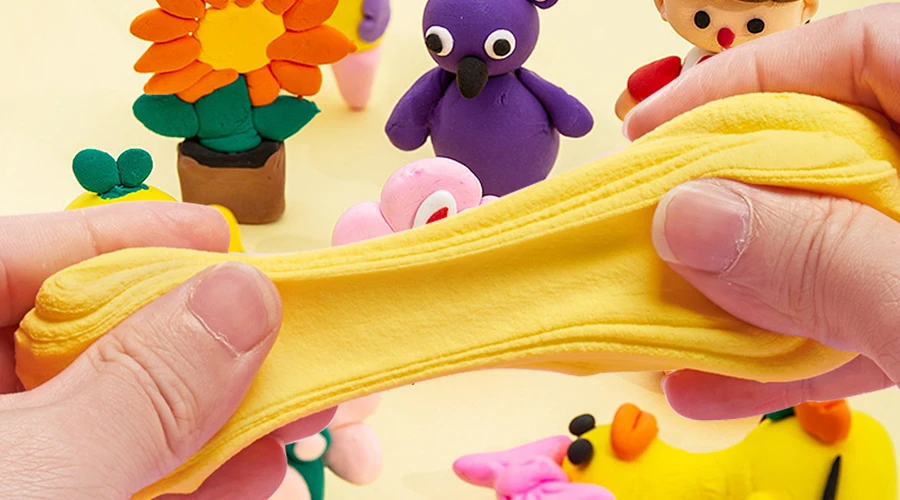
Lightweight air dry clay is a versatile, pliable material designed for hands-on creativity. Unlike traditional clay, it is engineered to be lighter, easier to handle, and suitable for indoor play or classroom use.
Its soft, moldable texture allows children and beginners to experiment freely. The lightweight formula ensures less strain on small hands, while still providing a tactile experience that supports learning and artistic exploration.
Lightweight air dry clay achieves its reduced weight through specialized fillers and aeration techniques. These methods incorporate tiny air pockets, making the clay less dense without compromising its ability to hold shapes.
This design allows even young children to lift and manipulate the material comfortably. The lightweight composition also dries faster and reduces cracking, giving users more flexibility to experiment and reshape creations as needed.
Traditional clay is often heavier, denser, and may require kiln firing. In contrast, lightweight air dry clay is soft, moldable, and air-dries naturally, eliminating the need for baking or high heat.
Its texture is smoother and more forgiving, making it ideal for small hands and detailed projects. Unlike traditional clay, it can be used safely on tables or desks without causing excessive strain or mess.

Children favor lightweight air dry clay because it is easy to handle and encourages hands-on exploration. Even complex shapes can be molded without fatigue, allowing longer, more engaged play sessions.
Educators value it for classroom activities. The non-toxic, lightweight properties allow group projects, structured lessons, or open-ended creative exercises without requiring ovens, special tools, or heavy lifting.
Working with lightweight air dry clay requires minimal but effective tools. Selecting appropriate materials ensures smooth sculpting, safety, and a more enjoyable creative process for children and beginners.
Even simple setups can support rich exploration. Knowing the right tools and surfaces enhances tactile experiences and helps maintain the clay’s integrity throughout the project.
Basic tools for lightweight air dry clay include simple items like plastic or wooden shaping sticks, small rolling pins, and blunt modeling tools. These allow children to roll, cut, and shape without damaging the clay.
Using safe, lightweight tools prevents accidental injury and encourages precise manipulation. The tactile feedback helps children refine hand-eye coordination and control while practicing shaping techniques.
A clean, flat surface is essential when working with air dry clay. Non-porous mats or trays prevent sticking and contain stray pieces, making cleanup easier and keeping the clay sanitary.
Proper workspace setup allows children to explore freely while protecting tables or desks. Comfortable seating, adequate lighting, and a stable surface reduce strain and improve focus during hands-on activities.
Optional accessories like texture stamps, silicone molds, or fine-tipped sculpting tools help add intricate details to lightweight air dry clay projects. These tools enable advanced experimentation with patterns, textures, and small shapes.
They can also inspire creativity by allowing children to explore more complex designs and refine fine motor skills. Accessories should always be safe, age-appropriate, and used under supervision to enhance the sculpting experience.
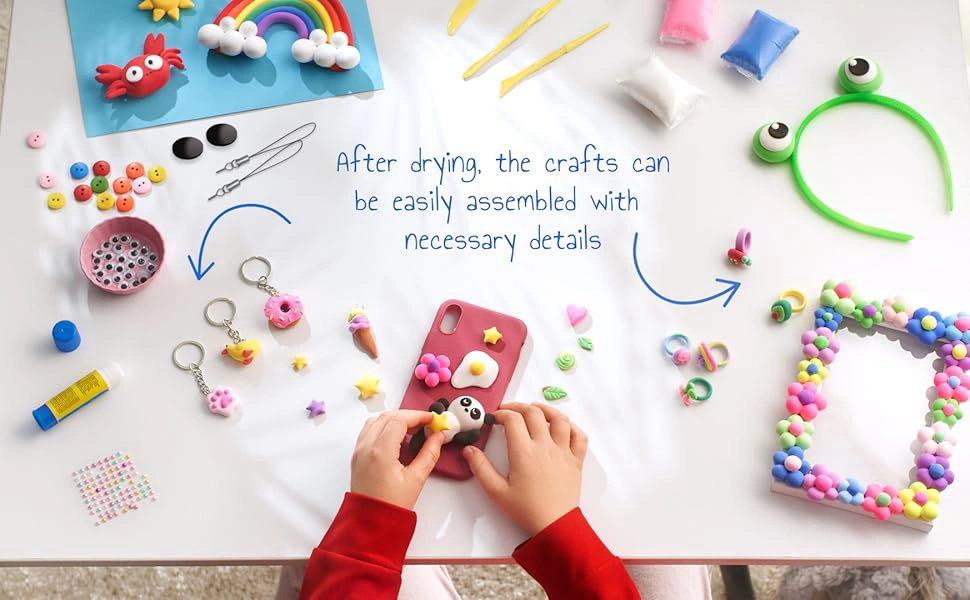
Proper preparation of lightweight air dry clay ensures smoother sculpting and better results. Kneading, dividing, and coloring are key steps that help children and beginners explore the material fully.
Preparation also allows caregivers and educators to organize projects efficiently, making the clay easier to handle and extending the play experience without compromising texture or moldability.
Before sculpting, kneading lightweight air dry clay warms and softens the material. This improves pliability, allowing children to roll, shape, or mold without tearing or cracking.
Kneading also evenly distributes moisture within the clay. Consistent texture ensures that larger projects remain stable and smaller details hold their form, enhancing both tactile and creative experiences.
Dividing the clay into smaller portions makes it manageable for children and helps prevent overworking. Each piece can then be colored using safe pigments or mixed to create new shades.
Blending colors encourages experimentation with tones and patterns. Children learn to observe changes in hue and texture, enhancing visual awareness while keeping the lightweight air dry clay fun and engaging.
Lightweight air dry clay should be stored in airtight containers when not in use. Exposure to air can dry it prematurely, reducing moldability and affecting texture.
Moisture can be added cautiously to revive slightly hardened clay. Regularly checking and maintaining proper storage ensures that clay remains soft, pliable, and ready for creative projects, extending its usability.
Lightweight air dry clay is versatile, allowing children and beginners to experiment with a variety of sculpting techniques. Rolling, pinching, and flattening are foundational skills that build confidence and control.
Practicing different methods also helps users understand how the clay responds to pressure and movement. This hands-on exploration supports creativity and strengthens fine motor skills in an engaging, safe environment.
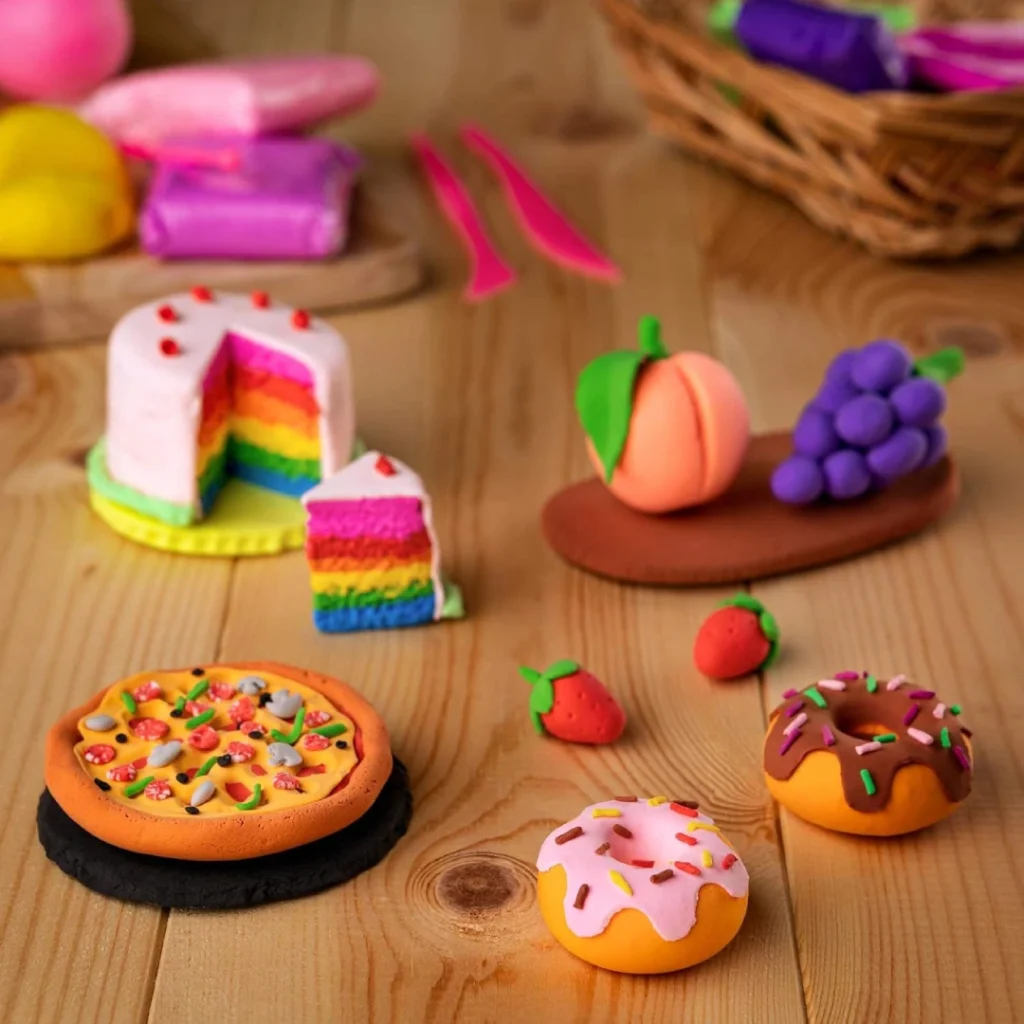
Rolling the clay into smooth cylinders or sheets helps prepare it for forming shapes. Children quickly learn how pressure affects thickness and length, providing immediate tactile feedback.
Pinching allows precise shaping of edges or details, while flattening creates consistent bases for layered designs. These techniques form the foundation for more advanced sculpting and help children manipulate clay effectively.
Starting with simple shapes like spheres, cubes, or coils helps beginners understand structure and balance. Lightweight air dry clay is forgiving, allowing corrections and reshaping during play.
Once basic forms are mastered, children can combine them to create animals, small figurines, or ornaments. The material’s pliability encourages experimentation with proportions, angles, and stability without frustration.
Mixing different colored clay introduces children to visual effects and pattern creation. They can twist, layer, or blend colors to explore gradients and contrasts.
Textural variations can be added using basic tools or natural items like stamps or brushes. Combining colors and textures enhances tactile engagement and supports both artistic exploration and sensory development.
Lightweight air dry clay encourages imaginative projects that are approachable for beginners. Starting with simple designs helps children gain confidence while exploring the material’s properties.
Project-based play also teaches planning and sequencing. Children learn to shape, assemble, and finish their creations while experimenting with textures, colors, and proportions.
Children can create playful animal figures using basic shapes like spheres, cones, and cylinders. Lightweight air dry clay is soft enough to manipulate repeatedly, making adjustments easy.
Adding small details like ears, tails, or facial features encourages fine motor practice. These characters can become toys, storytelling props, or part of imaginative play, blending tactile learning with creativity.
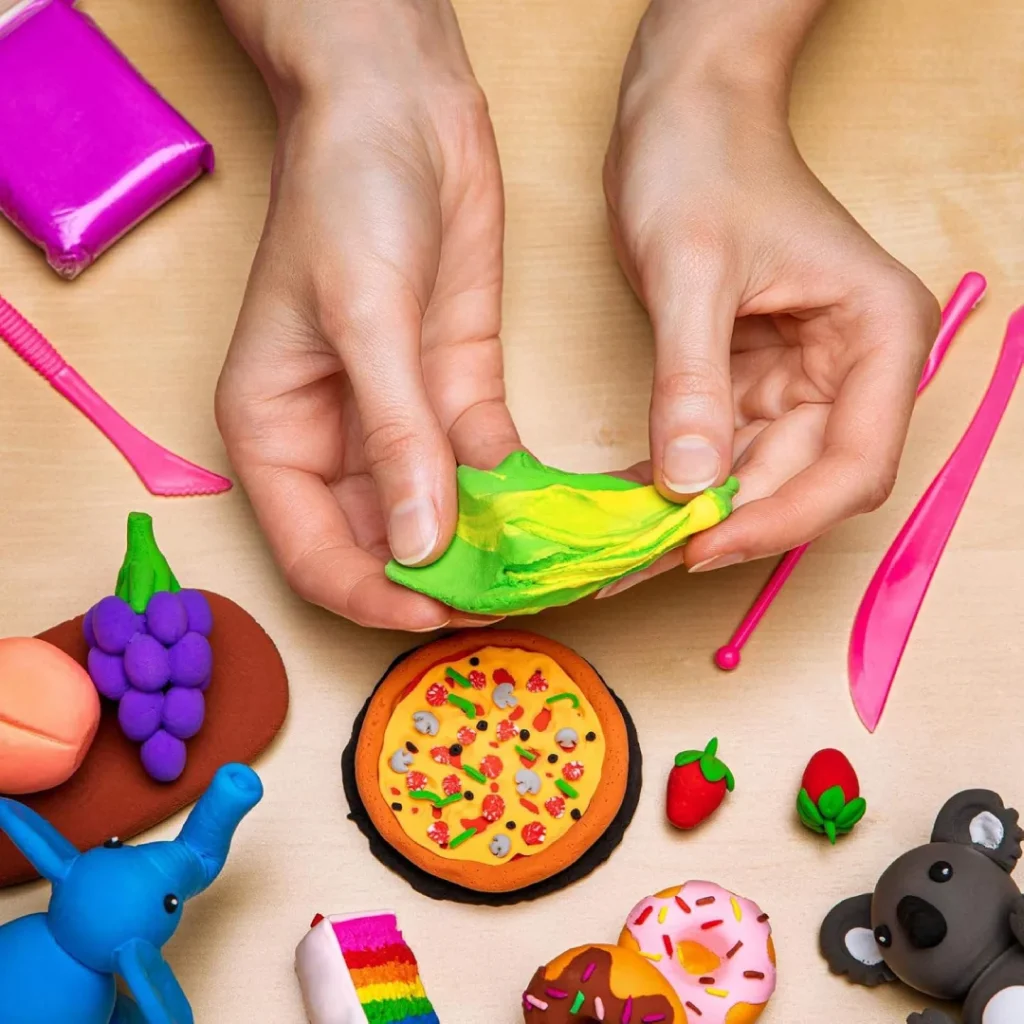
Lightweight air dry clay can be shaped into small bowls, coasters, or decorative items. Simple molds or hand-shaping techniques allow beginners to craft functional or aesthetic pieces.
Decorating with textures, layering, or painting after drying adds personalization. These projects give children a sense of accomplishment and show how lightweight clay can be used beyond figurines or toys.
Seasonal projects, like holiday ornaments, pumpkins, or snowmen, help children connect clay play with real-world events. Lightweight air dry clay can be formed, combined, and decorated to reflect themes or stories.
These themed crafts support creativity while teaching planning, sequencing, and color coordination. Rotating seasonal projects maintains interest and offers repeated opportunities to practice sculpting and detail work.
After shaping, lightweight air dry clay requires proper drying and finishing to ensure durability and aesthetic appeal. Understanding drying times and techniques is key for both children and educators.
Finishing also allows for creative enhancements. Sanding, painting, or sealing can transform simple projects into polished artworks while teaching attention to detail and care for materials.
Lightweight air dry clay dries naturally at room temperature. Projects should be placed on a flat, ventilated surface, away from direct sunlight or drafts, which can cause uneven drying or cracks.
Smaller pieces typically dry within a few hours, while thicker creations may take a day or more. Rotating or gently flipping pieces during drying can help maintain shape and prevent warping, ensuring consistent results.
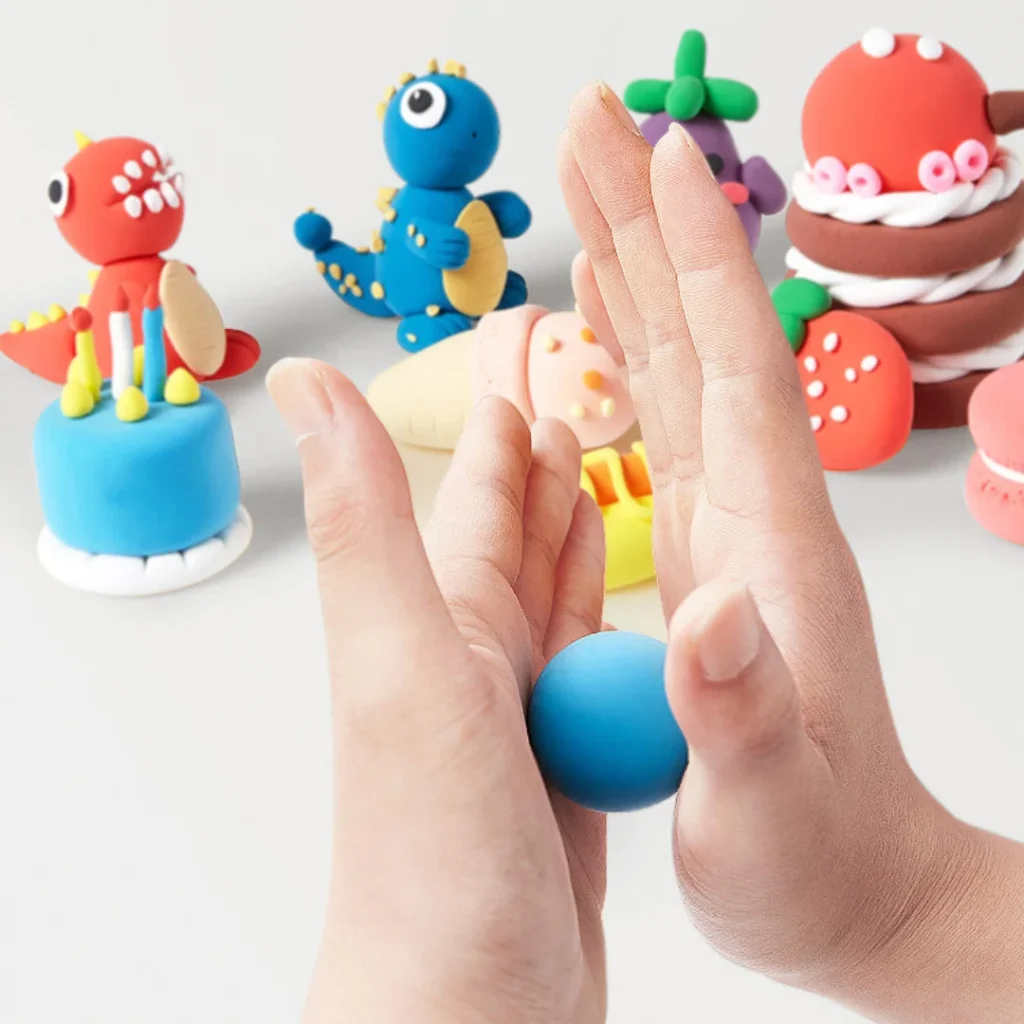
Once dry, lightweight air dry clay can be lightly sanded to refine edges or smooth surfaces. Using fine-grit sandpaper allows beginners to enhance shapes without damaging delicate details.
Sanding also helps prepare the clay for painting or sealing. It encourages patience and fine motor practice, teaching children the value of finishing touches in creating polished, tactilely satisfying works.
After sanding, lightweight air dry clay can be painted with safe, water-based paints. Layering colors or adding patterns increases visual appeal and encourages artistic expression.
Sealing finished pieces with non-toxic varnish or protective coating preserves the clay, prevents dust absorption, and maintains durability. This step teaches children about material care and how to extend the life of their creative projects.
Lightweight air dry clay is more than a fun craft material—it actively supports children’s learning and skill development. Hands-on engagement helps strengthen both physical and cognitive abilities.
Exploring clay allows children to experiment, observe outcomes, and adjust techniques, building foundational skills that transfer to writing, art, and problem-solving tasks.
Manipulating lightweight air dry clay strengthens small muscles in the hands and fingers. Rolling, pinching, and shaping require coordination, precision, and controlled movements.
Regular practice with clay improves hand-eye coordination, dexterity, and grip strength. These skills are essential for daily activities like drawing, cutting, and buttoning clothing, making clay play both educational and functional.
Lightweight air dry clay provides an open-ended medium for creative exploration. Children can form animals, characters, or abstract shapes, combining colors and textures in imaginative ways.
This creative experimentation encourages problem-solving and design thinking. By visualizing and executing their ideas, children develop confidence in artistic expression and learn to translate imagination into tangible creations.

Working with lightweight air dry clay requires concentration. Children must focus on shaping, assembling, and finishing their projects, which enhances sustained attention and planning skills.
Completing detailed or multi-step creations encourages patience and persistence. This focused engagement not only improves self-regulation but also fosters pride and satisfaction in producing a finished piece of art.
Safety is essential when working with lightweight air dry clay, especially for children. Following best practices ensures a safe, clean, and enjoyable experience while maintaining the quality of the material.
Careful preparation and monitoring allow children to explore freely while reducing risk, making clay play both fun and educational.
Select lightweight air dry clay labeled non-toxic and safe for children. Ingredients should be free from harmful chemicals, allergens, or irritants, ensuring worry-free handling during creative play.
Non-toxic clay allows prolonged engagement and is suitable for classroom or home use. Parents and educators can supervise safely, encouraging hands-on learning without compromising health or safety.
Use trays, mats, or other protective surfaces to keep lightweight air dry clay contained. This prevents stray pieces from spreading, protects tables, and simplifies cleanup.
Encouraging children to work within defined spaces teaches responsibility while reducing stress for caregivers. Organized areas also help maintain focus and make sculpting more efficient and enjoyable.
Store leftover lightweight air dry clay in airtight containers or resealable bags to prevent drying out. Keeping clay at moderate room temperature preserves its pliability and texture.
Proper storage extends usability and ensures consistent performance in future projects. Teaching children to store materials properly also fosters good habits and respect for creative tools.
Lightweight air dry clay offers rich opportunities for learning and creativity, but guidance can enhance the experience. Parents and educators play a key role in supporting exploration while maintaining independence.
Simple strategies help children stay engaged, encourage skill development, and foster curiosity, making clay play both enjoyable and educational.
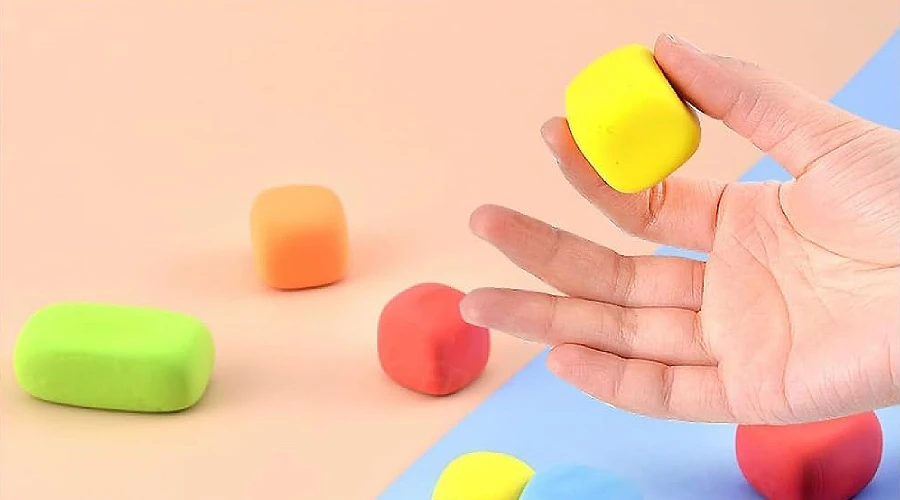
Allow children to manipulate lightweight air dry clay at their own pace. Observing rather than directing helps them develop problem-solving skills and confidence in decision-making.
Intervening only when necessary maintains a safe environment. This approach respects the child’s creative process and teaches self-reliance while allowing hands-on experimentation with shapes, textures, and colors.
Structured, step-by-step projects can guide children in learning new techniques while still allowing creativity. Lightweight air dry clay can be introduced through small, achievable tasks, like creating a simple figurine or ornament.
Breaking down projects into stages teaches planning, sequencing, and patience. This approach supports skill development while keeping children motivated and reducing frustration during more complex sculpting activities.
Rotating sculpting tools, molds, or complementary materials like colored clay or texturing items keeps play fresh and engaging. Children are motivated to experiment with new shapes and techniques when variety is introduced.
Rotation encourages adaptability, creativity, and exploration of different textures and forms. This strategy ensures continued interest in lightweight air dry clay projects and promotes repeated, hands-on learning.
Lightweight air dry clay offers endless opportunities for creativity, skill-building, and hands-on learning. Proper techniques, safe practices, and guided exploration help children develop fine motor skills, focus, and imagination while enjoying tactile play.
A practical guide to the best colored air-dry molding clay—covering texture, color quality, durability, and child-safe materials.

A practical guide on pre-colored air dry clay safety, including potential risks, handling tips, and ensuring safe creative play for children.

Air dry clay made easy: practical miniature-making advice for smoother sculpting, safer handling, and more durable tiny designs.
Expert insights on choosing the best clay for miniature figures, highlighting polymer, air dry, and modeling clays for creative and detailed projects.