What Is the Best Colored Air-Dry Molding Clay
A practical guide to the best colored air-dry molding clay—covering texture, color quality, durability, and child-safe materials.
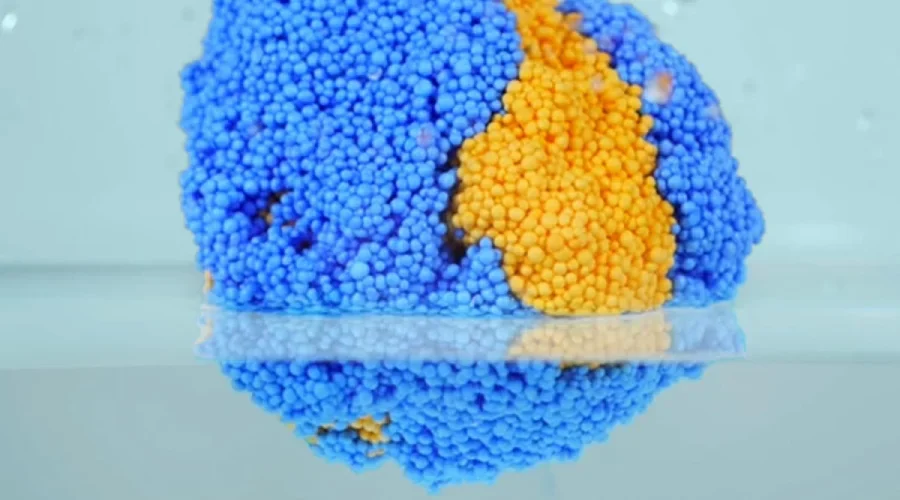
Crafting with eco-friendly materials is essential in today’s world. It helps reduce waste and encourages responsible consumption. By choosing lightweight clay, artists and hobbyists can enjoy a product made from safer, non-toxic ingredients.
Lightweight clay refers to a category of crafting materials known for their reduced weight and ease of use. Unlike traditional clay, which can be dense and heavy, lightweight clay offers a softer, more pliable texture.
Lightweight clay is typically made from a combination of polymers, fillers, and water, resulting in a material that is easy to mold and shape.
Key components often include natural substances like cornstarch or cellulose, which contribute to its eco-friendly appeal.
In comparison to traditional clays, such as earthenware or stoneware, lightweight clay does not require heavy tools or extensive kiln time. This makes it accessible for both beginners and experienced crafters.
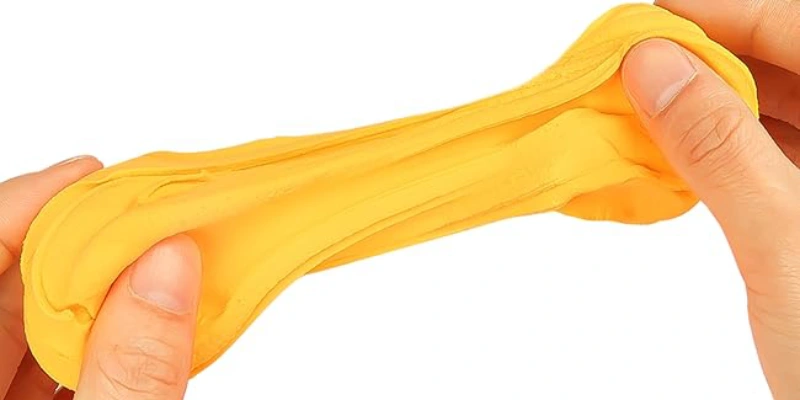
There are several types of lightweight clay available, each with its own unique properties. For instance,
Each type of lightweight clay has characteristics that appeal to different crafting needs, ensuring there’s a suitable option for everyone.
Lightweight clay has gained traction among crafters for good reasons. Its eco-friendly nature, ease of use, and versatility make it an appealing choice for various projects.
Lightweight clay is often made from sustainable materials, making it a more eco-friendly option than traditional clays. In contrast, non-eco-friendly materials can contain harmful chemicals that may contribute to pollution.
According to the Environmental Protection Agency (EPA), using sustainable crafting materials can reduce environmental damage. Thus, choosing lightweight clay not only benefits your projects but also supports a healthier planet.

One of the standout features of lightweight clay is its user-friendly characteristics.
Being lightweight, it is easy to mold and shape, making it perfect for both beginners and experienced crafters. Unlike heavier clays, it reduces fatigue during lengthy crafting sessions.
Beginners appreciate how manageable it is, while seasoned artists enjoy its responsiveness. Whether creating intricate designs or simple shapes, lightweight clay offers a satisfying crafting experience.
Lightweight clay shines in its versatility across various applications. From jewelry making to home decor, it accommodates countless projects.
Popular examples include handmade beads, decorative figurines, and even functional items like planters.
The adaptability of lightweight clay allows artists to experiment freely, enabling them to bring their creative visions to life. With its wide range of applications, this material can be a staple in any crafter’s toolkit.
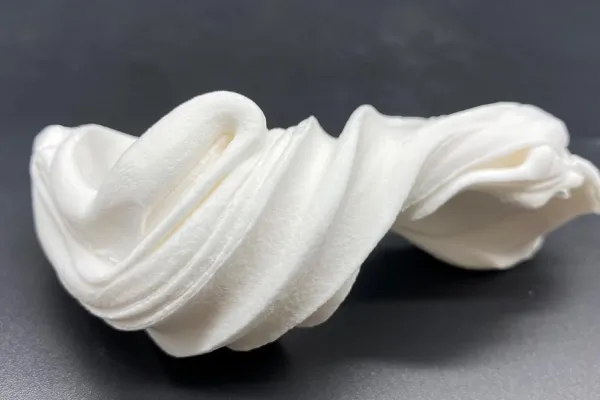
Working with lightweight clay can be both enjoyable and rewarding. Knowing the right techniques can enhance your crafting experience and lead to impressive results.
To start, gather essential tools like a crafting knife, rolling pin, and various shaping tools. These will help you mold and cut the clay easily.
Begin by conditioning the lightweight clay, which makes it more pliable. Knead it until it’s soft, then roll it out to your desired thickness.
For beginners, a simple step-by-step guide is helpful.
Once you’re comfortable with the basics, you can explore advanced techniques for intricate designs.
Remember to let your projects dry completely before applying any finishes, ensuring a durable and polished result.
With practice, your skills with lightweight clay will flourish, allowing for endless creative possibilities.

When engaging in eco-friendly crafting, safety is paramount. Lightweight clay is popular for its versatility, but understanding its safety features is essential.
One of the most important aspects of lightweight clay is ensuring that it is made from non-toxic materials.
Always check for certifications, like ASTM D-4236, which confirms that the clay is safe for use. These certifications indicate that the clay does not contain harmful substances.
When handling lightweight clay, use basic safety measures.
By following these guidelines, crafters can enjoy their projects while prioritizing safety and well-being.
Lightweight clay stands out as an eco-friendly choice for crafters. Its non-toxic properties, versatility in projects, and ease of use make it suitable for both beginners and seasoned artists.
By choosing lightweight clay, you not only enhance your creativity but also support sustainable crafting practices. Embrace this innovative material for your next project and contribute to a greener planet.
A practical guide to the best colored air-dry molding clay—covering texture, color quality, durability, and child-safe materials.

A practical guide on pre-colored air dry clay safety, including potential risks, handling tips, and ensuring safe creative play for children.

Air dry clay made easy: practical miniature-making advice for smoother sculpting, safer handling, and more durable tiny designs.
Expert insights on choosing the best clay for miniature figures, highlighting polymer, air dry, and modeling clays for creative and detailed projects.