What Is the Best Colored Air-Dry Molding Clay
A practical guide to the best colored air-dry molding clay—covering texture, color quality, durability, and child-safe materials.
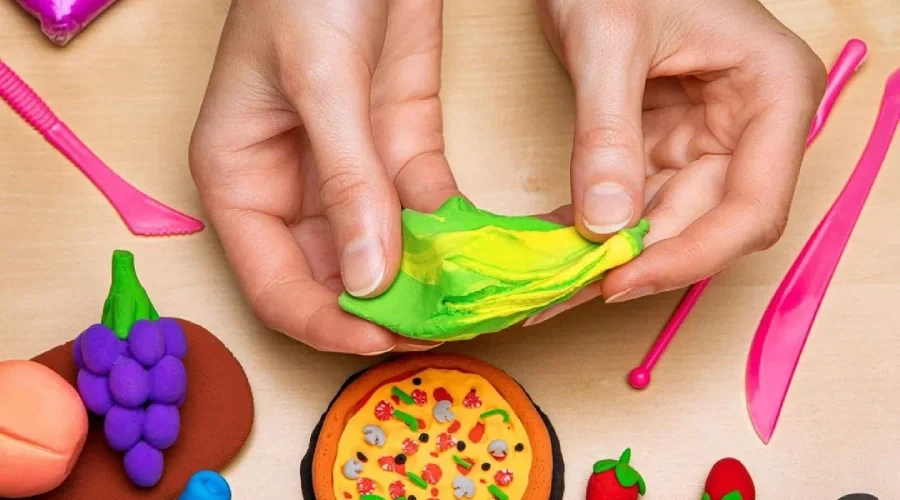
Private label air dry clay is a growing trend in the toy industry. Find out how you can customize, market, and profit from it today!
Air dry clay has become a staple in the toy market, offering a mess-free and creative alternative to traditional clay. For toy distributors and retailers, custom branding presents a unique opportunity to establish a recognizable product line.
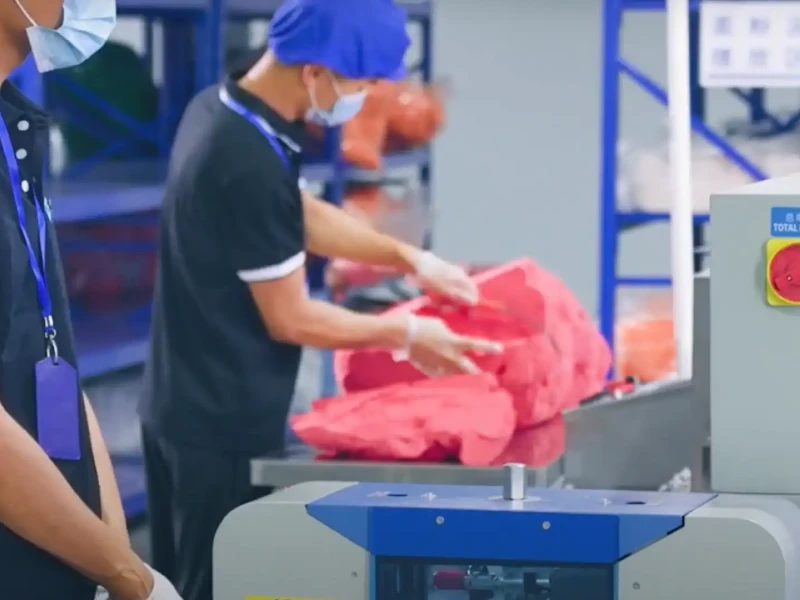
In recent years, air dry clay has gained popularity among parents and educators. Its lightweight, non-toxic formula makes it a preferred choice for safe, creative play. Reports show a steady rise in demand for sensory and DIY craft toys, especially in North America and Europe. This trend creates a profitable market for private label air dry clay products.
Selling private label air dry clay allows retailers to stand out in a crowded marketplace. By offering a custom-branded product, businesses can strengthen brand identity and customer loyalty. Packaging design, unique color selections, and exclusive product variations help create a distinct presence in the toy industry.
Custom branded air dry clay provides flexibility in pricing, design, and marketing. Retailers control product presentation, making it easier to appeal to specific demographics. Additionally, private labeling ensures better profit margins compared to selling generic or mass-market products.
By working with a reliable manufacturer, distributors can meet safety regulations while maintaining product quality. This strategic approach helps businesses build long-term success in the competitive toy market.
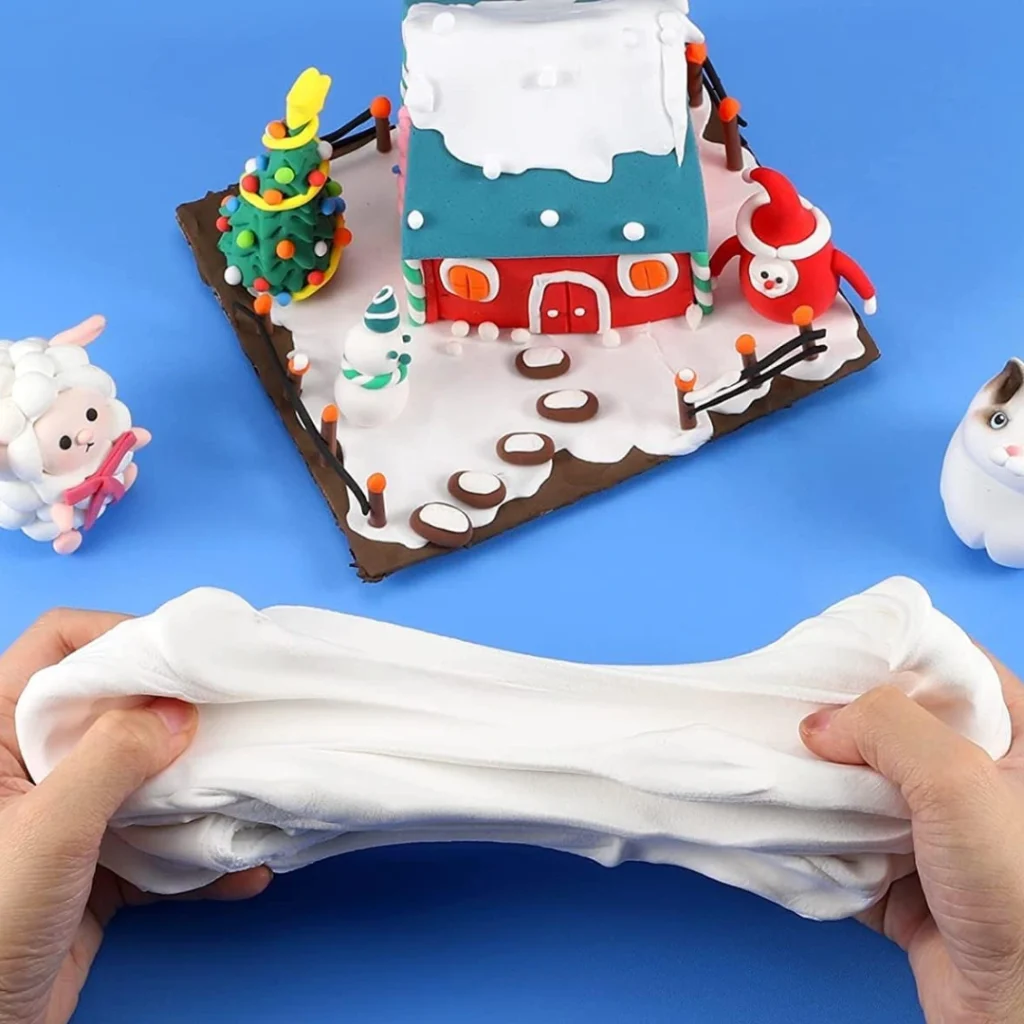
Creating a custom air dry clay product allows distributors and retailers to stand out in a growing market. From colors to packaging, each detail shapes how customers perceive your brand.
Color selection plays a key role in product appeal. Bright, playful shades attract younger audiences, while muted tones cater to professional crafters. Custom color blends can set your product apart from competitors.
Packaging is just as important. Eco-friendly containers, resealable bags, or themed kits enhance usability and branding. A well-designed label with clear instructions and safety information builds consumer trust.
Branding should be consistent across all materials. Logos, fonts, and messaging create a recognizable identity. Partnering with an experienced manufacturer helps ensure high-quality printing and packaging execution.
>> Unveiling How Long Does Air Dry Clay Take to Dry
Many customers prefer air dry clay that is non-toxic and environmentally safe. Using natural binders and avoiding harsh chemicals can make products safer for children and schools.
Some brands opt for gluten-free or hypoallergenic formulations to meet specific consumer needs. Water-based ingredients keep the clay soft and pliable while ensuring easy cleanup.
Certifications like EN71 and ASTM compliance are essential for selling in North America and Europe. Working with a manufacturer that meets these standards ensures a smoother distribution process.
Minimum order quantities (MOQs) vary based on customization level. Custom colors and packaging often require higher MOQs due to production costs. Retailers should balance inventory needs with budget considerations.
Production timelines depend on material sourcing, design approval, and manufacturing capacity. Planning ahead prevents delays, especially for seasonal sales or promotional campaigns.
A reliable manufacturer provides clear timelines and flexible order options. Strong communication ensures the final product meets branding and quality expectations.
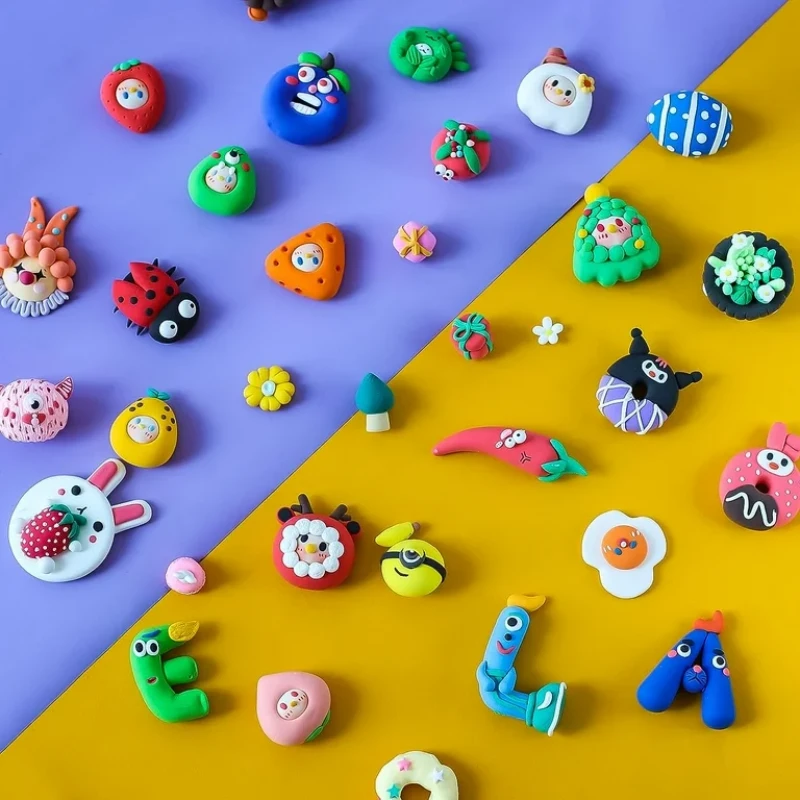
Choosing the right air dry clay manufacturer is a critical step for distributors and retailers. A good supplier ensures product consistency, safety compliance, and reliable delivery. The wrong choice can lead to delays, quality issues, or even legal problems.
A manufacturer’s experience in producing air dry clay matters. Those with a strong track record in private labeling understand customization needs and market trends. Look for one that offers flexible packaging, color options, and branding support.
Production capacity is another key factor. Small factories may struggle with large orders, while bigger ones may lack flexibility. Checking lead times and minimum order quantities (MOQs) helps align expectations.
Customer support also plays a role. A supplier that responds quickly to inquiries and offers clear timelines makes the entire process smoother. Communication issues can lead to costly mistakes.
Air dry clay must meet strict safety standards, especially for children’s toys. Look for manufacturers who comply with EN71 (Europe) and ASTM D-4236 (U.S.) regulations. These certifications confirm that the product is non-toxic and safe for handling.
Eco-friendly options are also important. Many consumers prefer air dry clay made with natural ingredients and free from harsh chemicals. Some retailers even require sustainability certifications for their products.
Testing is essential. Reliable manufacturers conduct quality control checks to ensure consistency in texture, drying time, and durability. Without these measures, product defects can lead to returns and reputational damage.
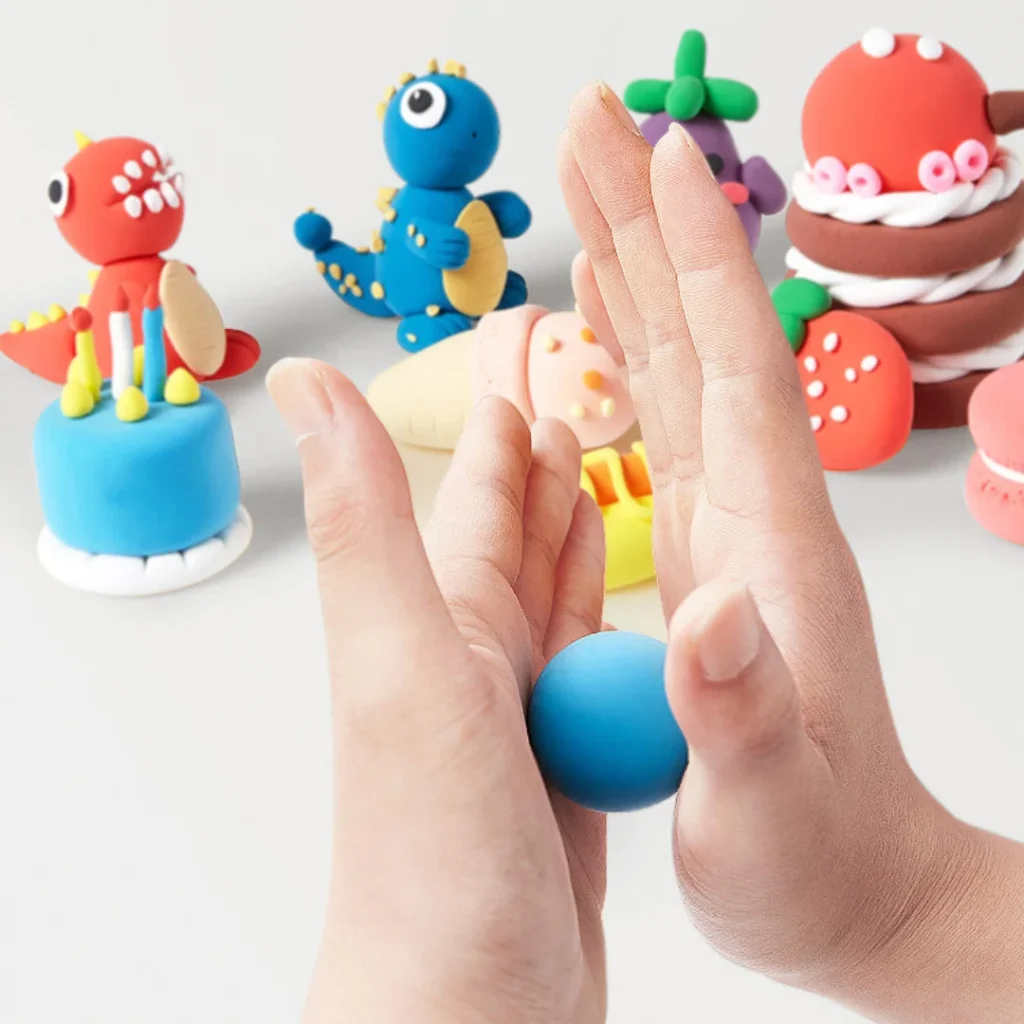
Before finalizing a partnership, ask about customization options. Can they match specific colors? Do they offer biodegradable packaging? Understanding their capabilities helps avoid surprises later.
Pricing transparency is another must. Are there hidden fees for molds, printing, or small orders? Some suppliers charge extra for branding services, so getting a detailed cost breakdown prevents unexpected expenses.
Shipping and logistics matter too. How long does production take? What are their policies on delays? A reliable manufacturer should provide clear timelines and contingency plans in case of disruptions.
>> What is the Differences Between Air Dry Clay and Normal Clay
Creating a high-quality air dry clay product is just the first step. Getting it into the hands of customers requires a strong marketing strategy. From choosing the right sales channels to standing out from competitors, distributors and retailers must think strategically.
Selling air dry clay online is the fastest way to reach customers. Platforms like Amazon, Etsy, and Shopify allow brands to showcase unique features and attract both hobbyists and parents. A well-designed product page with clear images and engaging descriptions helps convert visitors into buyers.
Retail stores provide another strong sales channel. Partnering with specialty toy shops, art supply stores, and big-box retailers gives a brand credibility. However, retailers often require wholesale pricing and consistent inventory, so planning production capacity is key.
Wholesale distribution works well for large-scale sales. Schools, daycare centers, and craft supply chains often buy air dry clay in bulk. To attract wholesalers, brands should offer competitive pricing and custom packaging options.
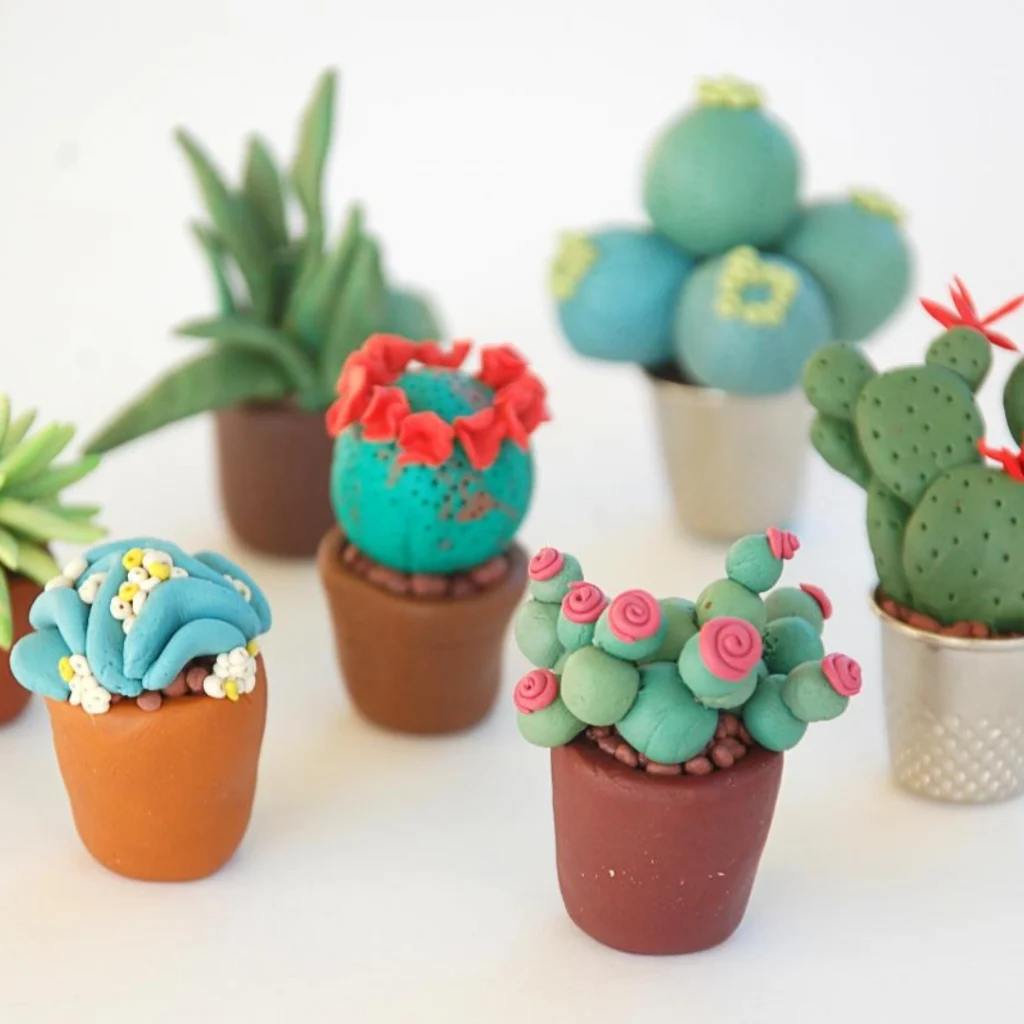
The air dry clay market is competitive, so differentiation is essential. One way to stand out is through material quality. If a product is extra-soft, long-lasting, or eco-friendly, highlighting those aspects can attract niche buyers.
Another approach is storytelling. Brands that share their origin story—why they started, what inspires their designs—create a stronger connection with customers. A family-owned business might emphasize tradition, while an eco-conscious brand could focus on sustainability.
Pricing also plays a role. Some brands succeed by offering budget-friendly options, while others thrive in the premium market. Researching competitor prices and identifying a unique value proposition helps in setting the right price.
Social media is one of the most effective ways to promote custom branded air dry clay. Platforms like Instagram, TikTok, and YouTube allow brands to share tutorials, DIY projects, and customer creations. Visual content, especially time-lapse videos of clay modeling, tends to perform well.
Influencer partnerships can amplify brand reach. Craft bloggers, toy reviewers, and art teachers often have engaged audiences. Sending free products for review or collaborating on sponsored posts can build credibility and drive sales.
Engaging with customers is also crucial. Hosting contests where users submit their best clay creations encourages interaction. Responding to comments and sharing user-generated content makes customers feel valued, strengthening brand loyalty.
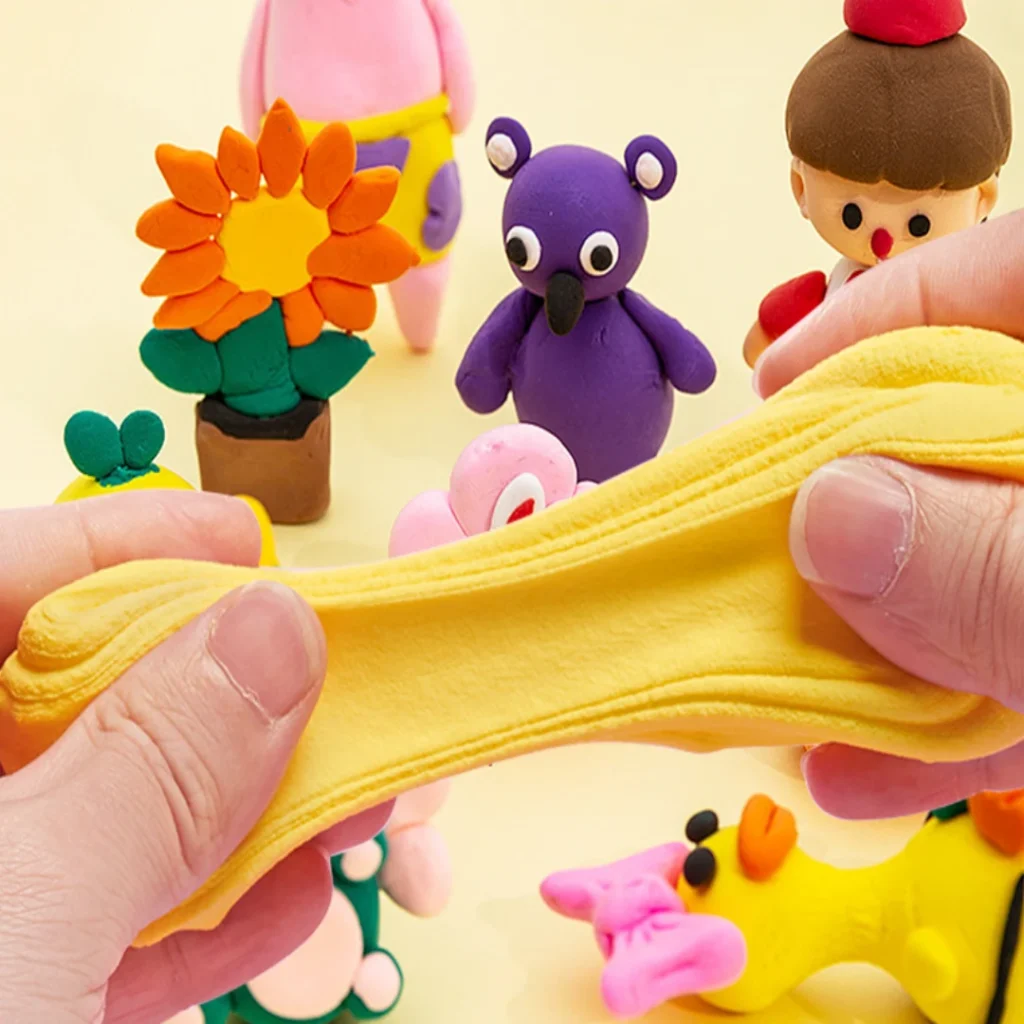
The toy industry is constantly evolving, and air dry clay is no exception. As consumer preferences shift, distributors and retailers must adapt. Sustainability, innovation, and competition will shape the future of custom branded air dry clay.
Parents and educators are more concerned about sustainability than ever. A growing number of buyers want non-toxic, biodegradable, and plastic-free toys. Air dry clay manufacturers are responding by using natural ingredients and reducing synthetic additives.
Packaging is also a major focus. Many brands are replacing plastic containers with recyclable or compostable materials. Some companies offer refill packs to reduce waste. In a market where eco-consciousness is a selling point, adapting to these trends can improve brand reputation and customer loyalty.
The composition of air dry clay is evolving. Some manufacturers are experimenting with plant-based binders and improved drying technologies. These innovations can enhance texture, flexibility, and durability while maintaining a child-safe formula.
Packaging is also seeing advancements. Resealable pouches help keep clay fresh, while modular kits with stackable containers make storage easier. Some brands incorporate QR codes on packaging, linking to online tutorials or interactive crafting guides. These small upgrades can create a better user experience and boost brand engagement.

Standing out in the air dry clay industry requires more than just a good product. Retailers and distributors need to anticipate market shifts and act fast. Regularly analyzing sales data, customer feedback, and competitor strategies can provide useful insights.
Building strong relationships with suppliers also matters. A reliable manufacturer that offers flexible customization, fast turnaround times, and consistent quality can give a brand an edge. Keeping an eye on industry regulations and safety standards ensures compliance and builds consumer trust.
At its core, success in this market comes down to adaptability. Companies that embrace new trends—whether through sustainability, innovative packaging, or digital marketing—will be best positioned for long-term growth.
Custom branded air dry clay offers toy distributors and retailers a unique opportunity to differentiate their products in a competitive market. By focusing on eco-friendly formulations, innovative packaging, and effective marketing strategies, brands can cater to evolving consumer demands and build long-term success.
A practical guide to the best colored air-dry molding clay—covering texture, color quality, durability, and child-safe materials.

A practical guide on pre-colored air dry clay safety, including potential risks, handling tips, and ensuring safe creative play for children.

Air dry clay made easy: practical miniature-making advice for smoother sculpting, safer handling, and more durable tiny designs.
Expert insights on choosing the best clay for miniature figures, highlighting polymer, air dry, and modeling clays for creative and detailed projects.