
12 Best Tips and Tricks for Air Dry Clay Toys
Want better air dry clay toys? Explore 12 practical tips that help beginners and parents create smooth, durable, and creative clay toys with ease.
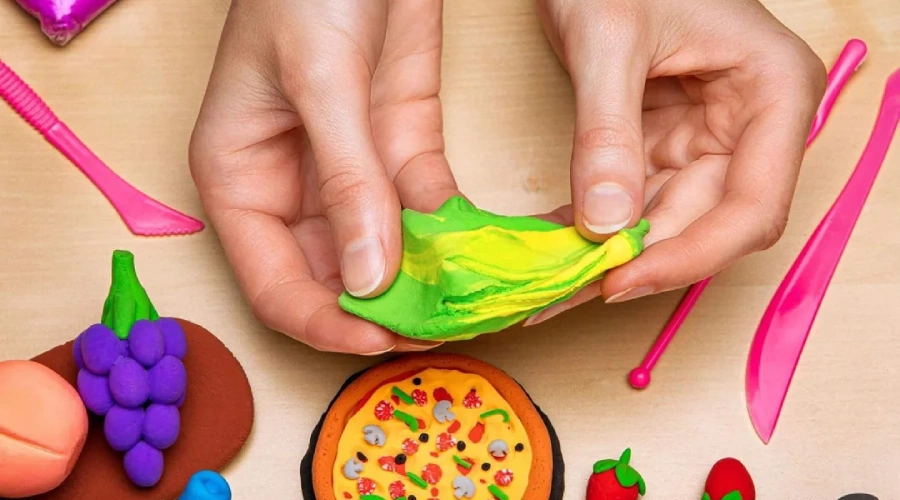
Air dry clay is a soft, moldable material that hardens when exposed to air instead of heat. It’s often used in children’s crafts and educational toys because it’s simple to handle and dries at room temperature. Most types are made from a water-based PVA (polyvinyl acetate) blend mixed with fine fillers to give it a smooth, lightweight texture.
Air dry clay used in kids’ craft kits is mainly made from PVA glue, water, and lightweight fillers like microbeads or cellulose powder. PVA acts as a binder, giving the clay its stretch and hold. When the clay is wet, these ingredients form a sticky but flexible mass that’s easy for children to shape.
As the water slowly evaporates, the PVA hardens into a soft solid. However, the bond isn’t waterproof. Because the structure depends on water loss, reintroducing moisture can break it apart again. That’s why dried air dry clay becomes soft or sticky if it touches water for too long.
Traditional clay, like ceramic clay, is made from natural minerals that need firing at high heat to harden permanently. Polymer clay, on the other hand, is a type of plastic that sets when baked in an oven. Both of these types resist water once cured.
Air dry clay is different. It stays porous even after drying, which means it can absorb moisture from the air. Imagine leaving a paper cup outside on a rainy day — it won’t melt right away, but it won’t last long either. Air dry clay behaves in much the same way.
The name “air dry” comes from how the clay hardens. When you leave it in open air, the water inside slowly evaporates. This process causes the PVA molecules to link together, forming a light, solid network. No oven or kiln is needed — just time and air circulation.
Yet, this same process explains why air dry clay can’t go in water. Once moisture returns, those molecular bonds loosen, and the clay’s structure weakens. Think of it like a sponge that once dried, regains softness when wet again. That’s the delicate balance behind every air dry clay creation.
Air dry clay may look solid once it dries, but its structure remains sensitive to water. Because it’s made from PVA and other water-based materials, even a small amount of moisture can cause changes. Whether the clay softens, cracks, or dissolves depends on how long it stays wet.
When air dry clay touches water, the surface starts to absorb it right away. The dried PVA begins to loosen, and the once-firm surface becomes tacky. Within minutes, the outer layer can soften, and if soaked longer, the entire piece may start breaking down.
In a classroom once, a child placed her finished clay figure near a cup of spilled water. Within an hour, the figure’s edges turned gummy and lost shape. This isn’t because the clay was poor quality—it’s simply the natural reaction of water rehydrating a material designed to dry by evaporation.
Inside every piece of dried air dry clay are tiny gaps left from evaporated water. These pores give it a light feel but also make it vulnerable. When moisture returns, it seeps into those gaps, pushing the PVA chains apart. The molecular bonds loosen, and the surface begins to flake or warp.
If you press on wet clay after it’s softened, you’ll feel it crumble instead of bending. That’s because the structure isn’t meant to expand again once dry. Unlike polymer clay, which holds its form after baking, air dry clay has no thermal hardening to protect it from rehydration.
Not all water exposure ruins air dry clay instantly. A brief splash might only affect the surface, and if dried quickly, the damage can be minimal. However, once water fully penetrates, the clay’s composition changes permanently. The softened areas may never regain their original strength or texture.
You can think of it like wet paper — it might dry again, but it never feels the same. For PVA-based clays, water doesn’t just wet the surface; it disrupts the very bonds that hold everything together. That’s why long-term exposure to moisture is one of the biggest threats to air dry clay creations.

Air dry clay may seem sturdy after drying, but it’s neither waterproof nor truly water-resistant. Because its formula relies on water evaporation, the finished piece remains porous, allowing moisture to pass through tiny gaps.
PVA-based air dry clay forms a flexible but delicate film when it dries. While this film can resist light humidity, it can’t stop water from seeping in. The material’s internal pores act like sponges—absorbing moisture and expanding under wet conditions. Even a brief splash can leave soft spots or swelling along the surface.
In mild cases, the clay might dry again, but with visible changes. A matte surface can turn blotchy or rough, and joints between molded parts may loosen. It’s a bit like cardboard after rain—it may dry, but it’s never the same texture or strength again. That’s why water resistance in PVA clay should be viewed as temporary, not permanent.
Some crafters believe that sealing air dry clay with paint, glue, or varnish makes it waterproof. In reality, these coatings only provide partial protection. They can slow moisture absorption but can’t stop it entirely. Over time, air and water still find their way through small cracks or edges.
A glossy layer may look waterproof, but underneath, the clay remains vulnerable. Once moisture seeps in, it can get trapped, causing bubbling or peeling on the surface. Many hobbyists notice this when their sealed models become sticky in humid weather. The seal doesn’t fail instantly—it just can’t hold up forever.
Adding waterproof coatings to children’s air dry clay isn’t ideal. Most sealants use chemicals or solvents that aren’t safe for kids to handle. Even water-based glazes can release mild odors or irritate sensitive skin. Since children often reshape or mix their clay, sealing would also defeat the purpose of play.
In addition, waterproof finishes make the clay harder to recycle or soften again. For playtime crafts, safety and reusability matter more than durability. It’s better to let kids enjoy the natural drying process and learn how materials react to their environment—a small experiment in science and patience that no sealant can replace.
Air dry clay is meant to harden, but sometimes it dries too soon or becomes stiff before you finish shaping it. Many crafters wonder if adding a little water can bring it back to life. The answer depends on how dry the clay is. While some pieces can be softened again, others may lose their structure entirely.
If the clay feels firm on the outside but still bends slightly, you can usually restore it. At this stage, the internal moisture hasn’t fully evaporated, so water can reactivate the PVA binder. A small mist of water or a damp cloth wrapped around the clay for a few minutes often helps bring back its elasticity.
However, if the clay is completely dry—hard and chalky—rehydration becomes difficult. The internal bonds are already set, and reintroducing moisture will cause the outer layer to soften unevenly. This can lead to cracks or a crumbly texture. It’s a bit like trying to moisten a dried-out sponge: it absorbs water fast but rarely returns to its original feel.

The safest way to rehydrate air dry clay is slowly. Start by adding a few drops of water and kneading gently. Using a spray bottle gives better control than pouring water directly. If the clay is in small pieces, you can seal them in a plastic bag with a damp paper towel overnight. The enclosed moisture will gradually soften the clay without breaking its structure.
A common classroom trick is to roll the clay into a ball and wrap it in plastic wrap with just a hint of moisture inside. After a few hours, it usually regains its soft, pliable form—ready for kids to mold again. But patience is key. Adding too much water too fast can make the clay sticky and difficult to work with.
Overhydrating air dry clay can ruin it. When soaked, the clay’s PVA base dissolves, turning the once-smooth material into a lumpy paste. The texture becomes uneven, and as it dries again, cracks appear across the surface. Once this happens, it’s nearly impossible to restore.
Too much water also weakens the bonding power of the clay, especially between molded parts. If you’ve ever tried to repair a cracked clay figure with a wet patch, you may have noticed it doesn’t stick well after drying. The trick is moderation—enough water to soften, not enough to dissolve. With gentle handling, partially dried clay can be revived; with excess water, it simply melts away.
Air dry clay and water don’t mix well, no matter how tempting it is to test their limits. Because this type of clay is made with PVA and water-based ingredients, it’s not built to handle wet or humid environments.
Many kids love to make boats, fountains, or fish figures from air dry clay, but these creations aren’t made for water play. Once the clay is dry, it becomes porous and starts absorbing moisture right away. Within minutes, shapes can lose their detail, and colors may smear or fade.
Outdoor play creates the same problem. Even on a sunny day, changes in temperature or morning dew can weaken dried clay. A small drizzle or puddle is enough to make the material soft again. For outdoor or water-themed play, using materials like plastic or polymer clay is safer and longer-lasting.
Humidity might seem harmless, but it can slowly undo hours of work. When the air is damp, the clay absorbs water vapor, which makes the surface tacky or slightly warped. In some cases, cracks appear after drying again, especially in thick or detailed models.
Accidental spills are even worse. A few drops of water can spread quickly, softening the surface and loosening painted layers. One art teacher recalled how a student’s clay sculpture—left under a leaky window—turned back into mush overnight. The clay didn’t fail; it just followed the rules of chemistry that make it air dry in the first place.
Once air dry clay hardens, keeping it dry is the only way to preserve it. Storing finished models in a cool, low-humidity place prevents unwanted softening. Plastic containers with silica gel packs or dry cardboard boxes work well for long-term storage.
Even a short exposure to moisture can cause surface stains or flaking paint. So when displaying clay crafts, it’s best to keep them away from bathrooms, kitchens, or windows. Air dry clay rewards careful handling—its beauty lasts as long as it stays dry.
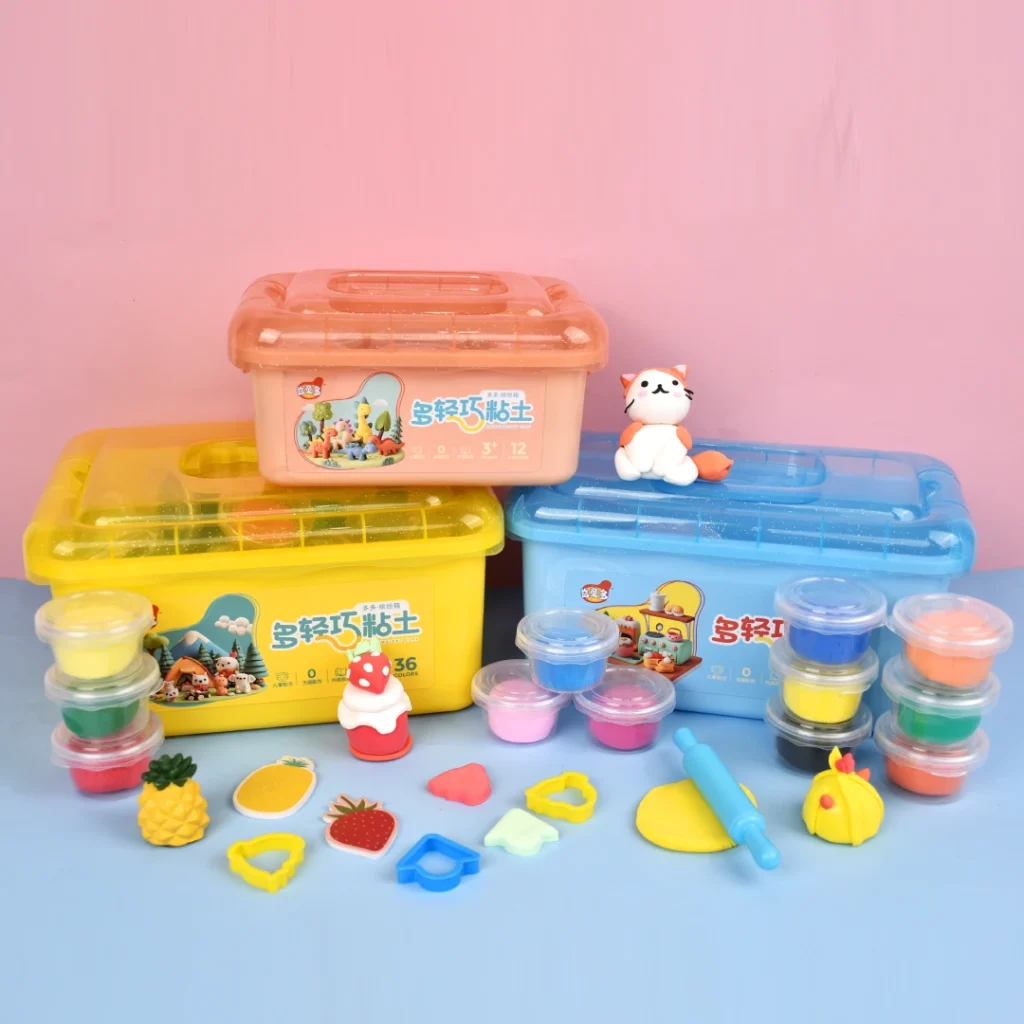
Working with air dry clay can be fun and easy if handled the right way. Because it’s water-based, this clay responds to air, temperature, and touch more than other materials. Knowing how to shape, dry, and clean up properly not only helps kids enjoy their creative projects but also keeps the clay from drying too fast or breaking apart later.
Start with clean, dry hands and a smooth surface. Knead the air dry clay gently before shaping to make it more flexible. If it feels stiff, roll it between your palms for a minute—it warms up and softens naturally. When shaping, avoid pressing too hard; thin parts can dry faster than thick ones and cause cracks.
Once the model is ready, place it on a non-stick surface like wax paper or a plastic mat. Let it dry at room temperature with good airflow, but keep it away from direct sunlight or heaters. Rushing the process with heat can cause uneven drying. In one workshop, kids learned that figures placed near a fan dried evenly, while those by the window cracked within hours.
Even drying is key. Turn the clay piece every few hours to let all sides breathe. Large or dense pieces can trap moisture inside, so it helps to make them hollow or build in layers. Small holes or gaps also allow air to move through and prevent warping.
Avoid stacking multiple clay models together while drying. The trapped humidity between them can cause sticky spots or mold growth. If the weather is humid, use a dehumidifier or dry the pieces in a well-ventilated indoor area. Patience pays off—slow drying means fewer cracks and smoother surfaces.
Cleaning up after play is simple but important. Since air dry clay is water-based, most residue washes off easily with warm water and mild soap. Encourage kids to wipe the table with a damp cloth before the clay fully hardens—it’s much easier to remove when soft.
Avoid washing large amounts of clay down the sink, as it can build up and clog drains. Instead, collect leftover bits in a small bag for disposal or storage if still usable. For young children, adult supervision helps make cleanup safe and keeps playtime stress-free. After all, the fun of air dry clay should end with clean hands, not a messy table.
Once your air dry clay project is complete, proper care keeps it looking its best. Because the clay remains sensitive to water and humidity, even small environmental changes can affect its surface and shape. Taking simple precautions—like storing it in dry spaces and handling it gently—helps extend its life and preserves the effort that went into each creation.
Air dry clay is naturally porous, which means it can absorb moisture from the air even after it hardens. To protect it, always store finished models in cool, dry places. A shelf away from bathrooms or kitchens works well, since these rooms tend to have higher humidity.
If you live in a humid climate, placing a small packet of silica gel near your clay pieces can help absorb excess moisture. One teacher once used an airtight plastic bin to store her students’ clay animals during a rainy week—and all of them stayed perfectly intact, while uncovered ones softened and warped.
Display cases are an easy way to keep clay creations both safe and visible. A clear plastic or glass case protects from dust and moisture without hiding the artwork. For small crafts or models, sealed containers with lids help maintain a consistent environment and reduce exposure to humidity.
If you prefer open displays, choose spots away from windows, sinks, or radiators. Direct sunlight can heat the clay unevenly, while steam or splashes can cause softening. Think of air dry clay like paper—it looks fine on a shelf but won’t last long near water.
Even with care, small cracks or chips can appear over time. Minor surface damage can usually be fixed with a tiny bit of water or fresh clay. Dampen the cracked area slightly, press in a thin layer of new clay, and let it dry slowly. Once hardened, sand gently with fine paper for a smooth finish.
Avoid using glue or water in large amounts—too much can cause discoloration or soft spots. If paint or details chip away, touch them up with a thin coat of acrylic once the surface is completely dry. With a little patience, most air dry clay models can be restored to look nearly new again.

Air dry clay often gets compared to other craft materials like polymer clay, slime, or playdough—but their reactions to water couldn’t be more different. Each one is made for a specific kind of play or crafting style.
Air dry clay and polymer clay may look similar when soft, but they’re built on completely different science. Air dry clay uses water and PVA as its base, while polymer clay is a plastic-based compound that hardens when baked. Once cured, polymer clay becomes waterproof and solid—ideal for jewelry or keychains that might get splashed.
Air dry clay, by contrast, stays porous even after drying. If you drop a figure made from it into water, it softens and may lose shape. One student once tested this by making two identical stars—one air dry, one polymer—and dropping them into a bowl of water. The polymer piece stayed firm; the air dry one dissolved halfway through the experiment. It’s a simple but striking lesson in material chemistry.
Slime and playdough are both water-friendly materials because they’re designed to stay soft and reusable. Slime, made from PVA glue and activators, thrives on moisture—it stays stretchy and flexible as long as it’s kept slightly damp. Playdough, usually made from flour and salt, behaves similarly: when it dries out, a small splash of water revives it easily.
Air dry clay, however, is meant to dry permanently. Once hardened, adding water reverses the process that made it solid in the first place. It’s like turning cooked pasta back into dough—it just doesn’t work. This difference makes air dry clay better for display pieces, while slime and playdough are for hands-on, short-term play.
The best craft material depends on what the child wants to do. For long-lasting art pieces, air dry clay is great—it dries naturally and keeps its shape for display. If the goal is tactile play and reusability, slime and playdough are safer choices since they can handle moisture.
When water is part of the play theme, such as ocean or bath crafts, avoid air dry clay altogether. Its structure simply isn’t built for wet fun. Encouraging kids to explore how each material behaves is a good way to teach science through creativity—learning how chemistry shapes art, one craft at a time.
Working with air dry clay offers a chance to teach children about materials and science, but it also requires careful supervision. Because this clay is sensitive to water and humidity, parents and educators need to set simple rules to prevent damage and ensure safe, enjoyable play. Awareness and guidance help kids explore creativity without unnecessary frustration.
Children often assume all clay behaves the same way, but air dry clay reacts differently than slime, playdough, or polymer clay. Explaining that it softens when wet and cracks when dried too fast helps them understand its limits.
A fun classroom exercise is to let kids gently sprinkle water on a small piece of clay and watch how it changes. This hands-on observation reinforces the idea that materials have unique properties. Kids learn science naturally while protecting their main projects.
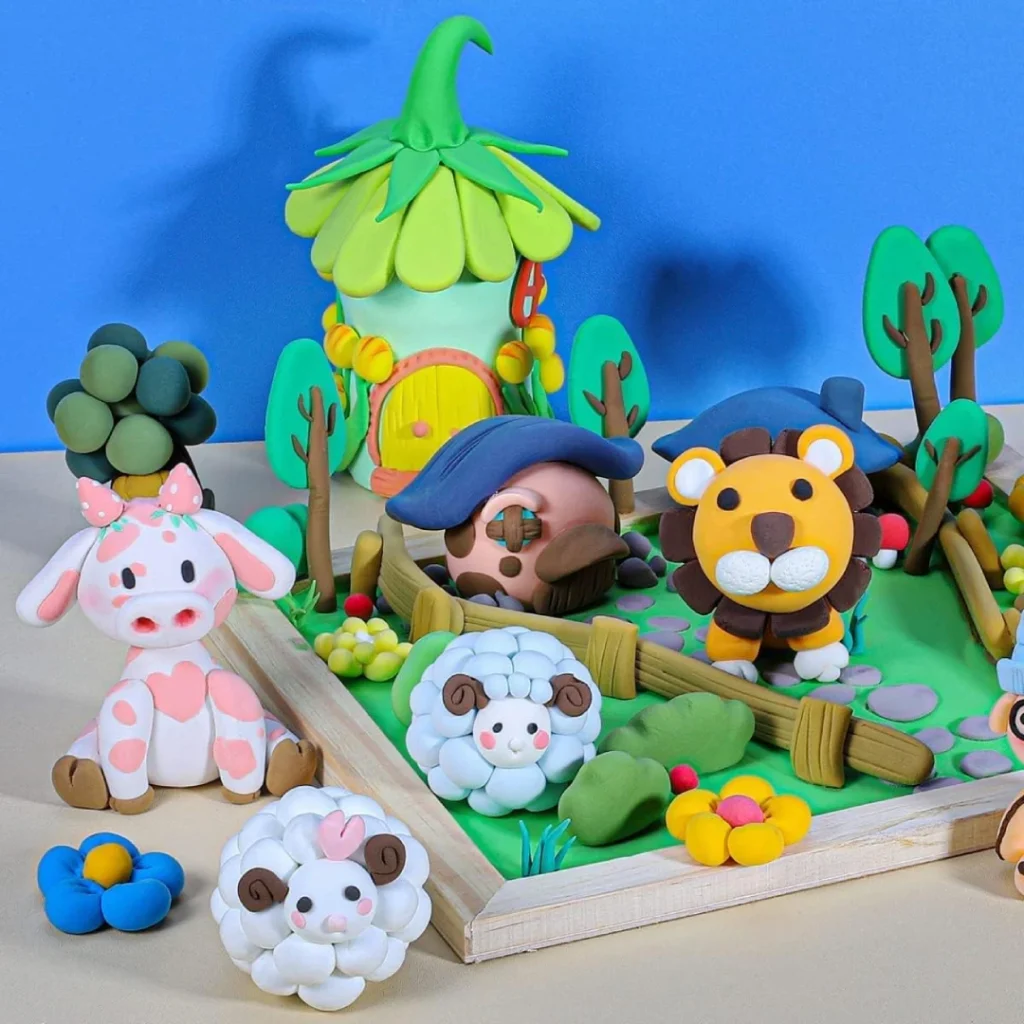
Accidental spills are common, so keeping water and drinks away from clay work areas is crucial. Cover tables with washable mats, and designate a dry zone for finished projects.
Supervision is important with younger children. Even a small puddle can soften a freshly dried model. By setting clear boundaries and creating a dry workspace, parents and teachers reduce both mess and stress, making playtime smoother for everyone.
Air dry clay cleanup is simple but teaches responsibility. Encourage kids to gather leftover bits for storage or disposal instead of rinsing them down the sink, which could cause clogs. Washing hands after play and wiping surfaces keeps the area safe and hygienic.
For partially used clay, show children how to seal it in plastic bags to retain moisture. This small habit teaches them patience, respect for materials, and the value of reusing resources—skills that extend beyond the art table.

Air dry clay is a versatile and engaging material, but it remains sensitive to water and humidity. Once dried, moisture can soften, warp, or weaken it, making careful handling essential. By understanding its composition, drying process, and limits, and by storing and displaying creations properly, kids and educators can enjoy crafting safely while preserving the beauty and structure of each piece.
Want better air dry clay toys? Explore 12 practical tips that help beginners and parents create smooth, durable, and creative clay toys with ease.

A practical guide to the best colored air-dry molding clay—covering texture, color quality, durability, and child-safe materials.
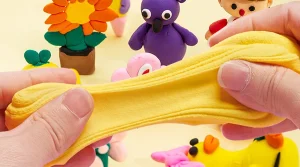
A practical guide on pre-colored air dry clay safety, including potential risks, handling tips, and ensuring safe creative play for children.

Air dry clay made easy: practical miniature-making advice for smoother sculpting, safer handling, and more durable tiny designs.