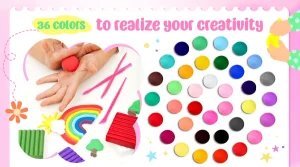
What Are Some Sensory Activities for Kids? 30+ Powerful Ways
Looking for sensory activities for kids? Explore engaging ideas with slime, playdough, kinetic sand, and air dry clay that support learning and creativity.
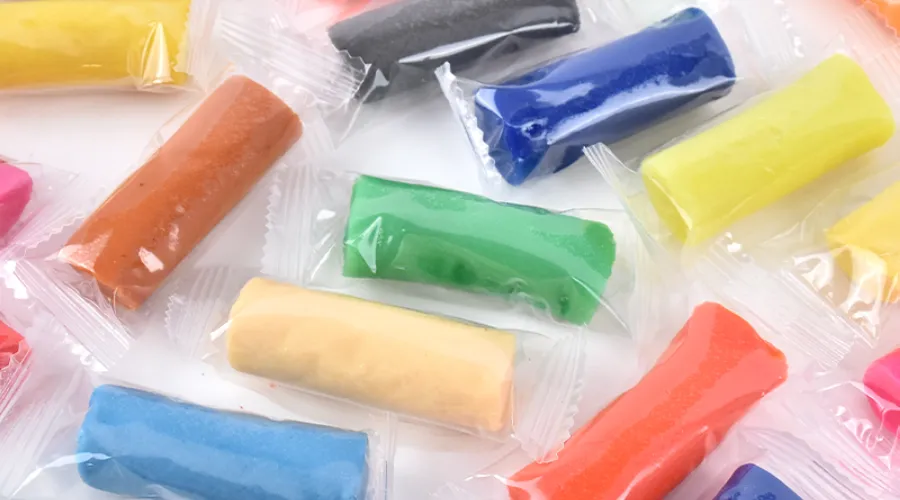
Tariffs are taxes placed on imported goods by a government. For toys, tariffs can affect cost, supply timing, and sourcing decisions.
Import tariffs are duties collected at customs when goods enter a country. They are usually based on a product’s classification code, declared value, and country of origin. Customs authorities use these details to calculate how much duty is owed.
Tariffs serve several purposes. They may protect domestic industries, respond to trade disputes, or encourage changes in sourcing. For importers, tariffs are a fixed cost that must be paid before goods are released into the market.
Toys are widely traded consumer goods with high import volumes. Because of this, they are often included in broad trade actions that target many product categories at once, rather than toys alone.
In addition, most toys are manufactured using plastics or chemical compounds, which fall under large industrial classifications. When policies target these sectors, toys can be affected even if they are not the main focus of the policy.
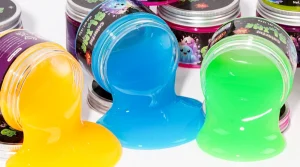
Many toys imported into the United States today do face tariffs, depending on policy changes and trade law. Recent shifts in U.S. trade rules mean products from China are more likely than in the past to be taxed at the border. Importers must pay these charges before goods enter the U.S. market.
Since 2025, the United States has ended the duty-free threshold for small packages from China, meaning nearly all imports — including toys — can be taxed upon entry. This change removed the de minimis exemption, which previously allowed low-value packages to enter without tariffs. As a result, goods from China may be subject to high tariff rates when they arrive in the U.S.
In addition to this change, U.S. policy has included multiple tariff layers on Chinese imports in recent years. These include additional duties applied under trade laws aimed at addressing perceived unfair practices. Toys are among the products affected by these policies, contributing to higher cost pressures throughout the supply chain.
Tariff policy on Chinese goods has evolved from earlier periods when toys were largely exempt. Broad tariff actions targeting a wide range of Chinese exports have brought many consumer goods, including toys, into scope. Recent policy has seen significant increases in applied tariffs, with industry reports indicating effective rates reaching double-digit percentages or more on Chinese imports.
Trade tensions between the U.S. and China have also influenced corporate decisions. Some toy companies have accelerated production shifts to other countries to reduce tariff exposure, while others have had to raise prices to offset rising import costs. These dynamics reflect how tariff policy can shift manufacturing and sourcing strategies over time.
Not all toys are treated the same under trade law. Tariffs depend on the type of toy, its materials, and its intended use.
The Harmonized Tariff Schedule (HTS) classifies imported goods by type, material, and purpose. Toys generally fall under HTS Chapter 95. Codes differ for dolls, action figures, educational toys, and recreational items. The classification determines the specific tariff rate applied at import.
HTS codes also consider how a product functions. For example, electronic toys, mechanical toys, and toy vehicles are each assigned separate codes. Accurate classification is critical, because an incorrect HTS can result in fines, back duties, or customs delays.

Plastic toys like figurines or play sets are typically taxed based on their composition and size. Educational toys, such as puzzles or learning kits, may fall under different HTS codes if they are designed primarily for instruction.
Sensory toys, including air-dry clay, playdough, slime, and kinetic sand, are classified according to both their material and purpose. Because these toys often combine tactile materials and creative functions, customs officials may evaluate them under multiple categories.
Sensory toys are a growing category in the toy market, and they are subject to the same classification rules as other imports. How they are categorized affects the tariff rate applied at customs, so accurate classification is crucial for compliance.
Air-dry clay, playdough, slime, and kinetic sand are generally classified under HTS codes for modeling compounds or “play materials.” Customs considers whether the product is intended primarily for play, craft, or educational purposes.
Some sensory toys may also be evaluated based on chemical composition. For example, non-toxic modeling compounds may fall under different codes than products containing chemical additives. The declared use on packaging and documentation helps customs determine the correct category and tariff.
Material composition matters because tariffs can differ for plastic-based, clay-based, or chemical-based toys. Toys with similar functions but different materials may face different duties.
Intended use is equally important. If a toy is marketed for sensory development or educational purposes, customs may classify it differently than if it is labeled simply as a recreational toy. Clear documentation and accurate labeling ensure importers avoid fines or misapplied tariffs.
The tariff rate for imported toys depends on several factors, including product classification and country of origin.
HTS (Harmonized Tariff Schedule) codes classify products by material, function, and type. Each toy is assigned a specific HTS code, which determines the base duty rate. For example, a plastic figurine and a modeling compound may have different rates due to classification differences.
Country of origin is also key. Toys made in China are subject to U.S. tariffs that may not apply to products from other countries. Customs uses the declared country of manufacture to enforce applicable duties, and misreporting can lead to penalties.

Section 301 tariffs are extra duties imposed on certain imports from China to address trade imbalances or unfair practices. Many toys from China fall under these additional tariffs, which are applied on top of standard duty rates.
These additional duties can significantly increase import costs. Companies must check the current Section 301 lists regularly because product coverage can change based on government reviews. Accurate documentation and HTS classification are essential to ensure compliance and avoid unexpected charges.
U.S. tariff policy on Chinese imports continues to change as trade officials respond to economic and supply chain pressures.
In 2025, the U.S. eliminated the “de minimis” tariff exemption for goods from China and Hong Kong, meaning even low‑value shipments are now subject to duty. Prior rules allowing packages under a certain value to enter tax‑free were removed, increasing import costs across product lines, including toys.
Tariff rates themselves have also been adjusted. A 90‑day reduction cut some tariff rates temporarily, but the requirement to pay duties on Chinese goods remains active. Importers must stay aware of announcements from U.S. Customs and the Office of the U.S. Trade Representative, as these policies are reviewed and changed based on economic conditions.
Temporary exclusions have been used in the past to ease costs on certain imports, but these are limited in scope and duration. While exclusions may cover specific products or HTS codes for a set period, they do not apply across all toy categories. Exclusions must be claimed with accurate documentation and are subject to strict cut‑off dates.
Even when temporary relief is granted, toys classified under broad categories often remain subject to general tariff rates. This means that although some goods might receive short‑term duty relief, most sensory toys and other popular categories still follow the underlying tariff framework unless a formal exemption is approved.
Tariffs on imported toys influence costs, sourcing decisions, and production strategies. For manufacturers and importers, understanding these effects is essential to maintain profitability and ensure timely delivery to retailers and consumers.
Tariffs increase the landed cost of toys, including plastic figurines, sensory toys like playdough or slime, and electronic kits. Importers must factor duties, customs fees, and potential shipping delays into product pricing.
These added costs often lead manufacturers to adjust margins or raise retail prices. Some companies absorb tariffs temporarily, but repeated increases can disrupt budgeting and affect overall profitability, especially for products with thin margins.
High tariffs may encourage manufacturers to diversify sourcing outside China. Factories may shift production to countries with lower duties or negotiate local sourcing for raw materials.
For sensory toys, ingredients like clay, polymers, or sand may be sourced differently to reduce tariff exposure. Production schedules must also account for potential customs delays, making planning more complex and requiring careful coordination with suppliers and logistics partners.
Importing toys from China requires more than paying tariffs. Importers must meet documentation, labeling, and safety obligations to comply with U.S. customs and consumer protection laws. Proper compliance helps avoid fines, delays, or rejected shipments.

Importers must provide accurate invoices, bills of lading, and HTS codes for customs clearance. The declared value and country of origin are critical, as they determine the duty applied. Misclassification or missing documentation can lead to penalties.
Labels must meet U.S. standards, showing age recommendations, manufacturer information, and warnings for choking hazards when applicable. Customs reviews these details alongside tariff obligations to ensure toys are legal and safe for the market.
Toys must comply with U.S. safety laws, including the Consumer Product Safety Improvement Act (CPSIA). This includes testing for lead, phthalates, and other regulated chemicals. Even if tariffs are paid, non-compliant toys can be blocked from entry.
Combining safety compliance with proper tariff documentation is essential. Companies often work with third-party labs and customs brokers to verify both regulatory and duty requirements, reducing risk and ensuring smooth importation.
Tariff policies can change frequently, and staying updated is crucial for importers. Timely information helps companies avoid unexpected costs, plan sourcing, and maintain compliance with U.S. trade regulations.
Importers should regularly check official sources, such as the U.S. Customs and Border Protection (CBP) website and the Office of the U.S. Trade Representative (USTR). These sites publish notices on tariff changes, temporary exclusions, and policy reviews.
Subscribing to government newsletters or trade alerts ensures that changes are received quickly. Following updates allows importers to adjust pricing, documentation, and shipment schedules before tariffs take effect.
Customs brokers and trade compliance specialists provide expertise in HTS classification, documentation, and tariff planning. They help importers interpret policy changes and apply duties correctly.
Specialists can also advise on exemptions, valuation rules, and reporting requirements. Partnering with experts reduces the risk of fines, delays, or misapplied tariffs and allows importers to focus on operations while remaining compliant with complex regulations.

Tariffs on toys from China affect costs, sourcing, and compliance for importers and manufacturers. Understanding HTS codes, Section 301 duties, and recent policy updates helps businesses plan accurately.
Staying informed and working with trade specialists ensures smooth importation while meeting both tariff and safety requirements in a changing trade environment.
Looking for sensory activities for kids? Explore engaging ideas with slime, playdough, kinetic sand, and air dry clay that support learning and creativity.
Learn which toys help children with ADHD stay engaged, manage energy, and develop focus, social skills, and creativity.
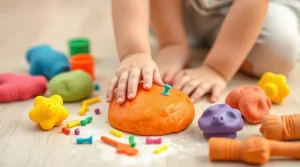
Montessori education and sensory play explained, including when and how playdough and other tactile materials support development.
Art and craft in education inspire creativity, fine motor skills, and teamwork, using fun tools like air dry clay, slime, and sensory sand.