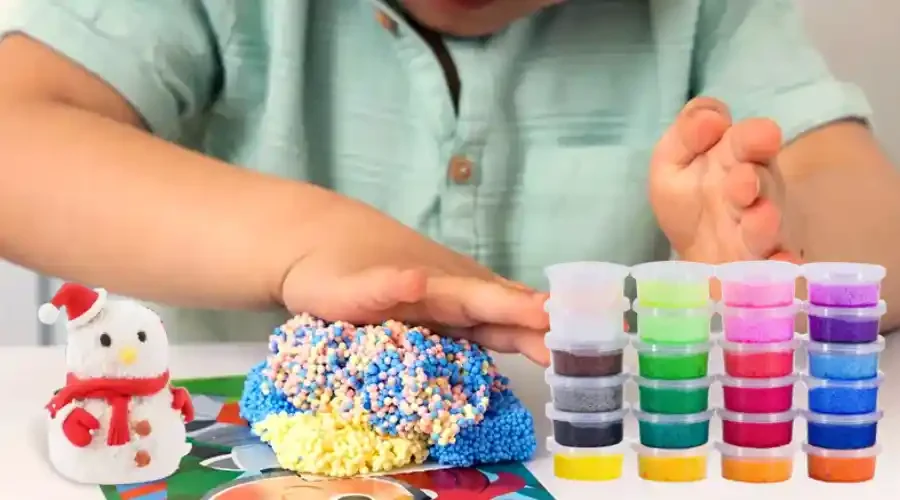
Foam clay is a new educational toy that has appeared in recent years. Its material is soft and allows children to stretch and knead it many times. However, you may have questions, will foam clay dry out? If we use it to make crafts, how long does it take to dry?
Understanding Foam Clay Dry Time
First, we learned that although foam clay looks completely different from air-dry clay, they both dry at room temperature. Sometimes people think that foam clay is also a kind of air-drying clay, and they are both lightweight clay.
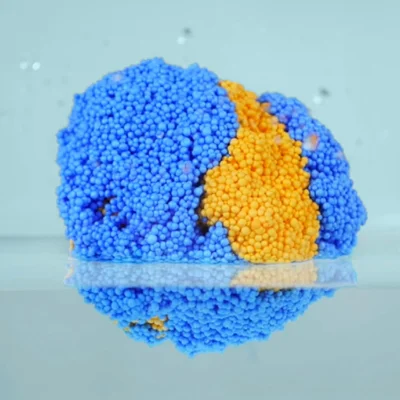
In a previous article ‘How Long Does Air Dry Clay Take to Dry‘, we discussed the drying time of air dry clay. And similarly, we will take a closer look at how foam clay dries.
Factors Affecting Drying Time
The ingredients of foam clay are PVA and water, which are similar to air-dry clay. When we discuss the factors affecting clay drying time, we’re actually talking about how water evaporates.
- Humidity Levels
We know that water is solid (ice) at 0°C and turns into gas (water vapor) at 100°C. However, it does not remain liquid between 1-100°C. Water is present in the air around us, in the form of tiny droplets or vapor, which is not easily to see.
With a hygrometer or wet and dry bulb thermometer, we can measure the humidity level. Remember a simple rule, excess water will flow to dry areas. This is why clothes won’t dry easily on rainy days.
Therefore, when you place foam clay toys in a humid room, they will take longer to dry. In places with low humidity, you can shorten the drying time of foam clay.
- Temperature
The difference between vapor and liquid water is the speed at which the molecules move. When molecules absorb heat, they have more energy to move. That is, as the temperature of the room increases, water evaporates faster. The clothes in hot summer always dry faster than in cold winter.
Similarly, in warm places, foam clay dries more easily and takes less time to dry.
- Thickness of the Clay Layer
Besides humidity and temperature, the surface area exposed to air also affects the drying time. When we roll out and knead equal amounts of foam clay, their drying times are different. Obviously, rolled clay evaporates faster because it has a larger contact area.
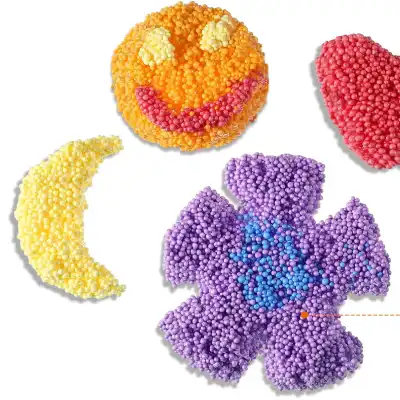
Therefore, if the foam clay crafts we make are larger, we need to wait longer for drying.
Average Drying Time for Foam Clay
Normally, the drying time of foam clay is 24-48 hours. What we need to note is that different clay toys may require different drying times. Sometimes, manufacturers make foam clay that doesn’t dry out easily to keep children playing longer.
Feel free to reach out to the suppliers to adjust the formula if you have any requirements on the foam clay drying time.
How to Dry Foam Clay Faster
Sometimes people don’t want to wait. Based on the previous discussion, here are some tips that can help you shorten the drying time of your foam clay.
- Proper Ventilation
Ventilation is the easiest and safest idea. Wind can remove water from the surface of foam clay, speeding it to dry out. If there is no air flow in the room, turn on a fan, which will reduce the humidity and speed up the drying of the clay.
- Warm Environment
Temperatures that are too high or too low are bad for drying foam clay. You might say, when the temperature is high, doesn’t the water dry out faster?
In effect, the ambient temperature heats the clay surface first. This causes the surface of the clay to dry out quickly, while the inside remains wet. You should know that uneven drying can directly lead to cracking on the surface of the clay.
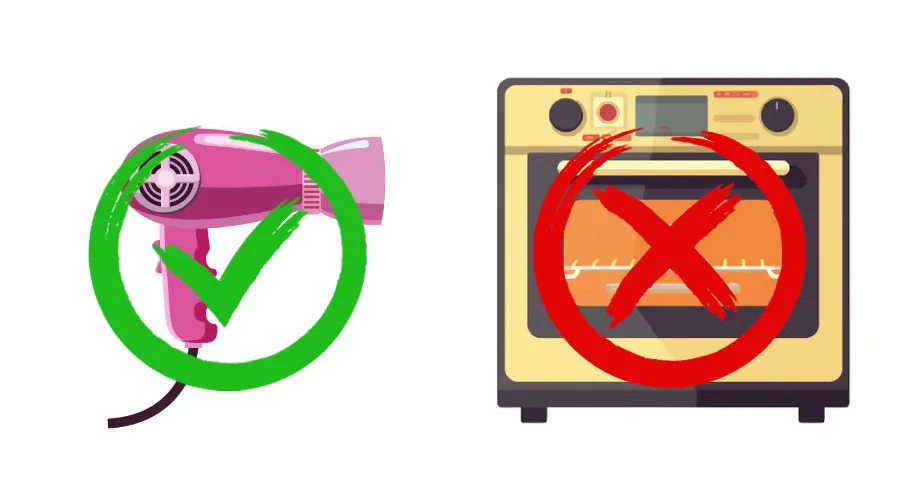
Therefore, a warm environment is more suitable for the drying of foam clay. For example, we can use the warm air from a hairdryer to speed up drying.
- Thin Application
Obviously, thinner and smaller foam clay pieces dry out more easily. If you don’t want your clay to take too long to dry, choose foam clay that dries easily from the beginning. Also, when making, we should avoid making thick clay.
Does Foam Clay Dry Hard
Yes, foam clay will harden when it dries. However, since its main ingredient is lightweight PVA resin, foam clay is not as hard as you think after it dries. Maybe you can think of the foam fillers used to cushion and protect cargo, but you will destroy them if you squeeze them hard.
Tips for Successful Foam Clay Projects
The drying process of foam clay is crucial and almost determines the success of the project. So, we need some tips to ensure that the clay dries properly.
Testing for Dryness
Generally speaking, after you wait 24-48 hours, the foam clay will dry completely. On a dry and hot summer day or in a drafty room, it may also dry out in a dozen hours.
The reason foam clay dries is the water in it disappears. Therefore, it becomes lighter after drying. You can confirm whether it is dry by weighing it. Weigh it every 2 hours, and it is completely dry when the reading stops changing.
Preventing Cracking
We know that uneven drying can cause clay surfaces to crack. Therefore, we do not suggest you use high-temperature heating tools such as microwaves or ovens. Also, kneading the clay evenly before you start playing can reduce the risk of cracking during the drying process.
Storage Tips
When the foam clay is dry, we need to place it in a cool and dry place.
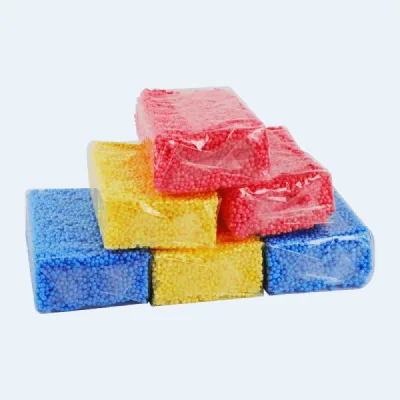
First, direct sunlight can destroy the pigments in foam clay, causing it to fade. Secondly, foam clay is not waterproof and we cannot place it in a humid place. Over time, they will soften as they absorb water.
Finally, foam clay crafts are lightweight and strong winds may blow them over. So, if you plan to display them for a long time, it is best to seal them in a clear acrylic box. This also prevents restless babies or pets from breaking them.
By the way, if you don’t want your foam clay to dry out, you can store them in ziplock bags or airtight boxes. Remember, keeping your foam clay exposed to as little air as possible will extend its life.
Understanding Foam Beads in Clay
Foam clay contains beads, will they affect the drying time? As educational toys for children to play with, are they healthy for the human body?
What Are Foam Beads
The main ingredient of foam beads is polystyrene, which is a kind of plastic with a diameter of 2-8 mm.
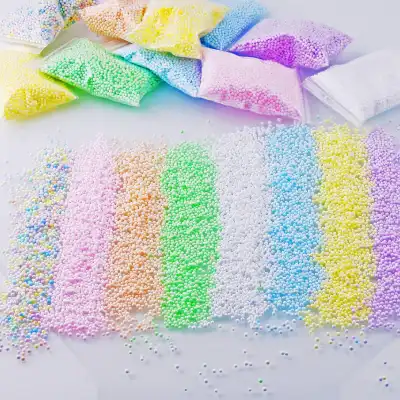
When plastic particles are less than 5 mm (0.2 inches) in diameter, we call them microplastics [1]. Nature can’t break down microplastics, so they harm to the environment and ecosystems.
Statements about microplastics may worry you. In fact, people use polystyrene widely, such as food packaging bags. Studies show that polystyrene particles are safe for human cells at a dose of about 500 ug/ml in experiments[2].
All toys for kids under 12 must pass CPSC or the third-party tests and get relevant certifications [3]. These ensure the foam clay toys are safe for children.
If you’re concerned about the environment, opt for foam beads with a diameter larger than 5 mm .
Are Foam Beads Toxic
Foam beads are non-toxic, however, they are not food. We want to make sure kids don’t put it in their mouths while playing.
Role of Foam Beads in Clay
The main purpose of beads in foam clay is to add interest. Foam beads are light and soft, easy to shape. They stick to the clay to help retain their shape. On the other hand, the colorful beads have good appeal and keep children focused.

By the way, these foam beads to the clay makes it pleasant to the touch. And it has a stress-relieving and relaxing effect.
Influence on Drying Time
Adding foam beads to clay may shorten drying time because they make more clay touch the air. However, their ability to influence is limited. When our developers test the foam clay formula, they make sure it has a reasonable drying time. And even adding beads doesn’t make it dry out too quickly.
Educational Benefits of Foam Clay
Foam clay is an educational toy and is good for the growth and development of children. Specific benefits include sensory development, creativity, imagination, and motor skills.
Sensory Development
Soft, moldable toys all have sensory development benefits. Air-dry clay, play dough, slime, play sand, and foam clay all allow children to learn sensory experiences. Through play, children will know the difference between soft and hard, flat and three-dimensional, which will be helpful for their future studies.
Creativity and Imagination
Apparently, kids can create works with foam clay. Creation in any form is a product of imagination.
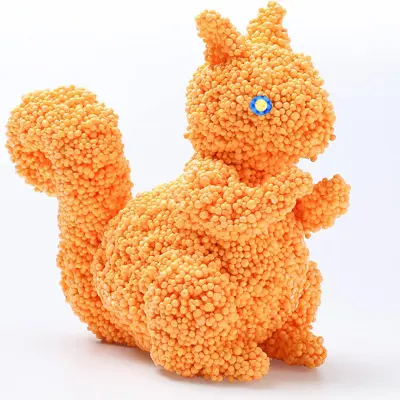
As Albert Einstein said,
Imagination is more important than knowledge. For knowledge is limited, whereas imagination embraces the entire world, stimulating progress, giving birth to evolution.
We’ve been working hard for years to help children develop their imagination and creativity. Whether air-dry clay or foam clay, they are excellent educational toys for children to enjoy playing and learning.
Fine Motor Skills
Foam clay is soft and kids can squeeze, knead, pull, and cut it. This exercise trains finger muscles and strength, help kids’ hands be more flexible. Nimble fingers always make it easier to master delicate and complex operations, such as writing, drawing, and typing.
Conclusion
As a popular toy for children, the drying time of foam clay is generally 24-48 hours. The temperature and humidity in the room, as well as the thickness of the clay, will all affect the drying time.
Placing foam clay in a cool, ventilated area or using a hair dryer can safely speed up drying.
Beads in foam clay may reduce drying time somewhat, but the effect is not significant. The main function of foam beads is to make clay toys more interesting and attractive.
References