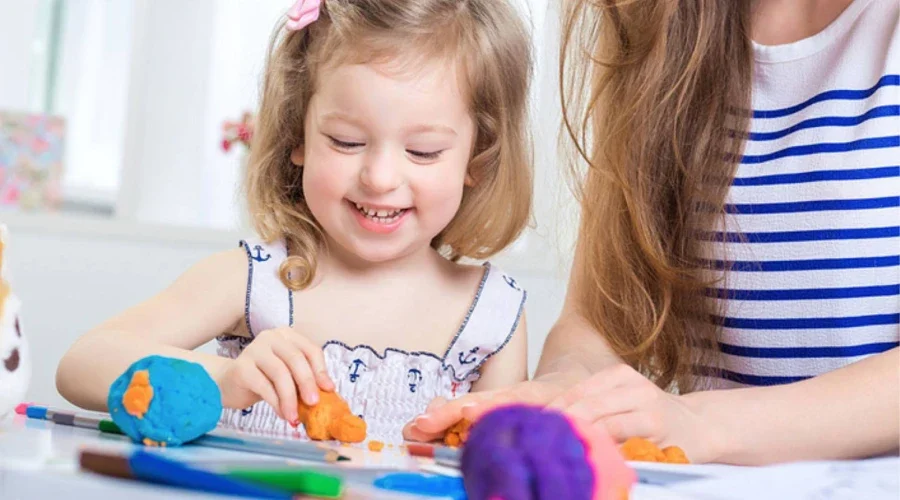
Air-drying clay occupies a larger market share and is a popular toy for kids around the world.
For toy wholesalers and retailers, the longer the shelf life of air-dry clay, the more profitable it is. And for kids and crafters, a longer shelf life also gives them more opportunities to display their crafts.
So, what can we do to maximize the shelf life of air-dry clay?
Know the Enemy: Why Does Air Dry Clay Go Bad
Obviously, improper storage can cause premature deterioration of air-dry clay. We need to know what causes it to go bad so that we can stay away from them.
Ingredients of Air Dry Clay
The ingredients of air-dry clay are simple, mainly including environmentally friendly PVA, purified water and food coloring. Among these three ingredients, PVA accounts for 99%.
-
PVA: The Secrets of Clay Shaping
PVA is a water-soluble organic compound, whose full name is polyvinyl alcohol.
When mixing with water, this white solid will become soft. You can stretch it and mold it into various shapes. This is what we call lightweight air-dry clay.
PVA with good water solubility is easy to biodegrade and is a non-toxic resin material. So, people use it to make modeling clay for kids.
-
Water: The Principle of Air Drying
Water will become gas at room temperature. It does not disappear, but it will no longer stay with PVA. When PVA loses water, it will become hard and you can no longer change its shape. The evaporation of water is why this super light clay dries out.
-
Food Coloring: Safe Color
Air-dry clay is colorful because of the food coloring it contains. Often, a drop or two of food coloring will change the color of a large amount of air-dry clay. People extract food coloring from plants and it is natural and edible, so it is also safe for children.
Factors Causing Mold: Water + Air
Many invisible bacteria and mold spores in the air, and when the place is nice, they will grow and multiply like crazy. Air-dry clay contains water and food coloring, which are good conditions for microorganisms to live in. So, if you store the toys improperly, they can find an opportunity to cause mold in the clay.
Why is My Air-Drying Clay Hardening
Unlike mold, it is normal for air-dry clay to dry out and get hard. Because PVA is naturally solid, it is water that makes it soft and stretchable. But water dries out at room temperature, so when the water evaporates, the clay becomes hard.
Since without water, we can store dried clay crafts for a long time, they are less likely to mold. But you cannot shape it anymore.
Thus, you’d better store your air-dry clay correctly, then you can play with it longer. It will have a maximum shelf life.
Improper Storage: What Happens to Air-Dry Clay as It Goes Bad
Before you learn the proper storage methods, you must also understand what happens when air-drying clay deteriorates. People are loss averse, and storing things incorrectly can have serious consequences, which can encourage caution.
-
Air Dry Clay Hardens: Cannot Play Again
The hardening of air-drying clay is actually the evaporation of the water in it. This lightweight clay is made from soluble PVA and water, and when there is less moisture in the clay, it becomes harder.
Many people think that when the clay becomes hard, it is bad. In fact, just wet the surface of the clay restores its softness and flexibility. But, on the other hand, the hardening of crafts made with this lightweight clay is the key to long-term preservation.
-
Too Much Water: Clay Melts
Since the main ingredient of air-dry clay is soluble, it will dissolve when there is wet. Typically, clay dissolution occurs rarely. As long as it is kept ventilated and dry, qualified air-drying clay will not melt during storage.
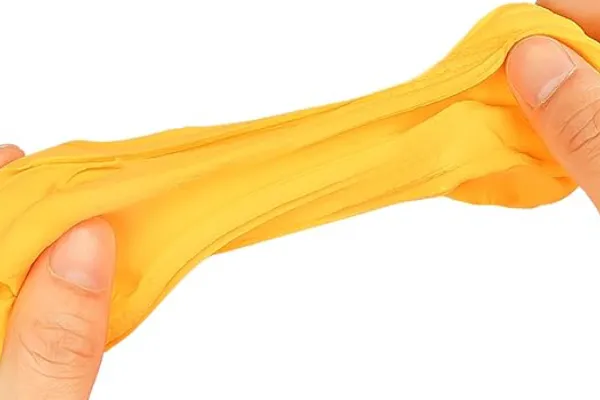
If the melted clay does not become moldy or smelly, you can place it in a ventilated place and wait for it to dry before recovering.
-
Terrifying! Moldy!
Bacteria and fungi are everywhere in the air, and they thrive easily in moist places. Mold on air-drying clay is usually caused by a lack of proper sealing and waterproofing. Secondly, substandard clay may lack preservatives, leading to mold.
Moldy clay often has a bad smell and cannot be restored or sold again. You need to clean and disinfect them in time to avoid contamination of other products.
-
Color Fading: The Invisible Enemy
As a children’s toy, current air-drying clay comes in many colors. If the clay fades, it may be because the pigments in it have been destroyed. For example, exposure to the sun can cause this problem. Another situation is when the color of the clay appears cloudy or changes color. This is usually caused by mixing different clay.
Discolored clay cannot be restored or resold. But if you don’t mind the color, you can still play and it won’t affect your health. It should be noted that mold will also cause a change in color and this clay will no longer be playable!
Based on the above content, we found that the main reasons for clay deterioration are:
- Water
- Mold
- High temperature
- UV rays
Therefore, when we store air-dry clay toys, it is important to avoid the above-mentioned factors that may cause deterioration.
Tips for How to Store Air Dry Clay
We’ll guide you through five aspects of how to properly store air-dry clay for maximum shelf life.
Container Selection: The Key to Clay Preservation
Choosing airtight containers for air-drying clay will prevent from coming into contact with air and water. This is the key to preserving clay. Normally, when air-dried clay is produced, it is sealed and stored in plastic boxes or bags.
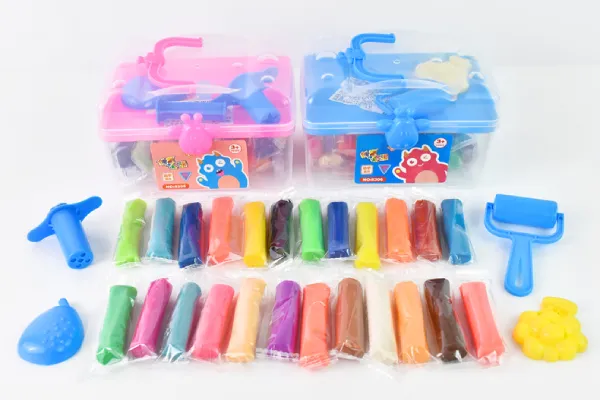
Additionally, airtight containers prevent the moisture in the clay from evaporating, ensuring it has the right softness and flexibility. Some containers not only sort the colors of clay but also store tools and avoid messy.
In short, placing desiccants in the containers can also effectively extend the shelf life of the clay.
Climate Control: Temperature and Humidity Tips
The area where air-drying clay is kept should be protected from heat and moisture. If the local climate is hot and rainy, you can install HVAC machine to regulate temperature and humidity.
This solution is mainly suitable for warehouses with a large amount of clay storage. For the clay stored at home or in the classroom, just put it in the sealed containers or bags.
Organization Hacks: Streamlining Your Clay Storage System
Due to people’s usage habits, placing old-dated air-dried clay in front of new-dated can help you sell or use up more clay during its shelf life. In addition, this storage system can also prevent the clay in the corner from being forgotten.
In fact, we want products to have a longer shelf life in order to sell more and avoid waste. Therefore, a reasonable storage system is also important.
Clay Color Coding: Why Storing Different Shades Separately Matters
Color-coding can help differentiate clay. We mentioned previously that when air-drying clay of different colors come into contact, color mixing occurs at the interface. This will cause the clay to discolor. Therefore, labeling different colors of clay and placing them separately can effectively extend the shelf life.
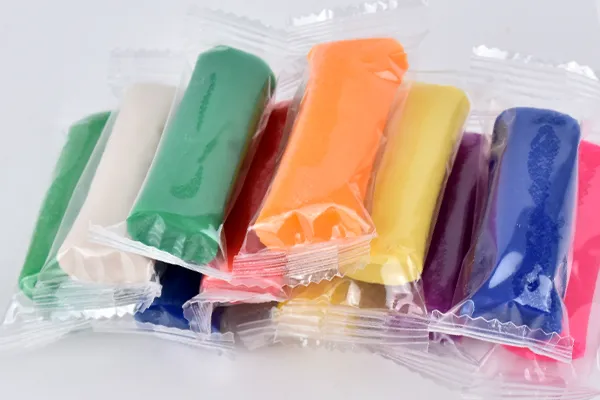
Note that clay is best distinguished by coding rather than color. Because it is difficult for the eye to distinguish colors. Such as pink and light pink, you may mistake them for the same color with careless. And color coding helps you clearly differentiate between various clay.
Long-Term Solutions: Strategies for Air Dry Clay Extended Storage
On average, air-dry clay has a shelf life of up to 12 months. And handicrafts made from it can be stored longer after they are completely dry. Therefore, many artists or crafters like to use this lightweight clay to make decorations or jewelry.
Water can make clay soft and moldy, so preserving air-dried clay crafts for a long time requires thorough drying. Usually, we will put them in a ventilated and dry place while avoiding high temperature and direct sunlight.
Regular cleaning not only keeps your crafts looking fresh at all times, but also extends their life.
How to Store Air Dry Clay after Opening
Often, we also need to store air-dry clay after playing with it. If we just put it on the table or in a drawer, it will quickly go bad and become unplayable.
Since the opened clay may have two uses, we can save them in two situations:
Seal and Store Clay in Time After Playing
After the children have played with it, the air-dry clay should be sealed and stored. If possible, try to keep different colored clay in separate containers or bags. This will preserve the clay for longer time and allow you to play with it the next time.
Clay Craft Preservation
If children are making crafts out of clay, wait until the clay is completely dry and hardened. This is because undried crafts are soft and easily damaged. After the clay is dry, we can place the crafts on a shelf or desk that is ventilated and cool.
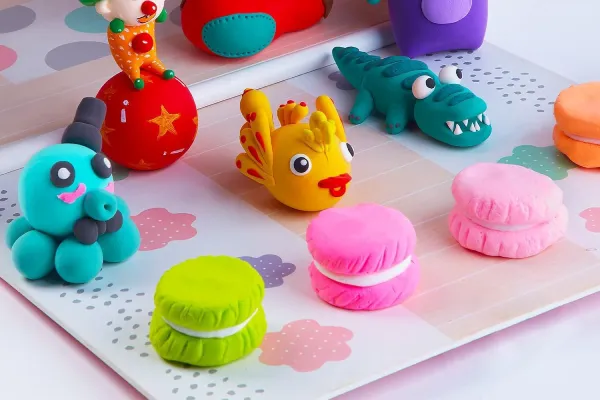
Secondly, if we want the crafts to last longer, we can put them in transparent boxes. This allows both displaying the works and protecting them.
Another method is to apply varnish to the surface of the craft. Because varnish is transparent, it dries to form a hard coating that protects the air-drying clay.
Tell the Truth: Does Air Dry Clay Expire
Every product has a shelf life, and air-dry clay is no exception. The shelf life is just an expected period, during which the product quality is stable and guaranteed. It will benefit the merchant best, and as the product approaches the end of its shelf life, the gain from selling will be less.
Therefore, a longer shelf life is more beneficial to merchants. For parents, air-dry clay with a longer shelf life allows children to play for longer. Moms are also more willing to buy toys with a long shelf life.
How Long Does Air Dry Clay Expire
Toys manufacturers will mark the shelf life on the packaging of air-dry clay, which is usually 12-18 months. This means that during this time, properly stored air-dry clay will not have any quality issues.
However, when you open the toy package and the air-drying clay comes into contact with air and other substances, its shelf life is shortened.
Although technicians work hard to extend the shelf life of air-dry clay, incorrect storage can cause the product to deteriorate during its shelf life.
What Will Happen to Expired Air-Dry Clay
Air-dry clay that has passed its shelf life may not go bad. Usually, even if the air-dry clay stored in a sealed container has expired, it is no different from the one within the shelf life.
We mentioned earlier that the real causes of deterioration are water, air and microorganisms. Air-dry clay stored in a sealed container has no chance of coming into contact with these, so it is likely not undergone any chemical changes. When you take it out of the packaging, it’s still soft and easy to shape.
However, air-drying clay that has expired for a long time will become very hard and you cannot shape it.
In fact, no matter how strict the storage method is, you cannot avoid the deterioration of substances. Because, in the world that we cannot observe with the naked eye, molecules are always moving irregularly. When they combine or separate from other molecules, they will cause qualitative changes in the original matter.
Even though they may not have gone bad, people have a hard time accepting toys that have expired. Fortunately, we can maximize the shelf life of air-dry clay through proper storage.
How Long does it Take for Air-dry Clay to Dry
Generally speaking, if you place the air-drying clay in a ventilated and cool place, its surface will dry within a few hours. Depending on the volume of air-dry clay, it will dry and harden completely in 24-72 hours.
Since air-dry clay is water-based and hydrophilic, a humid area will slow down its drying. Air-dry clay placed in the bathroom or kitchen, for example, will take more time to dry and harden.
Air Dry Lightweight Clay Dried Out? Don’t Throw It!
Lightweight clay may still dry out during storage. Don’t throw it away in a hurry, we have ways to make it softer again.
You know that air-drying clay hardens because it loses water. So, when you find the clay is a little dry, spray it with some water and it will soften again. Of course, you’d better not soak it in water, as too much water may thin the clay or even dissolve it.
However, the clay will be hard to regain its softness, if it has dried completely.
Can You Put Air Dry Clay in the Oven
Do not put air-dry clay in the oven. If you want the clay to dry faster, use the hair dryer. This is safer and won’t ruin the color and shape of the clay.
There are some disadvantages of putting air-dry clay in the oven:
- Unsafe: Children may cause burns when they try to put the air-dry clay in and out of the oven. Parents and teachers should prevent children from doing this.
- Cracking: The oven heats up quickly, which can cause the surface of the clay to dry out too quickly, trapping water inside. As the temperature gradually rises, the water inside the clay evaporates, eventually breaking the hardened surface and causing cracks.
- Color Change: Children’s air-drying clay contains pigments, and these ingredients make the clay colorful. But the high temperature of the oven may damage them, causing the crafts to change color.
- Hazardous substances: The oven may produce harmful substances when baking clay, affecting children’s health.
Therefore, we do not recommend that parents or children put air-dry clay in the oven.
Paint Air Dry Clay: Is it A Good Idea
When the air-dry clay dries and hardens, you can draw on it. However, children’s air-drying clay comes in many colors, and you can use the corresponding color clay to make crafts. That is, you don’t need to paint again.
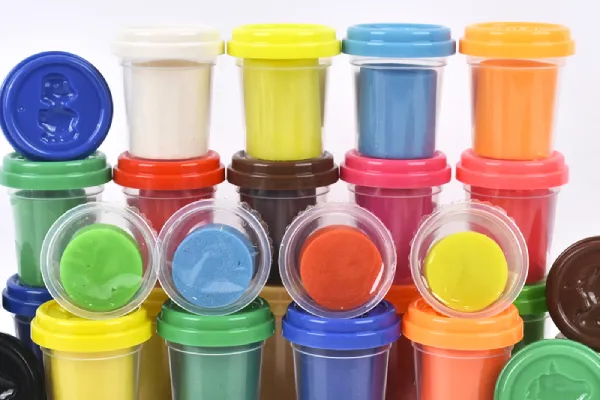
If the air-dry clay has not dried yet, we do not recommend that you paint on it. This is because there is water in the undried clay, which may dilute the paint color. In addition, the paint on the surface will cure and harden first, preventing the clay from drying out. Often, cracking may occur by applying paint to a clay surface that is not completely dry.
Can Painting Extend the Shelf Life of Air Dry Modeling Clay
Painting will not extend the shelf life of air-dry clay, but it will longer its showing time.
When you paint clay, it only exists as a craft. It will become hard and you can’t stretch it anymore. Also, paint will change the original color of the clay. This process is irreversible, so, in effect, painting destroys the properties of the modeling clay.
However, the protective coating keeps out air and water, preventing your clay craft from molding or cracking. So, paint it, if you want to show your clay crafts for a longer time. Clear paint will keep the original color of the clay.
Conclusion
Simply put, if you want to preserve air-dry clay for a long time, avoid contact with water. Because water will make clay soft and moldy. Therefore, whether it is unopened or opened clay, placing it in the sealed containers or bags can extend the shelf life.
On the other hand, high temperatures and UV rays can damage the internal structure of air-dry clay, causing it to fade or crack. Therefore, it is best to store clay in a ventilated and cool place.
Finally, completely dry clay crafts can be stored and displayed for longer time.