Factory Price vs. Landed Cost: What Toy Buyers Need to Know
Why is the cheapest toy factory not always the best choice? Learn to compare factory prices, shipping fees, import duties, and landed costs.
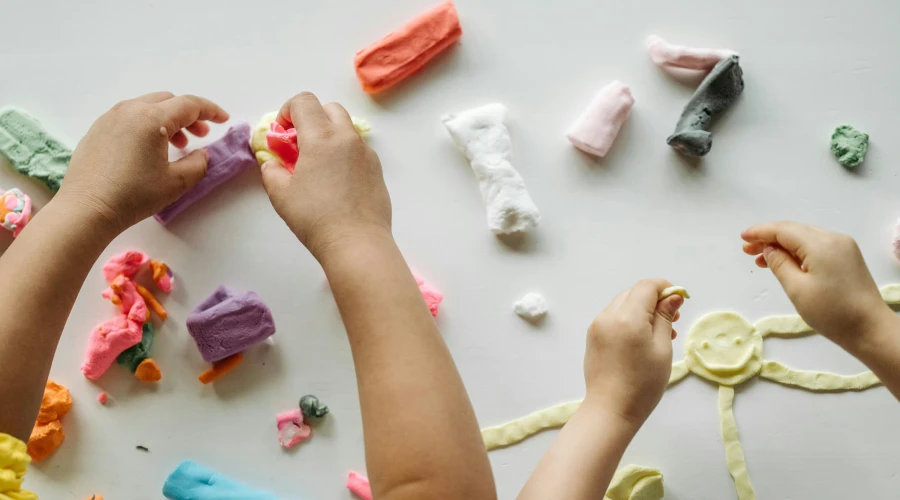
In toy safety work, “non-toxic” is often used as a broad signal, not a strict rule. For playdough and slime, the meaning shifts across labs, laws, and markets. So, the label alone cannot confirm full safety.
It helps to think of safety as a tested condition, not a promise. Different countries set different limits for chemicals and microbes. As a result, one product can pass in one market but need changes in another.
The term “non-toxic” has no single global definition for toys. In many cases, it means the product does not contain known acute poisons under normal use. But this leaves room for interpretation.
For example, ASTM F963 in the United States and EN 71 in the EU focus on specific chemical limits, not a general “non-toxic” label. So compliance depends on measured thresholds, not wording on packaging.
At the same time, low-dose exposure is still part of the discussion. Some materials may be allowed in small amounts but still require risk control. This is why lab reports matter more than marketing terms.
Marketing language is often simple. It uses terms like “safe” or “non-toxic” to help quick understanding. However, these words do not always reflect full regulatory meaning.
Regulations define safety through test results. For instance, EN 71-3 measures migration of elements like lead or cadmium. If results are under set limits, the product passes, even if it still contains trace elements.
So, there is a gap. One side is communication, the other is measurement. B2B buyers usually need both: clear claims for retail, and full reports for compliance checks.
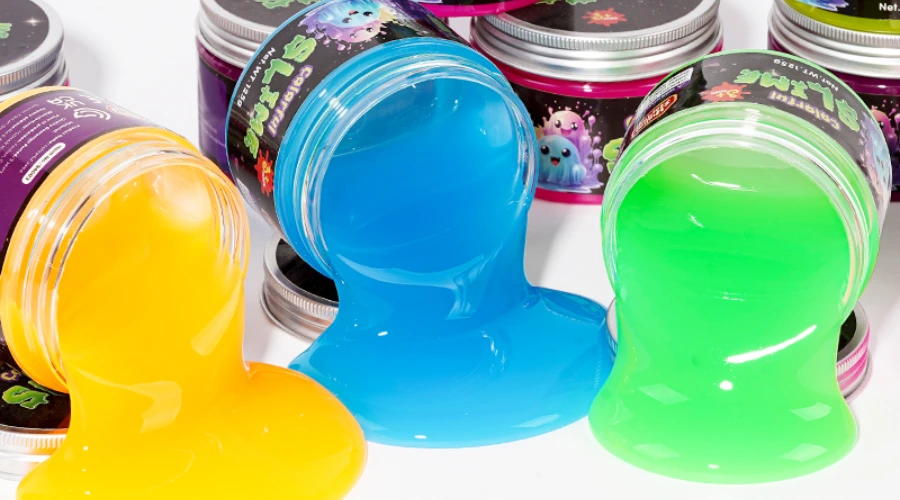
For B2B buyers, “safe for kids” is not a single idea. It often means a mix of legal compliance, test data, and market expectation. Each region weighs these factors differently.
In practice, buyers look for documentation like EN 71 reports, ASTM compliance files, and sometimes CPSIA tracking. But they also check if the product fits local risk tolerance, which is not always written in law.
In the US, compliance often centers on ASTM F963 and CPSIA rules. These focus on chemical limits, labeling, and tracking. The approach is structured but flexible in interpretation.
In the EU, EN 71 standards are more detailed in chemical migration and mechanical safety. The system is strict on testing methods, and documentation is usually more formal.
In APAC markets, rules vary widely. Countries like Japan or South Korea have strong national standards, while others may rely on import requirements. Because of this, B2B buyers often apply the strictest common rule across regions.
Playdough and slime sit at a simple category, but regulation around them is not simple at all. These materials are treated as children’s products with chemical and biological risks. So, rules cover both what is inside and how it behaves during use.
For B2B teams, this framework is less about labels and more about test systems. Standards define limits, methods, and repeat checks. In practice, compliance is a process, not a one-time pass.
Toy safety standards usually combine chemical rules and physical safety rules. Chemical parts control substances like heavy metals, solvents, and preservatives. Mechanical parts check choking, tearing, and small parts risks.
Common systems include ASTM F963 in the US and EN 71 in Europe. EN 71-1 focuses on mechanical and physical safety, while EN 71-3 focuses on chemical migration. Together, they form a baseline for many export products.
However, these standards do not cover every use case of slime or playdough. For example, sensory play materials may need extra microbial checks. So, companies often layer internal standards on top of legal ones.

Heavy metal control is a core part of compliance for playdough and slime. Substances like lead, cadmium, mercury, and chromium are restricted under migration limits. These limits measure how much can move from the material under simulated use.
Standards like EN 71-3 define how to test this migration in artificial saliva or stomach acid solutions. The idea is not total absence, but controlled exposure below set thresholds. This is important for materials that may be handled frequently.
For modeling compounds, colorants and fillers are common sources of trace metals. Even if raw ingredients are compliant, mixing and processing can change final levels. That is why batch testing is often required, not just ingredient approval.
Because playdough and slime often contain water, they can support microbial growth. This includes bacteria, yeast, and mold under warm or humid conditions. So preservatives are commonly used to control this risk.
Regulations do not always name exact preservatives, but they require safety under normal and foreseeable use. In Europe, for example, cosmetic-style microbial limits are sometimes used as a reference point for similar water-based toys.
Testing usually includes total microbial count and challenge tests. These check whether preservatives still work after contamination exposure. It is a way to model real-world use, not just lab storage.
Testing frequency is not the same everywhere. In the US, third-party testing is often required at production or import stage, with periodic re-testing depending on changes. Documentation must be updated if materials or suppliers change.
In the EU, testing is tied closely to production batches and technical files. Some products require repeated verification, especially when formulations include sensitive chemicals or water-based systems like slime.
In parts of APAC, requirements depend on import controls and local certification bodies. Some markets accept external reports, while others require local retesting. Because of this, global B2B suppliers often design a testing cycle that follows the strictest market rule.

Chemical safety in playdough and slime is not based on a single idea like “safe” or “unsafe.” It comes from how substances behave in real use. Toxicology helps translate lab data into risk levels. For B2B buyers, this section is often the core of product review.
In practice, safety is built from exposure, dose, and time. These three factors shape how regulators judge risk. So, even simple sensory toys need structured chemical thinking.
In toxicology, “non-toxic” does not mean zero risk. It usually means no harmful effect is expected under normal exposure levels. This is based on dose-response data from controlled studies.
For example, a substance may be safe at low contact levels but harmful if swallowed in large amounts. Regulators use thresholds like NOAEL (No Observed Adverse Effect Level) to set safe limits. These values are then adjusted for children, who are more sensitive.
So, “non-toxic” is a boundary condition, not a full guarantee. It depends on how much enters the body and how often exposure happens.
Acute exposure refers to short-term contact, like accidental ingestion or skin contact during play. In most playdough cases, this is the main scenario tested in safety standards. It focuses on immediate effects such as irritation or mild toxicity.
Chronic exposure is different. It refers to repeated, low-level contact over time. This is harder to measure, but still important for materials used often in schools or homes.
In sensory play, children may touch, squeeze, or sometimes taste materials. So risk models often include both types of exposure. The final safety margin is built with extra buffers for uncertainty.
Modeling compounds usually fall into several chemical risk groups. These include solvents, plasticizers, preservatives, and residual monomers. Each group behaves differently in contact and stability.
Solvents can evaporate and affect air quality. Plasticizers change texture but may raise long-term exposure questions. Preservatives control microbes but must stay within regulated limits.
Because formulations are complex, risk is rarely from one ingredient alone. It often comes from how materials interact during storage and use.
Volatile compounds can slowly release into the air during play. This includes certain solvents or added fragrance materials. Even at low levels, they may be noticeable in closed rooms.
Fragrance sensitivity is not the same as toxicity, but it is still a safety factor in product design. Some children may react with headaches or mild irritation. This is especially relevant in poorly ventilated spaces.
For this reason, many safety assessments now include VOC (volatile organic compound) screening. It does not remove all risk, but it helps map what might be released during normal use.
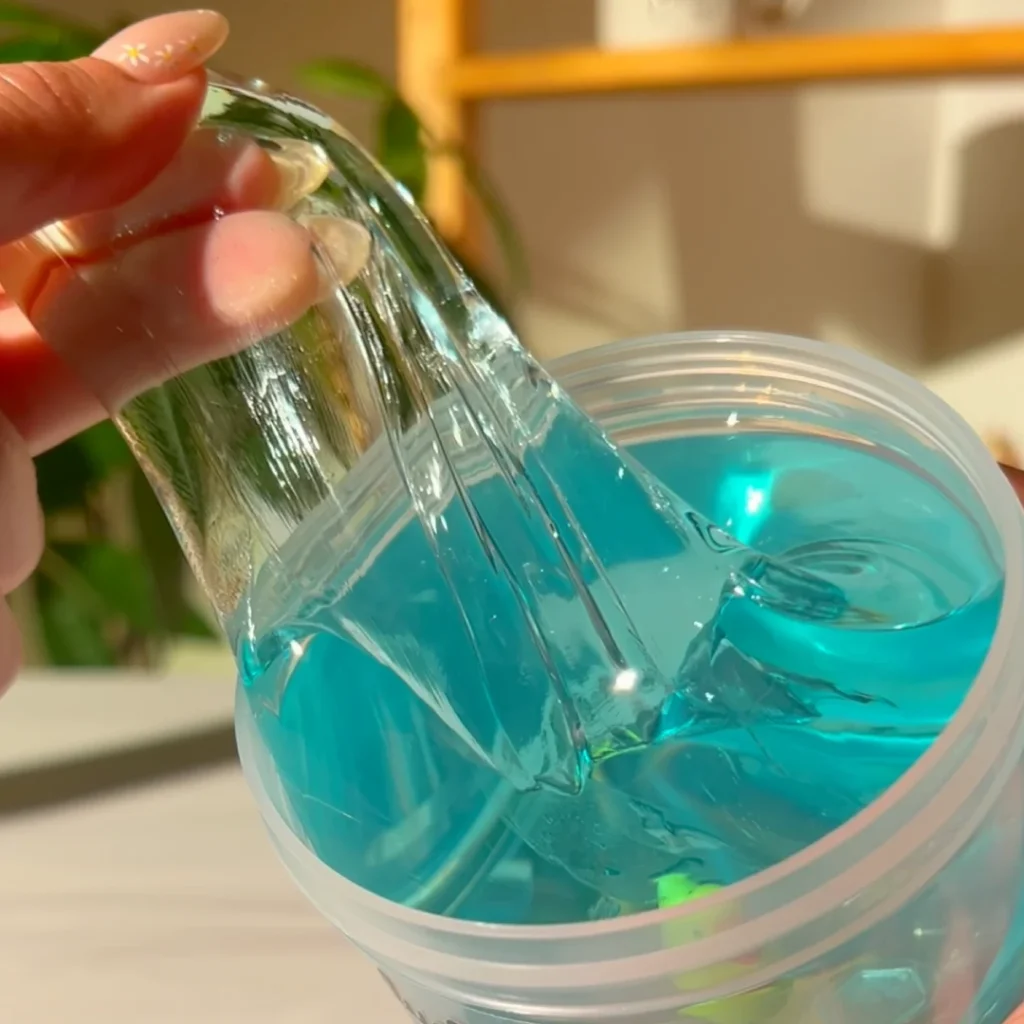
Ingredients are where safety claims become real. For playdough and slime, the same function can be achieved with different chemical systems. So, buyers and formulators need to look beyond texture and focus on composition. In B2B work, this is where most compliance decisions start.
The key idea is simple: every ingredient has a role, and every role has a trade-off. Safety evaluation means checking both function and exposure.
Most playdough systems are built from starches, flours, or synthetic polymers. Slime systems often rely on polymer networks that trap water and create elasticity. These bases define texture, stability, and shelf life.
In regulatory terms, the base material is usually low-risk if it is food-grade or widely tested polymers. However, risk can change when additives are introduced. For example, water-based systems may support microbial growth if not stabilized.
So, the base is not the main concern alone. It sets the structure, but safety depends on the full formulation.
Plasticizers are used to make materials soft and flexible. Binders help keep structure stable, while humectants retain moisture. These functions are essential for sensory feel and usability.
However, each category has a different safety profile. Some plasticizers have raised concern in past toy regulations due to migration risk. Humectants are generally lower risk, but still require purity control.
In practice, formulators balance performance and regulatory limits. A material that feels better is not always easier to approve. So, function and compliance often move in opposite directions.
Color is one of the most visible parts of playdough and slime. Pigments and dyes can come from organic or inorganic sources. Each type behaves differently in terms of stability and safety.
Some inorganic pigments may contain trace metals, which must be controlled under migration limits. Organic dyes can be more stable but may introduce sensitivity issues in rare cases.
Testing usually focuses on both total content and migration behavior. This helps ensure that color does not become a hidden exposure route during repeated handling.
Additives can include fragrances, preservatives, and stabilizers. While each serves a function, some can act as sensitizers. This means they may cause allergic reactions after repeated exposure.
Sensitization is different from immediate toxicity. A child may not react at first, but sensitivity can develop over time. This makes it harder to predict and requires conservative limits.
Because of this, many safety frameworks track known allergen lists and restrict certain compounds. Even low concentrations can matter if exposure is frequent and direct.

Exposure is not about a single moment. It is about how children use materials over time. Playdough and slime are designed for touch, shaping, and sensory feedback. So, contact is constant and multi-route.
For safety assessment, regulators and manufacturers look at three main pathways: oral, skin, and inhalation. Each has different mechanisms and risk levels. Together, they form the real use profile of the product.
Oral exposure is most relevant for younger children, especially under 3 years old. At this stage, hand-to-mouth behavior is common and often not fully controlled. So, small amounts of material may be swallowed during play.
Safety standards assume this behavior in their testing models. They use “reasonably foreseeable use” scenarios, which include accidental ingestion. Limits for soluble substances are set to keep exposure below harmful levels.
In practice, the risk is usually low but not zero. It depends on formulation, particle size, and how easily the material breaks apart during use.
Skin contact is the most frequent exposure route for playdough and slime. Children may knead, stretch, and hold the material for long periods. This creates continuous contact with moisture and additives.
Most substances in these products have low skin absorption rates. However, some small molecules or additives can still pass through the skin in limited amounts. So, testing often includes dermal exposure assumptions.
Long exposure time increases relevance, even if absorption is low. Because of this, safety margins are built to account for repeated daily use.
Inhalation exposure is less obvious but still relevant. It comes from volatile compounds or tiny particles released during play. This is more noticeable in enclosed or poorly ventilated spaces.
Volatile organic compounds (VOCs) may slowly evaporate from certain ingredients. While levels are usually low, they are still measured in safety assessments. Dust from dried materials can also become airborne.
So, inhalation risk is not only about chemistry. It is also about environment and how the product is used in real settings.
Children do not interact with materials in a controlled way. They squeeze, tear, flatten, and sometimes press material close to their face. These behaviors can increase exposure in unexpected ways.
For example, stretching slime can release more VOCs due to increased surface area. Or breaking dried playdough can create small particles. These are normal play actions, not misuse.
Because of this, exposure models include behavior patterns, not just chemical data. It is a mix of observation and lab simulation, aiming to reflect how play actually happens.
Water-based play materials like slime and some soft playdough systems create a stable, moist environment. That makes them easy to use, but also easier for microbes to grow in under the right conditions. In safety design, this is less about visible spoilage and more about hidden biological load.
For B2B buyers, microbial control is not optional. It affects shelf life, product claims, and even recall risk. So, the focus is on how materials are protected during storage and real use, not just at production.
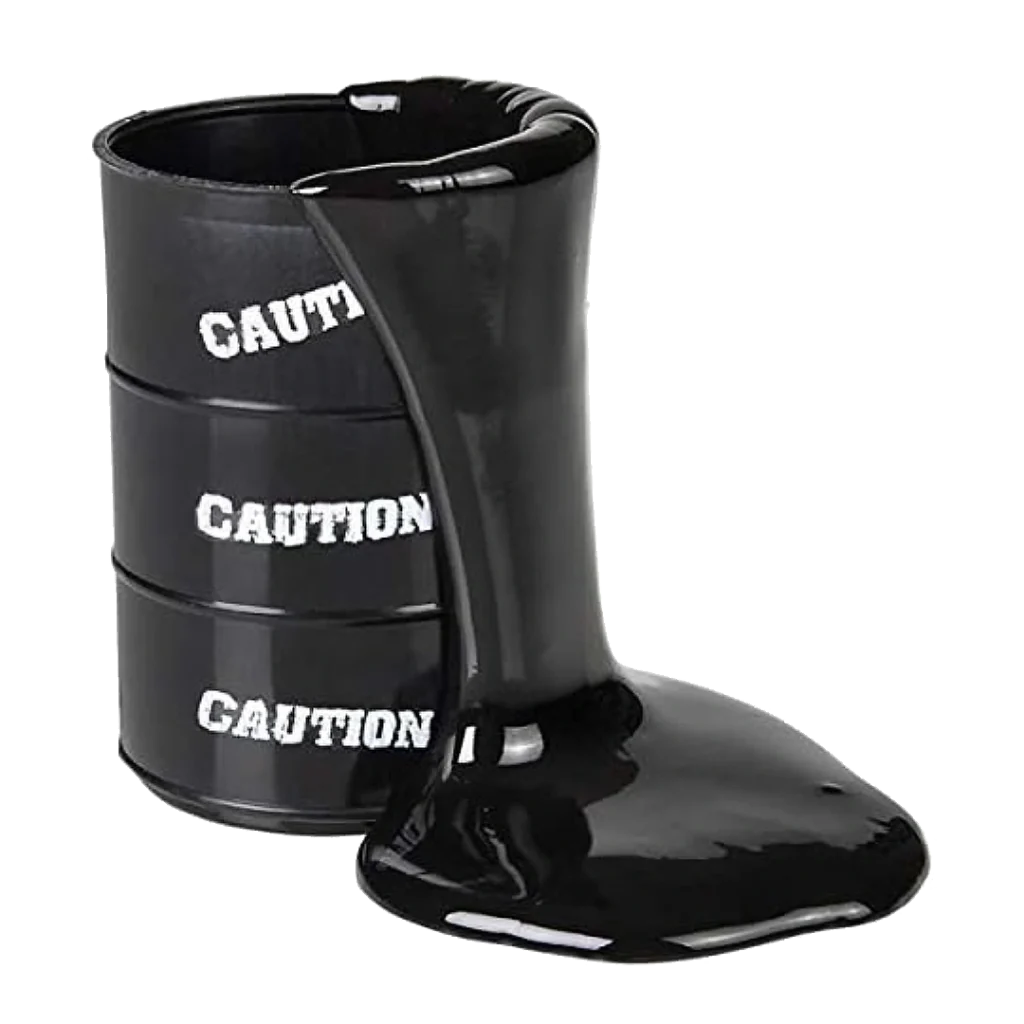
Microorganisms need three basic things: moisture, nutrients, and a suitable temperature. Many slime and soft playdough formulations unintentionally provide all three. Water content is especially important here.
Even small amounts of organic material, like starches or natural gums, can act as nutrients. Once contamination starts, it can grow quietly without strong odor or visible change at early stages. This makes it harder to detect without lab testing.
Because of this, water activity (aw) becomes a key control point. Lower water activity reduces microbial growth, but it can also change texture, so formulation becomes a balancing act.
Preservatives are added to slow or stop microbial growth. They work by disrupting cell function in bacteria, yeast, or mold. In water-based toys, they are often essential for stability.
However, preservatives introduce their own safety considerations. Some can cause skin sensitivity after repeated exposure. Others may have regulatory limits based on concentration and allowed use types.
So, the goal is not maximum preservation, but controlled protection. Formulators need to choose systems that remain effective over the full shelf life while staying within safety thresholds.
Even a well-formulated product can be affected by storage conditions. Heat, humidity, and repeated opening can all increase microbial risk. Once the container is opened, the product is no longer in a controlled environment.
Consumer behavior also matters. Dirty hands, shared use, or leaving containers open can introduce new microbes. These are normal use cases, so they are included in risk assumptions.
For this reason, packaging design and user instructions are part of safety strategy, not just marketing support.
Shelf-life testing is used to predict how long a product stays stable under expected conditions. This includes accelerated aging tests, where temperature and humidity are increased to simulate time.
But real-world use can differ from lab conditions. For example, repeated contamination during play can shorten microbial stability faster than expected. This is sometimes called “in-use degradation.”
So, validation does not end at expiration date setting. It also includes understanding how quickly protection systems weaken once the product enters daily use.
Manufacturing safety is not only about the final formula. It starts much earlier, at sourcing, and continues through every production step. For playdough and slime, small changes in raw materials or process conditions can shift both chemical and microbial safety.
In B2B supply chains, quality assurance is mainly about control and traceability. The goal is to keep variation low and risks visible. This makes compliance easier to prove and easier to maintain across batches.
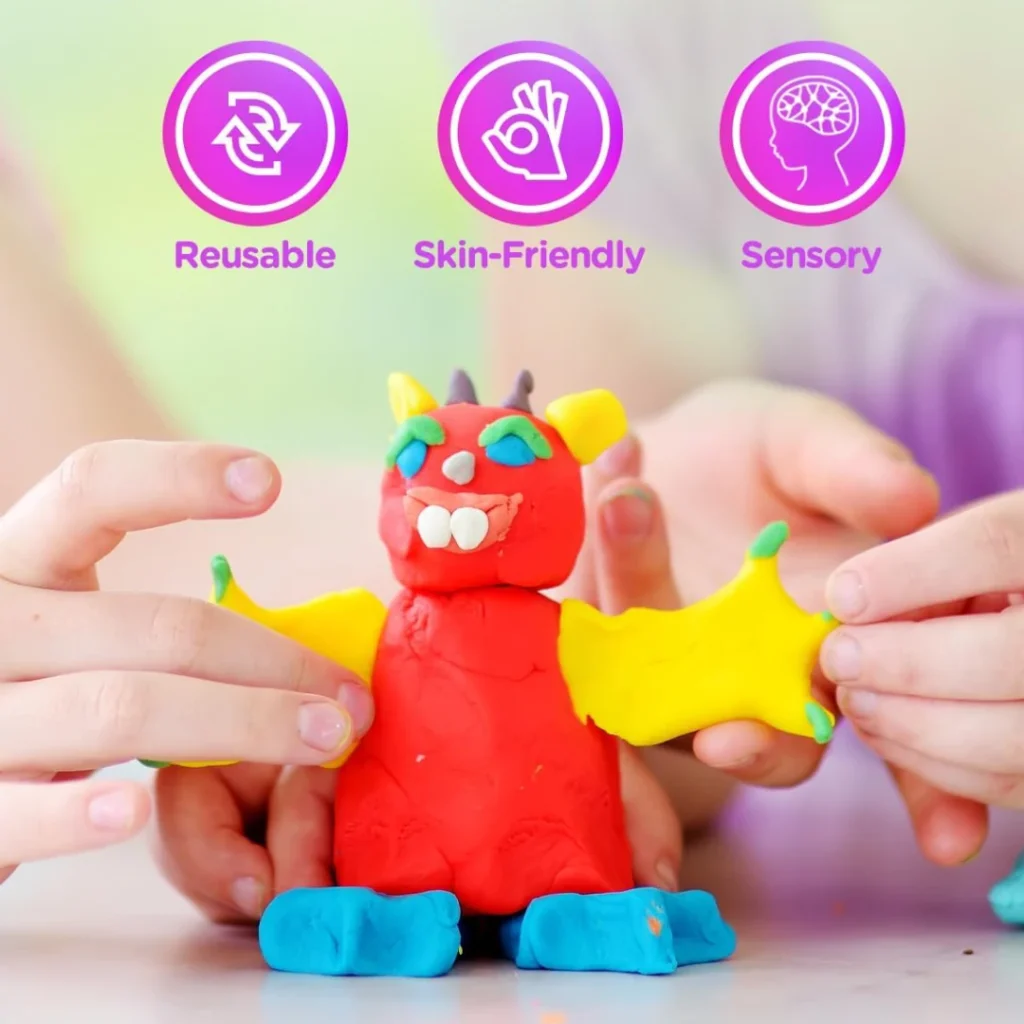
Raw materials define the baseline of safety. Even if the final product is well designed, unstable or poorly controlled inputs can introduce risk. This is why supplier qualification is a key step.
Verification usually includes certificates of analysis, compliance statements, and periodic testing of incoming materials. For example, pigments, polymers, and preservatives may each require separate documentation.
However, documentation alone is not enough. Many manufacturers also perform spot checks on incoming batches. This helps confirm that real material matches reported specifications, especially when sourcing is global.
Batch consistency means each production run should behave the same in both performance and safety. In playdough and slime, small variations in mixing time, temperature, or ingredient ratio can change texture and stability.
To manage this, manufacturers use controlled recipes and in-process monitoring. Measurements like viscosity, pH, and moisture content help ensure stability. These indicators also indirectly relate to microbial risk.
Contamination prevention is built into this system. Clean handling, sealed transfers, and controlled storage reduce the chance of foreign materials entering the batch. The aim is to keep each production cycle predictable.
Production environments influence both chemical purity and microbial safety. Even if ingredients are safe, poor environmental control can introduce unwanted contamination. So, cleanliness is part of product design.
Many facilities apply zone separation, where raw materials, mixing, and packaging areas are kept distinct. Air filtration and surface sanitation are also used to reduce microbial load in sensitive steps.
Process controls also include time and temperature limits. These ensure that materials are not exposed to conditions that could encourage microbial growth during production.
Facilities that produce multiple toy types face higher cross-contamination risk. Residues from one batch can carry over to another if cleaning is not effective. This is especially important when different chemical systems are used.
For example, pigment dust or polymer residues can move between production lines. Even trace amounts may affect compliance results or product stability. So, cleaning validation becomes a required step, not just routine housekeeping.
In many cases, manufacturers schedule production to separate sensitive materials like slime from other categories. This reduces overlap and makes contamination control more predictable across the full operation cycle.
Testing is where safety claims are checked against real data. For playdough and slime, this step connects formulation, regulation, and real use. Without testing, “safe for kids” is only a statement, not evidence.
In B2B practice, testing protocols are used to reduce uncertainty. They help confirm that chemical limits are met, microbial risks are controlled, and performance stays stable over time. Each test type answers a different safety question.
Chemical migration testing measures what can move from the material into simulated body fluids. It does not only look at what is inside the product, but what can actually be transferred during use.
Standards such as EN 71-3 define extraction methods using artificial saliva or stomach acid. The results are compared against strict limits for elements like lead, cadmium, and mercury. These limits are expressed in milligrams per kilogram.
Detection thresholds are important here. If a substance is below the instrument’s limit of detection, it may be reported as “not detected,” but this is still based on the sensitivity of the test method. So, method choice matters as much as results.
Microbiological testing focuses on bacteria, yeast, and mold levels in the product. This is especially important for water-based playdough and slime, where moisture supports growth.
Typical tests include total aerobic microbial count and specific pathogen screening. These tests help confirm whether preservatives are working effectively under controlled conditions.
However, lab results represent a snapshot in time. They show product status at testing, not future behavior after repeated opening or contamination. So, microbial safety is always linked to shelf-life assumptions.

Stability testing checks how a product changes over time. This includes physical changes like texture loss, chemical changes like pH shifts, and microbial changes like reduced preservative effectiveness.
Accelerated aging is often used to simulate months of storage in a shorter period. Temperature and humidity are increased to speed up natural degradation processes. The goal is to identify weak points before market release.
These tests are important for products like slime, where structure and moisture balance can shift over time. Small changes can affect both performance and safety.
Simulated use testing tries to replicate how children actually play. This includes squeezing, stretching, repeated handling, and occasional accidental contact with mouth or face.
Unlike static lab tests, this method introduces movement and contamination cycles. It can show how quickly a product degrades under real-world behavior, not just storage conditions.
Although it cannot fully replicate every situation, it helps bridge the gap between controlled testing and everyday use. For B2B buyers, this type of data adds practical context to standard compliance reports.
Non-toxic playdough and slime safety is not a single label, but a system of chemistry, regulation, and real-world use. From migration limits to microbial control, each layer defines risk in a different way. For B2B buyers, true safety depends on verified data, stable manufacturing, and realistic testing that reflects how children actually play.
Why is the cheapest toy factory not always the best choice? Learn to compare factory prices, shipping fees, import duties, and landed costs.

A practical guide to toy manufacturing in China for US buyers, covering production processes, ASTM F963, CPSIA, quality control, costs, and logistics.
Learn how screen-free play creates opportunities for toy brands and why sensory products like playdough, clay, slime, and kinetic sand are a strong product fit.
Improve kids toy sales with packaging tips that communicate safety, benefits, and product experience for online shoppers.