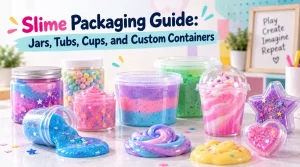
Slime Packaging Guide: Jars, Tubs, Cups, and Custom Containers
Compare slime jars, tubs, cups, and custom containers to find the right packaging for your product, budget, target market, and shipping needs.

The slime market sits between toys and sensory tools. It mixes simple chemistry with mass production. In recent years, demand has stayed stable due to social media trends and repeat purchases.
Slime is a soft polymer made by mixing a base, often PVA glue, with an activator such as borate ions. This creates cross-links between molecules, giving slime its stretch and flow. The ratio controls texture, which is key in production.
From a market view, slime remains popular because it is low-cost and easy to vary. Small changes in formula or add-ins create new SKUs. This allows factories to refresh product lines without major tooling changes.
Children form the largest group. They use slime for play, but also for simple tactile feedback. Products for this group often focus on color, scent, and safe packaging. Age grading and labeling are critical here.
Another segment is sensory use. Some buyers look for consistent texture and low odor. In this case, variation is reduced, and stability matters more than novelty. This affects both formulation and quality control.
Collectors and trend buyers are smaller but active. They follow online trends and prefer unique textures or limited styles. For suppliers, this means short production runs and fast updates.
China leads due to its mature supply chain. Raw materials like PVA, pigments, and plastic containers are produced locally. This reduces cost and shortens lead times compared to fragmented sourcing.
In addition, many slime manufacturers operate within established toy clusters. These slime support packaging, printing, and assembly in one area. As a result, suppliers can handle OEM and bulk orders with flexible output.
Labor structure also plays a role. Semi-automated lines allow control over mixing and filling, while still keeping costs stable. This balance suits products like slime, where full automation is not always ideal.
Butter slime uses clay additives. This changes the internal structure and reduces stretch while improving spread. It requires careful mixing to avoid dry spots during production.
Cloud slime includes instant snow powder. When hydrated, it creates a fibrous texture. However, water balance is critical, or the product may shrink or leak during storage and shipping.
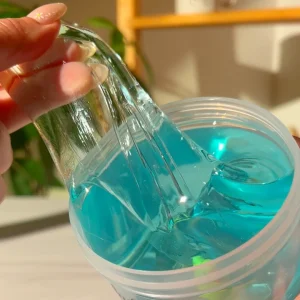
Clear slime has fewer fillers and needs clean processing conditions. Air bubbles and impurities are more visible, so curing time is longer. Foam slime adds beads, which raises issues in sealing and transport stability.
In global trade, the terms “manufacturer” and “supplier” are often mixed. However, they play different roles in the supply chain. Knowing who does what helps reduce risk, especially in pricing, quality control, and communication during production.
A slime manufacturer handles production at the factory level. This includes raw material mixing, batch control, filling, and packaging. They manage machines, workers, and process steps that affect final product consistency.
They also control formulation details. For example, ratios of glue, activator, and additives are tested and adjusted in-house. This allows better control over texture, shelf life, and repeatability across large orders.
A slime supplier or trading company acts as an intermediary. They do not always produce goods themselves. Instead, they coordinate with one or more factories and manage orders, communication, and sometimes quality checks.
In many cases, suppliers simplify the process for buyers. They may offer mixed product lines, lower minimum orders, or faster response times. However, they have less direct control over production details.
OEM (Original Equipment Manufacturing) means the buyer provides product design and specifications. The manufacturer follows these instructions to produce slime under the buyer’s brand, with limited changes to the formula.
ODM (Original Design Manufacturing) is different. Here, the factory provides existing formulas or product designs. Buyers can request small changes, but the base product is controlled by the manufacturer.
One way to identify a real factory is to check production capability. Manufacturers can explain mixing processes, equipment, and batch sizes in detail. Their answers are often technical and specific.
Another method is to review documents and audits. Factory certifications, inspection reports, and site photos help confirm operations. In contrast, middlemen may provide limited or indirect information about production.
Working directly with manufacturers often lowers unit cost. It also allows clearer control over specifications, testing, and production schedules. This is useful for large or repeat orders.
However, direct cooperation can require more effort. Communication may be slower, and minimum order quantities are often higher. In some cases, buyers need to manage logistics and quality checks on their own.
Imported slime products vary in form, use, and packaging. Each type follows a slightly different production and handling process.
Pre-made slime is produced, filled, and sealed at the factory. It is shipped as a finished product, ready for retail. This type is common in bulk slime supply and large-volume orders.
Consistency is key here. Factories control viscosity, color, and scent across batches. However, shelf life and temperature stability must be checked, since changes during transit can affect texture.
DIY slime kits include separate components, such as base glue, activator, and add-ins. These kits are assembled and packed by the manufacturer but not pre-mixed.
From a supply view, kits reduce some stability issues seen in pre-made slime. However, they require clear labeling and instructions. Compliance is also more complex, since multiple components must meet safety standards.

These products are designed with controlled texture and simple formulas. They are often used in learning or structured environments where consistency matters more than novelty.
Manufacturers focus on repeatability and low variation. Ingredients are selected to reduce strong odors or unstable reactions. This type may also require stricter testing, depending on the target use case.
Seasonal slime products follow market trends, such as holiday themes or popular textures. These often include special colors, scents, or decorative elements.
Production cycles for these items are shorter. Suppliers must adjust formulas and packaging quickly. As a result, lead times can vary, and quality control must adapt to frequent changes.
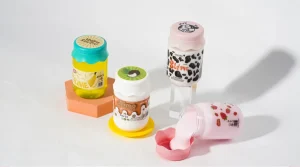
Packaging affects both cost and product stability. Common formats include plastic jars, screw-top tubs, and sealed pouches. Each option has different sealing and leakage risks.
Gift sets combine multiple units or components in one package. These require extra assembly steps and stronger outer packaging. In transport, packaging must handle pressure and temperature shifts without failure.
Choosing a slime factory or supplier requires more than price checks. It involves reviewing production ability, material control, and process clarity. A structured evaluation helps reduce defects, delays, and compliance risks in later stages.
Production capacity refers to how much slime a factory can produce within a set time. This includes mixing volume, filling speed, and labor allocation. Reliable manufacturers can explain daily or weekly output with clear numbers.
Lead time is equally important. It covers raw material prep, production, and packaging. Delays often occur when capacity is overstated, so it helps to compare stated timelines with actual past orders or sample runs.
Slime relies on basic inputs like PVA, activators, pigments, and additives. A qualified supplier should provide clear information on these materials, including origin and basic composition.
Transparency helps with safety checks and regulatory review. For example, knowing the type of preservative or fragrance used can affect testing outcomes. Limited disclosure may signal weak control over upstream sourcing.

Certifications help verify that a factory follows accepted standards. Common examples include ISO systems or third-party audit reports. These documents reflect process control, not just product quality.
Audits provide a closer look at actual operations. They review production flow, storage, and worker practices. Regular audits, either internal or external, reduce the risk of inconsistency in bulk slime production.
Clear communication affects every stage of the order. A reliable supplier responds with direct and technical answers, especially when discussing formulas, packaging, or timelines.
Response speed also matters. Slow or vague replies can lead to errors during production. In cross-border trade, time gaps already exist, so structured and timely updates help keep projects on track.
Sampling is the first real test of a supplier’s capability. Factories usually provide pre-production samples based on requested specifications. These samples should match agreed details in texture, color, and packaging.
Consistency between samples and bulk orders is critical. Differences may appear if process control is weak. To reduce this risk, some buyers request multiple samples or small pilot runs before full production.
Slime is usually classified as a toy in the U.S., so it must meet strict safety rules. These rules cover chemicals, labeling, and testing. Clear compliance planning helps avoid customs delays, product recalls, or rejected shipments.
CPSIA sets limits on lead content and certain chemicals in children’s products. It also requires tracking labels and third-party testing by accredited labs (U.S. CPSC, 2008).
ASTM F963 is the main toy safety standard. It includes rules on physical safety and some chemical aspects. For slime, sections related to materials and labeling are often relevant in import reviews.
Slime formulas often use borate compounds as activators. While effective, their concentration must be controlled. Excess levels may fail safety tests or raise compliance concerns.
Preservatives and fragrances also require review. Some compounds can trigger restrictions or labeling needs. Therefore, suppliers should disclose ingredient types so testing labs can assess risk properly.
Labels must include basic product information. This often covers product name, importer details, country of origin, and age grading. Missing data can delay customs clearance.
Tracking labels are required under CPSIA. These help identify production batches and dates. Clear labeling also supports recalls or quality checks if issues arise after distribution.
Testing is done by third-party labs accredited by the CPSC. Samples are checked for chemical limits and other safety factors. Only passing results can support legal sale in the U.S.
After testing, a Children’s Product Certificate (CPC) is issued. This document links the product to test reports. Importers must keep this record and provide it when required.
One common issue is relying only on supplier claims. Without valid lab reports, products may fail entry checks. Documentation must match the actual shipped goods.
Another mistake is ignoring small formula changes. Even minor adjustments can affect test results. Therefore, any change in materials should trigger a new review or re-testing process.
Customization is common in slime importing. Buyers adjust formula, color, and packaging to fit a target market. However, each change affects cost, lead time, and testing. Clear specs and step control help keep results stable.

Color is set with pigments or dyes. Small shifts in ratio can change shade, so factories often use standard color codes. This helps repeat results across batches.
Texture depends on polymer ratio and additives. Clay, foam beads, or snow powder change flow and structure. Each add-in must be tested for stability, since separation or settling can occur over time.
Private label work includes logo printing, label design, and outer packaging. Methods vary, such as screen print or stickers. Each option has different cost and durability.
Packaging must also match product behavior. For example, thicker slime may need wider jars. Seal quality is important to prevent leaks during shipping and storage.
MOQ is the smallest order a factory accepts for a custom item. It depends on material use, setup time, and packaging type. Custom colors or molds often increase MOQ.
Lower MOQ may be possible with standard formulas or shared packaging. However, this can limit customization. Buyers need to balance flexibility with production efficiency.
Before mass production, factories provide samples based on agreed specs. These include formula, color, and packaging details. Approval at this stage reduces risk later.
It is important to document all parameters. This may include viscosity, color reference, and container type. Clear records help align expectations between buyer and manufacturer.
Consistency depends on process control. Factories must keep mixing time, temperature, and ratios stable. Small changes can affect texture and appearance.
Batch tracking is also useful. By recording production data, suppliers can trace issues if variation occurs. This supports quality control in large or repeat orders.
Slime pricing is not just the unit rate. It includes materials, labor, packaging, and transport. Each part can shift based on order size and customization. A clear cost breakdown helps avoid surprises during import and delivery.
Unit cost is the price per item at a given quantity. In small orders, this cost is higher due to setup and material limits. Factories spread fixed costs across fewer units.
Bulk pricing reduces the unit cost. Larger orders allow better use of materials and production time. However, lower cost per unit often comes with higher total spending and storage needs.
Tooling costs apply when new molds or special packaging are required. These are usually one-time fees but can be high for unique designs. Standard containers help avoid this cost.
Packaging and customization add variable costs. Printed labels, special finishes, or inserts increase per-unit price. Each added feature also affects production time and handling.

Shipping cost depends on weight, volume, and method. Slime is often dense, so sea freight is common for large orders. Air freight is faster but much more expensive.
Logistics also include inland transport, port fees, and handling. Poor packaging can increase damage risk, which adds indirect cost. Planning shipment size helps control these expenses.
Testing fees are required for compliance. These costs vary by product type and lab scope. They are often missed in early estimates but are necessary for legal sale.
Import duties and taxes depend on classification and value. In addition, storage fees may apply if goods are held at ports or warehouses. These costs can add up if timelines are not managed well.
Price negotiation often starts with clear specifications. Factories need exact details to quote accurately. Vague requests can lead to price changes later.
It also helps to discuss volume and repeat orders. Suppliers may adjust pricing based on long-term potential. However, very low price targets can affect material quality or process control.
Shipping slime involves both physical handling and documentation. Since slime is semi-liquid or gel-like, it requires careful packing and stable transport conditions. The choice of shipping method and terms directly affects timing, cost, and risk during transit.
Air freight is faster and is often used for small or urgent shipments. However, it has higher cost per kilogram and may have restrictions depending on packaging and contents. It is suitable for samples or limited quantities.
Sea freight is more common for bulk slime orders. It has lower cost per unit but longer transit times. Containers must be properly loaded and sealed to prevent movement, leakage, or temperature-related changes during the journey.

Slime must be sealed tightly to prevent leaks. Inner containers such as jars or pouches should have secure closures, often with additional sealing layers. Outer cartons must protect against compression and impact.
Temperature changes during shipping can affect viscosity. Therefore, packaging should allow for expansion and avoid overfilling. Proper labeling and orientation marks can also help handlers manage the goods correctly.
Incoterms define responsibility between buyer and seller. FOB (Free on Board) means the seller delivers goods to the port and loads them onto the vessel, while the buyer handles the rest of the journey.
EXW (Ex Works) places most responsibility on the buyer, including pickup from the factory. CIF (Cost, Insurance, and Freight) includes shipping and basic insurance to the destination port, but the buyer still handles customs and final delivery.
Customs clearance involves submitting documents such as invoices, packing lists, and certificates. Authorities review product classification, declared value, and compliance records before releasing goods.
For slime, safety documentation and testing certificates may be required. Delays can occur if documents are incomplete or inconsistent with the shipment details. Accurate paperwork is essential to avoid inspections or holds.
Freight forwarders coordinate transport between factory and destination. They arrange carriers, manage bookings, and assist with documentation. This simplifies logistics for importers who may not handle shipping directly.
They also help with route planning and cost estimation. In many cases, they provide tracking updates and support during customs clearance. Choosing a forwarder with experience in consumer goods can reduce handling issues during transit.
Quality control in slime manufacturing focuses on consistency and safety across batches. Because slime is sensitive to small changes in materials and environment, inspection steps are often used at different stages. These checks help detect issues early and maintain uniform product output.
Pre-production inspection happens before mass production begins. It checks raw materials, sample approval, and machine setup. This step ensures that the production plan matches the agreed specifications.
During production inspection takes place while goods are being made. Inspectors review random units from the line to check texture, color, and packaging. This helps identify deviations before the entire batch is completed.
Texture depends on the balance of polymers, activators, and additives. Small variations in mixing time or ratios can change viscosity or stretch. Factories must control these variables to keep results stable.
Color and scent also require control. Pigments must be measured accurately, and fragrances should be used within safe and consistent ranges. Batch records are often used to replicate the same output across multiple runs.

Shelf life refers to how long slime maintains its intended properties. Over time, factors such as evaporation, microbial growth, or ingredient separation may affect quality. Packaging plays a role in slowing these changes.
Storage stability is tested under different conditions, such as temperature and humidity. Samples may be observed over time to check for drying, leakage, or texture shifts. These tests help estimate how the product behaves during warehousing and transport.
Batch testing involves selecting samples from a production batch and evaluating them against defined standards. These tests may include physical checks, chemical limits, and packaging integrity.
Random sampling is used to avoid bias. By selecting units from different parts of a batch, inspectors can better assess overall consistency. This approach is commonly applied in large-volume slime orders to monitor uniformity.
Defective products may include issues such as incorrect texture, leakage, or labeling errors. When identified, they are usually separated from approved goods for review or correction.
Non-compliant products must meet regulatory standards before distribution. If they fail testing or inspection, corrective actions may include rework, replacement, or rejection. Clear agreements between buyer and supplier help define how such cases are managed.
Importing slime involves multiple stages, from formulation to delivery. At each stage, small issues can create larger problems if not managed early.
Inconsistency often comes from variations in raw materials, mixing ratios, or process control. Even small changes in viscosity or additive amounts can affect texture, stretch, or appearance between batches.
To reduce this risk, buyers usually define clear specifications and request pre-production samples. Batch records, inspection checks, and random sampling during production also help monitor uniformity. Written standards are important for repeat orders.
Miscommunication can occur due to language differences, unclear specifications, or assumptions on both sides. This may lead to incorrect formulations, packaging errors, or delays in production.
Using simple and precise documentation helps reduce confusion. Visual references, measurement units, and written confirmations can improve clarity. Regular updates during production also help ensure both sides stay aligned.

Slime must meet toy safety regulations in the destination market, such as limits on certain chemicals and proper labeling. Failure to meet these requirements can result in shipment holds or rejection at customs.
To avoid this, importers should ensure that testing is completed by accredited labs and that certificates are available. It is also important to confirm that product formulas and labels match the tested samples exactly.
Delays may occur due to raw material shortages, production scheduling, or port congestion. Seasonal demand can also affect factory capacity and shipping availability.
Planning ahead with buffer time helps manage delays. Clear timelines, written agreements, and coordination with logistics partners can reduce uncertainty. Monitoring progress during each stage of production is also useful.
In some cases, product designs, packaging, or branding may be copied without permission. This can lead to disputes or loss of uniqueness in the market.
To reduce this risk, buyers can protect designs through trademarks or packaging rights where applicable. Clear agreements with suppliers regarding design ownership and usage also help define boundaries during production.
Long-term cooperation between buyers and slime suppliers is based on stability and clarity. Over time, both sides become familiar with each other’s standards and processes. This reduces errors and improves predictability in production, logistics, and communication.
Clear expectations start with detailed product specifications. These may include texture range, color references, packaging format, and labeling details. Written documents help avoid misunderstandings during production.
It is also useful to define quality thresholds and acceptance criteria. For example, acceptable variation in viscosity or color shade can be documented. When both sides agree on measurable standards, it becomes easier to evaluate results objectively.
Regular communication helps keep production aligned with plans. Updates on order status, material availability, and timeline changes allow both sides to adjust when needed. This is especially important when working across time zones.
Communication should be structured and consistent. Many buyers use scheduled check-ins or progress reports during production. This reduces uncertainty and allows early detection of potential issues before they affect delivery.
Reordering is usually simpler when previous specifications are documented and approved. Factories can reuse established formulas and processes, which reduces setup time and improves consistency across batches.
Scaling production requires coordination. As order volume increases, factors such as raw material supply, labor allocation, and production scheduling must be adjusted. Clear forecasts help suppliers prepare capacity in advance and avoid bottlenecks.

Supplier performance can be tracked through metrics such as delivery time, defect rates, and consistency of output. Keeping records of past orders helps identify trends and variations across batches.
Periodic review of samples and production results is also useful. Over time, this data provides insight into whether the supplier maintains stable quality and meets agreed standards. It supports more informed decisions for future orders.
Switching suppliers may be considered if repeated issues occur. These can include inconsistent quality, missed deadlines, or lack of communication. Persistent deviations from agreed standards are often a key signal.
Before switching, it is common to review whether problems can be resolved through adjustments in process or communication. If not, transitioning to a new supplier may be necessary. This decision is typically based on long-term performance rather than a single order.
Importing slime from China involves more than finding a low price. It requires understanding product types, supplier roles, safety rules, and logistics in detail. From factory selection to quality control and shipping, each step affects the final outcome. With clear specifications, proper testing, and steady communication, buyers can manage risks and maintain consistent product flow over time.
Compare slime jars, tubs, cups, and custom containers to find the right packaging for your product, budget, target market, and shipping needs.

Learn how glitter, beads, and charms enhance slime products through visual appeal, tactile variety, themed play, and better product differentiation.
Learn the key steps behind a successful slime launch, from product development and sampling to safety compliance, packaging, and production.

Explore what makes slime safe for children and learn simple ways to support fun, responsible, and healthy sensory play at home or school.