Factory Price vs. Landed Cost: What Toy Buyers Need to Know
Why is the cheapest toy factory not always the best choice? Learn to compare factory prices, shipping fees, import duties, and landed costs.
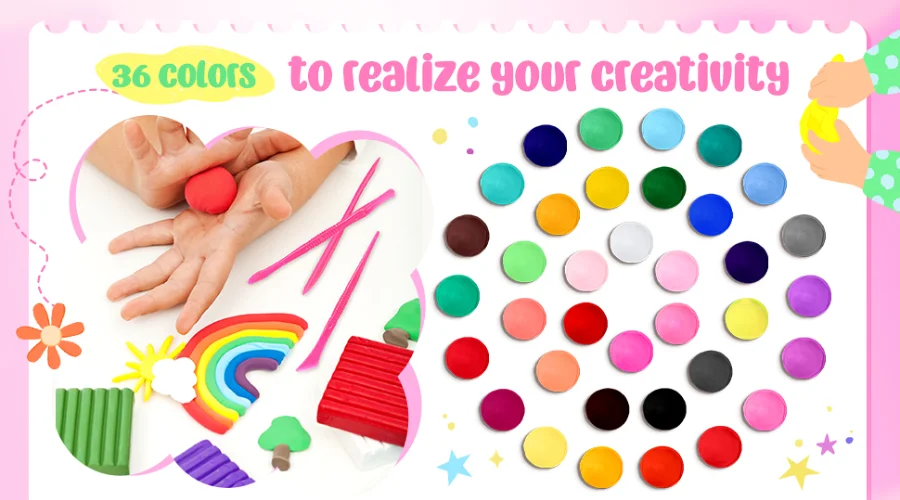
Children learn about the world through their senses. Sensory activities use touch, sight, sound, movement, and other inputs to support this natural process. In simple terms, they are play experiences that give the brain clear sensory signals and help children practice how to respond to them.
Sensory activities are tasks that let children explore different sensations. These may include textures, sounds, movement, or visual patterns. The goal is not only play. Instead, these experiences help the brain organize incoming information from the environment.
During early childhood, the brain develops very quickly. Sensory input acts like raw data for the nervous system. When children squeeze slime, mold playdough, or pour sand, the brain receives signals from the skin, muscles, and joints. Over time, the brain learns how to interpret these signals.
Researchers in developmental science often describe this process as sensory integration. According to occupational therapist A. Jean Ayres, sensory integration helps the brain organize information so the body can respond effectively (Ayres, Sensory Integration and the Child, 1979).
In daily life, this process supports many skills. For example, children learn how much force to use when holding objects, how to balance while walking, and how to adjust their movements during play.
Sensory play may look simple, but it connects to several basic brain functions. Each activity sends signals through the nervous system. These signals help the brain build patterns for movement, attention, and behavior.
Children do not learn these patterns through instruction alone. Instead, they develop through repeated sensory experiences. Touching, pushing, rolling, and observing all help the brain practice processing information.
Over time, this practice supports daily tasks such as writing, focusing in class, or controlling body movement. Sensory activities therefore act as small training sessions for the developing nervous system.
Hands-on play gives the brain strong sensory feedback. When a child presses playdough or digs in kinetic sand, the skin and muscles send signals to the brain. These signals travel through sensory pathways and activate several brain regions at once.
Repeated sensory input helps strengthen neural connections. This process is often called experience-dependent learning. Studies on early brain development show that repeated sensory experiences help refine neural circuits during childhood (Center on the Developing Child, Harvard University).

Simple actions such as squeezing, rolling, or shaping objects provide clear and repeatable signals. Over time, the brain becomes faster at recognizing and organizing this information.
Sensory input also affects how children manage emotions. Certain textures or movements can help calm the nervous system. Slow, repetitive actions such as stretching slime or shaping clay often create steady sensory feedback.
This steady feedback can support regulation. It helps the brain shift attention and reduce internal tension. For some children, tactile play provides a predictable and controlled sensory experience.
However, responses vary between children. Some may enjoy strong sensory input, while others prefer softer textures or slower movement. Because of this, sensory activities often work best when children can choose how they interact with the material.
Many sensory activities require hand and finger movement. For example, shaping playdough or cutting kinetic sand requires small muscle control. These actions strengthen the muscles used for fine motor skills.
Fine motor development is closely linked to daily tasks. Writing, buttoning clothes, and using tools all rely on coordinated hand movement. Sensory play gives children safe and repeated practice with these motions.
In addition, many activities involve both hands working together. This supports bilateral coordination, which is the ability to use both sides of the body in a controlled way.
Children are naturally curious about how things feel, move, or change shape. Sensory materials invite this kind of exploration. A child may squeeze slime, flatten clay, or test how sand flows through their fingers.
These small experiments help children observe cause and effect. For example, pressing harder changes the shape of clay. Pouring sand faster changes how it spreads. Through these trials, children build practical understanding.
Because sensory play is open-ended, it also supports independent learning. Children decide what to try next. This freedom encourages observation, problem solving, and flexible thinking.

Most people learn about the five basic senses in school. However, child development research describes two additional sensory systems that guide movement and body awareness.
Together, these systems help children understand both the external world and their own bodies. Sensory activities often stimulate several of these systems at the same time.
The five basic senses collect information from the environment. Touch detects texture, pressure, and temperature through receptors in the skin. Sight gathers visual patterns, color, and movement. Sound carries information through vibration in the air.
Taste and smell help identify food and environmental cues. These senses are closely linked in the brain. Together, they support early learning about safety, comfort, and daily routines.
Sensory activities often combine several of these senses. For example, molding clay involves touch, sight, and sometimes smell.
The proprioceptive system tells the brain where the body is in space. Sensors in muscles and joints send constant signals about position and force.
When a child pushes, pulls, squeezes, or lifts objects, these sensors become active. The brain then adjusts muscle control based on this feedback.
Activities that involve pressure or resistance often stimulate this system. Examples include squeezing playdough, carrying objects, or pressing clay into shapes.
The vestibular system is located in the inner ear. It detects head movement and helps control balance. This system allows children to stand upright, walk steadily, and coordinate body motion.
Movement activities such as spinning, jumping, or swinging stimulate this system. The brain then combines vestibular signals with visual and muscle feedback.
When these signals work together, children develop stable balance and smoother movement. Over time, this coordination supports many physical skills used in play and learning.
Sensory activities give children structured ways to interact with the world. Through touch, movement, and observation, the brain receives constant information about the environment. This information supports learning, behavior, and physical coordination.
Many early childhood skills depend on sensory processing. Attention, emotional control, and movement all rely on how the brain interprets sensory input. When children engage in sensory activities regularly, they gain repeated practice organizing these signals.
Because of this, sensory play is often used in both early education and occupational therapy settings. It helps children develop practical abilities that support daily learning and social interaction.

Attention depends on how well the brain manages incoming sensory information. When sensory input is too weak or too strong, children may struggle to stay focused. Sensory activities help the brain practice filtering and organizing these signals.
Simple tactile play can support this process. For example, squeezing slime or shaping playdough provides steady sensory feedback. This type of repetitive movement may help some children maintain attention for longer periods.
Movement activities can also support alertness. Short bursts of jumping, stretching, or pushing objects activate muscles and joints. These signals travel to the brain and help adjust energy levels before learning tasks.
In classrooms, brief sensory breaks are sometimes used to help children reset their attention. Research in occupational therapy suggests that controlled sensory input may support learning readiness in some students (Schaaf & Mailloux, 2015).
Children often experience strong emotions but may not yet have the skills to manage them. Sensory input can influence how the nervous system responds to stress or excitement.
Slow, repetitive tactile actions can create predictable sensory feedback. For example, stretching slime or pressing kinetic sand provides steady pressure through the hands. This type of input may help some children shift their focus and calm their bodies.
Movement can also support emotional regulation. Gentle rocking, swinging, or rolling activities stimulate the vestibular system. These signals help the brain adjust balance and body awareness.
However, responses to sensory input vary. Some children prefer strong pressure or movement, while others respond better to softer textures or slower actions. Observing the child’s reactions is an important part of choosing suitable activities.
Fine motor skills involve small and precise movements of the hands and fingers. These skills are essential for tasks such as writing, drawing, cutting, and fastening buttons.
Many sensory materials naturally encourage these movements. For instance, kneading playdough requires finger pressure and hand coordination. Pinching small pieces of clay also activates the muscles used for precision tasks.
Kinetic sand and similar materials can support hand control as well. Children often dig, pour, or shape the sand using small tools or their fingers. These actions strengthen the muscles in the hands and wrists.
Occupational therapists often include tactile materials in motor skill activities. Repeated manipulation helps children build both strength and coordination in a practical and engaging way.
Sensory materials are often open-ended. They do not require a fixed outcome or a strict set of steps. Because of this, children are free to experiment and explore different ideas.
For example, a child might turn clay into simple animals, shapes, or objects. Another child may build small landscapes with kinetic sand. These activities allow children to test ideas through physical action.
This process supports creative thinking. Children observe how materials change when they squeeze, stretch, or press them. Then they adjust their actions to produce new results.
Open-ended play also supports flexible thinking. When a structure collapses or a shape changes, children try new approaches. Over time, this trial-and-error process strengthens problem-solving skills.

Sensory play often creates natural opportunities for conversation. As children explore materials, they describe textures, shapes, and actions. Words such as “soft,” “sticky,” “roll,” or “stretch” become part of the interaction.
Adults can support this process by describing what the child is doing. For example, a caregiver might say, “You are squeezing the clay,” or “The sand feels smooth.” These simple comments connect language with sensory experience.
Group sensory play can also encourage communication between children. They may share tools, explain what they are building, or ask questions about the activity.
Over time, these interactions help expand vocabulary and sentence structure. Language becomes connected to real physical experiences rather than abstract ideas.
Some children experience sensory information differently. They may react strongly to certain textures, sounds, or movements. Others may seek stronger sensory input to feel comfortable and alert.
These patterns are sometimes described as sensory processing differences. Occupational therapists often use structured sensory activities to help children practice responding to different types of input.
For example, a child who avoids certain textures may gradually explore softer tactile materials. Another child who seeks strong pressure may benefit from activities that involve pushing or squeezing.
The goal is not to force children into uncomfortable situations. Instead, sensory play offers controlled experiences where children can explore sensory input at their own pace.
With guidance and repeated exposure, many children become more confident in managing different sensory environments.
Touch is often the first sense children use to explore their surroundings. Through tactile experiences, the skin sends signals about texture, pressure, and temperature to the brain. These signals help children understand materials and adjust their movements.
Tactile sensory activities provide safe and structured ways for children to experience these sensations. By handling different materials, children practice how to respond to new textures and pressures. Over time, this experience helps improve coordination and body awareness.
The tactile system relies on receptors located throughout the skin. These receptors detect light touch, deep pressure, vibration, and temperature. The information then travels through the nervous system to the brain.
In early childhood, this system develops through repeated physical contact with objects. When children squeeze, press, or roll materials, the brain learns to interpret these signals more accurately. This process supports everyday actions such as gripping tools or adjusting finger pressure.
Tactile play also helps children explore materials in a controlled way. Instead of encountering unfamiliar textures unexpectedly, they interact with them during play. This gradual exposure can help children become more comfortable with different sensations.
Some materials are especially useful for tactile exploration because they respond clearly to pressure and movement. Children can stretch them, shape them, or break them apart. Each action produces different sensory feedback.
Materials such as slime, playdough, kinetic sand, and air dry clay are widely used in sensory activities. They are flexible, easy to manipulate, and allow repeated experimentation. Because of these properties, they provide consistent tactile input during play.
These materials also allow children to combine sensory exploration with simple construction tasks. They can build shapes, hide objects, or test how the material reacts to pressure.
Slime provides a unique tactile experience because of its stretch and resistance. When children pull it slowly, the material elongates and changes shape. When squeezed, it compresses and spreads across the hand.
These actions create clear feedback for the tactile system. The fingers detect stickiness, tension, and movement at the same time. This combination of signals helps the brain practice interpreting complex textures.
Children often experiment by stretching slime thin, folding it, or trapping small air bubbles. These small experiments allow them to observe how the material reacts to different levels of force.

Playdough is widely used in early childhood activities because it responds well to pressure. Children can roll it into long shapes, flatten it with their palms, or pinch it into smaller pieces.
Each movement activates small muscles in the hands and fingers. Repeated squeezing and pinching helps build strength that later supports tasks like writing or drawing.
Playdough also allows controlled shaping. Children can slowly adjust the form of the material, which helps them practice precise hand movements.
Kinetic sand flows easily but still holds its shape when pressed. This property allows children to scoop, cut, and mold the material without it collapsing immediately.
When children run sand through their fingers, they receive continuous tactile feedback. The grains create a steady sensation that many children find predictable and easy to control.
Because of its slow movement and soft resistance, kinetic sand is often used in quiet sensory activities. Children may build simple structures or search for hidden objects inside the sand.
Air dry clay offers a firmer texture compared to softer materials. It requires more pressure to shape, which provides stronger tactile and muscle feedback.
Children often press, carve, or roll the clay to create simple figures or objects. These actions require coordinated finger movement and careful control of pressure.
Unlike softer materials, clay keeps its shape once formed. This allows children to observe how their actions produce lasting changes in the material.
Not all tactile play requires specialized materials. Many simple household items can provide useful sensory experiences. The key factor is variation in texture and resistance.
Activities that involve pouring, sorting, or identifying objects by touch can stimulate the tactile system. These tasks encourage children to focus on the information their hands receive.
Because these activities are flexible, they can be adjusted for different ages and skill levels.
A sensory bin is a container filled with loose materials such as rice, beans, or dry pasta. Children can scoop, pour, and sift through the contents using their hands or simple tools.
These materials provide small, repetitive tactile signals as they move across the skin. The sensation changes depending on how quickly the child moves their hands.
Children may also search for small objects hidden inside the bin. This encourages focused tactile exploration and careful hand movement.
Water provides constant movement and temperature feedback to the skin. When children pour water between containers, they observe both the feeling and the visual movement of the liquid.
Pouring and transferring water requires controlled hand motion. Children must adjust their grip and wrist movement to avoid spilling.
These activities also allow children to experiment with flow, volume, and speed. Each change creates slightly different tactile sensations.
Texture matching games encourage children to focus on the details of tactile input. In these activities, children feel different materials and try to identify similar textures.
Mystery bag games follow a similar idea. Small objects are placed inside a bag, and children reach in without looking. They try to identify the item only through touch.
These games strengthen tactile discrimination. The brain learns to recognize subtle differences in shape, surface, and hardness.
Some children react strongly to certain tactile sensations. They may avoid sticky, wet, or rough materials. This response can be related to how their nervous system processes sensory input.
In these cases, it is helpful to introduce textures gradually. Children might begin by observing the material or touching it briefly with a tool instead of their hands.
Over time, they may choose to interact with the material more directly. Allowing the child to control the pace of exploration often leads to better comfort and participation.
It is also useful to provide alternative textures. If one material feels uncomfortable, another may provide a more acceptable sensory experience. The goal is steady exposure without creating stress or pressure.
Certain tactile materials offer more than simple touch experiences. They can stretch, compress, or hold shape, which allows children to test ideas through action. These properties make them useful tools for creative sensory exploration.
Slime, playdough, kinetic sand, and air dry clay each respond differently to pressure and movement. Because of this, children receive varied sensory feedback while playing. This variation helps the brain compare textures, resistance, and motion.
Creative sensory play also encourages experimentation. Children may reshape materials, combine pieces, or build small structures. These actions connect sensory exploration with problem solving and imagination.
Materials that change shape easily provide clear feedback to the hands. When children push, stretch, or cut them, they immediately see and feel the results. This direct feedback helps the brain link action with outcome.
Another advantage is that these materials allow repeated manipulation. Children can reshape them many times without ending the activity. Each repetition reinforces sensory and motor patterns.
Because of these qualities, such materials are widely used in early childhood classrooms and occupational therapy activities.

Flexible materials invite children to experiment. When a child presses clay or stretches slime, the material reacts in visible ways. These changes encourage children to test what happens with different amounts of force.
For example, pulling slime slowly creates long strands, while quick pulling causes it to break. Kinetic sand can flow through fingers but also hold a molded shape. These properties create many small learning moments during play.
Children often repeat these actions several times. Each repetition gives the brain another opportunity to observe how physical actions affect materials.
Many sensory materials respond well to slow, repeated movements. Actions such as rolling playdough or pressing clay produce steady tactile feedback.
This consistent input can help children focus on a simple task. Instead of switching quickly between activities, they remain engaged with the material for longer periods.
Repetitive manipulation also helps develop motor control. Small adjustments in pressure or movement gradually improve hand coordination.
Slime has a soft and elastic texture that changes easily when stretched or squeezed. Because it behaves differently depending on the speed of movement, children can explore a wide range of tactile responses.
The material also creates visual feedback as it stretches, folds, or forms bubbles. This combination of touch and sight helps children observe how materials respond to force.
Simple slime activities usually focus on stretching, folding, and slow manipulation.
Children can explore slime by stretching it between both hands and then folding it back together. Each movement changes the thickness and shape of the material.
Squeezing slime into a ball also produces strong tactile feedback. The pressure from the hands compresses the material and changes its texture slightly.
Repeating these actions helps children observe how the material reacts to different types of pressure.
Small objects can be placed inside the slime before the activity begins. Children then search for these items using their fingers.
This task encourages slow and careful tactile exploration. Children must feel the shape of the object through the slime and gradually pull it out.
The activity also improves tactile discrimination, which is the ability to recognize objects by touch.
When slime is pulled slowly, it can trap small pockets of air. Children may notice bubbles forming inside the material.
Pressing these bubbles creates small popping sensations and sounds. This adds both tactile and auditory feedback.
These simple actions often keep children engaged because the results change slightly each time.
Playdough is firm enough to hold shape but soft enough to change easily. This balance makes it suitable for both sensory exploration and basic construction tasks.
Children can roll, flatten, or cut the material using their hands or simple tools. Each movement requires controlled hand pressure.
Because playdough keeps its shape for a while, children can observe the results of their actions more clearly.
Rolling playdough between the palms creates long cylinders. Flattening the dough with the hands produces wide, thin shapes.
These movements activate several hand muscles at once. Children also practice controlling the direction and strength of their movements.
Shaping the dough into balls or coils helps build coordination between both hands.
Playdough can also support early learning activities. Children may form simple letters, numbers, or geometric shapes with the material.
This process connects tactile input with visual recognition. For example, shaping a letter helps children remember its form through physical action.
Teachers often use this approach to support early writing preparation.
Playdough works well for imaginative play scenarios. Children may pretend to bake bread, make cookies, or prepare simple foods.
These activities combine sensory exploration with storytelling. The child decides how the objects are shaped and used in the play scenario.
At the same time, the hands continue to receive steady tactile feedback from kneading and shaping the dough.
Kinetic sand behaves differently from regular sand. It flows slowly through the fingers but also holds its shape when compressed.
This combination allows children to both pour and build with the material. They can test how much pressure is needed to maintain different shapes.
The smooth texture also provides consistent tactile feedback during digging or scooping.
Children can press kinetic sand into small molds or build simple hills and towers. Because the sand holds together, these structures stay stable for a short time.
This allows children to experiment with shape and balance. They may adjust the size or height of their structures after observing how the sand behaves.
Such building activities combine tactile input with basic spatial reasoning.
Kinetic sand can be sliced with plastic tools or shaped by hand. Cutting through the sand produces clean edges and visible layers.
Children often repeat this action to observe how the sand separates and reforms. The resistance of the material provides clear feedback to the hands.
Molding the sand into blocks or shapes also supports controlled hand pressure.

Small objects can be hidden beneath the sand surface. Children then dig or sift through the sand to locate them.
This activity encourages slow exploration and careful hand movement. The child must move the sand aside without losing track of the hidden item.
The search process keeps the hands active while maintaining focus on a simple goal.
Air dry clay has a firmer texture than many other sensory materials. It requires stronger pressure to change shape, which increases tactile and muscle feedback.
Because the material hardens after exposure to air, children can also keep the objects they create. This makes the activity feel more purposeful.
Clay activities often involve pressing, carving, and shaping small details.
Children may begin by forming basic shapes such as balls or cylinders. These pieces can then be combined to create simple figures.
For example, a round piece may become the body of an animal, while smaller pieces form the head or legs. Each step requires careful placement and pressure.
This process strengthens both fine motor control and spatial awareness.
Clay surfaces can capture detailed textures when objects are pressed into them. Leaves, shells, or patterned tools leave clear marks on the clay.
Children can compare how different objects create different patterns. This encourages observation and experimentation.
The activity also connects tactile exploration with visual pattern recognition.
Clay allows children to shape small features such as eyes, lines, or edges. These details require slow and controlled finger movement.
Pinching and smoothing the clay strengthens the muscles used for precision tasks. These same muscles support writing and drawing later on.
Because the clay holds its shape, children can review their work and adjust the details as needed.
Vision plays a central role in how children understand their environment. The visual system collects information about color, shape, distance, and movement. The brain then organizes these signals to guide attention and decision making.
Visual sensory activities help children practice noticing details and recognizing patterns. They also strengthen coordination between the eyes and the brain. When children watch objects, follow movement, or compare colors, they train visual processing skills used in reading, writing, and everyday tasks.
These activities do not need complex tools. Many simple games that involve observation and pattern recognition can provide useful visual input.
Visual processing allows the brain to interpret what the eyes see. This includes recognizing shapes, comparing sizes, and detecting movement. These abilities support many early learning skills.
For example, recognizing letters depends on the ability to notice small differences in shape. Similarly, solving puzzles requires children to compare patterns and positions. Visual sensory play helps strengthen these abilities through repeated observation.
Eye movement control is another important skill. The eyes must move smoothly across a page while reading or shift focus between objects during play. Activities that involve tracking movement or locating objects can help practice these eye movements.
Visual sensory experiences also support memory. When children sort objects by color or follow patterns, they learn to store and recall visual information. This process supports later academic tasks such as reading and mathematics.
Visual sensory activities encourage children to observe and compare what they see. Many of these tasks involve sorting objects, following motion, or identifying patterns.
These activities can be short and simple. Even brief exercises give the visual system practice interpreting different types of information. Over time, repeated visual experiences help the brain process visual input more efficiently.
Combining visual tasks with movement or touch can also strengthen learning. For example, children may watch how sand falls while pouring it or observe shapes formed in clay.
Color sorting activities help children notice visual differences between objects. Children may group items based on color, shade, or pattern. This process strengthens visual discrimination, which is the ability to detect differences in appearance.
Pattern recognition games build another important skill. Children might arrange colored blocks in repeating sequences or copy simple visual patterns. These tasks encourage the brain to identify order and structure.
Over time, recognizing patterns supports skills used in reading, mathematics, and logical thinking.
Light and shadow activities allow children to observe how objects interact with light sources. When an object moves in front of a light, its shadow changes in size and position.
Children can experiment by placing different objects between a light and a wall. They may notice how the shadow stretches, shrinks, or changes shape depending on the object’s position.
These simple experiments help children observe cause and effect. They also strengthen attention to visual changes in the environment.

Nature walks provide many natural visual stimuli. Leaves, rocks, insects, and clouds all have unique shapes and colors. Children can practice observing small details while exploring outdoor spaces.
Adults may guide this process by asking simple questions. For example, children might look for objects of a certain color or identify different leaf shapes.
Observation games encourage slow and careful visual scanning. This type of scanning helps the brain practice focusing on details in complex environments.
Visual tracking refers to the ability to follow moving objects with the eyes. This skill helps children watch a ball during sports or follow lines of text while reading.
Simple games can support this ability. For example, a child may follow a slowly moving ball, ribbon, or toy with their eyes. The goal is to keep the object in sight while it moves across space.
These exercises strengthen coordination between the eyes and brain. With practice, eye movements become smoother and more controlled.
Hearing helps children detect and interpret sounds in their environment. The auditory system collects sound waves through the ear and sends signals to the brain for processing. These signals help children recognize speech, identify sounds, and respond to instructions.
Auditory sensory activities give children structured opportunities to practice listening. By focusing on different sounds, children learn to notice tone, rhythm, and direction. Over time, this practice supports communication, language learning, and attention.
Many listening activities are simple and can take place during everyday play. The goal is to encourage children to notice sounds and respond to them in a thoughtful way.
Auditory processing refers to how the brain interprets sounds after the ear receives them. It involves identifying speech, distinguishing between similar sounds, and remembering what was heard.
These abilities are important for language development. For example, children must hear small differences between sounds in order to understand words. Recognizing the difference between similar speech sounds is a basic step in learning to read.
Listening skills also support attention. In classrooms, children often follow spoken instructions or respond to verbal questions. Strong auditory processing helps them focus on important sounds while ignoring background noise.
Research in language development shows that early listening experiences support phonological awareness, which is the ability to recognize sound patterns in language (National Institute on Deafness and Other Communication Disorders, 2021).
Listening activities help children practice paying attention to sounds. These exercises encourage children to notice pitch, rhythm, and direction.
Many of these activities involve movement or interaction. This keeps children engaged while they practice auditory attention.
Simple listening games can be done at home, in classrooms, or during outdoor play. The main goal is to encourage active listening rather than passive hearing.
Sound identification games encourage children to recognize familiar noises. An adult might produce a sound using an object while the child guesses what made the noise.
For example, a child may listen to the sound of paper crumpling, a spoon tapping, or water pouring. After hearing the sound, the child tries to identify the object.
These activities help the brain connect sound patterns with real-world sources. Over time, children become more skilled at distinguishing subtle differences in sound.
Rhythm activities introduce children to patterns in sound. Clapping games are a simple way to explore this concept. An adult may clap a short rhythm and ask the child to repeat it.
Children must listen carefully to reproduce the correct timing. This requires attention, memory, and coordination.
Rhythm exercises also support early language skills. Speech contains natural patterns of stress and timing, and rhythm activities help children recognize these patterns.
Environmental listening activities encourage children to focus on sounds around them. During a walk or outdoor playtime, children can search for specific sounds.
For example, they might listen for birds, wind, footsteps, or distant traffic. Each sound becomes part of a listening challenge.
This type of activity trains selective attention. Children learn to focus on a target sound even when other noises are present.
Storytelling can also include auditory exploration. While telling a story, adults or children can add simple sound effects to match events in the narrative.
For example, tapping fingers may represent rain, while rustling paper can imitate wind. These sounds help bring the story to life.
Children often enjoy creating their own sound effects during storytelling. This encourages them to think about how sounds relate to actions and events. Over time, this practice strengthens listening and imagination at the same time.
Movement gives the brain important information about body position and balance. Two sensory systems are mainly responsible for this process: the proprioceptive system and the vestibular system. Together, they help children understand how their bodies move in space.
Activities that involve pushing, lifting, spinning, or balancing stimulate these systems. The signals travel from muscles, joints, and the inner ear to the brain. The brain then adjusts posture, coordination, and movement control.
Because of this, movement-based sensory play is often used in early childhood programs. It allows children to practice body control while staying active and engaged.
Body awareness depends largely on the proprioceptive system. Sensors in muscles and joints send signals about how the body is positioned. These signals help children judge how much force to use during movement.
The vestibular system works alongside this process. It is located in the inner ear and detects changes in head position and motion. This system helps control balance and orientation.
When these systems work together, children move more smoothly and confidently. They can climb, jump, or turn without losing balance. Movement activities give the brain repeated chances to coordinate these sensory signals.
Proprioceptive activities involve muscles and joints working against resistance. When children push, pull, or carry objects, the body receives strong sensory input from these areas.
This type of input helps the brain understand how much effort is needed for different movements. It also supports coordination and body control during physical tasks.
Many everyday play activities naturally provide proprioceptive feedback. Games that involve lifting, crawling, or building can all stimulate this system.
Games that involve moving objects provide clear feedback to the muscles and joints. Children may push a box across the floor or pull a container using a rope.
Carrying objects from one place to another also activates the proprioceptive system. The body must adjust posture and grip strength during the task.
These activities help children practice controlling force and direction. Over time, the brain becomes more accurate at judging effort.
Animal walks combine movement with body awareness. In a bear crawl, children move forward on hands and feet while keeping their hips raised.
A crab walk requires the child to face upward while supporting the body with hands and feet. Both activities activate many muscles at the same time.
These movements send strong signals from the joints and muscles to the brain. They also improve coordination between the upper and lower body.
Construction play can also provide proprioceptive input. When children lift blocks or stack objects, they must control both grip and pressure.
Larger building pieces may require children to carry or reposition materials. These actions activate arm, shoulder, and core muscles.
Through repeated building and lifting, children learn how their bodies adjust to weight and balance.
Vestibular activities involve movement that changes the position of the head. These movements stimulate the balance organs located in the inner ear.
When the head moves, fluid inside the vestibular system shifts. Sensors detect this motion and send signals to the brain about direction and speed.
The brain combines this information with visual and muscle feedback. This process helps children maintain balance while moving.
Swinging and rocking create smooth and predictable motion. As the body moves back and forth, the vestibular system detects the change in direction.
Spinning adds another form of movement input. Short spinning activities allow children to experience rotational motion in a controlled way.
These movements help the brain practice adjusting balance during motion.
Jumping and hopping involve quick changes in body position. When children leave the ground and land again, the vestibular system registers the motion.
Rolling across a soft surface also stimulates balance sensors. The head moves through different positions while the body rotates.
These activities encourage children to coordinate movement while maintaining orientation in space.
Balance activities require children to control body position carefully. Walking along a narrow path or stepping over objects encourages steady movement.
Obstacle courses combine several movement tasks. Children may climb, crawl, balance, and jump while moving through the course.
This variety of actions stimulates both proprioceptive and vestibular systems. The brain must continuously adjust posture and movement to complete the sequence.
Children sometimes receive more sensory input than their brains can easily process. Loud sounds, bright lights, crowded spaces, or too many activities can create this situation. When this happens, the nervous system may struggle to stay organized.
Calming sensory activities help slow down sensory input and allow the body to return to a stable state. These activities usually involve gentle touch, slow movement, or steady breathing. The goal is not to stop sensory input completely but to provide more predictable signals.
Simple calming routines can be useful at home, in classrooms, or during transitions between activities.

Sensory overload happens when the brain receives more sensory information than it can process comfortably. Each child may react differently to this situation.
Some children become restless or unusually active. They may move quickly, cover their ears, or avoid certain environments. Others may become quiet, withdraw from activities, or appear tired.
Emotional changes are also common. A child might become frustrated, cry easily, or have difficulty concentrating. These responses often appear when sensory input continues for a long time without a break.
Observing these signals helps adults respond early. Short sensory breaks can often help children regain focus and comfort.
Calming sensory activities provide steady and predictable input. Slow movements and soft textures are often effective because they reduce sudden changes in stimulation.
These activities also encourage children to focus on simple sensations. Paying attention to breathing, touch, or gentle movement helps the nervous system shift toward a calmer state.
It is helpful to keep the environment quiet and uncluttered during these activities. Lower noise and fewer visual distractions allow children to concentrate on the sensory experience.
Slow tactile play provides steady feedback to the hands. Materials such as kinetic sand or playdough respond smoothly when squeezed or shaped.
Children may press the material slowly, roll it between their palms, or flatten it with gentle pressure. The consistent texture helps maintain a predictable sensory experience.
Because these actions repeat at a slow pace, the brain receives calm and steady signals. This can help children shift attention away from overwhelming stimuli.
Breathing exercises are simple tools for calming the body. When children take slow breaths, the nervous system receives signals that help reduce tension.
Adding sensory focus can make this activity easier for young children. For example, a child might place their hands on their stomach and feel it rise and fall while breathing.
Another option is to watch a lightweight object move during breathing. This gives the child a visual and tactile point of focus.
Some children relax when they interact with soft or slightly resistant materials. Air dry clay or similar textures allow slow and controlled manipulation.
Children may gently press the surface, form small shapes, or smooth edges with their fingers. These slow movements provide tactile feedback without sudden changes.
Quiet sensory play also reduces noise and visual stimulation. This helps the child focus on a single sensory experience.

Slow body movements can help regulate both muscles and balance systems. Simple stretches allow children to notice how their bodies feel while moving.
For example, a child may reach their arms upward, bend forward slowly, or stretch side to side. Each movement should be calm and controlled.
Mindful movement encourages children to pay attention to breathing and body position. Over time, these activities help children recognize when their bodies need rest or slower movement.
Sensory activities give children practical ways to explore how their bodies and environments work. Through touch, sight, sound, and movement, the brain receives important signals that support learning and coordination. Simple materials such as slime, playdough, kinetic sand, and clay make these experiences easy to include in daily play.
When used regularly, sensory activities help children practice observation, movement control, and calm focus. Over time, these small experiences build the foundation for many everyday skills used in school and daily life.
Why is the cheapest toy factory not always the best choice? Learn to compare factory prices, shipping fees, import duties, and landed costs.
A practical guide to toy manufacturing in China for US buyers, covering production processes, ASTM F963, CPSIA, quality control, costs, and logistics.

Learn how screen-free play creates opportunities for toy brands and why sensory products like playdough, clay, slime, and kinetic sand are a strong product fit.

Improve kids toy sales with packaging tips that communicate safety, benefits, and product experience for online shoppers.