
How Packaging Affects the Shelf Life of Air Dry Clay
Learn how packaging affects air dry clay shelf life, moisture retention, product quality, and shipping performance, with practical tips for toy brands.
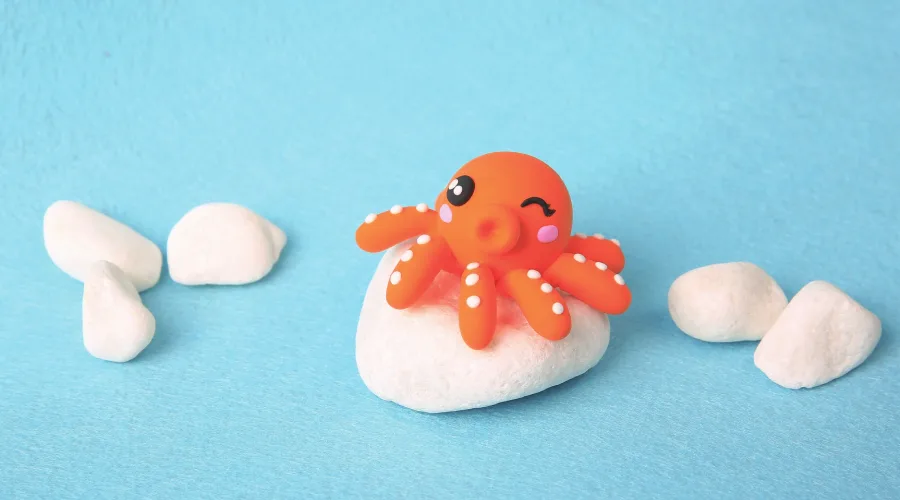
Miniature figures require careful selection of materials, as small details demand clays that hold shape, allow precision, and maintain durability. Choosing the right clay affects both sculpting experience and finished quality, making it essential for serious miniature modeling.
Miniature figures are small-scale sculptures often less than six inches tall, used in gaming, model displays, or collectible art. They require precise shaping and detail work, which means the clay must be soft enough to manipulate yet firm enough to maintain fine lines and small textures.
Creating facial expressions, clothing folds, or intricate accessories demands a material that responds predictably under hands and tools. Polymer clay, for instance, allows fine sculpting without crumbling, whereas air-dry clay may require reinforcement for delicate parts.
The choice of clay directly impacts the lifespan and realism of miniature figures. Clays with consistent polymer blends or high-quality modeling compounds resist cracking during baking or drying. This ensures delicate features, like fingers or armor edges, remain intact.
Durable clays also allow sanding, painting, or sealing post-hardening. Artists must balance pliability for shaping with hardness for finishing. Understanding these factors guides the selection between polymer clay, air-dry clay, or other modeling materials, ensuring miniature figures endure both handling and display.

Choosing the right clay affects the sculpting process and final durability of miniature figures. Different clays offer unique handling, curing, and finishing properties. Understanding these types helps artists match their materials to the level of detail, texture, and longevity required for each project.
Polymer clay is a popular choice for miniature figures due to its smooth texture, flexibility, and ability to hold fine details. It remains soft until baked, allowing precise sculpting of tiny features like facial expressions, clothing folds, and intricate accessories.
After baking, polymer clay becomes hard and durable, suitable for sanding, painting, and sealing. This makes it ideal for figures intended for display or long-term use. Its consistency also supports blending of colors and creating subtle gradients directly in the material.
Air dry clay does not require baking, curing naturally over several hours or days. It is lightweight and easy to mold, making it convenient for classrooms, beginners, or casual sculptors.
Though softer and less durable than polymer clay, air dry clay can be reinforced with wire or supports for delicate parts. It allows sanding and painting once dry but may be prone to minor cracks if handled roughly. Its natural texture often enhances the visual appeal of handcrafted miniatures.
Oil-based or non-drying modeling clays stay pliable indefinitely, ideal for iterative sculpting and experimentation. Artists can reshape figures multiple times without drying or cracking.
These clays do not harden unless baked or treated, so they are primarily used for prototypes, practice models, or reusable molds. Their smooth, consistent texture is excellent for testing details before committing to permanent materials like polymer or air dry clay.
The choice of clay impacts the sculpting experience and the final miniature’s quality. Artists must consider texture, drying behavior, and durability to achieve detailed, long-lasting figures. Selecting clay aligned with the project’s scale and intended use ensures better results.

Workability affects how easily the clay can be shaped into delicate features. Polymer clay offers a smooth, pliable texture that supports precise details like tiny hands or facial expressions. Air dry clay is softer but may need careful handling to avoid smudging fine lines.
Texture also influences finishing options. A smooth clay surface allows easier sanding, painting, and blending, while a slightly coarse clay may add natural-looking textures to clothing or skin. Artists should test small portions to ensure the clay responds well to tools and finger shaping.
Drying and curing determine when a figure becomes solid and stable. Polymer clay requires baking at low temperatures, locking in details and providing a durable finish. Air dry clay cures at room temperature but may shrink or crack if dried too quickly.
Understanding drying times helps plan layered constructions. Some clays allow partial drying, enabling artists to attach new sections without compromising stability. Monitoring humidity and handling during curing is essential for maintaining accuracy and proportion.
Durability is crucial if the miniature will be handled or displayed over time. Polymer clay hardens permanently, making it resistant to minor bumps and environmental changes. Air dry clay can be fragile, especially for thin parts, and may need sealing for protection.
Considering longevity guides the choice of clay for collectors, educational models, or functional figurines. Artists often balance the ease of shaping with the expected lifespan of the miniature, choosing materials that suit both short-term practice and long-term display.
Techniques determine how effectively artists can bring their miniature visions to life. Understanding hand shaping, tool usage, and layering helps in achieving precise proportions, textures, and structural integrity for small-scale figures.
Hand shaping remains fundamental for miniature sculpting. Rolling, pinching, and smoothing clay with fingers allows initial forms and proportions to take shape. Polymer clay’s softness supports detailed adjustments without cracking.
Air dry clay may require slightly firmer shaping to maintain stability. Practicing hand-shaping techniques builds familiarity with how the clay responds to pressure and movement, essential for delicate features.
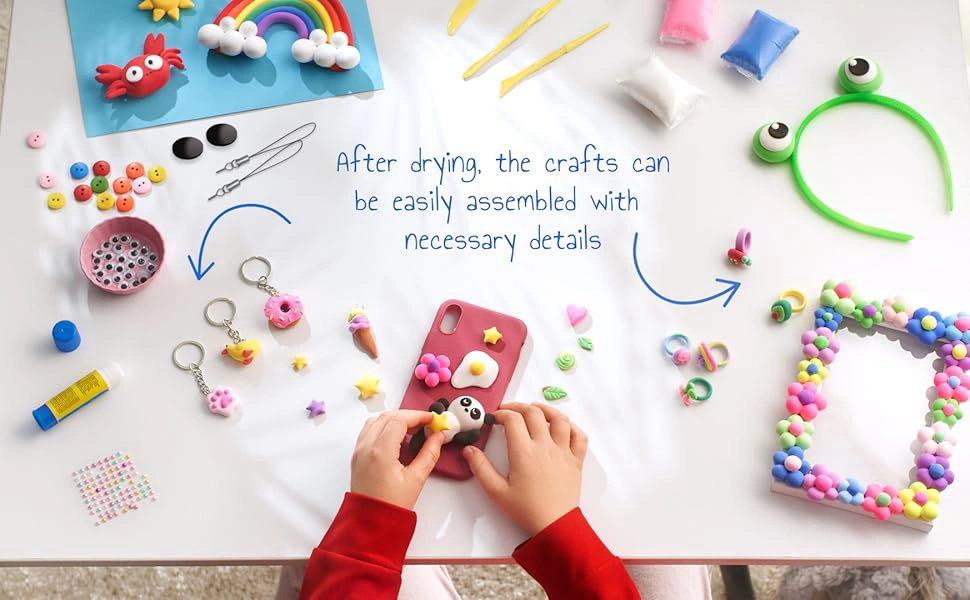
Specialized sculpting tools provide control over fine details that fingers alone cannot achieve. Needle tools, miniature spatulas, and silicone-tipped styluses help create textures, small creases, or intricate accessories.
Tools also assist in trimming excess clay, hollowing sections, and forming joints. Understanding the right tool for each task prevents deformation and improves overall accuracy in miniature figures.
Layering clay is vital for complex miniatures. Artists can build tiny limbs, clothing folds, or facial features gradually, ensuring stability and detail. Polymer clay layers can be slightly pressed to fuse before baking.
Air dry clay requires careful attachment of successive layers to avoid cracks. Structuring miniature parts in stages allows for corrections and enhances the final figure’s realism, proportion, and overall visual appeal.
Finishing miniatures enhances both aesthetics and durability. Proper surface preparation, paint choice, and sealing techniques influence the clarity of details and longevity of polymer or air dry clay figures. These steps help preserve tiny features while allowing creative expression.
Before painting, the clay surface must be smooth and clean. Polymer clay can be lightly sanded after baking to remove fingerprints or rough patches, while air dry clay may benefit from gentle sanding and ensuring it is fully dry.
Surface priming improves paint adhesion and prevents color absorption. A thin layer of water-based primer or gesso ensures even coverage, allowing paints to enhance textures without obscuring fine sculpted details.
Acrylic paints are widely preferred for miniature figures due to fast drying times and compatibility with most clays. Water-based paints work well on air dry clay, but careful layering is required to avoid cracking.
Sealants protect the painted figure from wear and moisture. Matte, satin, or glossy finishes can be chosen based on the desired look, ensuring small features remain intact and colors retain vibrancy over time.
Techniques like dry brushing, layering, and washes bring depth and realism to miniature figures. Highlighting raised areas and shading recesses enhance three-dimensional effects, especially on clothing folds or facial expressions.
Small accessories and textures can be accentuated with fine brushes or sponges. Precision and patience are key, as miniature scales magnify even minor imperfections in color or shading.
Safety is crucial when selecting clay for children or prolonged crafting. Understanding ingredient composition, avoiding harmful additives, and choosing non-toxic products ensures a safe, enjoyable experience for all ages.
Polymer clay is generally safe for adults, but certain brands offer non-toxic formulations suitable for older children. Air dry clays and modeling clays are often labeled non-toxic, making them ideal for classroom or at-home projects.
Supervision is advised for young children to prevent ingestion. Labels and safety data sheets should always be reviewed to confirm suitability for intended users.
Avoid clay containing phthalates, heavy metals, or strong solvents. Even air dry and polymer clays can contain additives for texture or preservation, so selecting certified non-toxic brands reduces health risks.
When painting or sealing miniatures, using water-based, low-VOC products minimizes exposure to fumes. Proper ventilation and handwashing after handling are recommended for both children and adults.
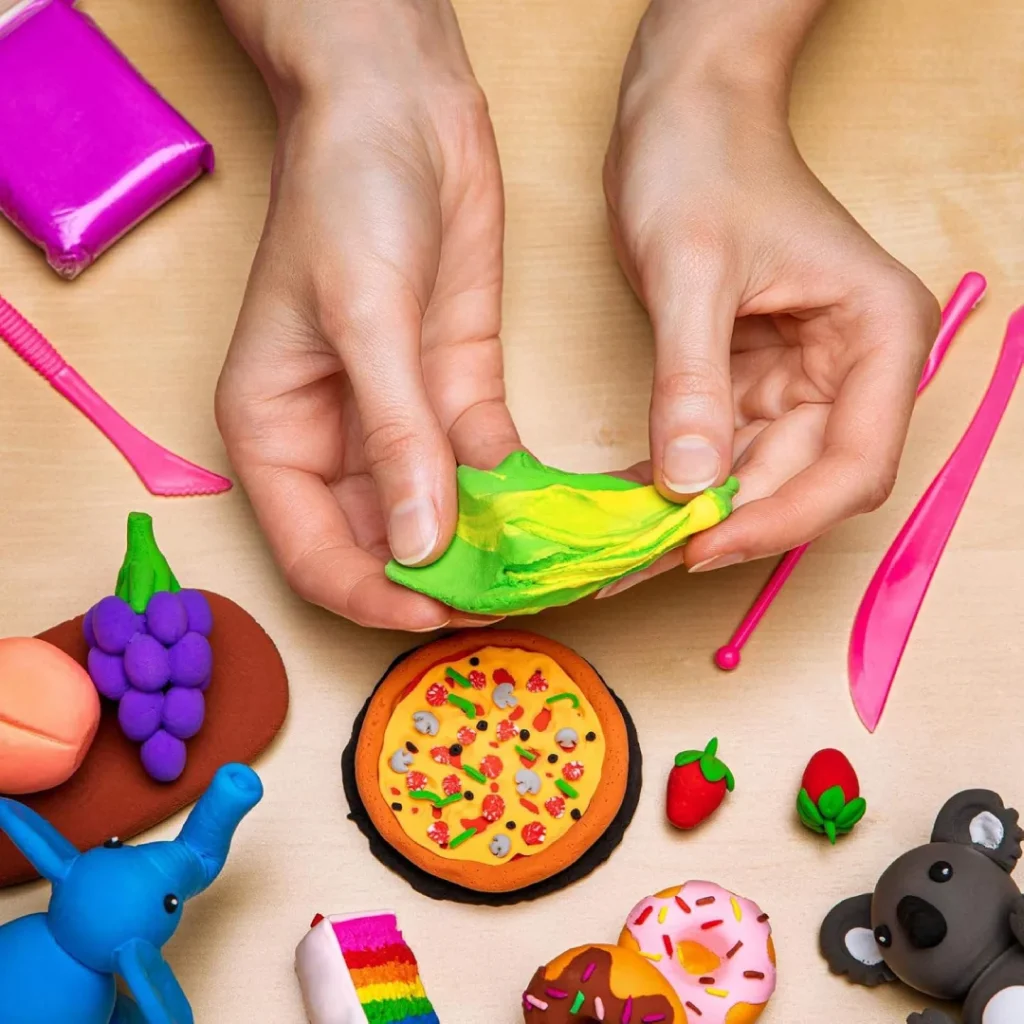
Proper storage prolongs the usability of clay and prevents unwanted damage. Each clay type, whether polymer, air dry, or oil-based, has specific storage requirements to maintain texture and pliability for future projects.
Polymer clay should be kept in airtight containers at room temperature to prevent drying or hardening. Air dry clay must be sealed and used promptly, as exposure to air causes gradual hardening.
Labeling containers with clay type and date of opening helps track freshness. Small portions can be stored separately to avoid contaminating the remaining clay with dust or debris.
Maintaining humidity is crucial for clay like air dry or modeling clay. Wrapping in plastic wrap or placing in sealed bags helps preserve moisture. Avoid stacking heavy objects on stored clay to prevent deformation.
Periodic kneading of polymer clay keeps it soft and workable. Temperature control is important; polymer clay should not be left in extreme heat, which can accelerate curing or cause brittleness.
Starting with miniature clay figures can be enjoyable when approached methodically. Understanding the properties of your chosen clay, having the right tools, and setting realistic expectations help reduce frustration.
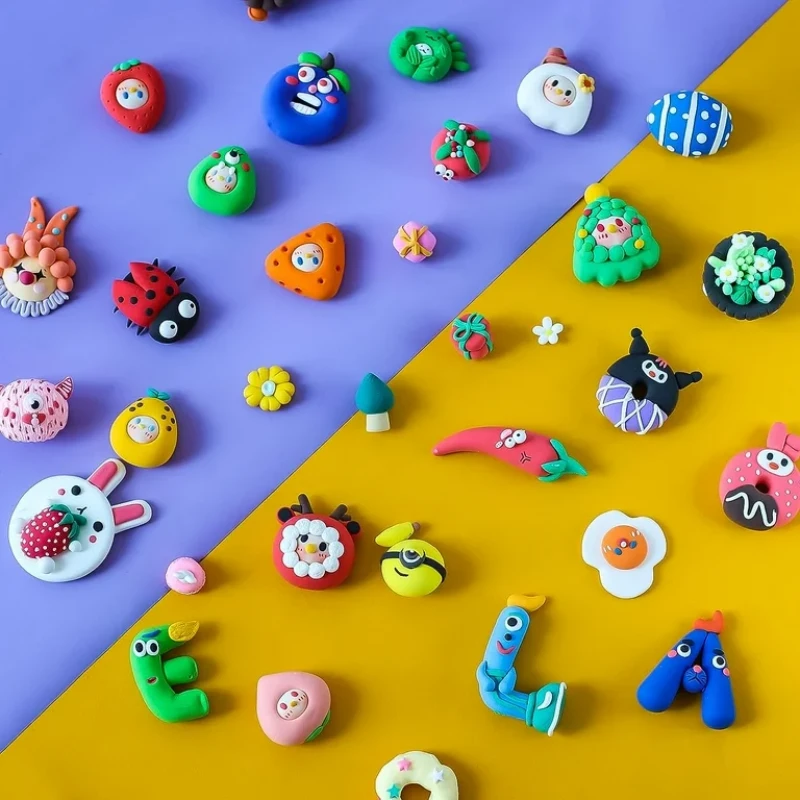
Beginners may prefer soft, pliable clays such as air dry or low-strength polymer clays. Advanced users often explore firmer polymer clays, which hold fine details but require more precision and control.
Selecting clay also depends on the type of miniature figure. Simple figures may not need high-detail clay, while complex characters with tiny features benefit from clays designed for precision sculpting.
Starting with small practice pieces helps develop control. Rolling, pinching, and basic shaping exercises improve hand-eye coordination before attempting complex figures.
Patience is key. Mistakes are part of learning, and practicing layering, texturing, and proportioning in a low-stakes setting reduces stress when working on final pieces.
A dedicated workspace with good lighting and accessible tools streamlines miniature sculpting. Trays, mats, and containers help organize small clay pieces and prevent loss or contamination.
Keeping water, soft brushes, and fine sculpting tools nearby supports clean, efficient work. Ergonomic seating and proper hand positioning reduce fatigue during detailed sessions.
Professional miniature sculptors combine skill, material knowledge, and innovative techniques to create highly detailed figures. Advanced strategies enhance precision, realism, and overall figure quality.
Micro-sculpting requires fine tools like needle tools, micro-spatulas, and silicone shapers. Tiny eyes, noses, and expressions are built gradually, often using magnification for accuracy.
Layering textures and subtle indentations adds realism to hair, clothing, or skin details. Consistent lighting while sculpting ensures shadows and highlights appear correctly on finished pieces.
Using multiple clay types allows sculptors to exploit each material’s strengths. Polymer clay can form rigid bases, while air dry clay adds texture or softer elements.
Proper adhesion between different clays requires careful surface preparation and compatibility checks. This approach expands creative possibilities for mixed media miniature figures.
Minor errors can be corrected by gently reheating polymer clay or blending new clay into air dry pieces. Sanding and repainting enhance the appearance without compromising stability.
Professional sculptors often maintain a small toolkit for touch-ups, including fine sandpaper, sculpting tools, and specialized paints. These tools help refine details and restore figure integrity.

Miniature figure sculpting thrives on choosing the right clay, mastering techniques, and maintaining materials. Understanding polymer, air dry, and modeling clays ensures precision, creativity, and lasting, detailed creations for hobbyists and professionals alike.
Learn how packaging affects air dry clay shelf life, moisture retention, product quality, and shipping performance, with practical tips for toy brands.
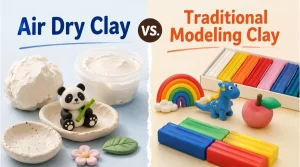
Choosing between air dry clay and modeling clay depends on the activity goal. Explore their features, uses, and selection tips in this complete guide.

Understand the science behind eco-friendly air dry clay, including material selection, production difficulties, and the future of sustainable toy materials.

Find out why parents and educators prefer DIY craft kits that encourage hands-on learning, independent creativity, and skill development.