Factory Price vs. Landed Cost: What Toy Buyers Need to Know
Why is the cheapest toy factory not always the best choice? Learn to compare factory prices, shipping fees, import duties, and landed costs.
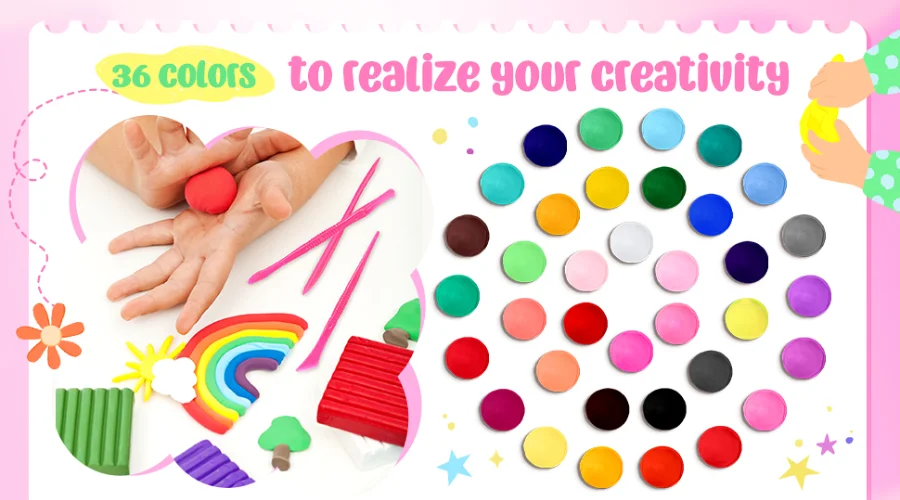
Art and craft are fundamental components of childhood learning. Activities like air dry clay modeling, playdough shaping, slime exploration, and sensory sand play provide hands-on experiences that go beyond traditional lessons. These creative exercises engage children physically, cognitively, and socially, making them central to modern educational practices.
Art and craft education helps children connect ideas, explore materials safely, and develop an understanding of textures, colors, and structures. Even simple exercises with playdough or clay can support planning, sequencing, and observation skills that relate directly to broader learning goals.
Art and craft activities are structured or free-form exercises designed to let children create with materials like air dry clay, slime, and sensory sand. These exercises may include modeling, drawing, assembling, or experimenting with textures.
Such activities promote engagement through touch and sight, encouraging problem-solving and experimentation. Even when children mix colors in slime or shape playdough, they are learning about cause-and-effect, coordination, and creativity simultaneously.
Historically, arts education has been part of schools to encourage imagination, cultural awareness, and personal expression. Over decades, researchers found that incorporating tactile materials improves cognitive and emotional development in young learners (Winner, 2001).
Modern classrooms now blend traditional drawing and painting with materials like air dry clay, slime, and sensory sand. This evolution supports hands-on learning, reflecting a scientific understanding of child development and how sensory-rich activities foster better engagement and memory retention.
Art and craft activities support cognitive development by engaging multiple brain areas at once. Using air dry clay, playdough, slime, and sensory sand, children explore shapes, textures, and colors while making decisions. These hands-on experiences stimulate thinking, planning, and concentration, showing why creative play is crucial in education.
Even simple projects, like shaping figures from clay or layering colors in slime, challenge children to think ahead, predict outcomes, and adjust strategies. These cognitive exercises reinforce neural pathways linked to problem-solving, attention, and memory.

Art and craft naturally present challenges. When children build structures from air dry clay or mold complex forms from playdough, they learn trial and error, spatial reasoning, and adaptive thinking.
Problem-solving extends to planning the steps of a project, mixing colors, or managing sensory sand without making a mess. Each choice engages logical reasoning and decision-making, reinforcing essential cognitive skills.
Manipulating materials like slime or sensory sand requires sustained attention. Following patterns, remembering sequences, and completing multi-step projects strengthen working memory.
Hands-on tasks also improve focus by integrating sensory feedback with visual and motor input. The repetitive motions of rolling clay or kneading playdough help children concentrate, improving their ability to sustain attention on academic tasks.
Art and craft activities are not just cognitive tools—they deeply influence emotional and social growth. Engaging with air dry clay, playdough, slime, and sensory sand allows children to express feelings safely and explore personal creativity. These activities encourage emotional awareness and resilience, showing why creative play is essential in education.
Through repeated practice, children learn to manage frustration, celebrate small achievements, and gain confidence in their abilities. Creative play helps them understand emotions, both their own and others’, providing a foundation for empathy and social intelligence.
Hands-on materials like air dry clay or slime give children freedom to create without strict rules. Completing a sculpture, forming shapes in playdough, or experimenting with sensory sand reinforces a sense of accomplishment.
This success encourages self-expression, as children feel safe to share ideas and personal stories through their creations. Confidence grows as they see their concepts take shape and are recognized by peers or teachers.
Group art and craft sessions foster teamwork and conversation. When children work together on slime textures or collaborative clay projects, they learn to negotiate, share tools, and plan collectively.
This collaborative environment improves communication skills, patience, and problem-solving as a team. It also teaches respect for others’ ideas while strengthening social bonds through shared creative experiences.
Art and craft activities play a key role in developing fine motor skills in children. Using materials like air dry modeling clay, playdough, and slime, children practice pinching, rolling, squeezing, and shaping. These repetitive motions strengthen hand muscles and improve control, which are essential for writing, cutting, and other daily tasks.
Such activities provide both tactile and visual feedback, helping children refine their motor planning. Engaging with sensory sand or textured clay further enhances tactile sensitivity, contributing to overall physical coordination and dexterity.
Shaping clay or kneading playdough requires precise finger movements. Each pinch, roll, or pull challenges small hand muscles and develops strength. Slime stretching adds resistance training for fingers, improving grip and flexibility.
Even experimenting with layered clay designs or creating textures in slime involves planning hand movements, strengthening fine motor memory. Over time, these activities enhance skill control and hand endurance in young learners.
Art and craft projects improve hand-eye coordination by connecting visual observation with motor action. Placing beads in clay, sculpting detailed shapes, or smoothing slime requires careful visual guidance.
Dexterity improves as children practice precise motions repeatedly. These skills transfer to tasks like writing, using scissors, and other classroom activities, making art and craft a critical component of physical development in education.
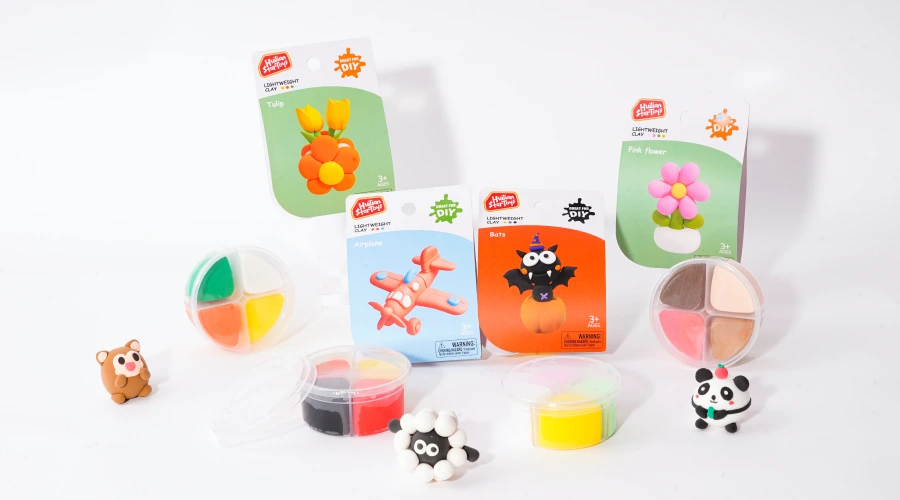
Sensory play is a vital part of early education, allowing children to explore textures, shapes, and materials. Using sensory sand, slime, air dry clay, and textured tools, children gain hands-on experiences that stimulate multiple senses. These activities support cognitive, emotional, and motor development simultaneously.
Through tactile exploration, children learn about cause-and-effect relationships and develop observational skills. Sensory play also encourages curiosity, problem-solving, and creativity, making it a powerful complement to traditional classroom learning.
Materials like sensory sand and slime engage children’s sense of touch, improving focus and attention. Manipulating textures in playdough or clay enhances tactile perception while supporting fine motor strength.
These hands-on experiences provide immediate sensory feedback, helping children understand textures, pressures, and resistance. Over time, repeated exploration improves coordination, patience, and spatial awareness.
Teachers can incorporate sensory materials into lessons by combining play with academic concepts. For example, shaping letters in playdough, measuring sand for math exercises, or creating clay models for science helps link tactile learning to curriculum goals.
This approach ensures that sensory activities are purposeful and structured, reinforcing concepts while keeping students engaged. Integrating tactile exploration fosters active learning and encourages children to connect ideas with real-world materials.
Art and craft activities provide a platform for children to explore imagination without limits. Materials like air dry clay, playdough, slime, and sensory sand allow for open-ended creation, letting children test ideas, experiment, and innovate freely. This freedom is essential for developing flexible thinking and original ideas.
Through creative exploration, children learn that there is no single correct outcome. This mindset fosters resilience, encourages risk-taking in a safe environment, and builds confidence in their problem-solving abilities.
Projects that don’t have a fixed goal, such as sculpting with clay or shaping forms in slime, encourage experimentation. Children decide what to create, how to combine textures, and how to solve construction challenges on their own.
Open-ended tasks strengthen imagination, planning, and creative problem-solving. Each child’s approach can differ, demonstrating that innovation often comes from exploration and playful experimentation rather than strict instruction.
Art and craft also supports narrative thinking. Children can turn playdough figures or clay creations into characters, building stories around their shapes. Sensory sand scenes or slime textures can become imaginative worlds for role play.
This type of creative storytelling improves verbal skills, sequencing, and emotional expression. By linking tactile activities to imagination, children enhance cognitive and social abilities while having meaningful, playful experiences.
Art and craft can be seamlessly integrated into academic subjects to enhance learning. Using materials like air dry clay, playdough, slime, and sensory sand, children can explore math, science, and literacy concepts through hands-on creation. This approach connects abstract ideas to tangible experiences.
Cross-disciplinary projects make lessons memorable, allowing children to experiment while reinforcing core skills. By engaging multiple senses, students can internalize concepts more effectively and develop a deeper understanding of the curriculum.
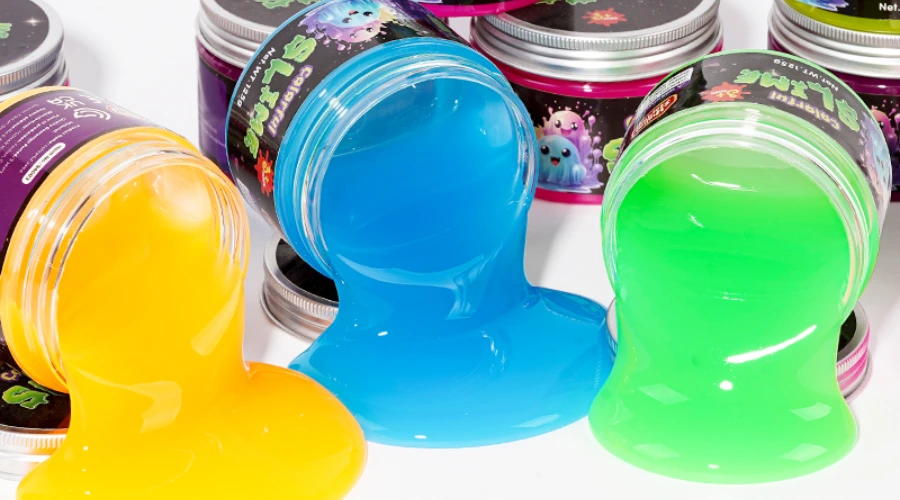
Mathematical skills can be developed by measuring clay portions, counting beads, or arranging shapes in patterns. Science concepts, like states of matter, can be explored through slime textures or clay drying processes.
Literacy is reinforced when children describe their creations, tell stories, or follow instructions for projects. This multi-sensory integration bridges the gap between creative play and academic understanding, supporting holistic development.
Teachers can design projects where children build models of geometric shapes from clay or demonstrate plant growth with sensory sand experiments. Story-based craft activities allow children to illustrate scenes from books using playdough or other tactile materials.
These activities reinforce learning objectives while keeping children engaged. Creative expression becomes a tool for understanding, memory retention, and skill application in real-world contexts, demonstrating the educational value of art and craft.
Effective art and craft activities require careful planning and material selection. Using age-appropriate tools like air dry clay, playdough, slime, and sensory sand ensures safety and engagement. Educators must consider developmental stages, fine motor skills, and attention spans when introducing creative projects.
Structuring lessons thoughtfully helps maintain focus and maximizes learning outcomes. Activities should balance guidance with creative freedom, allowing children to explore while meeting educational objectives.
Younger children benefit from soft, pliable materials like playdough or slime, which are easy to shape and safe to handle. Older children can work with air dry clay, modeling tools, or textured sensory materials to create more detailed projects.
Considering safety, non-toxicity, and ease of use ensures materials are appropriate for classroom settings. Matching materials to developmental stages supports skill progression and maintains children’s interest and motivation.
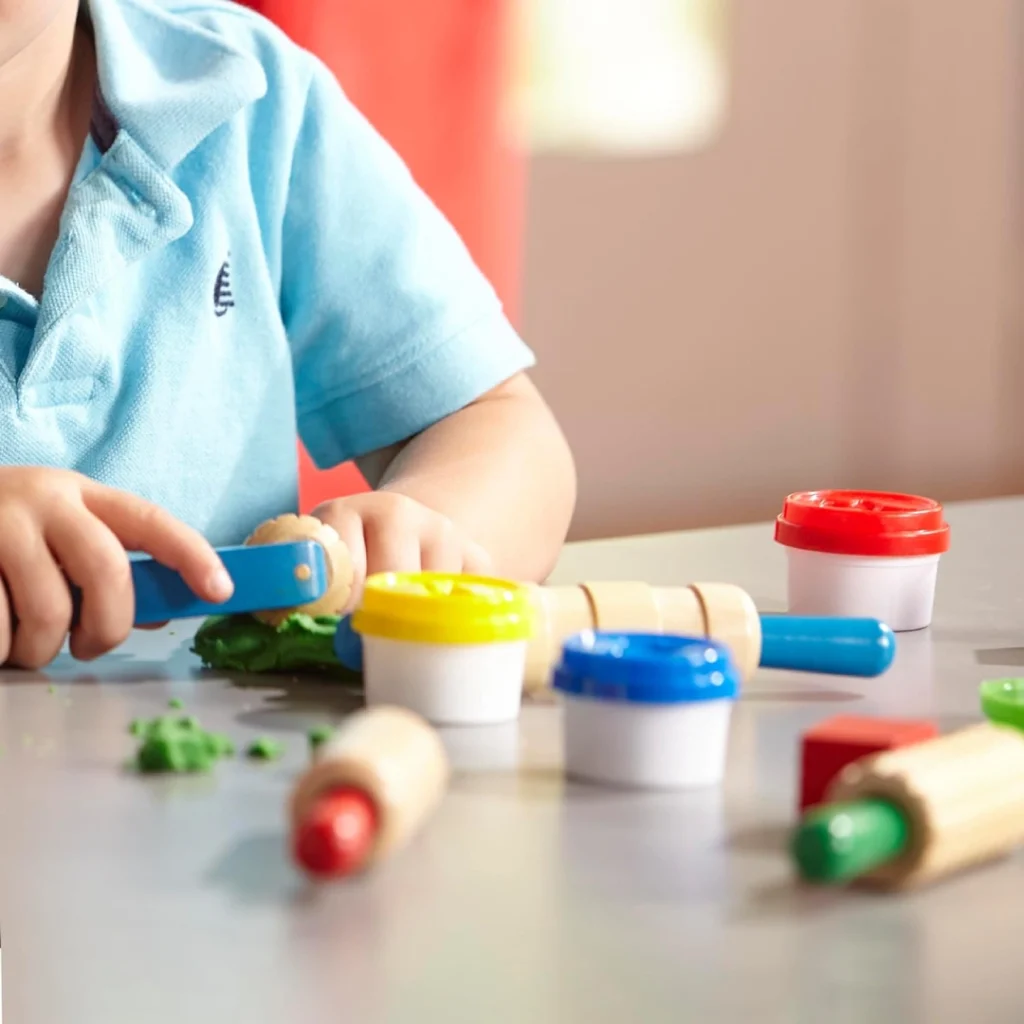
Activities should be broken into clear, manageable steps, providing guidance while allowing room for creativity. For example, a teacher can demonstrate techniques with clay or slime before letting students experiment independently.
Incorporating short, varied tasks keeps children focused and reduces frustration. Group projects encourage collaboration, while solo challenges support self-expression and skill mastery, ensuring art and craft time is both educational and enjoyable.
Modern classrooms use a variety of hands-on materials to engage children in meaningful learning. Tools like air dry modeling clay, playdough, slime, and sensory sand allow students to explore textures, shapes, and colors while developing fine motor and cognitive skills.
These materials offer flexibility in lessons, supporting both structured and open-ended activities. By incorporating tactile experiences, educators can make learning more memorable and enjoyable while addressing multiple developmental domains.
Air dry clay allows children to create durable models, helping them plan, shape, and refine their projects over time. Playdough and slime provide pliable, safe options for tactile exploration, supporting creativity and problem-solving in real time.
These materials also encourage experimentation, as students can mix colors, test textures, or manipulate forms. They are excellent tools for teaching both artistic and academic concepts while enhancing focus, patience, and dexterity.

Sensory sand and other textured materials engage touch and sight, offering opportunities for imaginative play and exploration. Children can build landscapes, trace letters, or create patterns that reinforce learning objectives in math, science, and literacy.
Using a variety of hands-on tools helps accommodate different learning styles. Sensory-rich materials encourage curiosity, support emotional regulation, and allow children to connect abstract ideas with concrete experiences.
While art and craft activities are highly beneficial, educators must consider safety, allergies, and the suitability of materials. Items like air dry clay, slime, playdough, and sensory sand should be non-toxic and appropriate for children’s age and abilities. Careful planning ensures a safe, inclusive, and productive environment.
Balancing structured guidance with creative freedom is another challenge. Children need direction to learn skills effectively but also require opportunities to explore and express themselves without strict limitations.
Teachers should check ingredients in materials such as clay, slime, and sensory sand for common allergens or irritants. Gloves, aprons, and proper handwashing can prevent reactions and maintain a hygienic workspace.
Providing age-appropriate tools and supervising activities closely reduces risk. Safety considerations also extend to the classroom environment, including proper storage, cleanup, and the avoidance of small parts that may pose choking hazards.
Structured instructions help children understand techniques, follow steps, and achieve specific learning goals. For example, demonstrating clay shaping or slime mixing before independent exploration guides learning effectively.
Creative freedom allows students to personalize projects, test ideas, and experiment with textures or forms. Striking a balance ensures children gain skills while fostering confidence, innovation, and a sense of ownership in their work.
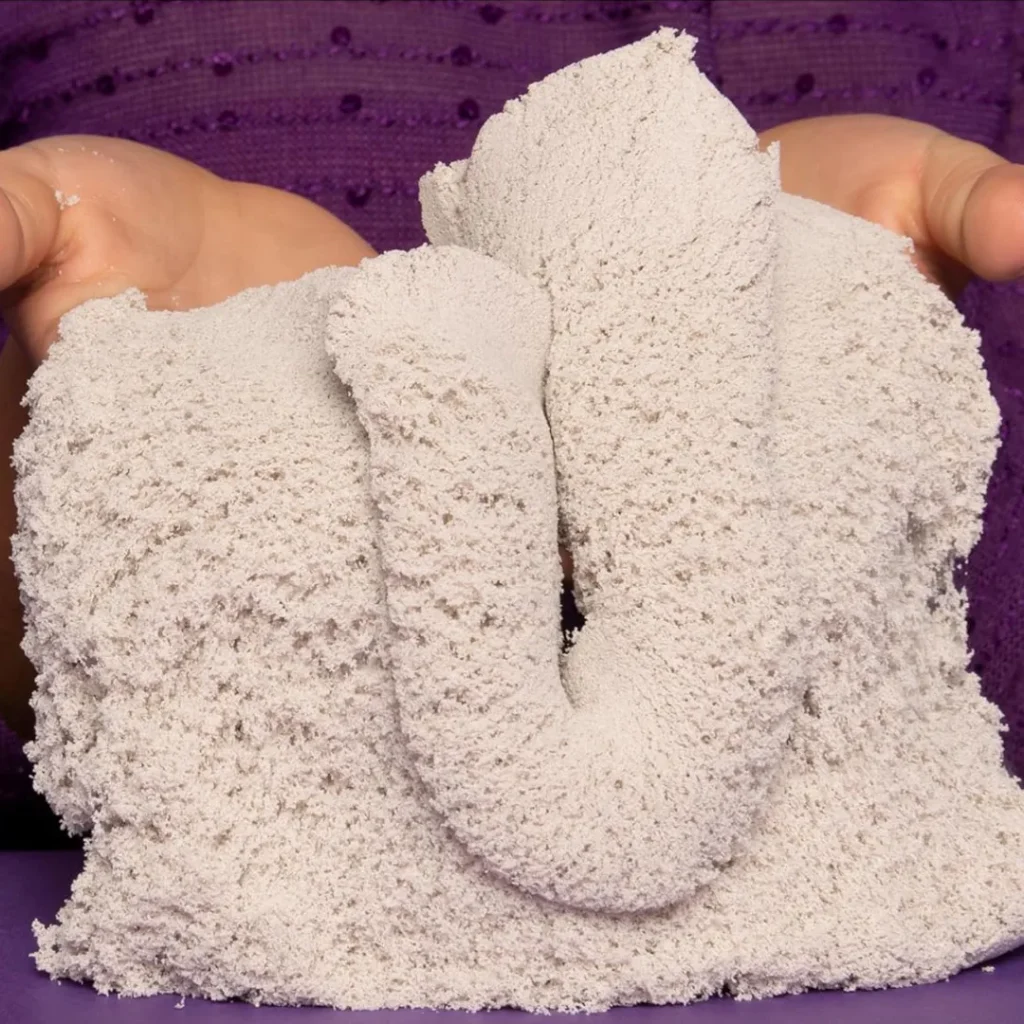
Art and craft activities play a vital role in education, supporting cognitive, emotional, and physical development. Tools like air dry clay, playdough, slime, and sensory sand engage children’s creativity while reinforcing academic and social skills. Integrating hands-on projects fosters lifelong learning, imagination, and problem-solving abilities.
Why is the cheapest toy factory not always the best choice? Learn to compare factory prices, shipping fees, import duties, and landed costs.

A practical guide to toy manufacturing in China for US buyers, covering production processes, ASTM F963, CPSIA, quality control, costs, and logistics.

Learn how screen-free play creates opportunities for toy brands and why sensory products like playdough, clay, slime, and kinetic sand are a strong product fit.

Improve kids toy sales with packaging tips that communicate safety, benefits, and product experience for online shoppers.