
Slime Packaging Guide: Jars, Tubs, Cups, and Custom Containers
Compare slime jars, tubs, cups, and custom containers to find the right packaging for your product, budget, target market, and shipping needs.
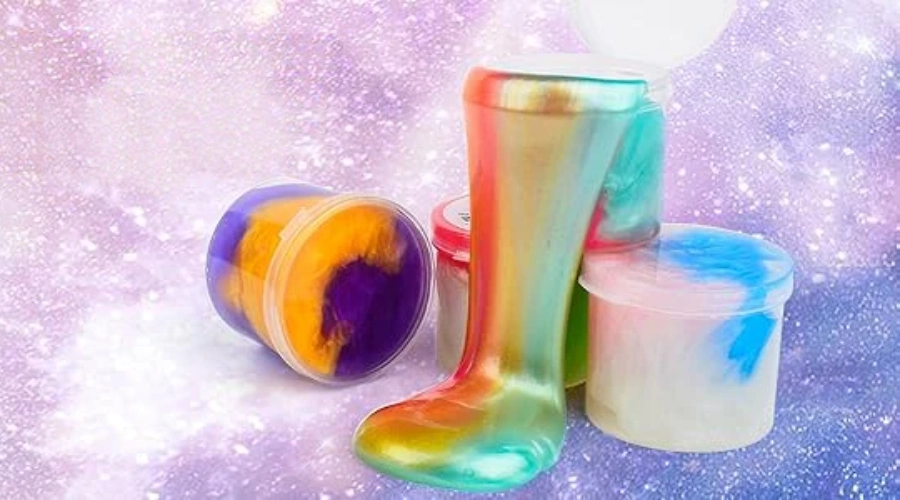
Thermochromic slime is a scientific twist on the classic stretchable toy. It changes color when exposed to different temperatures, blending chemistry with play. This unique slime reacts to body heat, warm water, or even sunlight, revealing shifting shades that look almost alive. The secret lies in special pigments that respond to temperature changes, creating an experience that feels part science experiment, part sensory exploration.
Thermochromic materials are substances that shift color when their temperature changes. This reaction happens because heat alters the way molecules absorb and reflect light. In most cases, these materials use leuco dyes or liquid crystals that can switch between two or more visible states.
In the world of slime, these pigments are mixed into the base formula so the entire batch becomes sensitive to touch and warmth. When you press your fingers into it, the color fades or brightens, depending on the direction of the temperature shift. It’s chemistry in motion — visible, tactile, and strangely satisfying to watch unfold.
Slime provides the perfect base for thermochromic pigments because of its flexible and moist texture. The slime’s polymer network traps pigment particles evenly, allowing smooth and consistent color changes across the surface. Its viscosity ensures that the reaction doesn’t happen too fast, giving a gradual and observable effect.
Think of it as a moving canvas — every stretch and twist brings a new gradient of color. The temperature from your hands or the air influences how quickly it transforms. This makes thermochromic slime not only visually engaging but also a practical way to study thermal reactions in a hands-on setting.
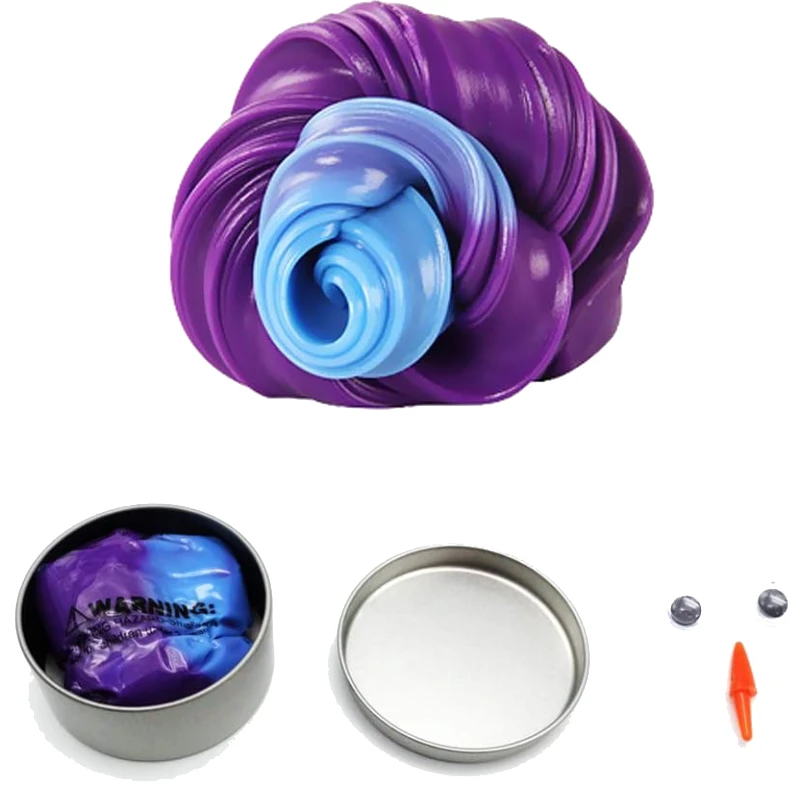
Regular slime stays the same color no matter how much it’s stretched or squeezed. Glitter slime adds sparkle, but it’s purely decorative. Thermochromic slime, on the other hand, reacts to environmental changes, making it more interactive. It transforms its appearance based on real-world physical principles.
For example, a bright red slime might turn yellow when warmed or shift back to red as it cools. This reversible process sets it apart from other sensory materials. It bridges art and science, showing that play materials can also serve as educational tools for understanding how matter behaves under heat.
Behind the color-shifting magic of thermochromic slime lies real chemistry. Its changing hues come from special compounds that react to temperature. When heated or cooled, these materials adjust how they absorb and reflect light. What seems like a playful trick is, in fact, a clear example of how molecules respond to environmental changes in the physical world.
Temperature is the main switch in thermochromic reactions. When slime warms up, the added energy makes certain molecules move faster and change structure. This structural shift alters how light waves bounce off the surface, producing a visible color change.
For instance, at lower temperatures, pigment molecules may form a structure that reflects red light, but when heated, that same structure might rearrange to reflect yellow or orange. The process doesn’t create new substances — it’s simply a physical transformation that plays out at the molecular level. It’s a real-time display of thermodynamics that anyone can touch.
Two main pigment types give thermochromic slime its reactive power: leuco dyes and liquid crystals. Leuco dyes are common in most commercial versions because they’re stable and easy to mix with slime polymers. They rely on a reversible chemical balance between colored and colorless forms, triggered by heat.
Liquid crystals, on the other hand, work through a more delicate mechanism. Their molecular alignment changes with temperature, bending light differently. This creates smoother and sometimes more complex color transitions — think shimmering blues turning to greens, like a subtle chameleon effect. The slime acts as a soft matrix that holds these structures in place while still allowing them to move freely enough to respond to heat.
One of the most fascinating aspects of thermochromic slime is that the color change can reverse once the temperature returns to normal. This happens because the molecular structure relaxes back to its original state when the energy level drops. That’s why the same batch of slime can change shades again and again without losing its function.
However, the process has limits. Extended exposure to high heat or sunlight can break down the pigment molecules, making them fade or stop reacting. Over time, the dyes may lose sensitivity or permanently shift color. It’s a small reminder that even playful chemistry follows the same natural rules of molecular stability and degradation that govern all materials.
Thermochromic toys didn’t appear overnight — they evolved from decades of scientific curiosity and material innovation. What started as a novelty in jewelry and textiles slowly entered classrooms and playrooms. This shift from fashion to fun marked a turning point in how people interacted with color, temperature, and touch.
The story begins in the 1970s with the invention of the mood ring. Using thermochromic liquid crystals, the ring’s color would shift with the wearer’s body heat, supposedly revealing emotions. Though more symbolic than scientific, it captured public imagination and introduced many to the idea of temperature-sensitive materials.
As research advanced, thermochromic pigments became more reliable and accessible. Artists began experimenting with color-changing paints, and toy designers soon followed. Over time, the same principles used in mood rings inspired playful materials that reacted in the hands of children — not to emotions, but to real physical change.
By the 1990s and early 2000s, thermochromic technology had matured enough for safe use in toys. It appeared in color-changing cars, dolls’ hair, and even bath products. The science behind it stayed the same, but the focus shifted toward safety, durability, and tactile experience.
Toy engineers began integrating thermochromic dyes into soft, flexible materials that could handle frequent handling. This made them ideal for sensory-based play. With improved non-toxic formulations and heat stability, thermochromic toys became both educational and engaging — a balance that appealed to parents and teachers as much as to children.
Then came slime — the perfect fusion of chemistry, texture, and color. Its stretchy, responsive nature allowed thermochromic pigments to perform visibly and repeatedly. Unlike hard plastic or fabric, slime could be warmed by touch alone, making the color change immediate and interactive.
Children quickly discovered how their own body heat could turn a deep blue blob into a glowing pink one. The experience wasn’t just fun — it was a mini science lesson in thermal energy and molecular motion. In classrooms, teachers found it a useful way to explain states of matter and reversible reactions.
In many ways, thermochromic slime marked the peak of “playful science.” It showed that chemistry could be held, stretched, and molded — that science wasn’t something distant, but something kids could literally get their hands on.
Thermochromic slime stands out not only because it changes color, but because it engages multiple senses at once. Its texture, temperature, and shifting hues combine to form an experience that’s both entertaining and educational. In sensory play, such stimulation helps children connect physical sensations with observable science — a rare and valuable link.
When a child presses their hands into thermochromic slime, they’re doing more than just playing. They’re triggering a physical reaction between skin warmth and color pigments. The soft, elastic feel gives immediate tactile feedback, while the shifting color provides a visible signal that something chemical — and reversible — is happening.
This multisensory experience helps children understand cause and effect. They can see the results of their actions without needing technical explanation. For example, a blob turning from purple to pink tells them that temperature can change material properties. Over time, these hands-on discoveries build early interest in science and problem-solving.
Color plays a powerful role in attention and engagement. When slime changes color, the transformation captures a child’s focus almost instantly. The unpredictability — watching a shade fade, mix, or reappear — keeps their curiosity alive. It turns learning into a game of discovery rather than memorization.
Teachers and parents often notice that children handling thermochromic slime tend to concentrate longer. The act of waiting for a color shift requires observation and patience, two key skills in scientific thinking. Even simple experiments, like comparing warm and cold surfaces, help reinforce this connection between play and inquiry.
Thermochromic slime fits perfectly into early STEM (Science, Technology, Engineering, and Math) education. It offers a simple, safe way to demonstrate how temperature affects molecular structure and color perception. For young learners, this tactile introduction to chemistry is far more memorable than reading about heat reactions in a book.
Educators use slime to illustrate reversible changes — a fundamental idea in chemistry. When the slime cools and returns to its original color, children grasp that not all changes are permanent. This builds a foundation for later concepts like states of matter, energy transfer, and reaction balance — all through playful experimentation.

Behind the fun of thermochromic slime lies careful chemistry. Each color-changing effect depends on the right mix of pigments, polymers, and stabilizers. For a slime to be both safe and reliable, every ingredient — from dyes to thickeners — must meet strict safety and balance requirements. This scientific precision ensures that what feels like magic in a child’s hands is actually a well-engineered material.
Thermochromic pigments are the secret behind slime’s shifting colors. They’re usually made from microencapsulated dyes called leuco dyes. These dyes react to temperature changes by rearranging their chemical structure, which alters how they reflect light — and thus, what color we see.
In toy-grade products, these pigments are bound inside safe polymer capsules. This keeps them from leaking or reacting directly with skin. Non-toxic certification standards, such as ASTM F963 and EN71, require pigments to be free from heavy metals, BPA, and harmful solvents. As a result, modern thermochromic slimes can safely be handled by children without risk of irritation or exposure.
A good thermochromic slime depends on more than just pigments — it relies on a balanced polymer base. Most slimes are made using polyvinyl alcohol (PVA), borate-based crosslinkers, and water. These ingredients form the stretchy, gel-like texture that holds the pigment particles in place while allowing heat to transfer through.
Maintaining the right pH is also crucial. If the slime becomes too acidic or too basic, the pigments can degrade, and the texture can change. Manufacturers often adjust formulas to keep them near neutral (around pH 7). This helps preserve the slime’s color-changing ability while ensuring it remains gentle on the skin.
To keep thermochromic slime both fun and durable, manufacturers test it under various temperature and storage conditions. These tests confirm that the color shifts remain consistent and reversible. Stabilizers are sometimes added to prevent pigment fading or polymer breakdown caused by light exposure or repeated heating.
Quality control also includes microbial testing. Since slime contains water, it can grow bacteria if not formulated correctly. To avoid this, safe preservatives are used — often in very small amounts — to extend shelf life. Together, these measures ensure that thermochromic slime not only amazes kids but also meets international toy safety standards.

Thermochromic slime reacts to heat in fascinating ways, but the science behind those color shifts is quite precise. Every formula has a unique “transition temperature” — the point at which the pigment molecules rearrange and change color. Small changes in temperature, even a few degrees, can make a big difference in how the slime looks and feels.
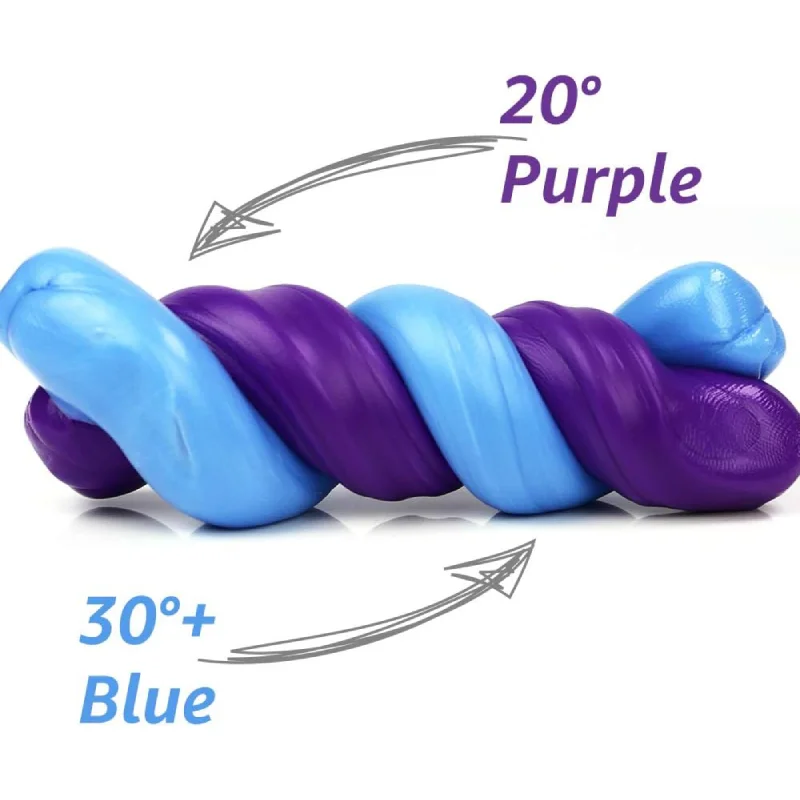
When thermochromic slime warms up, either from body heat or the surrounding air, its pigments reach a transition point. At this temperature — often between 77°F and 95°F (25°C to 35°C) — the molecular structure of the leuco dye changes, altering how it absorbs and reflects light. For example, a purple slime may turn pink or clear once it reaches this range.
In colder environments, the process reverses. The molecules return to their original arrangement, restoring the darker hue. This reversible effect allows the same slime to shift colors multiple times without losing its function, though repeated exposure to extreme temperatures may slowly weaken the pigments over time.
Not all thermochromic slimes respond at the same rate. The reaction speed depends on factors like the thickness of the slime, the concentration of pigment, and the evenness of mixing. A thicker slime insulates heat more, so it may take longer for color to change fully.
Brightness is also affected by lighting and background contrast. Under strong natural light, color shifts appear more vivid. However, pigments can fade with overexposure to UV rays or high heat. That’s why well-formulated thermochromic slime often includes UV stabilizers to maintain its color strength even after repeated use.
A frequent misunderstanding about thermochromic slime is that its colors “wear out” or “expire.” In truth, the pigment doesn’t disappear — it simply loses sensitivity after many thermal cycles or if exposed to light for too long. The chemical bonds inside the dye weaken, causing less distinct transitions.
Another misconception is that the color change indicates spoilage or chemical reaction with the user’s skin. In reality, the process is purely physical, driven by temperature differences rather than chemical changes. With proper storage — cool, dry, and away from direct sunlight — thermochromic slime can retain its color-changing ability for months or even longer.
Thermochromic slime stands out in the world of sensory play because it combines texture, temperature, and visual feedback in one form. While regular slime offers tactile fun, color-changing slime introduces a deeper layer of interaction — making it both entertaining and educational.
Regular slime mainly focuses on texture — its stretchiness, squishiness, and resistance. Thermochromic slime, however, adds a visual element: it changes color depending on heat. This dynamic transformation makes each play session unique. It’s a small but powerful lesson in thermodynamics that children can see in real time.
Glow-in-the-dark slime is another visually engaging variation, but it relies on phosphorescent materials that absorb and emit light instead of reacting to temperature. While both create sensory excitement, thermochromic slime teaches how temperature alters molecular behavior, offering more potential for scientific discovery during play.
Like kinetic sand, thermochromic slime helps children refine their fine motor skills and focus through touch and manipulation. Both materials encourage exploration and calm, repetitive movement — key aspects of sensory development.
Air-dry clay shares another similarity: transformation. While clay hardens over time, thermochromic slime shifts color. In both cases, kids witness physical changes that stimulate curiosity about materials and cause-and-effect relationships, an early step into understanding chemistry and physics through play.
Teachers and parents alike appreciate thermochromic slime for its mix of fun and science. For kids, it feels like magic — the color changes instantly with the warmth of their hands. For educators, it’s a safe and engaging tool to explain temperature, states of matter, and reversible reactions.
This balance of enjoyment and education makes thermochromic slime more than a passing trend. It bridges sensory play and early STEM learning, giving children a hands-on way to connect observation with simple scientific principles — all while enjoying the mesmerizing colors that shift before their eyes.
Thermochromic slime might look like a simple play material, but behind its color-changing beauty lies a need for safe chemistry and environmental care.
Modern thermochromic slime often uses non-toxic polymers and pigments that meet toy safety standards such as ASTM and EN71. Manufacturers now aim to reduce microplastic content by using biodegradable binders or safer polymer bases. These improvements make the slime softer on the environment while maintaining its texture and color performance.
However, even with safer formulas, thermochromic slime should not be washed down the drain. Small particles and synthetic polymers may take a long time to break down in water systems. The best way to dispose of old slime is to let it dry out and throw it in regular trash rather than flushing or dissolving it.
Thermochromic dyes, like leuco dyes or liquid crystals, are sensitive to light, oxygen, and heat. Over time, repeated exposure can weaken their chemical bonds, causing the color-changing effect to fade. This natural degradation is not harmful but does limit the product’s lifespan.
Most color loss occurs when slime is left in direct sunlight or exposed to high temperatures for long periods. In educational settings, this can even become a learning moment — children can observe how environmental factors influence chemical stability and see aging chemistry in action.
Keeping thermochromic slime safe for repeated play involves simple habits. Always store it in an airtight container at room temperature to prevent drying and contamination. Clean hands before use, and avoid contact with fabrics or hair, as the polymer base can stick to fibers.
If the slime starts to change texture, smell, or color permanently, it’s best to discard it safely. For younger kids, adult supervision ensures that it stays an educational tool, not a hazard. Responsible handling extends the toy’s lifespan and keeps sensory play both fun and safe — just as it should be.
Thermochromic slime is more than a novelty — it represents a merging of play, science, and material innovation. As research in polymers and interactive toys progresses, the possibilities for learning through touch, temperature, and color continue to expand.
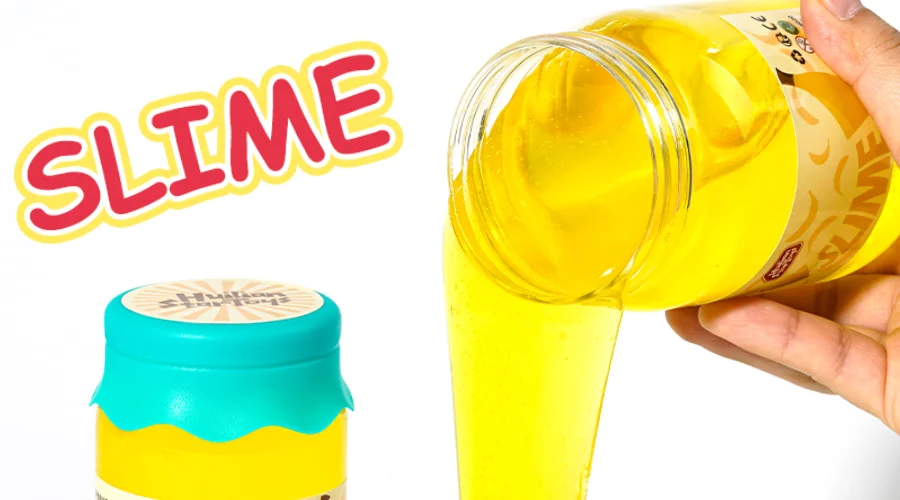
Recent developments in thermochromic polymers focus on durability, brightness, and environmental safety. Scientists are creating pigments that react more quickly to small temperature changes, offer smoother gradients, and resist UV degradation. Some new formulas even incorporate multiple color transitions in a single slime batch, producing layered or rainbow effects.
These improvements allow children to explore chemistry more dynamically. Faster response times and vivid, reliable color shifts make the underlying science more visible and intuitive, turning every play session into a mini experiment in thermal reactions.
Interactive science toys are evolving to combine tactile, visual, and cognitive engagement. Thermochromic slime has inspired hybrids that integrate light, sound, or magnetism to complement the color-changing effect. These toys aim to teach principles of physics, chemistry, and engineering while keeping the hands-on sensory appeal intact.
Educators now use slime alongside other materials like kinetic sand, conductive polymers, and air-dry clay to demonstrate complex concepts in an approachable way. By combining multiple stimuli, children learn not just cause-and-effect, but also observation, comparison, and hypothesis testing — essential skills for STEM learning.
Thermochromic technology is not limited to play. Beyond toys, it’s being explored in packaging that indicates temperature changes, clothing that adapts to weather, and safety indicators in medical devices. The principles behind slime demonstrate the core mechanics of these applications in a simple, tangible way.
For children, seeing these reactions in slime provides an early introduction to how science affects daily life. This hands-on familiarity with responsive materials builds curiosity, encouraging future exploration in material science, chemistry, and engineering — long before formal classroom lessons begin.
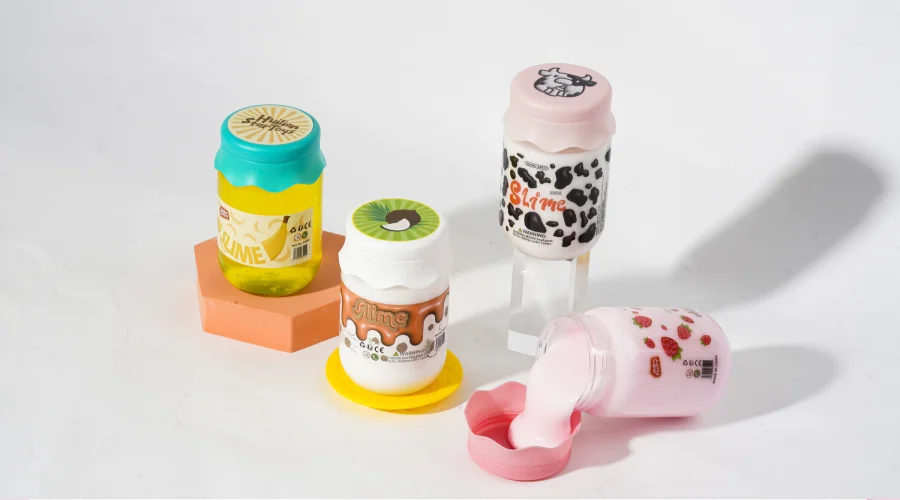
Thermochromic slime blends play and science, showing how temperature-sensitive pigments react in real time. Its color-changing magic teaches kids about molecular behavior, thermal reactions, and sensory exploration, making it both fun and educational. With safe, innovative formulas, it continues to inspire curiosity in STEM and creative learning.
Compare slime jars, tubs, cups, and custom containers to find the right packaging for your product, budget, target market, and shipping needs.

Learn how glitter, beads, and charms enhance slime products through visual appeal, tactile variety, themed play, and better product differentiation.

Learn the key steps behind a successful slime launch, from product development and sampling to safety compliance, packaging, and production.

Explore what makes slime safe for children and learn simple ways to support fun, responsible, and healthy sensory play at home or school.