
Slime Packaging Guide: Jars, Tubs, Cups, and Custom Containers
Compare slime jars, tubs, cups, and custom containers to find the right packaging for your product, budget, target market, and shipping needs.
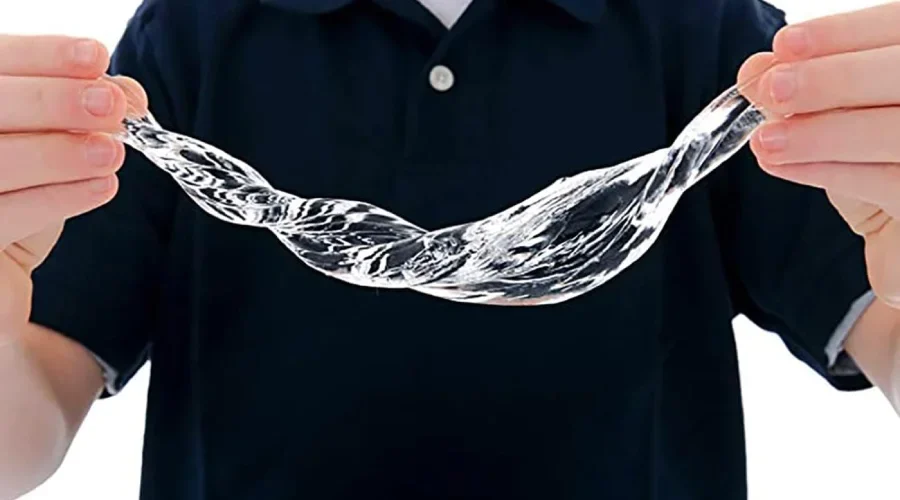
From stretchy to bouncy—find out how slime and putty compare in feel, function, and fun! A complete guide for curious minds.
Slime is a soft, gooey substance that moves like a liquid but stretches like a solid. Kids often compare it to melted candy or alien goo. It squishes, oozes, and sometimes even makes noise when pressed.
Unlike putty, which tends to hold its shape longer, slime is loose and slow-moving. That odd behavior isn’t magic—it’s science. Slime flows because its particles are weakly connected. Press it slowly, and it stretches. Pull it fast, and it breaks. This makes it a non-Newtonian fluid—just like ketchup or quicksand.
In school labs and on kitchen tables, slime continues to be made, touched, and tested. But where did it begin?
Slime first entered the toy world in the 1970s. It came in small plastic trash cans and was sold more for shock than science. It was green, cold, and made a mess—kids loved it. Over time, slime became smoother, safer, and more colorful.
By the 2010s, homemade slime exploded on the internet. Children and teens posted videos of slime poked, stretched, and sliced. Social media turned slime into a trend. Unlike putty, which had stayed relatively unchanged since the 1940s, slime kept evolving.
While putty was usually made in factories, slime became a do-it-yourself favorite. That difference—mass-produced vs. homemade—set the two apart even more in kids’ minds.
Most slime is made with glue and an activator. The glue provides a base, and the activator (like borax or saline solution) links the glue’s molecules together. Water, lotion, foam beads, and pigments can be added for different textures or colors.
Slime feels wet, cool, and stretchy. It moves slowly but sticks slightly to your fingers. Compared to putty, it’s messier and more fluid. Putty resists stretching and feels rubbery, while slime slips and flows with ease.
Under a microscope, slime and putty are very different. Slime has loosely connected polymer chains. Putty has tighter bonds, which makes it snap instead of drip.
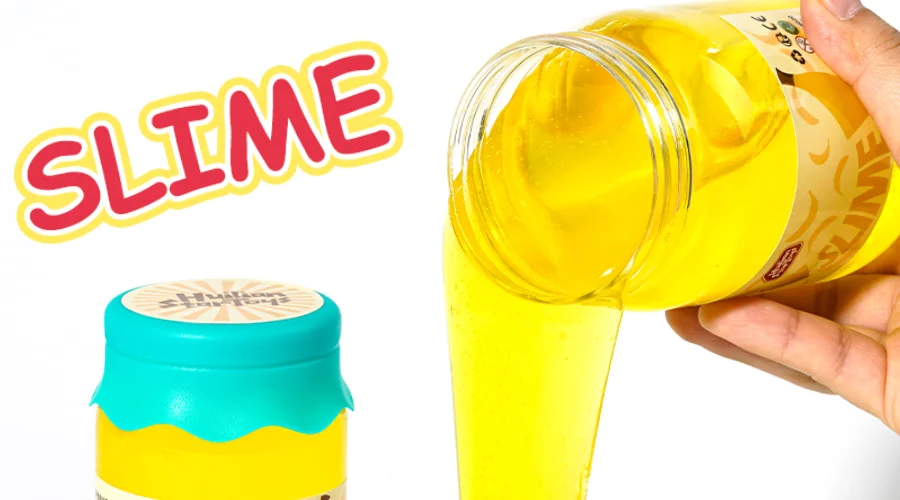
Not all slime is the same. Over the years, many types have appeared:
Putty also has variants—magnetic, glow-in-the-dark, heat-sensitive—but they still behave more like rubber than goo. Slime tends to be wetter, more flowy, and more delicate than putty. Its behavior changes faster, especially when exposed to air or heat.
In classrooms, both materials are used in experiments. But only slime melts through your fingers like a science fiction creature waking up.
>> The Science of Slime: Why It Stretches and Bounces
Putty is thicker and denser than slime. It doesn’t drip or run. Instead, it holds its shape until you push, pull, or roll it. Pressed slowly, it stretches. Pulled quickly, it snaps. Unlike slime, which flows like a thick liquid, putty acts more like a soft, solid rubber.
Many people call it “thinking putty” or “therapy putty” because it’s often used to focus the hands during idle moments. But despite its calm appearance, putty has a surprising past.
Putty wasn’t made for fun at first. During World War II, scientists searched for a rubber substitute. One mixture of silicone oil and boric acid made a strange substance: it bounced, stretched, and broke—but wasn’t very useful for machines.
Years later, it was packaged as Silly Putty and sold as a toy. It could lift ink from newspapers and bounce like a ball. Kids loved its weird, in-between feel—neither slime nor clay.
While slime exploded through internet trends, putty stayed steady. It evolved quietly, moving into classrooms, therapy centers, and science kits.
Some kids prefer slime’s stickiness. Others like how putty doesn’t leave residue behind. The difference is in the feel—and in the function.
Putty is usually made with silicone polymers. These long chains give it a solid, rubbery texture. Additives like iron powder or thermochromic dye create special effects—like magnetism or color change.
Compared to slime, putty is drier and firmer. You can roll it into a ball, and it’ll bounce. You can twist and mold it, and it holds shape. Slime, by contrast, slips apart under its own weight.
At the molecular level, putty’s polymer chains are more tightly packed than slime’s. This means more strength, more resistance to flow, and more bounce. It’s why putty can be used in stress toys, while slime is better for sensory exploration.
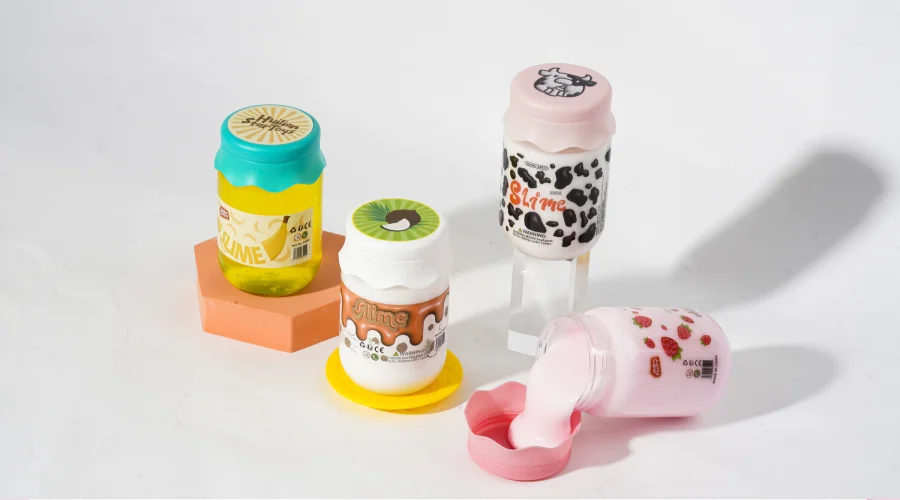
Today, putty comes in many types:
Each of these types builds on the basic formula of silicone-based elasticity. Slime also has themed versions, but its behavior is more fragile. If slime dries out, it breaks down. Putty, on the other hand, lasts longer—even months—if sealed.
Some kids like to test both: poke putty, then squish slime. The two may look similar in a jar, but they speak different languages when touched.
Slime and putty may share the same shelf space in toy stores, but their behavior couldn’t be more different. They react in unique ways when stretched, pressed, or squeezed. To understand what separates them, you have to feel them—or study how they respond under pressure.
Slime feels wet and cool. It’s soft, squishy, and often slightly sticky. Some types, like clear or jelly slime, feel smooth and slippery. Others—like crunchy slime—have beads or foam inside for extra texture.
Putty, on the other hand, feels firm and dry. It doesn’t stick to your hands. When warmed up, it becomes more flexible but still keeps its shape. Putty doesn’t drip or smear.
In short: slime feels like liquid in disguise. Putty feels like a soft rubber ball. Kids often choose one over the other based on how it feels in the hand.
Slime stretches slowly and can form long, gooey strands. Pull it gently, and it keeps going. But if you move too fast, it breaks or thins out.
Putty stretches too—but only when it’s warm and handled gently. If you tug sharply, it snaps. Unlike slime, putty can bounce when rolled into a ball and dropped. Slime can’t bounce; it just flattens or sticks.
Slime is for stretching and oozing. Putty is for snapping and bouncing. These differences come from how the materials are built on a molecular level.
Slime is fragile. Leave it out too long, and it dries into flakes. Pull it too fast, and it breaks apart. It can stick to fabric or carpet if not handled carefully.
Putty is tougher. It won’t tear under normal pressure. Even if pulled fast, it snaps in clean lines. And it rarely dries out if stored properly.
This makes putty more durable, while slime offers a short-term, fluid experience. The choice between them often depends on how much pressure a child likes to apply during play.
Both slime and putty are popular in sensory rooms and classrooms. But their uses differ. Slime is engaging for messy, hands-on play. It’s fun to poke, squish, and swirl. Kids often play with it using both hands, watching it drip or stretch.
Putty is calmer. It’s used more for fidgeting—rolling it between fingers, squeezing, or stretching it quietly. Many students keep it in desks or backpacks as a stress tool.
So while both support sensory needs, slime is more about exploration. Putty is more about focus.
>> 7 Amazing Facts About Watery Slime: The Science Behind the Goo
To fully understand the difference between slime and putty, it helps to look beyond what we can see and feel. Their physical behavior—how they respond to force, temperature, and time—reveals why they act so differently. These materials might look simple, but their science runs deep.
Slime flows easily. It spreads slowly under its own weight. That’s because it has low elasticity and high viscosity. It moves like a thick liquid but doesn’t stay still. This quality makes slime a non-Newtonian fluid, which means it doesn’t follow the usual rules of flow.
Putty also breaks the rules—but in the opposite direction. It behaves more like a viscoelastic solid. At rest, it keeps its shape. When force is applied over time, it deforms. But it won’t drip or flow on its own like slime does.
In short, slime oozes. Putty resists.
Elasticity is how well a material returns to its original shape after being stretched. Slime stretches, but it doesn’t bounce back—it thins out and flows away. Once it breaks, it doesn’t reform by itself.
Putty is different. Stretch it slowly, and it keeps up. Press it into a ball, and it will bounce. That’s because of its polymer network—a system of tightly linked molecules that stores energy when compressed.
If you roll both into a ball and drop them, the slime will flatten. The putty will bounce.
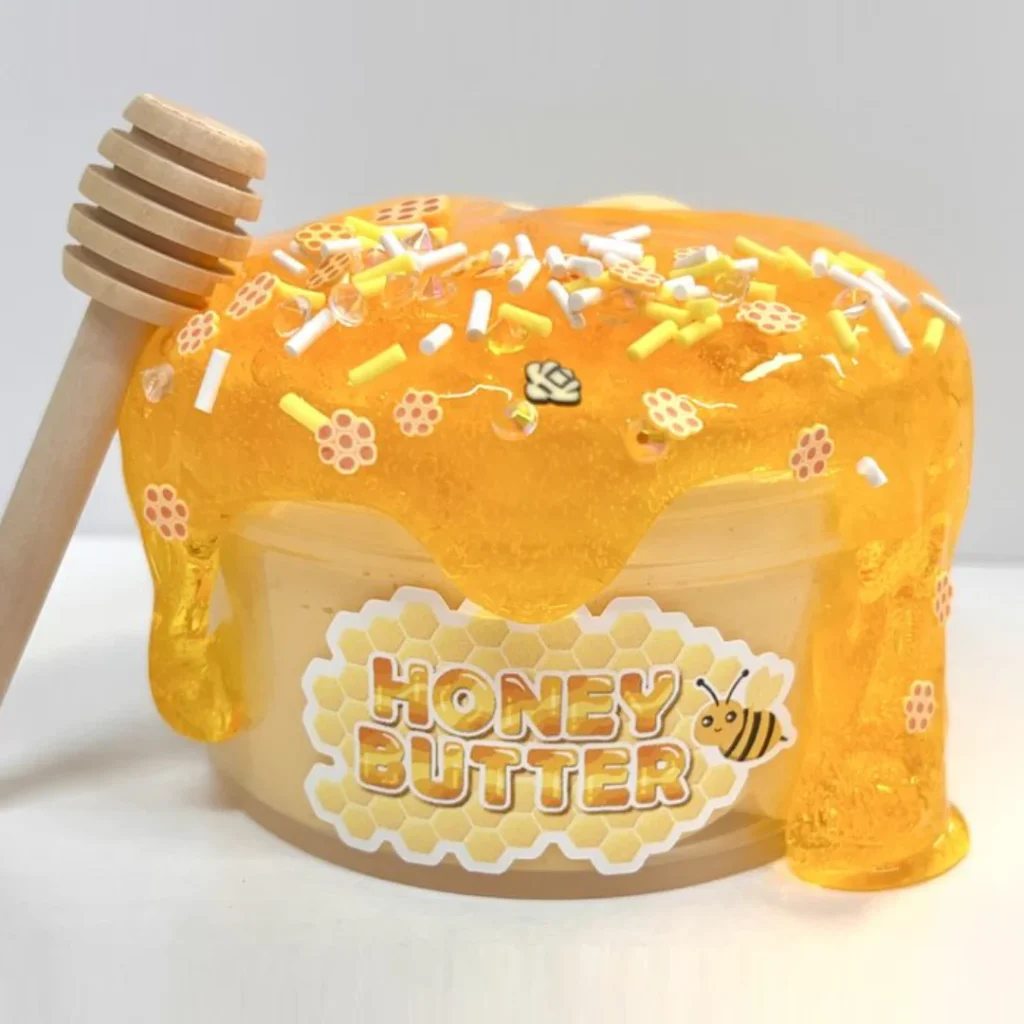
Slime reacts quickly to heat. A warm room can make it thinner. Cold air can make it stiff. Over time, slime loses moisture and breaks down. It needs airtight storage to last even a few days or weeks.
Putty is more stable. It becomes more flexible when warm, but rarely melts or dries out. Silicone-based putty can survive months or even years without changing much—if kept sealed.
That makes putty a better choice for repeated use. Slime, however, is often enjoyed fresh—made, played with, and replaced.
Touch is one of the first ways children explore the world. That’s why the feel of a toy matters just as much as how it looks. When it comes to sensory materials, slime and putty offer very different tactile experiences.
Both are soft, moldable, and silent—but how they respond to fingers, palms, and pressure sets them apart.
Slime usually feels wet—even if it’s not actually soaked. That’s because it contains water and softeners that stay on the surface. Some slimes feel slippery, others slightly sticky. The sensation can range from smooth and glassy to gritty or foamy, depending on the type.
Putty feels dry, smooth, and often cool. It never leaves moisture behind. You can hold it for a long time without residue or stickiness. Even magnetic or color-change putty holds its form and dryness under pressure.
For kids who avoid wet textures, putty is usually the better choice. For those who enjoy messy, gooey play, slime delivers.
Slime can stick to fingers, especially if it’s too soft or not activated enough. Younger kids sometimes find it tricky to control. But for others, that slight resistance is fun—it stretches, tears, and makes odd sounds when squished.
Putty is firmer and stays in one piece. It molds under pressure but snaps if pulled quickly. It’s easier to shape into solid forms—balls, ropes, or flat discs. It doesn’t stretch as far as slime, but it feels stronger in the hand.
This difference can affect how a child interacts with the toy. Slime invites motion and flow. Putty invites control and shaping.
That depends on the goal. Slime is great for messy exploration and calming visual movement. Watching it stretch and swirl can relax the mind.
Putty is better for quiet fidgeting. It’s often used in therapy for hand exercises or as a concentration aid. Its firm texture helps focus energy into movement without making noise.
Some people even use both: slime for playtime, putty for school or quiet time. The choice often comes down to personal comfort with texture, pressure, and movement.
While slime and putty are often seen as simple toys, they both play a quiet role in learning and development. In classrooms, therapy rooms, and homes, these materials support hands-on discovery and tactile learning. Each brings its own strengths—and some surprising uses.
Handling slime takes finger control. Kids squeeze, stretch, pinch, and roll it between their hands. These motions build small muscle strength and coordination. Scooping slime into a container or pulling it into long strands helps develop grip and dexterity.
Putty works in a different way. Its firmness creates resistance. That resistance makes hands work harder. Occupational therapists often use putty in hand exercises—for kids recovering strength or developing control.
So while both support fine motor skills, slime focuses on soft motion. Putty builds strength and endurance.

Slime encourages simple chemistry. When children mix glue and an activator, they witness a real chemical reaction. Liquid turns into a soft, stretchy mass. This sparks curiosity: Why did it change? What happens if I add more?
Putty’s lessons are quieter, but still useful. Kids learn about elasticity, energy transfer, and material memory. For example, roll putty into a ball and drop it—it bounces. Why? Its molecules store energy and release it like a spring.
Both materials invite questions. And curiosity is the first step toward science.
In some classrooms, both slime and putty are used to help kids stay focused. Slime gives the hands something soothing to explore. The sound, motion, and texture help some children regulate emotions or stay calm during transitions.
Putty, in contrast, is often used as a fidget. It can be squeezed quietly under a desk, rolled in the palm, or pulled slowly. This helps with self-regulation, especially for children with sensory needs or ADHD.
Teachers sometimes keep both on hand. One child may need the smooth motion of slime, while another benefits more from the solid control of putty.
Slime and putty are often marketed as safe and fun. But like any toy, they come with risks—especially when handled by young children. Understanding their ingredients, how to use them properly, and how to store them can help reduce accidents and mess.
Most store-bought slime and putty are labeled non-toxic, but that doesn’t mean they’re safe to eat. Slime, especially homemade versions, often contains borax, saline, or baking soda—ingredients that can irritate skin or eyes if misused.
Putty is usually made with silicone or rubber polymers. It’s less likely to spill, but small pieces can still be a choking hazard for toddlers. That’s why most slime and putty products are marked for ages 3 and up—sometimes even 5+ depending on the formula.
Always check packaging and supervise younger children. If a child still puts things in their mouth, it’s best to avoid these materials entirely.
Neither slime nor putty is meant to be swallowed. Slime can break into sticky globs, and putty can be torn into small pieces. Both could become choking hazards if left unattended.
Supervision matters most when kids are sharing slime or playing in groups. Accidental ingestion, mixing with unsafe items (like glitter or small beads), or improper storage can lead to problems.
Adults should also keep slime and putty away from pets. Dogs, in particular, may try to eat them—and both materials can cause serious issues if swallowed.
Slime can stick to carpet, hair, and clothing. To remove it, scrape off the excess and use white vinegar or rubbing alcohol to break it down. Don’t use hot water—it can make the slime melt deeper into fibers.
Putty is easier to clean but can still pick up dirt and lint over time. If dropped on a rug, try using a piece of clean putty to lift the rest—kind of like reverse tape.
To make both last longer:
When slime dries out or smells odd, it’s time to throw it away. Putty, if it hardens or cracks, can often be softened with a bit of warmth or kneading—but not always.
Slime and putty might live in the same toy drawer, but they serve different purposes in real-world settings. Their textures, behaviors, and cleanup needs affect how and where they’re used. Whether you’re in a classroom, on a plane, or in a therapy room, choosing the right material matters.
>> What Age Is Slime Appropriate For? A Fun and Safe Guide
Slime is often used in science lessons to demonstrate chemical reactions. Mixing glue and activator shows how molecules link to form polymers. It’s a visual, hands-on way to teach about states of matter and viscosity.
In art class, kids use slime to mix colors or textures. It’s messy but creative.
Putty, on the other hand, shows up in fidget kits and fine motor tools. Teachers might hand it out during long lessons or tests. Unlike slime, it doesn’t stick to desks or papers. That makes it safer in busy environments.
In short: Slime for science. Putty for focus.
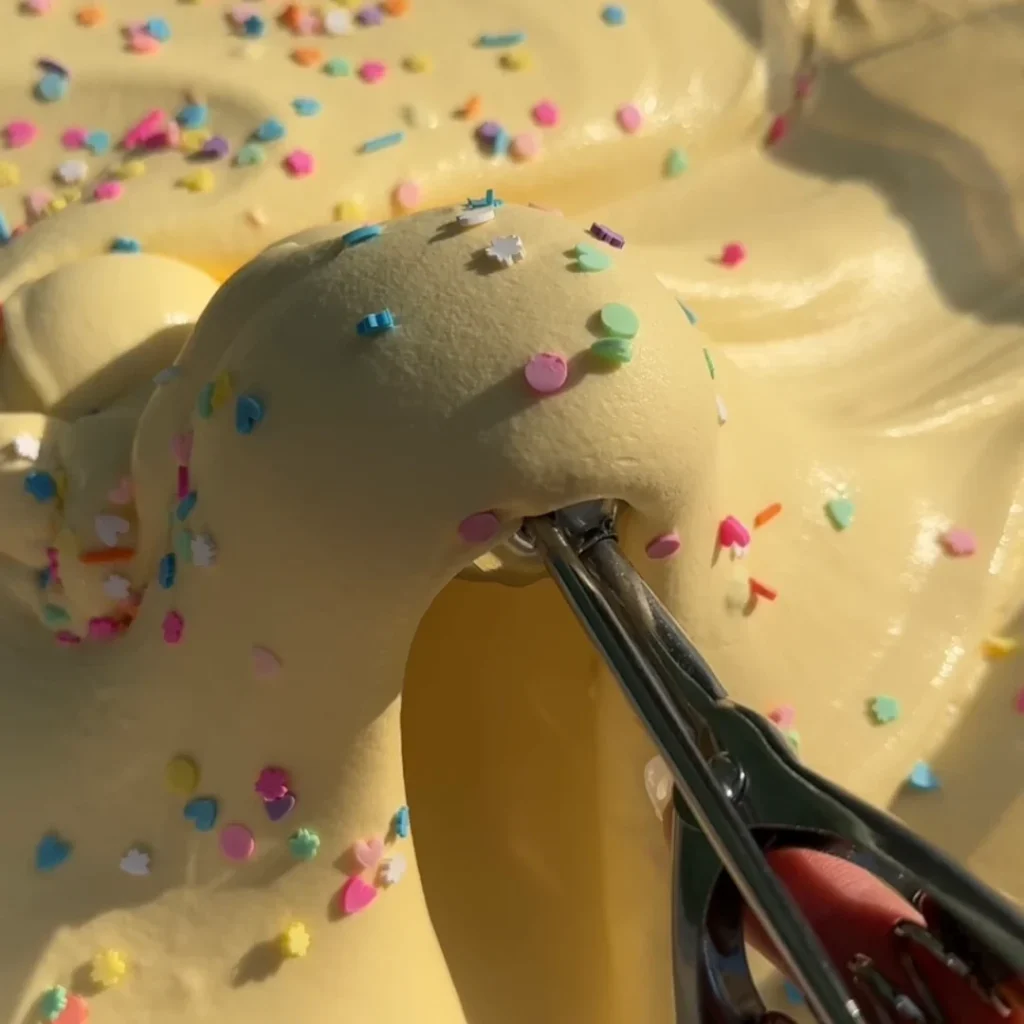
Long trips can make kids restless. Slime isn’t always the best choice in small or shared spaces—it can spill, stick, or dry out quickly. Unless it’s sealed in a tight container and supervised, it’s better left at home.
Putty is more travel-friendly. It doesn’t make noise, doesn’t leak, and stays clean in a small case. Some parents keep putty in bags for car rides or waiting rooms.
Slime invites action and motion. Putty supports quiet, repetitive touch. That difference matters when space or noise is limited.
Both slime and putty are used in therapy. But their roles differ.
Slime is used to stimulate. Its bright colors, squishy texture, and resistance make it great for sensory exploration. Therapists may offer it to children with sensory processing needs to explore wet, sticky textures in a safe way.
Putty is more structured. It’s used in occupational therapy for building hand strength or calming anxiety. The pressure it provides can be soothing and predictable. Kids can stretch, twist, or squeeze it during focused tasks.
In these spaces, the difference between slime and putty isn’t just about texture. It’s about what the child needs—stimulation or grounding.
Slime and putty have both captured the attention of millions online, but their cultural footprints are quite distinct. The rise of social media brought slime into the spotlight, while putty holds a steady, quieter niche.
Slime’s popularity soared with viral videos showing people poking, stretching, and slicing it. ASMR creators often use slime for its satisfying squishes and pops. These sensory sounds became hugely popular on platforms like TikTok and YouTube.
Putty rarely makes viral splash videos. Instead, it appears in slow, thoughtful clips—demonstrating color changes, magnetism, or bouncing. Its appeal is calmer and more niche.
Slime’s messy, colorful nature makes it a perfect star for DIY tutorials. Kids learn to make fluffy, glittery, or scented slime at home. Putty DIY is less common but growing in specialty circles.
Social media shaped kids’ preferences dramatically. Slime’s variety and ease of customization made it a favorite. New slime trends pop up weekly, keeping the community excited.
Putty fans tend to share tips about care and specific uses, especially in educational or therapeutic contexts. Its slower pace attracts users focused on mindfulness and stress relief.
These online communities show how slime and putty serve different emotional and creative needs. Both offer comfort—just in different ways.
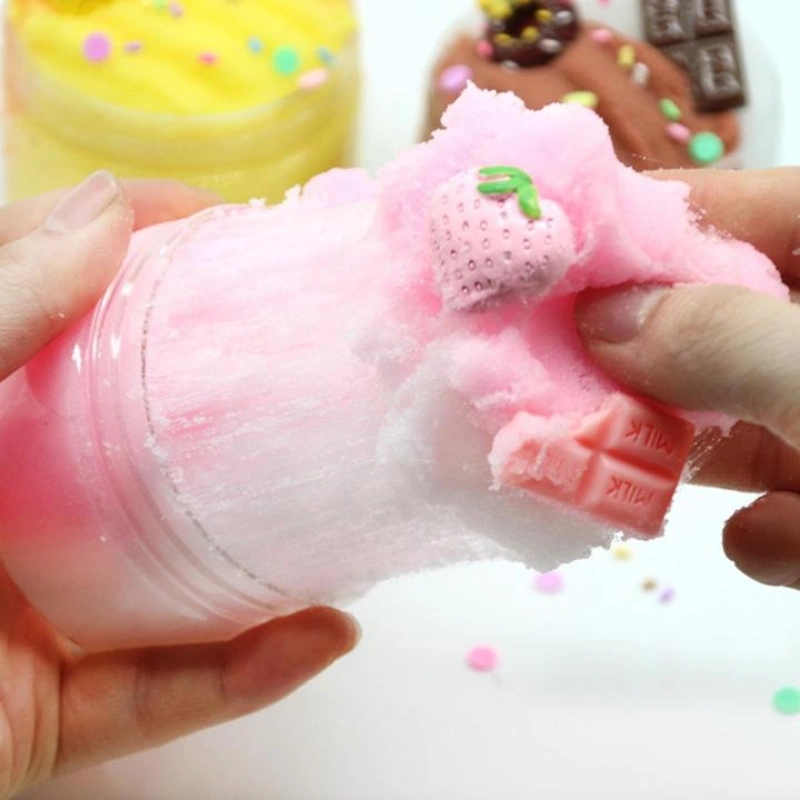
Kids often choose slime for expressive, freeform play. They stretch, tear, and combine colors. This open-ended play supports creativity and experimentation.
Putty encourages more deliberate shaping. Kids mold figures, practice hand exercises, or simply fidget quietly. It’s less messy and more contained.
Together, slime and putty offer a wide range of sensory and play experiences. Their online popularity reflects their unique places in children’s worlds.
Slime and putty may look similar, but their textures, behaviors, and uses differ greatly. Slime flows and stretches, perfect for sensory play and creativity, while putty offers bounce and resistance, ideal for focus and hand strength. Understanding these differences helps choose the right toy for every need.
Compare slime jars, tubs, cups, and custom containers to find the right packaging for your product, budget, target market, and shipping needs.

Learn how glitter, beads, and charms enhance slime products through visual appeal, tactile variety, themed play, and better product differentiation.

Learn the key steps behind a successful slime launch, from product development and sampling to safety compliance, packaging, and production.

Explore what makes slime safe for children and learn simple ways to support fun, responsible, and healthy sensory play at home or school.