
Slime Packaging Guide: Jars, Tubs, Cups, and Custom Containers
Compare slime jars, tubs, cups, and custom containers to find the right packaging for your product, budget, target market, and shipping needs.
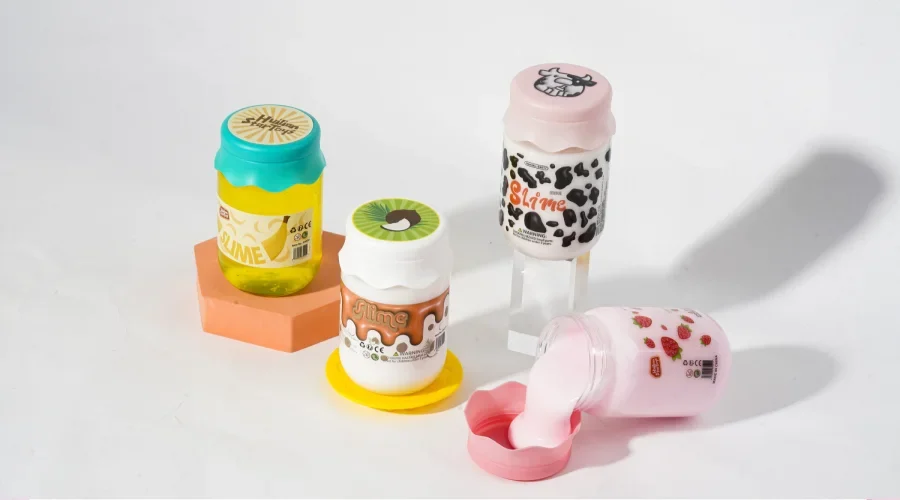
Slime has become a favorite toy for many kids, offering hours of fun and creative play. The stretchy, squishy texture appeals to young children, making it a hands-on sensory experience. However, while slime can be a great tool for sparking imagination, choosing the right one is crucial for ensuring safety.
Slime is a popular, squishy substance loved by children for its unique, tactile properties. It is a non-Newtonian fluid, which means its viscosity (thickness) can change depending on the pressure applied.
When you squeeze slime, it resists the pressure, but when you let go, it flows easily. This fascinating behavior is part of the reason why slime is such a fun, hands-on toy.
Slime is often made by combining simple ingredients like glue, water, and an activator (often borax or a similar substance). These ingredients react chemically to create a sticky, stretchy mass. The result is a gooey substance that can be molded, squished, and stretched. The chemistry behind slime is based on polymers, which are long chains of molecules that give slime its flexible and stretchy characteristics.
Basic ingredients in slime include:
While these ingredients are basic, the proportions and additional elements like food coloring or glitter can change the slime’s appearance and texture.
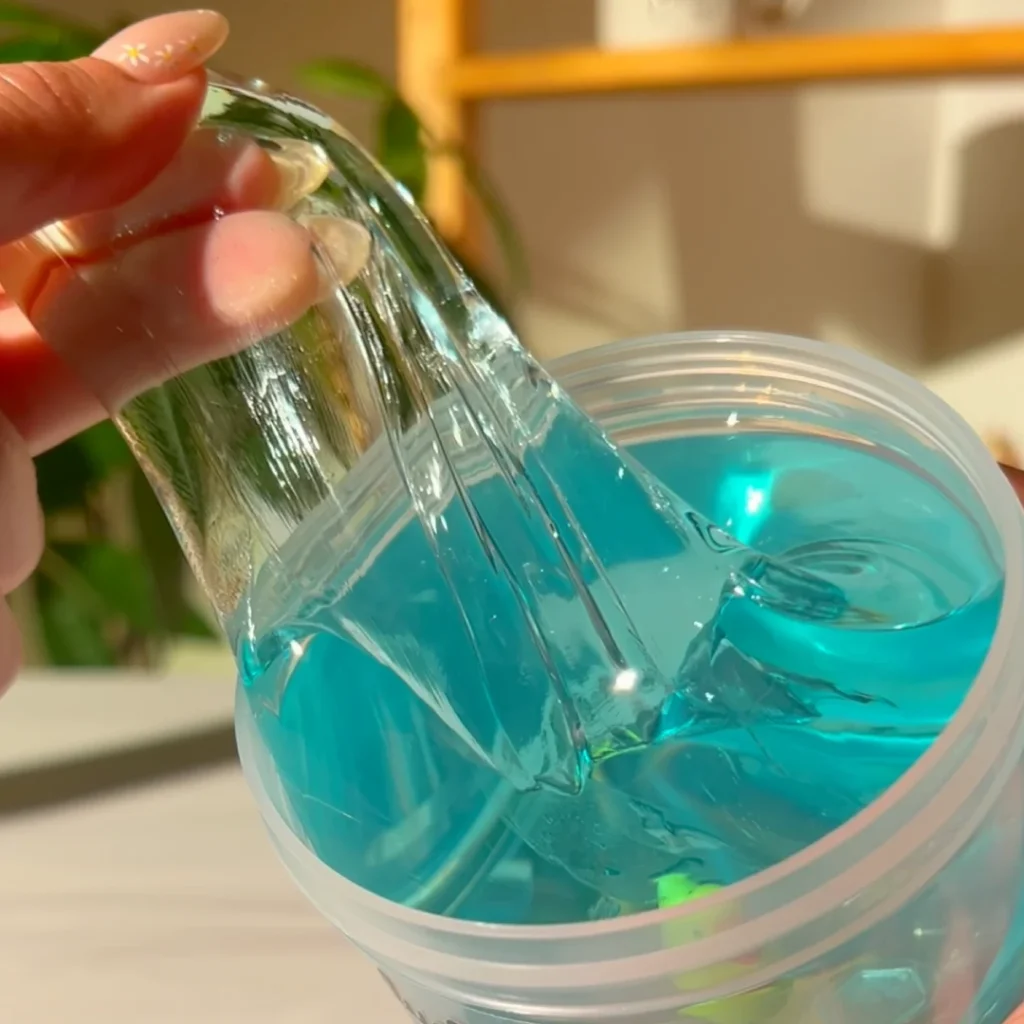
There are many types of slime, each offering a unique texture and experience. Here are some common variations:
Each type of slime has a different consistency, from thick and gooey to light and airy. These variations make slime a versatile material for both play and learning, offering endless possibilities for creativity and hands-on exploration.
Slime is a popular and engaging toy, but when it comes to safety, there are some important factors to consider. While slime can be an enjoyable and educational experience, it’s crucial to be aware of the potential risks that come with it.
Homemade slime can be fun to make, but it comes with risks. Some of the ingredients used in homemade slime, such as borax, can be irritants if not handled properly. If borax comes into direct contact with the skin or eyes, it can cause irritation or allergic reactions in sensitive individuals.
Additionally, because homemade slime is often made with ingredients like glue and borax, there is a chance of creating a batch with improper proportions, which could lead to more severe reactions.
Another potential danger is the risk of choking. Small pieces of slime, especially if not fully mixed or if objects like glitter or foam beads are added, could become a choking hazard if a child attempts to swallow them. Always supervise children while they play with slime to ensure they do not put it in their mouths.
Commercial slimes also come with risks, particularly if they are poorly made. Some cheaper, mass-produced slimes contain toxic chemicals, including formaldehyde or other preservatives, which could pose health hazards if the slime is handled improperly. Moreover, these slimes may lack quality control, leading to inconsistent texture or unwanted ingredients.

Several common ingredients are used to make slime, but not all of them are completely safe. Understanding these ingredients can help you make informed decisions when choosing slime for your child.
In short, while slime can be a safe and enjoyable activity for kids, parents and caregivers should be cautious. Always look for non-toxic slimes that are free from harmful chemicals, and avoid homemade recipes that contain potentially dangerous ingredients. Proper supervision is key to ensuring a safe slime experience for children.
>> The Science Behind Floam Slime: What Makes It So Addictive?
Slime can be a fun and educational toy for children, but it’s essential to choose the right one to ensure safety and enjoyment. With so many options available, it’s helpful to know what to look for when selecting slime for your child.
When purchasing slime, always check for non-toxic labels. These labels indicate that the product meets safety standards and doesn’t contain harmful chemicals. Look for certifications like ASTM (American Society for Testing and Materials) or EN71 (a European safety standard). These certifications mean the slime has passed strict safety tests, ensuring it’s safe for children to handle.
Understanding the meaning behind non-toxic labels is important. While “non-toxic” can sound reassuring, it doesn’t always guarantee complete safety. Some manufacturers may use the term loosely, so it’s crucial to check for third-party certifications. Certified non-toxic slime is typically free of harmful substances like lead, phthalates, and formaldehyde, which can be dangerous to children.

Choosing slime based on age recommendations ensures that the toy is suitable for your child’s development stage. For toddlers, opt for slime that is soft, stretchy, and doesn’t contain small pieces that could pose a choking hazard. Avoid slimes with intricate textures or small parts that could be a risk.
For older children, there are more varieties to choose from. Slime with added textures or colors can stimulate creativity and exploration. However, ensure that the slime’s consistency matches the child’s ability to handle it. Older children may enjoy thicker slimes, while younger ones might prefer the softer, stretchier types.
The texture and consistency of slime are essential factors to consider when choosing the right product. Slime comes in various types, each offering different sensory experiences. Traditional slimes are gooey and stretchy, while fluffy slimes are light and airy. There are also butter slimes, which are smooth and silky, and clear slimes, which offer a more transparent look.
Different textures can provide various tactile experiences. For example, fluffy slime is ideal for kids who enjoy soft, squishy toys, while thicker slimes are better for kids who like to stretch and pull. When selecting slime, consider what texture your child is most likely to enjoy and engage with.
Slime can be messy, so it’s important to assess its durability before purchasing. Some slimes break down easily and can become sticky, while others hold their shape longer. Choose slime that maintains its consistency and is less likely to dry out or lose its texture after prolonged use.
Cleaning up slime is also essential, especially when it gets on clothes, carpets, or other surfaces. Some slimes are easier to clean than others. To remove slime from clothes, use cold water and a gentle detergent. For carpets, blot the area with water and soap before using a vacuum to pick up the remaining residue. Always supervise young children while playing with slime to prevent spills from becoming a hassle.
In summary, when choosing slime for kids, it’s important to consider the product’s safety, age appropriateness, texture, and ease of cleanup. By focusing on these factors, you can ensure that the slime is both fun and safe for your child.

Slime can be a fun and educational activity for kids, but safety should always come first. Knowing how to use slime properly will ensure a safe and enjoyable experience.
Supervision is essential when children play with slime. Always watch young children closely, as they may accidentally ingest or mishandle the slime. It’s important to remind kids not to eat slime or put it near their mouths. Although most commercial slimes are non-toxic, ingestion can still cause discomfort or an upset stomach.
Additionally, some types of slime may cause skin irritation, especially if left on the skin for extended periods. If your child has sensitive skin, it’s a good idea to test the slime on a small area first. Encourage kids to wash their hands after playing with slime to avoid any irritation, particularly if they have eczema or other skin conditions.
Slime is best used in well-ventilated areas, and it’s a good idea to set up a designated play area, like a table with a protective cover, to minimize mess. Make sure to explain proper handling to children so they can enjoy slime safely without making a mess.
Proper storage of slime is crucial to keep it safe, fresh, and free of contaminants. After each use, slime should be stored in an airtight container to prevent it from drying out or becoming contaminated by dust and dirt. This also helps maintain its texture and prevents it from becoming too sticky.
Heat and direct sunlight can affect slime’s consistency, so it’s best to store it in a cool, dry place. Avoid leaving it in areas where it can get too warm, like near windows or heating vents. This will help preserve its stretchiness and prevent it from becoming too hard or too soft.
For longer storage, some people recommend adding a little water or lotion to the slime before sealing it in a container. This helps maintain the right level of moisture. Keep slime in a place out of reach of younger children to ensure it doesn’t accidentally get into the wrong hands.
>> How to Store Your Glow in the Dark Slime to Keep It Fresh
Slime is more than just a fun, squishy toy. When used correctly, it can offer a range of developmental benefits for children. From sensory exploration to improving motor skills, slime can play a role in a child’s cognitive and physical growth.

Slime is an excellent tool for sensory play, which is crucial for a child’s development. When children play with slime, they engage multiple senses: touch, sight, and sometimes even smell. The squishy, stretchy texture of slime helps children with tactile exploration, encouraging them to use their hands to feel and manipulate the material. This hands-on interaction promotes the development of sensory skills, as children learn about different textures and how to control them.
In addition, slime fosters creativity and experimentation.
Kids often enjoy stretching, squeezing, and rolling the slime, discovering how it reacts to different actions. These activities stimulate imaginative thinking and problem-solving, as they try to figure out how to make shapes, colors, or even figures with their slime. This type of play can lead to improved cognitive skills, like pattern recognition, spatial awareness, and planning.
>> Formulating Borax Free Slime: Best Practices for Manufacturers
Playing with slime also benefits fine motor skills and hand-eye coordination. Handling slime requires small, precise movements, which helps strengthen the muscles in a child’s hands and fingers.
As children pull, squish, and mold the slime, they improve their dexterity and hand strength. These actions are essential for tasks like writing, drawing, or buttoning clothes, which children will use later in life.
Moreover, slime play encourages kids to focus and control their hand movements. For example, they might roll slime into small balls or flatten it with their hands, which requires careful coordination between their eyes and hands. This develops the ability to coordinate visual input with physical actions, which is important for activities that require attention to detail.
In addition, parents and educators can create simple activities with slime to enhance fine motor skills. Tasks like twisting, cutting, or pinching the slime help further strengthen the muscles and coordination needed for more complex tasks.
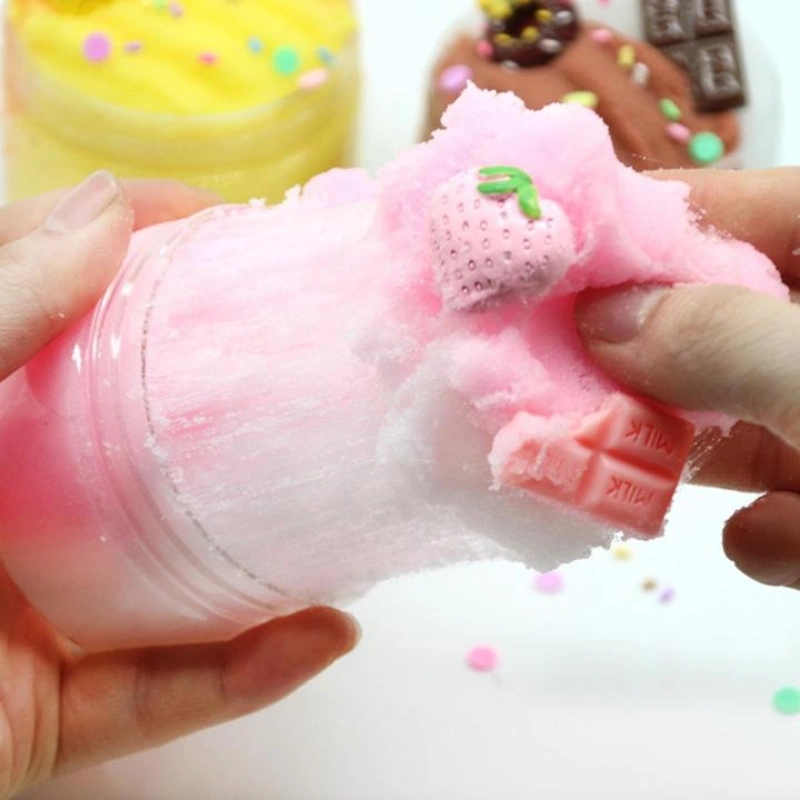
Slime can be a safe and beneficial toy for kids when chosen carefully. By selecting non-toxic products, considering age appropriateness, and ensuring proper supervision, parents can provide children with a fun and educational experience. Always prioritize safety while enjoying the creative benefits of slime.
Compare slime jars, tubs, cups, and custom containers to find the right packaging for your product, budget, target market, and shipping needs.

Learn how glitter, beads, and charms enhance slime products through visual appeal, tactile variety, themed play, and better product differentiation.

Learn the key steps behind a successful slime launch, from product development and sampling to safety compliance, packaging, and production.

Explore what makes slime safe for children and learn simple ways to support fun, responsible, and healthy sensory play at home or school.