
[Video] Floam Slime Playset | So Funny😄😄
Floam slime is a great arts and crafts toys for kids, let us use our imagination to create the best works!
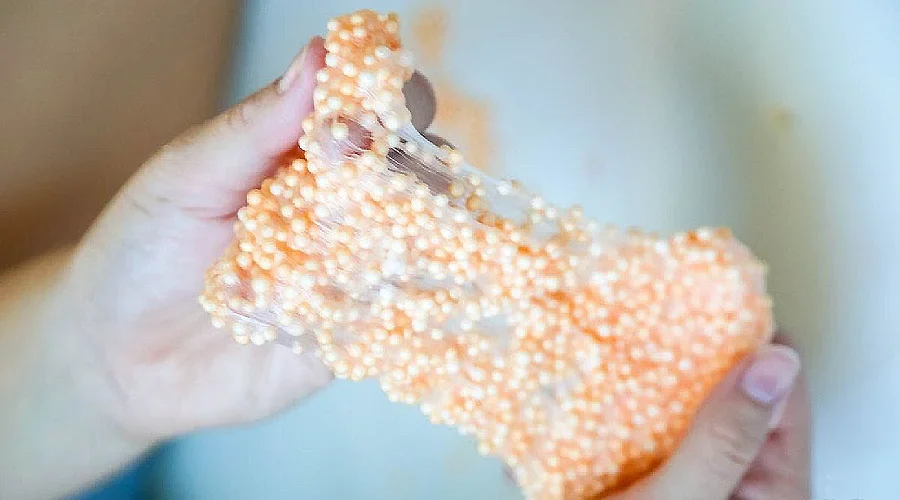
Floam slime, like other sensory toys, isn’t indestructible. While it’s designed to be durable, various factors can cause it to break down.
Exposure to Water or Liquids
Floam slime can partially dissolve if it absorbs too much water. The glue-based structure weakens, causing it to lose elasticity. For instance, leaving floam in a damp area might turn it gooey or separate the beads from the slime base.
Heat and Sunlight
Prolonged exposure to heat or direct sunlight dries out floam slime. The moisture in its composition evaporates, making the slime brittle. On very hot days, the beads might even detach as the base shrinks.
Chemical Reactions
Floam slime may degrade if exposed to harsh chemicals like cleaning agents or certain oils. These substances can alter its molecular bonds, causing the slime to break apart or become sticky.
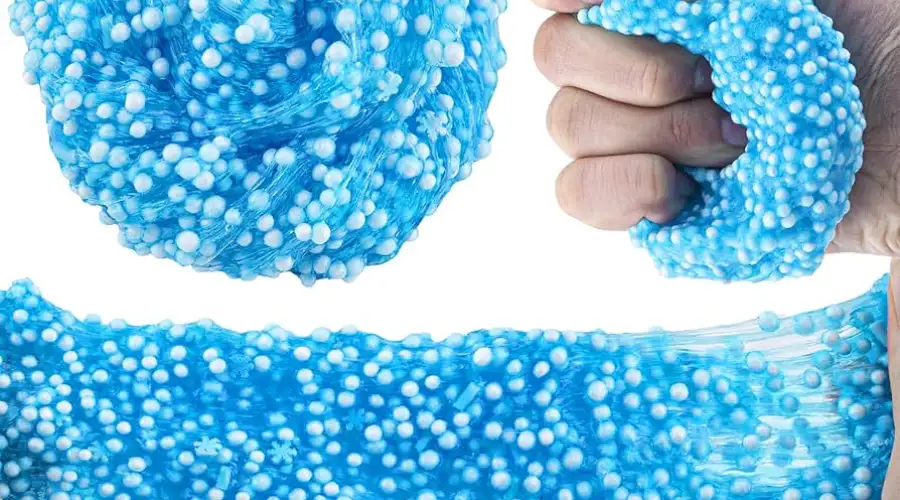
Floam slime is not entirely biodegradable. Its primary ingredients, such as synthetic glue and foam beads, are designed to last during use but don’t break down quickly in natural environments. These materials can linger for years, posing potential risks to ecosystems if not disposed of properly.
Over time, natural forces like rain, sunlight, and wind may cause floam slime to fragment into smaller pieces, but this process doesn’t eliminate the material. Instead, it often results in microplastics that can infiltrate soil and water, affecting plants and wildlife.
To minimize environmental impact, it’s essential to dispose of floam slime responsibly. Always seal it in a proper waste container rather than leaving it outdoors or flushing it down the drain. By doing so, you help prevent long-term harm to the environment.
Floam slime is a fun and unique sensory toy, but like all slimes, it needs care to stay in top condition. With a few practical tips, you can keep your floam slime fresh, intact, and ready for hours of creative play.
Storing floam slime correctly can make a big difference in its lifespan.
Cleanliness is crucial for keeping your floam slime fresh. Dirt, debris, and oils from your hands can compromise its quality. Before playing, wash your hands thoroughly and avoid using the slime on unclean surfaces.
If tools are used to shape or stretch it, ensure they are clean as well. This simple practice helps preserve the slime’s vibrant colors and stretchy texture.

If your floam slime starts to dry out, don’t worry—it can often be revived.
Exploring the science behind floam slime can be a fun way to learn how different factors affect its texture and longevity. Conducting simple experiments will help you understand whether floam slime dissolves and how you can better maintain its playful characteristics.
One of the most common experiments is testing whether water can dissolve floam slime. Start by placing a small amount of floam slime in a bowl of water. Watch closely as the foam beads may begin to separate from the slime base, affecting the texture.
Floam slime doesn’t fully dissolve in water like some other types of slime, but it can lose its structure over time, becoming soggy or sticky. This experiment gives you a clear visual of how the slime reacts to liquid and helps you understand the materials involved.
Floam slime is sensitive to temperature changes. To test its reaction to heat, place a piece of floam slime in direct sunlight or leave it in a warm room.
As it heats up, you may notice the slime becomes softer and more liquid-like, as the slime base weakens.
However, unlike some slimes, floam slime doesn’t fully dissolve from heat alone. Instead, it may lose its elasticity and texture, making it less fun to play with. This experiment helps demonstrate how temperature can influence the durability of your floam slime.
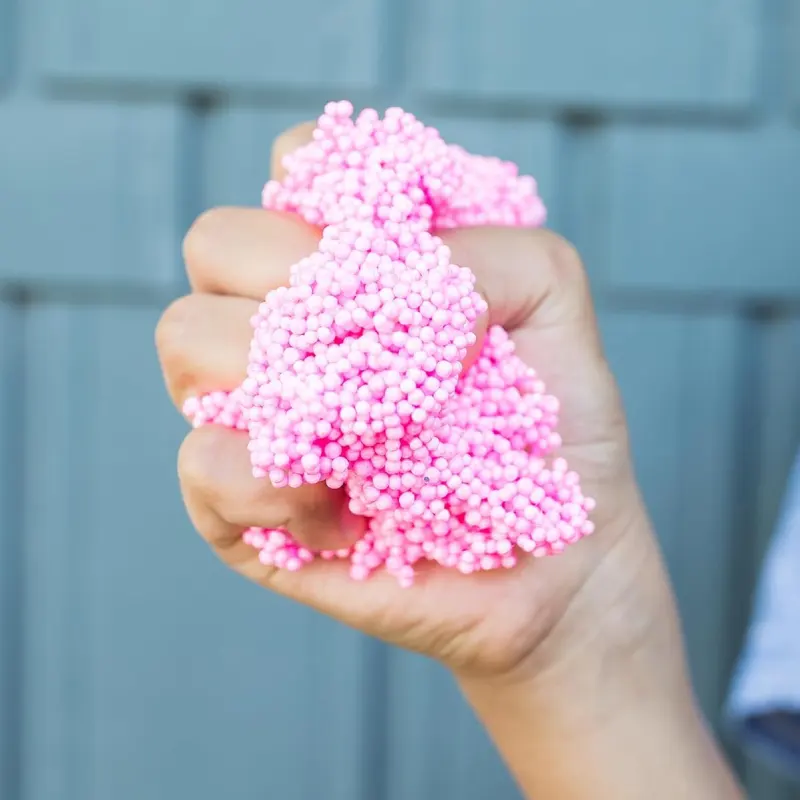
A creative way to experiment with floam slime is by mixing it with other types of slime or materials like glitter slime, cloud slime, or even beads. The question to ask is whether combining these slimes causes the floam slime to dissolve or break apart.
Generally, adding materials like glitter or soft slimes won’t cause floam slime to dissolve, but it may change its texture or make it more elastic.
For example, mixing floam slime with glitter slime often results in a sticky texture, which can be fixed by rehydrating the floam. This experiment lets you discover the boundaries of how floam slime interacts with other materials.
Floam slime is a fun and squishy texture to play with, but sometimes, it can run into a few problems. Luckily, many of these issues are easy to fix with a few simple tricks. Let’s take a look at some common problems you might face with floam slime and how to solve them.
Floam slime is designed to be stretchy and fun, but it can become sticky for several reasons. If you find that your floam slime is too sticky to handle, it could be due to too much moisture in the slime or a lack of enough activator during the making process. The slime base might be absorbing extra water, which causes it to become tacky and clingy.
To fix this, you can add a small amount of activator, like borax-free liquid starch or saline solution, to the slime. Knead the slime after adding the activator until it becomes less sticky and more manageable. Be careful not to overdo it, as too much activator can cause the slime to become hard.
If your floam slime is sticky due to moisture, storing it in an airtight container can prevent it from absorbing excess water, keeping the texture consistent over time.
One of the most fun features of floam slime is its crunchy, bouncy texture, thanks to the foam beads mixed in. However, if you’re not careful, these beads can start falling out, leaving you with a messy situation. This typically happens when the bead-to-slime ratio isn’t balanced or when the slime is over-handled.
To maintain the perfect balance, ensure that you mix the right amount of foam beads into the slime. Too many beads can make the slime fall apart, while too few might result in a less satisfying texture. If the foam beads have already started falling out, you can try adding a little more slime to help bind them back together.
Additionally, make sure you store your floam slime properly in an airtight container. If left out in the open or exposed to air for too long, the slime can dry out, causing the beads to become loose. Regularly checking the consistency and adjusting the bead-to-slime ratio as needed will help keep the texture intact.
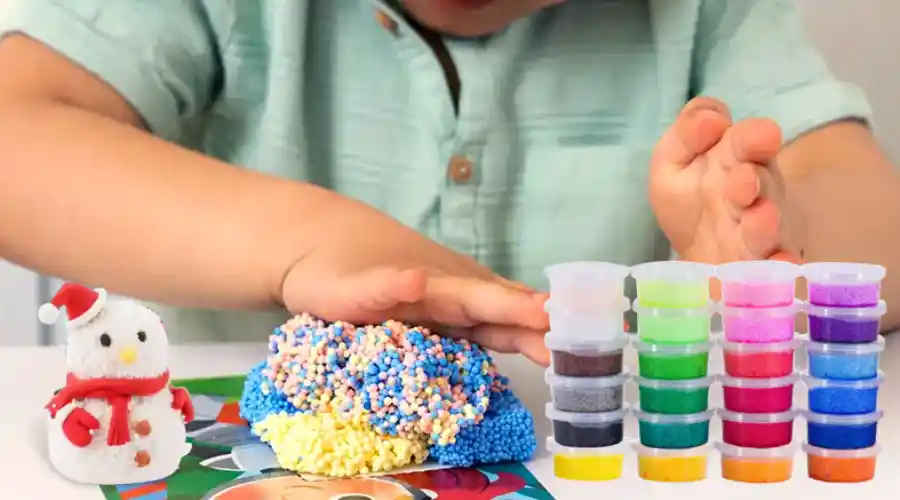
The lifespan of floam slime depends on how well it’s stored and how much it’s played with.
Under optimal conditions—kept in an airtight container and stored in a cool, dry place—floam slime can last for weeks or even months. Its texture will remain bouncy and fun as long as it doesn’t dry out or become contaminated with dirt.
However, if exposed to heat, moisture, or air for too long, it will start to degrade and lose its texture, becoming sticky or dry. To maximize the lifespan of your floam slime, be sure to follow proper storage practices, ensuring it stays fresh and ready for use.
Even if your floam slime starts to break down, there’s still hope for it! You can easily repurpose old or aging floam slime by rehydrating it. If the slime has dried out, add a bit of saline solution or baby lotion to soften it up.
After restoring its consistency, you can reuse the slime for fun play or even mix it with new slime to create different textures.
For extra creativity, you can add glitter or foam beads to freshen up the slime and make it more interesting. Repurposing old floam slime can also be a great way to recycle materials instead of throwing them away.
Floam slime is generally safe for kids when it’s fresh and intact. However, as the slime breaks down, it can become sticky or develop cracks.
Keeping an eye on the condition of floam slime will help maintain a safe and enjoyable play experience for kids.
Floam slime doesn’t dissolve easily under normal conditions, but it can break down over time if exposed to moisture, heat, or other factors. By storing it properly and following a few simple maintenance tips, you can enjoy its playful texture for months. When it starts to degrade, though, it’s best to repurpose or dispose of it to ensure safe play.
Floam slime is a great arts and crafts toys for kids, let us use our imagination to create the best works!
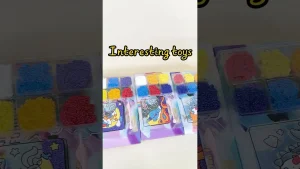
Floam slime is a new type of educational toy that contains beads and is rich in colors. It can be used to make crafts such as painting.

Floam slime is soft and has small beads inside to relax and relieve stress on the hands. It is one of the popular toys.
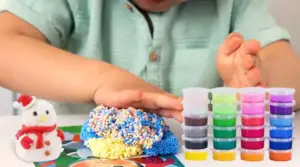
Foam clay is a new educational toy that has appeared in recent years. However, you may have questions, how long does it take to dry? Let’s see