
How to Choose Containers for Private Label Playdough
Choosing playdough packaging? Explore key factors for private label containers, including airtightness, size, materials, branding, logistics, and cost.
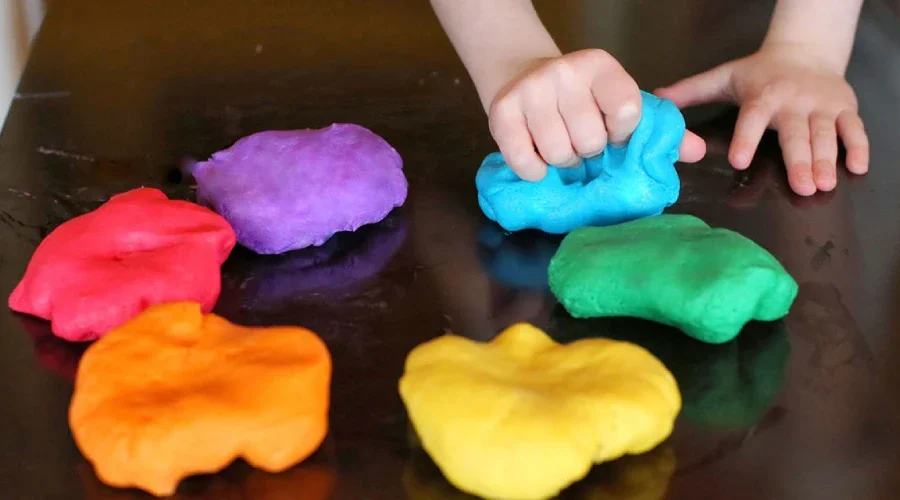
Playdough is a classic among sensory toys, well-loved for its soft, moldable texture and versatility in creative play. This simple compound, usually made from everyday ingredients, is more than just a childhood staple.
In this post, we’ll dig into the essential ingredients that make up playdough and explore why each one is vital. Understanding these components can offer fresh insights into how materials work together, enhancing the appreciation for this deceptively simple, hands-on medium.
>> Top 5 Playdough Sets for Creative Play
Playdough might seem like a simple mixture, but it has an interesting backstory.
Originally, it wasn’t even intended as a toy. In the 1930s, playdough began as a wallpaper cleaner. It was a pliable compound that easily removed dirt without damaging surfaces.
But by the 1950s, a teacher realized it could be molded into shapes and used for classroom activities. This discovery transformed it into the creative tool we know today.
Since then, playdough has evolved into a staple for hands-on learning and sensory activities. It’s used in schools, therapy settings, and even science demonstrations.
Molding and shaping playdough engages fine motor skills while fostering creativity. The soft, squishy texture also offers sensory feedback, making it useful for activities that develop tactile awareness.
Playdough is often made from household-safe ingredients like flour, salt, and water, making it non-toxic and reusable. Plus, the right combination of ingredients ensures playdough retains its ideal consistency and durability over time.
Playdough is a blend of essential ingredients, each chosen to contribute specific qualities like texture, elasticity, and color. These components work together, making playdough flexible yet durable and safe for regular handling.
Flour is the primary ingredient in playdough, forming the bulk of the dough and giving it structure. It acts as a binder, holding the other ingredients together and giving the dough a sturdy yet soft texture.
Without flour, playdough wouldn’t have the stretchy quality that makes it fun to work with.
Wheat flour is most commonly used due to its binding properties, but other types like rice or corn flour can also work. For those with wheat sensitivities, these alternatives may be a safer option.
Salt adds more than just a gritty texture to playdough. Its main function is as a preservative, helping to prevent bacteria and mold from developing. Salt also contributes to elasticity, making the dough more cohesive and reducing stickiness.
In playdough recipes, regular table salt is typically used because it dissolves easily and blends well.
The salt concentration also deters bacterial growth, extending the dough’s shelf life, especially in homemade recipes without preservatives.

Water is crucial in playdough as it brings all ingredients together to form a smooth, pliable dough. By hydrating the flour, water activates the gluten in wheat flour, creating a stretchier consistency.
Too much water can make the dough sticky, while too little can make it crumbly.
The water content has to be balanced precisely for the right texture. Adjusting the water level is one of the easiest ways to modify playdough consistency, making it either firmer or softer as needed.
Oil plays a key role in giving playdough its soft, smooth feel. It helps keep the dough flexible, reducing cracking and dryness. Adding a small amount of oil also makes the dough less likely to stick to surfaces, allowing for easier cleanup.
Vegetable oil is commonly used, as it’s safe and inexpensive. Other oils, like olive or coconut, can also work but may add a slight scent or texture difference. The choice of oil can affect how soft and workable the playdough feels.
Cream of tartar or baking powder is often added to stabilize playdough, helping it retain its elasticity over time. Cream of tartar, in particular, works as a pH buffer, maintaining the right acidity level for the dough to stay fresh and firm.
If cream of tartar is unavailable, baking powder or lemon juice can be used as substitutes, though they might not have the same effectiveness in maintaining the dough’s quality. These stabilizers ensure that the playdough remains flexible even after several uses.
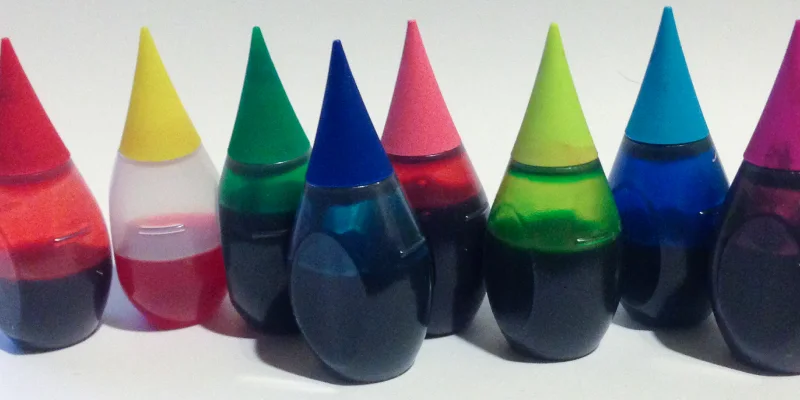
Finally, food coloring brings playdough to life with vibrant colors. Adding color makes playdough more engaging and allows for creative expression.
Both natural and synthetic colorants can be used, but choosing a food-safe dye ensures that playdough remains non-toxic and safe for handling, even if some residue transfers during play.
Specialty playdough varieties often include extra components to add unique scents, textures, or visual effects.
Adding essential oils to playdough creates a pleasant fragrance, enhancing the sensory aspect of play.
Lavender, peppermint, and citrus oils are commonly chosen for their gentle scents. These oils add a calming or energizing aroma, which can be used in settings like therapy sessions or educational play to support mood regulation.
However, fragrance use requires careful consideration. For younger children, some oils, like eucalyptus, may be too strong and should be avoided.
Adding small textures like glitter, beads, or even sand can turn standard playdough into a more engaging sensory material. Glitter can create visual appeal, while beads or sand provide a unique tactile experience.
Textured playdough options are especially popular in sensory play therapy and can support fine motor skill development by encouraging careful manipulation.
However, the addition of these small materials comes with a few safety guidelines.
For safe use, it’s best to limit textured playdough to settings where users are old enough to understand the material’s proper handling.

Making playdough at home or in a workshop follows a straightforward process. It requires attention to ingredient ratios and mixing techniques to achieve the ideal texture.
The process begins with thoroughly mixing the dry ingredients, typically flour, salt, and stabilizers like cream of tartar or baking powder.
Salt not only enhances texture but also acts as a preservative, while stabilizers improve consistency. A typical ratio might involve one part salt to two parts flour, but this can be adjusted slightly based on personal preference.
To avoid lumps, sift the dry ingredients together in a large bowl. This helps create a finer blend and will later result in a smoother dough.
Next, add the wet ingredients—water and oil—slowly to the dry mixture.
The right amount of water is essential: too much makes the dough sticky, while too little can make it crumbly.
If the texture feels too sticky, add small amounts of flour. For overly dry or crumbly dough, a few drops of water can restore its softness. At this stage, if you’re adding food coloring, blend it into the water beforehand to ensure even color distribution.
The final step is kneading. Kneading helps distribute the oil and water evenly, creating a smoother texture. Place the dough on a flat surface and press and fold it for about 5-10 minutes. This process also helps make the playdough elastic, so it can be easily shaped without tearing.
As you knead, feel free to adjust the texture further. For a softer dough, add a few drops of oil. For a firmer texture, dust with flour and continue kneading.
Once the dough reaches the desired consistency, it’s ready for play or storage.
Playdough ingredients are carefully chosen to ensure they are safe, especially for young users who may be more sensitive to certain materials.
The non-toxic, food-grade components are not only effective for creating a malleable texture but also protect children’s health in case of accidental ingestion or prolonged skin contact.
Unlike some modeling materials that contain synthetic chemicals or harsh preservatives, playdough is usually made from simple ingredients like flour, salt, and oil. These materials are gentle on the skin and lack the potential irritants found in plastic-based clays or other compounds.
Additionally, the natural preservatives—like salt—used in playdough help avoid chemical preservatives that may cause irritation.
The safety standards for playdough are high, particularly since it’s often marketed to schools and playgroups.
Many types meet regulatory standards for non-toxic certification, ensuring that there are no harmful chemicals. In this way, playdough provides a safer alternative to materials that might include harsh additives or artificial dyes.
>> Wheat and Gluten Free Playdough for Children
While playdough is generally safe, certain ingredients may pose an allergen risk. Flour, for example, often contains wheat or gluten, which may be an issue for those with allergies or sensitivities.
Fortunately, there are alternative recipes that use rice or corn flour, making allergen-friendly playdough possible without compromising on texture.
For a wheat-free playdough option, substituting standard flour with gluten-free alternatives is effective and allows everyone to join in on the fun. Adding a note about allergens on packaging or recipe lists is always a good practice to ensure transparency and safety for all users.
The shelf life of playdough varies based on its ingredients and storage. Typically, commercial playdough lasts several months if stored correctly, while homemade playdough, without preservatives, may last for a few weeks to a month.
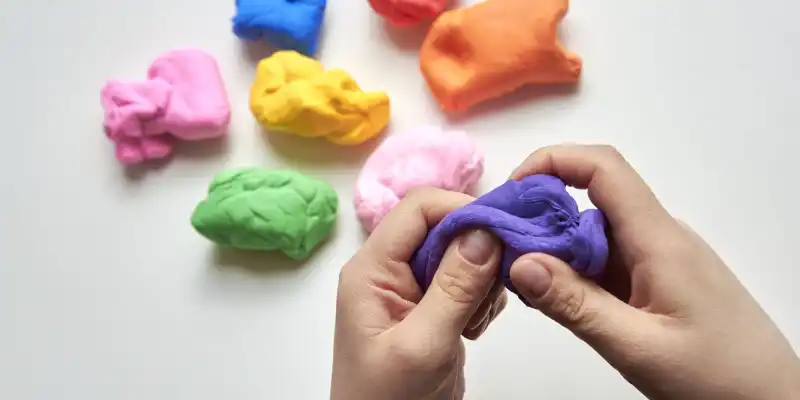
Proper storage techniques can help maintain freshness, so the texture and consistency stay usable for longer periods.
To extend the life of the playdough, keep it in an airtight container to prevent drying out. Storing it in a cool place, like a refrigerator, can help slow down the growth of any potential bacteria or mold. Regularly check for changes in texture or smell to catch early signs of expiration.
Expired playdough often becomes hard, loses flexibility, or develops a sour or musty smell.
Mold can also develop if the playdough has been stored in a damp area. In such cases, it’s best to discard the playdough to prevent any potential health risks.
Dispose of it in a way that aligns with eco-friendly practices—composting flour-based playdough is one option if no artificial dyes or glitter have been added.
Choosing between homemade and store-bought playdough depends on the intended use, desired texture, and longevity. Here’s a comparison table to highlight key differences:
Choosing playdough packaging? Explore key factors for private label containers, including airtightness, size, materials, branding, logistics, and cost.

Estimate the cost of custom playdough toys with this B2B guide covering pricing, customization, certifications, and manufacturing decisions.

A practical guide to private label playdough customization, covering packaging choices, color development, scent options, and safety considerations.

A burger comes out 🍔 #akia #fun #kidstoys #diy #clay #shorts