How Packaging Affects the Shelf Life of Air Dry Clay
Learn how packaging affects air dry clay shelf life, moisture retention, product quality, and shipping performance, with practical tips for toy brands.
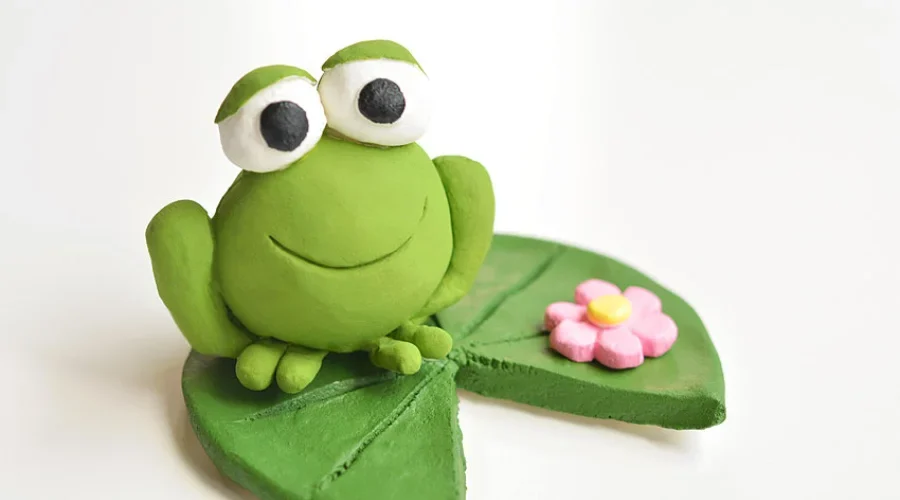
Can modeling clay withstand the heat of your oven? Join us as we debunk myths and explore the best practices for baking clay.
Modeling clay is a versatile medium used by artists, hobbyists, and children alike. It comes in various types, each with unique properties that cater to different creative needs. From crafting intricate sculptures to making fun shapes, modeling clay offers endless possibilities.
One common question arises: can modeling clay be baked? This query is crucial for anyone working with clay, as the answer depends on the specific type used. Understanding whether your modeling clay can be baked is vital for ensuring your creations remain intact and maintain their intended design.
Modeling clay comes in various types, each suited for different purposes and techniques. Understanding these types is essential for choosing the right one for your projects.
Modeling clay has a wide range of uses that cater to artists, educators, and hobbyists. Its versatility allows for crafting, sculpting, and educational projects.
Many people wonder if modeling clay can be baked, especially when aiming for a durable finish. The answer varies based on the type of modeling clay used.
Polymer clay is a popular choice among artists and crafters. It is made from a polymer polyvinyl chloride (PVC) compound mixed with plasticizers, which gives it a flexible and moldable quality. This type of clay becomes hard when baked in an oven, making it ideal for creating permanent pieces.
To bake polymer clay, preheat your oven to the recommended temperature, typically around 275°F (130°C).
Place your clay creations on a baking sheet lined with parchment paper to prevent sticking. Bake for about 15 to 30 minutes, depending on the thickness of your piece. Always check the manufacturer’s instructions for specific baking times, as they can vary by brand. Once baked, allow the items to cool completely before handling them.
While polymer clay can be baked, other types of modeling clay have different properties and requirements.

When it comes to baking modeling clay, several myths can cause confusion. Many crafters and artists wonder about the safety and effectiveness of baking different types of clay.
One of the most common myths about polymer clay is that it will explode in the oven. This misconception likely arises from a lack of understanding of how the clay behaves during baking.
In reality, polymer clay is specifically designed to harden when baked at the correct temperature. As long as you follow the manufacturer’s instructions regarding temperature and time, there should be no issues.
Another frequent myth is that baking polymer clay produces toxic fumes. This concern often deters people from using it. However, reputable brands of polymer clay are safe to bake when used correctly.
Always ensure your workspace is well-ventilated and avoid overheating the clay, which can lead to issues. If you stick to the recommended guidelines, polymer clay is safe for crafting without posing health risks.
When it comes to air-dry clay, many believe it can be baked to speed up the drying process. This is not true. Air-dry clay is formulated to harden when exposed to air, and baking it can lead to cracking or warping. The heat causes moisture to escape too quickly, ruining your project.
Similarly, there are myths surrounding traditional clay. Some people think that traditional modeling clay can be baked like polymer clay. In reality, this clay needs to be fired in a kiln to harden properly. Baking it in a regular oven will not yield the desired results and may even release harmful substances, making it unsafe.
Baking modeling clay correctly is crucial for achieving the best results. Understanding how to prepare your clay and the right techniques for baking can enhance your crafting experience. This section outlines the best practices for baking modeling clay, ensuring that your projects turn out beautifully.
Before baking your polymer clay, proper preparation is key. Start by kneading the clay to make it more pliable. This step helps eliminate air bubbles, which can cause cracks during baking. Shape your clay into your desired forms, whether it’s beads, figurines, or other creations.
Next, consider using a baking sheet lined with parchment paper. This protects your clay from direct heat and prevents sticking. If you’re adding details like paint or embellishments, wait until after baking to ensure they adhere well and don’t melt in the oven. Following these simple steps can lead to a more successful baking process.

To safely bake modeling clay, follow these step-by-step instructions.
Recommended baking equipment includes a dedicated baking sheet, parchment paper, and a kitchen timer. Always use an oven thermometer to ensure accuracy, as an inconsistent temperature can affect the final result.
Once you have successfully baked your modeling clay, it’s time to add the finishing touches. This stage is crucial for enhancing the appearance of your projects and ensuring their longevity.
After your baked clay has cooled, you can bring it to life with colors. Use acrylic paints for vibrant and durable results. They bond well to the baked surface, making them ideal for your modeling clay projects. Apply the paint in thin layers for even coverage. Let each layer dry before adding more.
Once you are satisfied with the paint job, sealing your piece is important. A clear acrylic sealer will protect your artwork from scratches and fading. You can choose a matte or glossy finish, depending on your preference. Apply the sealer in a well-ventilated area to avoid inhaling fumes. This extra step not only enhances the look but also adds a layer of protection.
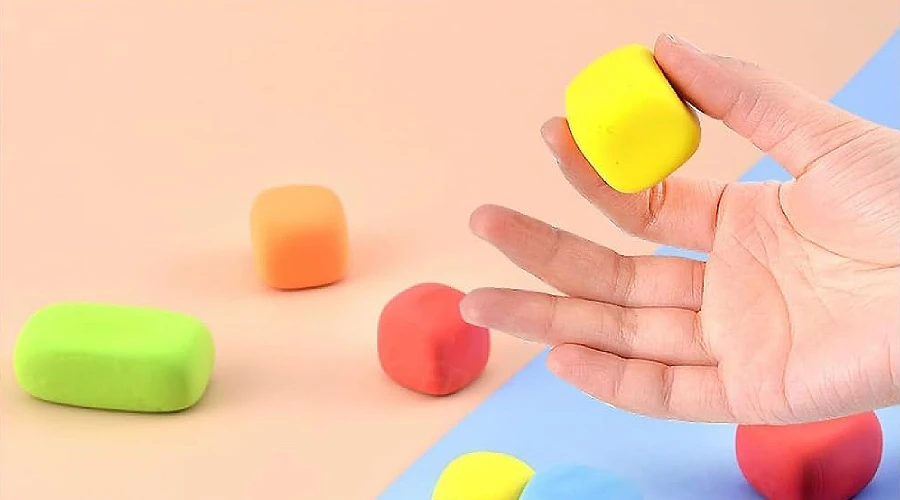
To keep your baked modeling clay creations looking their best, proper care is essential. Start by keeping them away from direct sunlight to prevent fading. If your piece collects dust, gently wipe it with a soft, damp cloth. Avoid using harsh chemicals, as they can damage the finish.
If your project is more functional, like a keychain or decoration, handle it with care. Although baked clay is durable, it can chip if dropped. For storage, consider a display case or a padded box to prevent any accidental damage. Following these maintenance tips will ensure your projects remain beautiful and last for years to come.
Understanding whether modeling clay can be baked is essential for achieving the best results in your projects. While polymer clay can be safely baked for durable creations, other types like air-dry clay should remain unbaked. By following best practices for baking and care, you can enjoy your crafted pieces for years to come.
Learn how packaging affects air dry clay shelf life, moisture retention, product quality, and shipping performance, with practical tips for toy brands.
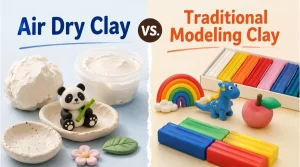
Choosing between air dry clay and modeling clay depends on the activity goal. Explore their features, uses, and selection tips in this complete guide.
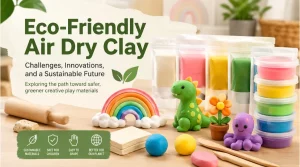
Understand the science behind eco-friendly air dry clay, including material selection, production difficulties, and the future of sustainable toy materials.

Find out why parents and educators prefer DIY craft kits that encourage hands-on learning, independent creativity, and skill development.