
Slime Packaging Guide: Jars, Tubs, Cups, and Custom Containers
Compare slime jars, tubs, cups, and custom containers to find the right packaging for your product, budget, target market, and shipping needs.
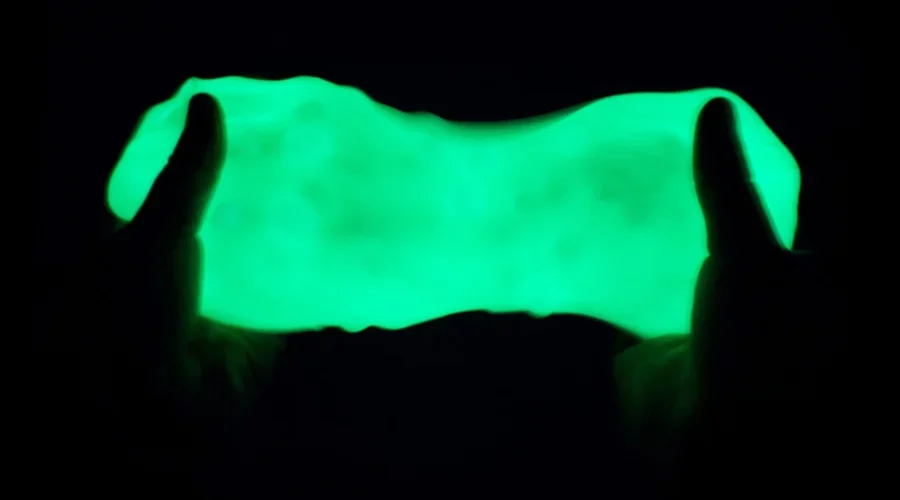
Glow in the dark slime combines fun and creativity, but safety is key for kids. Discover essential tips for worry-free play!
Glow in the dark slime is a captivating mix of fun and science that sparks curiosity in kids. Its vibrant colors and enchanting glow make it a favorite for play.
Beyond entertainment, this type of slime invites children to dive into creativity. They can play with different textures and colors, creating their own unique glow effects. This hands-on exploration can ignite an interest in subjects like chemistry and physics.

Glow in the dark slime is a soft, malleable substance that can shine in the dark. Its basic ingredients often include glue, water, and a glowing agent.
The glowing agent is usually made from phosphorescent materials, which absorb light and then release it slowly. When exposed to light, the slime charges up. Once in the dark, it begins to glow, providing a mesmerizing effect that delights children.
>> The Science Behind Glow in the Dark Slime
Playing with glow in the dark slime encourages sensory experiences and fosters creativity.
Such playful learning moments highlight the educational value of glow in the dark slime while ensuring children enjoy every glowing second.
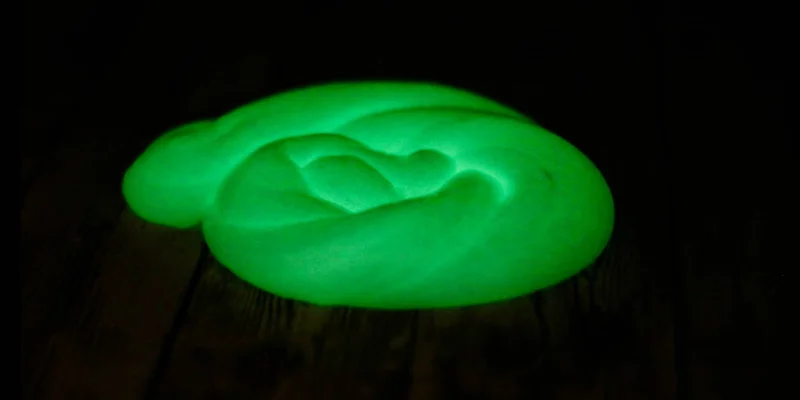
Safety is essential when it comes to enjoying glow in the dark slime. While it can provide hours of fun, understanding safety aspects can help ensure a positive experience. Parents and caregivers should be aware of the ingredients, age appropriateness, and potential allergies. Taking these precautions can help kids enjoy their glowing adventures safely.
The ingredients in glow in the dark slime play a crucial role in its safety. Common ingredients include white glue, baking soda, and glow powder, often made from phosphorescent materials.
Non-toxic versions of these ingredients are widely available, making them safe for children.However, some slimes may contain toxic substances, like boron compounds, which can be harmful. It’s vital to read labels carefully.
>> Science Behind Slime: What Does Borax Do In Making Slime
For parents seeking natural alternatives, some recipes use household items like cornstarch or gelatin. These options can create safe, fun slime without harmful chemicals. When in doubt, checking online resources such as the American Chemical Society can provide insights into safe slime ingredients.

Knowing the right age for playing with glow in the dark slime is important. Most experts recommend that children aged three and older can safely enjoy slime, but adult supervision is essential.
Younger children may not fully understand how to handle the slime safely. It’s a good idea for parents to engage in playtime, guiding kids on how to use it properly. This not only enhances safety but also turns slime play into a bonding experience.
Encouraging safe play practices, such as keeping slime away from the face and ensuring it doesn’t end up in the mouth, is crucial. Establishing ground rules can help kids learn responsible slime handling while having fun.
Some children may have allergies or sensitivities to ingredients in glow in the dark slime.
Common allergens include certain types of glue or glow powder. To ensure safety, a patch test is recommended. This involves applying a small amount of the slime to a discrete area of skin and waiting 24 hours to see if any irritation occurs.
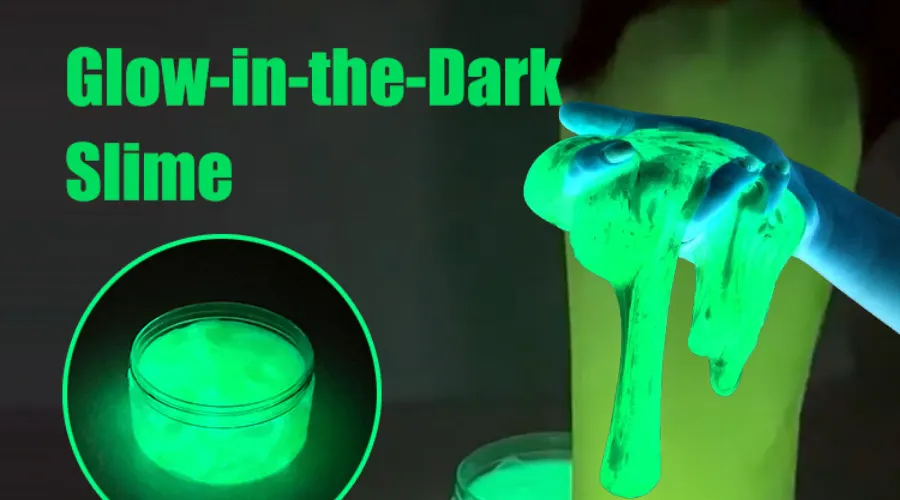
If redness or itching develops, it’s best to avoid that slime. Parents should always keep an eye on their child during play, especially if they have known sensitivities. With a little caution, kids can explore the fun world of glow in the dark slime while staying safe.
To fully enjoy glow in the dark slime, following best practices can enhance the experience while ensuring safety. From proper storage to effective clean-up, these tips help maintain slime quality and prevent messes.
With a few simple steps, kids can keep their glowing slime adventures fun and hassle-free.
Proper storage of glow in the dark slime is crucial to keep it fresh and ready for play. The ideal way to store slime is in airtight containers.
For example, a shelf in a playroom or a cabinet works perfectly. Remember to label the containers if multiple colors or types of slime are stored together. This makes it easy for kids to find their favorite glow in the dark slime when it’s time to play!
After the fun of playing with glow in the dark slime, clean-up is essential to keep the area tidy.
With these practices in place, everyone can enjoy the glowing adventures of slime without worry.
Engaging with glow in the dark slime can be both fun and safe when paired with creative activities. These ideas allow children to explore their imagination while ensuring that safety measures are in place.
There are countless DIY projects and slime recipes that can enhance the glow in the dark slime experience. For instance, kids can create their own slime by mixing glue, baking soda, and glow powder.
Adding colors or glitter can make the slime even more vibrant. Letting children personalize their slime encourages creativity and ownership of their playtime.

Glow in the dark slime games can also add excitement. A simple game like “Glow in the Dark Treasure Hunt” can be thrilling. Hide small toys in the dark and have kids search for them using only their glowing slime as a flashlight.
>> Glow in the Dark Slime: Perfect for Sleepovers
Supervised play enhances the glow in the dark slime experience. Adults can lead fun activities that engage kids while ensuring safety. For example, organizing a slime-making session can be a great way for families to bond.
In group settings like parties or classrooms, glow in the dark slime can be a hit.
Setting up slime stations allows kids to experiment with different colors and textures while being supervised. Group challenges, like who can create the longest slime string, can promote teamwork and laughter.
Glow in the dark slime offers a delightful blend of fun and education for kids. By following safety tips, such as using non-toxic ingredients, ensuring proper supervision, and practicing clean-up procedures, parents can create a safe environment for play.
Encouraging creative activities not only sparks imagination but also fosters learning. With these guidelines, children can fully enjoy their glowing adventures while staying safe and responsible.
Compare slime jars, tubs, cups, and custom containers to find the right packaging for your product, budget, target market, and shipping needs.

Learn how glitter, beads, and charms enhance slime products through visual appeal, tactile variety, themed play, and better product differentiation.

Learn the key steps behind a successful slime launch, from product development and sampling to safety compliance, packaging, and production.

Explore what makes slime safe for children and learn simple ways to support fun, responsible, and healthy sensory play at home or school.