How to Choose Containers for Private Label Playdough
Choosing playdough packaging? Explore key factors for private label containers, including airtightness, size, materials, branding, logistics, and cost.

Discover the magic of sensory dough! Learn its benefits, creative uses, and why it’s a must-have for kids. Ready to unlock the wonders of sensory play?
Sensory dough is a type of moldable substance designed to engage a child’s senses. It’s soft, squishy, and easy to manipulate, making it perfect for sensory play.
Unlike traditional playdough, sensory dough can come in various textures and scents, adding an extra layer of sensory stimulation. This type of dough can be homemade or store-bought, often incorporating ingredients like cornstarch, flour, and even essential oils to create different sensory experiences.

Whether you’re a parent looking to enhance playtime or a teacher aiming to incorporate sensory activities into the classroom, sensory dough offers endless possibilities.
Sensory dough is more than just a toy; it’s a powerful tool for child development. From fine motor skills to creativity, sensory processing to emotional regulation, this versatile plaything offers numerous benefits.
When kids pinch, roll, and shape the dough, they strengthen the small muscles in their hands and fingers. This is crucial for tasks like writing and buttoning clothes. For example, a child might create tiny shapes with sensory dough, honing their dexterity while having fun.
Sensory dough sparks creativity and imagination. Kids can mold it into anything they dream up—animals, castles, or even food. This open-ended play allows children to think outside the box and express themselves.
Imagine a group of kids making a sensory dough zoo, complete with unique creatures they’ve invented.
When children manipulate the dough, they receive sensory input through touch, smell, and sometimes even sound if they add textured elements. For example, a child might press beads into the dough, enjoying the tactile feedback and visual appeal.
The act of squeezing and molding the dough can be very calming, helping kids manage their emotions. It provides a soothing sensory experience that can reduce anxiety and stress.

By exploring the different types of sensory dough, you can find the perfect match for your child’s needs and preferences. Whether you choose to make your own or buy it ready-made, sensory dough offers endless possibilities for play and development.
Making your own sensory dough at home allows you to control the ingredients and customize the texture and scent. For example, you can add food coloring, essential oils, or even glitter. The downside is that it can be time-consuming and messy. You also need to make sure the ingredients are safe for your child to use.
On the other hand, purchasing ready-made sensory dough is convenient and often more reliable. Store-bought dough usually comes in a variety of colors and textures, and you can trust that it’s been tested for safety.
Traditional playdough is soft, colorful, and easy to mold. Kids love it for its bright colors and smooth feel. It’s perfect for general play, helping children develop fine motor skills and creativity. For example, children can roll it into snakes or cut it into shapes using cookie cutters.
For children with allergies or sensitivities, there are gluten-free and allergy-friendly sensory dough options. These alternatives ensure that all kids can enjoy sensory play without the risk of allergic reactions.
Textured dough includes extra materials like beads, sand, or rice, providing additional sensory input. This type of dough can be particularly engaging for children who enjoy different tactile experiences.
For example, a child might enjoy pressing small beads into the dough, feeling the different textures and patterns they create.
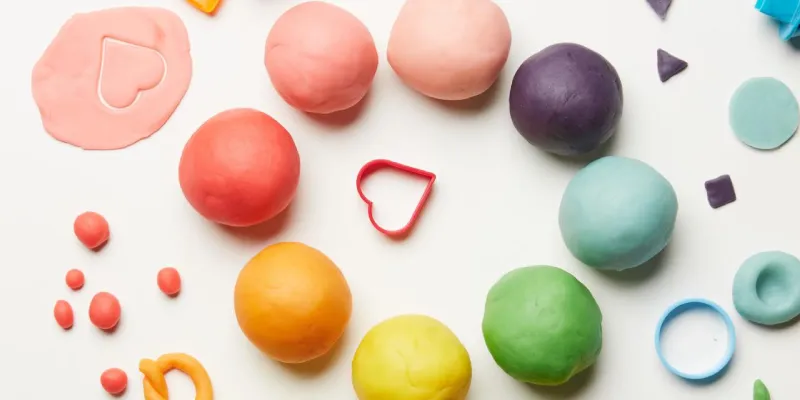
Using sensory dough in these creative, educational, and therapeutic ways can provide children with rich, engaging experiences. Whether for fun at home or as part of a structured learning or therapy program, sensory dough offers endless possibilities for growth and development.
One fun way to use sensory dough is through theme-based play. Kids can create entire scenes, such as a jungle with animals or a space landscape with planets and stars.
By incorporating the dough into a bin filled with different materials, like rice or beads, kids can explore a variety of textures and shapes.
For example, a sensory bin might include blue dough to represent water, along with small boats and fish. This setup provides a rich multi-sensory experience, helping children develop their sensory processing skills.
Sensory dough is also a great tool for teaching basic concepts like shapes and colors. Parents and teachers can guide children in rolling out the dough and cutting it into different shapes using cookie cutters.
Forming letters and numbers with sensory dough can help kids develop early literacy and math skills. They can roll the dough into long snakes and then shape it into different letters or numbers.
For instance, a child might make the letter “A” or the number “3” and then practice identifying these characters. This tactile approach to learning makes abstract concepts more concrete and engaging.
Sensory dough can be a valuable tool for stress relief and mindfulness. The act of squeezing and kneading the dough can be very calming, helping children manage their emotions.
Occupational therapists often use sensory dough in their practice to help children improve their motor skills and sensory processing abilities.
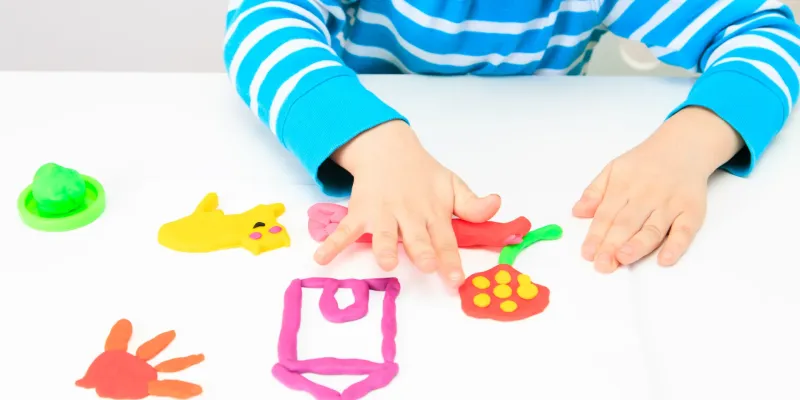
For example, a therapist might work with a child to roll out dough and press objects into it, strengthening their hand muscles and coordination. These activities are not only therapeutic but also enjoyable, making therapy sessions feel more like play.
When it comes to sensory dough, ensuring safe play is crucial. Here are some age-appropriate guidelines and supervision tips to keep in mind.
For younger children, especially those under three, sensory dough can pose a choking hazard. It’s important to choose dough that is non-toxic and safe if ingested. Always check the packaging for age recommendations.
Supervision is key when young children are playing with sensory dough. Always keep an eye on them to make sure they’re using the dough properly and not putting it in their mouths.
Proper storage is essential to keep your sensory dough fresh and usable for as long as possible.
To keep sensory dough fresh, store it in an airtight container. Exposure to air can cause the dough to dry out and become hard. A simple plastic container with a tight-fitting lid works well. If the dough starts to dry out, adding a few drops of water and kneading it can help restore its softness.
Another option is to wrap the dough tightly in plastic wrap and then place it in a container. Labeling each container with the date and type of dough can also help you keep track of freshness.
Sensory dough is a fantastic tool for fostering creativity, developing fine motor skills, and providing calming, therapeutic play for children. Whether you choose to make your own or buy it ready-made, the possibilities for fun and learning are endless.
Choosing playdough packaging? Explore key factors for private label containers, including airtightness, size, materials, branding, logistics, and cost.
Estimate the cost of custom playdough toys with this B2B guide covering pricing, customization, certifications, and manufacturing decisions.

A practical guide to private label playdough customization, covering packaging choices, color development, scent options, and safety considerations.

A burger comes out 🍔 #akia #fun #kidstoys #diy #clay #shorts